

































 82 Min


Mobile apps aren’t just for games and social media anymore – they’ve become the driving force of digital transformation across virtually every industry.
In 2025, businesses and consumers alike rely on mobile applications for critical services and daily tasks. It shows in the numbers: mobile apps generated over $935 billion in revenue in 2024, and that figure keeps climbing.
From healthcare to finance to education and beyond, mobile apps are revolutionizing how industries operate, engage customers, and deliver value.
Below, we highlight 10 key industries being transformed by mobile apps in 2025, with real data and examples of what this mobile revolution looks like.
1. Healthcare & Telehealth
Healthcare has seen a dramatic mobile upheaval – medical services are now in your pocket.
Mobile health (mHealth) apps allow patients to book appointments, consult doctors remotely, access records, and manage medications right from their phones.
In fact, more than 55% of U.S. consumers prefer using a mobile app to handle healthcare tasks like scheduling visits, prescription refills, and viewing medical records.
Healthcare providers have responded by adopting mobile-first strategies, making the smartphone a central tool in patient care rather than an afterthought.
One major leap has been the rise of telehealth and virtual care.
During the COVID-19 pandemic, telemedicine usage exploded and it’s now cemented as part of standard care. By 2024, 44% of patients had a virtual doctor visit in the past year, and 94% of those patients said they’re willing to do it again – largely due to convenience and shorter wait times.
The global telehealth market is growing at over 11% annually and is expected to nearly double from $94 billion in 2024 to $181 billion by 2030. That growth is powered by mobile apps enabling video consultations, remote monitoring, and AI-driven health bots.
The scale of mobile health adoption is impressive. Hundreds of millions of people now use health apps: one analysis found the number of global health app users jumped from about 300 million in 2019 to well over 500 million after the pandemic.
People track fitness, monitor chronic conditions, and even get mental health support via apps. For example, apps like MyFitnessPal and Calm have brought wellness management to millions of users’ daily routines. Hospitals and clinics have their own apps too – from big systems like Kaiser Permanente to local practices – offering test results, secure messaging, and telehealth in one place.
It’s telling that nine out of ten patients own a smartphone today, so healthcare has literally placed itself into a device patients already use constantly.
The benefits are significant: apps improve patient engagement and adherence (e.g., medication reminder apps lead to better compliance), expand access in underserved areas through virtual visits, and reduce administrative burden by digitizing paperwork. A recent report notes that 83% of millennials open health-related texts or notifications within 90 seconds, underscoring that mobile is the fastest way to reach patients. Even older adults are on board – 60% of seniors use mobile apps, debunking the myth that only young people go digital.
By making healthcare more accessible, timely, and user-friendly, mobile apps are improving outcomes. For instance, patients no longer sit on hold to book appointments; they can do it in seconds via app. Telehealth apps save patients travel time and allow doctors to monitor conditions (through connected wearables or in-app surveys) in real time.
From managing a chronic disease to getting therapy from home, healthcare apps have truly transformed how we experience medicine. As one 2024 healthtech survey found, the majority of patients now expect a “mobile-first” healthcare experience, and providers embracing this are seeing higher satisfaction rates. The house call of the 21st century might just be a video chat on your phone – and it’s working well for millions.
2. Finance & Fintech
Mobile apps have revolutionized finance, turning our phones into digital banks and wallets.
Banking, payments, investing, and insurance have all gone mobile – and consumers have eagerly embraced the convenience.
As of 2024, over half of U.S. consumers (55%) primarily access their bank accounts via mobile app, making mobile the most common banking method now. In practice, that means people deposit checks, transfer money, and monitor balances with a few taps instead of visiting branches. No wonder a national survey found 77% of consumers prefer managing finances through a website or app rather than in person.
The scale of mobile fintech adoption is staggering. Globally, more than 5.8 billion mobile wallet accounts are expected by 2029, up from about 4.3 billion in 2024. In 2023 alone, over 2 billion people worldwide used a mobile payment app – whether it’s Apple Pay, Google Pay, Alipay, or others.
Digital wallets and payment apps are now a mainstream way to pay, accounting for 49% of global e-commerce transaction value in 2023. From buying a coffee with a tap of your phone to sending money to a friend via Venmo, mobile apps have made transactions seamless. It’s not just small payments either; even public transit and big retailers have gone mobile-pay, and many countries (notably in Asia) leapfrogged cards entirely in favor of QR-code payments on phones.
Mobile banking apps have become sophisticated financial hubs.
Take mobile-first banks (neobanks) like Chime, Lili or Revolut – their apps give real-time spending analytics, savings automation, and even early access to paychecks.
Traditional banks have also caught up: for example, Bank of America’s app lets you lock a missing debit card or get AI-driven spending insights instantly (features that 83% of mobile banking users say are “critical or important” to them). It’s no surprise that 80%+ of millennials and Gen Z now do their banking digitally. Even older demographics are on board; the convenience factor wins out across ages.
Mobile apps are also transforming investments and trading. Brokerage apps like Robinhood, E*Trade, or Acorns have brought investing to the masses by offering easy, low-fee trading from a smartphone.
Millions of people started buying stocks (or crypto) via mobile apps in recent years, some with as little as $5, thanks to fractional shares. The result: a huge influx of new investors. Now traditional brokerages have followed suit with sleek apps of their own.
The fintech boom extends to lending and insurance too.
Need a loan? Apps can approve micro-loans in minutes using AI-driven credit checks.
Paying for insurance? Apps like Lemonade handle claims through a simple chat interface, speeding up a process that used to involve piles of paperwork.
Peer-to-peer payment apps (PayPal, Cash App, Zelle) have largely supplanted cash for many people – in fact, mobile peer payments are so prevalent that over $7.3 trillion was transacted via mobile payments in 2023.
Financial inclusion has improved as well, especially in developing regions where mobile money apps allow the unbanked to store and send money securely. The World Bank’s latest Global Findex report shows that mobile and digital accounts have driven account ownership worldwide to 79% of adults – a huge leap in global financial inclusion, particularly via mobile money in Africa and Asia.
Crucially, mobile fintech apps don’t just replicate online banking – they add new value through personalization and real-time insight.
Many banking apps now have AI budgeting tools that analyze your spending and nudge you to save (one survey noted 83% of users appreciate digital innovations like AI finance tools making services more accessible). Other apps send fraud alerts or credit score updates in real time. And customers engage with these features: a U.S. survey found 96% of users rate their mobile/online banking experience as “good” or better, showing high satisfaction with app-based banking.
Security is a priority, of course. Biometric logins (fingerprint, Face ID) and multi-factor authentication are now standard on finance apps, which actually makes accounts more secure than password-based web logins. Many users feel safer using an official banking app on their phone than a web browser. Fintech apps are also encouraging healthy financial habits – for example, Digit automatically saves small amounts for you, and millions have used it to build emergency funds without thinking.
The bottom line: Mobile apps have fundamentally changed how we manage money. They’ve made banking 24/7 and ultra-convenient, spurred an explosion of cashless payments, and opened access to investment and financial services to broader audiences.
Whether you’re depositing a check by phone camera, applying for a mortgage through an app, or tapping your phone at the checkout, it’s clear the finance industry’s present and future is mobile. Banks and fintech startups that excel on mobile are reaping the rewards – higher customer engagement, more data to personalize services, and lower operating costs compared to branch-centric models.
In 2025 and beyond, expect financial services to continue racing toward an app-driven, “bank in your pocket” model, where virtually every financial need can be met with a quick tap.
3. Retail & E-Commerce
The retail industry has been utterly transformed by mobile commerce.
Not long ago, e-commerce was something you did on a desktop computer; today, it’s predominantly a mobile activity.
In 2025, over 70% of all online retail sales worldwide are made on mobile devices. That means when people shop online, they are far more likely to do it on a smartphone or tablet than a PC.
In dollar terms, mobile commerce (or m-commerce) will account for around $4 trillion of global retail sales this year. This is a seismic shift in consumer behavior, enabled by retailers’ investments in shopping apps and mobile-optimized websites.
The result? Shopping has become an “anytime, anywhere” experience. Consumers browse and buy on the go – on the couch, during their commute, even inside physical stores (comparison shopping). It’s now common for a person to discover a product on Instagram or TikTok and purchase it within minutes via a mobile link.
Retail apps also make the experience smoother and more personalized.
For example, Amazon’s mobile app remembers your preferences and offers one-click purchasing; it helped Amazon reach new heights, with hundreds of millions of app downloads. Brick-and-mortar retailers have followed suit: Walmart and Target’s apps enable mobile ordering, curbside pickup, and scan-and-go in-store shopping.
This omnichannel approach, centered on mobile, drives loyalty – Target noted that customers who use its app and drive-up service spend more annually than those who shop only in store.
The statistics underscore how crucial mobile is for retail.
As of early 2025, mobile devices generate about 70–75% of traffic to retail websites on average. During the 2024 holiday season in the U.S., estimates suggest over 70% of online sales were made on smartphones. Globally, about 59% of all e-commerce sales are via mobile in 2025, and this share keeps growing each year.
Certain regions skew even higher – in China, a mobile-centric market, a whopping 85% of online transactions occur on mobile apps (think super-apps like Alibaba’s Tmall or WeChat shopping). This dominance of mobile has pushed retailers to adopt “mobile-first” design for their online stores, ensuring the experience on a small screen is seamless.
One reason mobile shopping has taken off is the improved user experience and trust in apps. Consumers find well-designed shopping apps more convenient than mobile websites. For instance, data shows that 54% of all mobile commerce transactions now happen in dedicated shopping apps (vs. 46% in web browsers). Apps tend to load faster, save your info, and send push notifications for sales or cart reminders – all of which boost conversion.
In fact, mobile apps enjoy conversion rates 1.5× higher than mobile web in retail, and significantly lower cart abandonment (around 20% for apps versus 85% on mobile web).
Features like stored payment methods and easy checkout mean people complete purchases more often on apps.
Stores have caught on: nearly every major retailer has an app with loyalty rewards, personalized deals, and smooth checkout (Starbucks’ app, for example, pioneered mobile order-and-pay and now handles a huge volume of the chain’s transactions).
Mobile apps are also integrating emerging tech to enhance retail. Augmented reality (AR) in retail apps lets shoppers “try on” products virtually – from seeing how furniture would look in your room (IKEA Place) to makeup filters that test shades on your face (Sephora). These interactive features make mobile shopping more immersive and confidence-inspiring, bridging the gap between online and in-person buying.
Additionally, mobile wallets and one-click payments reduce friction. Over 60% of consumers have used a digital wallet (like Apple Pay) for an online purchase, making checkout as simple as a Face ID confirmation. This convenience has driven impulse buys and quick purchases – you see a flash sale on your phone and you can purchase in seconds before the deal expires.
Retailers large and small are benefiting from the mobile app revolution.
Small businesses can now sell nationwide via marketplaces and their own apps; many use platforms like Shopify, which offer built-in mobile-friendly templates and even a Shop app that aggregates stores.
Social media integration is another boon – products discovered on social platforms can be purchased via in-app browsers or store links, blurring content and commerce. In-app social shopping is huge: Instagram and TikTok introduced shopping features precisely because so many users wanted to buy what they saw in posts.
41% of Gen Z say social media has directly influenced them to purchase something, highlighting how mobile social apps and retail converge.
The transformation extends to in-store experiences as well.
Mobile apps enable “omnichannel” retail: for example, a customer might scan a QR code in a store aisle to read reviews on the product page, then buy through the app for home delivery if stock is out.
Stores like Walmart use apps to let customers scan items as they shop and pay on mobile to skip lines.
Restaurants and grocery stores heavily use mobile ordering apps for pickup and delivery (more on food delivery in a later section).
Even loyalty programs have gone mobile – paper punch cards have been replaced by app-based rewards (Starbucks Rewards, Nike Run Club, etc.), increasing engagement.
For the retail industry, the payoff of mobile adoption is clear: higher sales and happier customers. Companies report that mobile shoppers have larger average order sizes and higher lifetime value than desktop-only shoppers. Push notifications keep customers coming back (e.g., an alert about a price drop or a back-in-stock item). And the data collected via apps helps retailers personalize offerings and inventory.
Importantly, mobile apps have also transformed retail operations. From warehouse management apps speeding up fulfillment to mobile point-of-sale systems in stores (think store associates with tablets processing sales anywhere in the shop), apps streamline the backend of retail. Inventory can be tracked in real time and online orders fulfilled efficiently, enabling services like same-day delivery or curbside pickup to thrive.
In 2025, it’s fair to say “mobile is the new mall.”
Consumers across demographics have made the shift – they expect to search, compare, and buy products on their phones with ease. Retailers that invested early in strong mobile apps (Amazon, Walmart, Alibaba, etc.) have solidified leadership, while those who lagged have scrambled to catch up. Going forward, trends like voice commerce and AI shopping assistants (many accessed via mobile) will further reshape e-commerce. But the device of choice is set: the future of shopping is in the palm of our hands.
4. Education & E-Learning
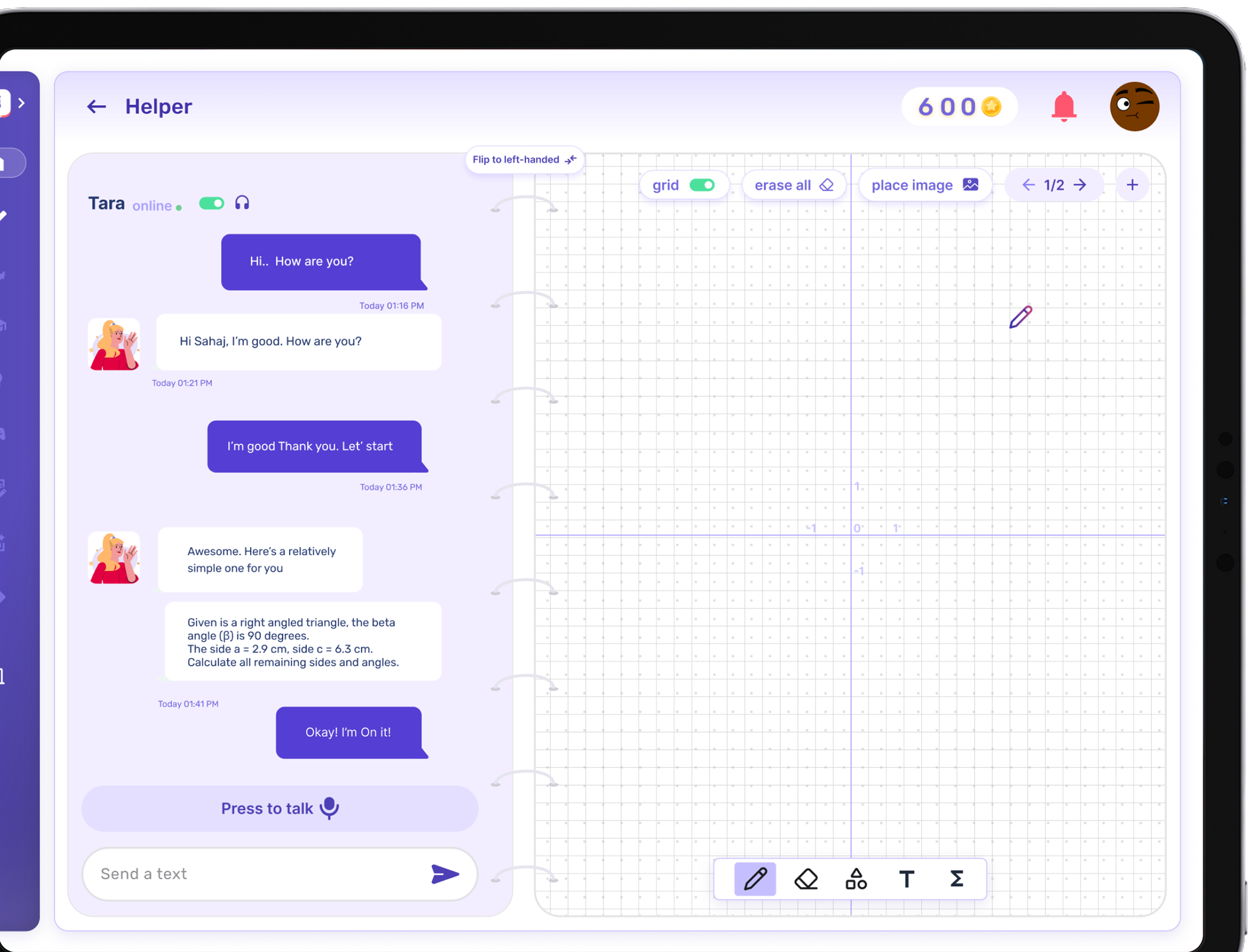
Mobile apps are reshaping education by making learning more accessible, interactive, and personalized than ever. The rise of educational apps means that whether you want to learn a new language, pick up coding, or supplement your child’s schooling, “there’s an app for that.” And people are taking advantage of these tools on a massive scale.
Education app usage skyrocketed during the pandemic and has remained high: the number of education app users globally grew from about 185 million in 2019 to 270 million in 2020 (a 46% jump in one year), and continued climbing to 350 million users in 2022. This surge was driven initially by remote learning needs, but it has proven to be a lasting shift as users discovered the convenience and effectiveness of learning via mobile.
One of the most popular categories is language learning.
Apps like Duolingo, Babbel, and Rosetta Stone have turned language study into a gamified, daily habit.
Duolingo in particular illustrates how transformative mobile learning can be – the app, known for its bright green owl mascot, more than doubled its monthly active users from 2022 to 2024, reaching over 130 million MAUs as it became a cultural phenomenon. Learners are attracted by the bite-sized lessons and streak incentives. In a real sense, Duolingo put language education (something that used to require classes or expensive software) into anyone’s pocket for free, and scaled it globally.
Mobile apps are also changing academic learning and professional skills.
Students use apps like Khan Academy, Coursera, or edX to watch lectures and do exercises on phones or tablets.
Many K-12 schools now incorporate tablets loaded with educational apps into the classroom.
During COVID-19 lockdowns, schools that had e-learning platforms and apps (for assignments, video classes, etc.) were able to continue instruction remotely – and many of those practices persist in hybrid learning models.
For example, a student might do math practice on an adaptive learning app that adjusts difficulty in real time, yielding a more personalized learning path than a one-size-fits-all textbook.
Data backs the efficacy: personalized learning tech can improve student outcomes by identifying and targeting each student’s weaknesses.
Beyond formal education, skill-building apps for adults are flourishing. Whether it’s coding (Codecademy Go, SoloLearn), design (Udemy, Skillshare), or even personal hobbies like guitar (Yousician), mobile platforms make it easy to acquire new skills in small increments of free time. Microlearning has become a buzzword – many apps serve up 5–15 minute lessons that fit into a commute or lunch break, which is a modern way adults are fitting education into busy lives.
The appeal of educational apps comes from their interactive and engaging formats. They often include quizzes, visual aids, and even AR/VR experiences to make learning immersive. Gamification is common – points, badges, streaks – which has proven to motivate learners.
According to one survey, almost 90% of people using workplace learning apps said these tools changed their behavior or improved their professional skills. For younger learners, apps provide fun and adaptive practice (e.g., ABCmouse for early literacy or Prodigy for math). Parents have embraced these as supplements to traditional schooling; a child might practice vocabulary on a tablet app as homework.
Crucially, mobile apps have expanded access to education.
Now, anyone with a smartphone and an internet connection can access world-class courses or materials, many of which are free or low-cost. This democratization is evident in places where educational resources were scarce – for instance, online learning platforms saw huge growth in emerging markets, as students could suddenly join a MOOC (massive open online course) from a top university via their phone.
UNESCO and other organizations even partnered to distribute educational content through simple mobile apps or messaging platforms to keep kids learning during school closures.
The numbers tell the story of a booming e-learning market.
Global education app revenues were about $7 billion in 2022 and are projected to reach $124 billion by 2027, as both consumer demand and institutional adoption grow. Investments in edtech startups have also soared in recent years, funding innovative apps for everything from SAT prep to vocational training. And users are sticking with it: analytics reports note that education app installs and usage continued to climb in 2023, well above pre-pandemic levels. January and September see spikes in downloads (aligning with New Year’s resolutions and back-to-school), showing that people now regularly turn to apps to kickstart learning goals.
One fascinating trend is how mobile apps have made learning more continuous and informal.
Employees use learning apps to upskill on the job (e.g., learning a new language or management skill) – a necessity as roles evolve.
Companies have their own training apps or use platforms like LinkedIn Learning to encourage continuous development. Even in higher education, universities supplement with mobile-accessible resources; some colleges provide all course materials via a learning app or LMS that students check on their phones.
Of course, educational apps aren’t without challenges. Retention can be an issue – many users download an app with good intentions but need engagement hooks to continue. Data suggests education apps have lower 30-day retention than other categories (around 2–3%), highlighting the need to keep content engaging. However, the best apps counter this with strong community features (leaderboards, social sharing of progress) and adaptive content that keeps lessons from getting either too hard or too boring.
In summary, mobile apps have made learning borderless and convenient. They complement traditional education and, in some cases, provide an alternative route entirely (consider that you can learn to code via apps and land a job without a formal degree nowadays). From toddlers learning ABCs on a tablet, to teens using language apps, to professionals earning certificates through Coursera – the entire continuum of education is touched by mobile technology.
In 2025, if you want to learn something new, you’re as likely to grab your phone and download an app as you are to find a class or a book. The barriers of cost, geography, and schedule are lower than ever, and that’s a profound change in how society approaches education and skill development.
5. Government & Nonprofit (Public Sector Apps)
Even government services and nonprofits – traditionally not the fastest tech adopters – are being transformed by mobile apps.
Citizens and organizations have come to expect the same convenience in civic life that they get from private-sector apps. In response, agencies and nonprofits are launching apps to engage people, deliver services, and streamline operations. The result is greater accessibility, transparency, and efficiency in the public sector.
Consider local governments: need to report a pothole or schedule a bulk trash pickup? Many cities now have a 311 service app where residents can submit requests with a photo and track the city’s response. Big metros like New York City paved the way (NYC’s 311 app has handled over 16 million service requests since launch), and now smaller municipalities use off-the-shelf platforms to stand up their own citizen-request apps. These tools empower residents to connect with government in seconds rather than sit on hold via phone.
The payoff is tangible: cities that implement such apps see higher resident satisfaction – one survey found a 72% increase in overall satisfaction among residents when a city introduced mobile citizen-engagement apps.
More broadly, citizens actively want mobile government options.
A major study revealed that 70% of citizens would prefer to interact with local governments via a mobile app if given the choice. This is a striking mandate for public agencies to go mobile.
Governments are responding with apps for numerous services: DMVs have apps to join virtual queues or renew licenses, transit agencies have mobile ticketing and real-time bus trackers, and public health departments deploy apps for things like exposure alerts or appointment scheduling.
Even voting has seen some experimentation with mobile (pilot programs for mobile voting in certain jurisdictions, and widespread use of apps to register voters or provide election info).
At the federal level, major agencies offer official apps – for example, the USDA’s FoodKeeper app gives food safety info, FEMA’s app sends weather/disaster alerts and recovery resources, and the IRS app (“IRS2Go”) lets you track your tax refund status on your phone.
These might not be as flashy as commercial apps, but they meet people where they are – on mobile – and have been well used. During the pandemic, many governments built simple mobile tools (or chatbots on messaging apps) to disseminate guidelines and vaccine locations, showcasing the flexibility of mobile solutions in emergencies.
Nonprofit organizations have similarly leveraged mobile apps to increase their impact.
Charitable giving and fundraising have embraced mobile in a big way. Mobile donation platforms and charity apps make it easy for supporters to give with a few taps.
For instance, apps for crowdfunding or peer-to-peer fundraising enable quick donations and social sharing to amplify causes. The convenience of mobile giving has led to a surge in donations made from phones – recent data indicates mobile-based donations have increased 205% in the past few years.
People can respond instantly to a cause that moves them, whether it’s donating to disaster relief after seeing a news alert or sponsoring a friend in a charity run via a link in a text message.
Nonprofits also use apps for stakeholder engagement and mission delivery. For example, the American Red Cross’s blood donation app streamlines giving blood: it locates nearby drives, manages appointments, and even shows users their blood type and donation history.
Environmental groups have apps that let users report wildlife sightings or pollution incidents, which feed into citizen-science databases.
An example is the WWF’s Together app that educates users about endangered species with interactive experiences, strengthening outreach and education. Many charities use push notifications on mobile to update supporters on project progress or urgent needs, creating a more continuous connection than periodic mailers ever could.
A significant development is mobile payment and wallet integration for donations.
Platforms like Apple Pay and Google Pay include easy options to contribute to recognized charities. Social media apps also introduced donate buttons (e.g., Facebook and Instagram fundraising features), which are essentially mobile-driven – and have raised billions for nonprofits because they lower the friction of giving. According to nonprofit tech reports, 52% of nonprofit website visitors now come via mobile devices, though mobile still lags in percentage of actual donation dollars (often desktop users give larger amounts).
Nonetheless, the gap is closing as trust in mobile transactions grows and mobile donation flows are optimized. Many nonprofits have worked to make their donation pages mobile-friendly and have seen conversion rates improve.
Mobile apps have improved public sector efficiency internally too. Government field workers (like building inspectors or social workers) now often use tablet apps to file reports on site, eliminating paper and double data entry. This speeds up inspections, code enforcement, case management – you name it. A city maintenance crew might receive tasks via a mobile workforce app and update status in real time, so issues reported by citizens are resolved faster (hence that jump in satisfaction mentioned earlier). One study noted that local governments adopting mobile platforms for service requests experienced a 25% reduction in response times on average, and even a 32% reduction in administrative costs thanks to streamlined communication.
For the public, mobile apps make government feel more accessible and responsive.
Citizens can get real-time transit updates, pay a parking ticket, or even receive emergency alerts via push notification (84% of citizens said they want real-time alerts from local authorities, which many cities now provide through apps or SMS systems). This not only improves convenience but can save lives – e.g., weather alert apps and emergency-services apps have become crucial channels for urgent communications.
In the nonprofit world, apps have enabled new kinds of programs. For example, mental health and crisis-counseling nonprofits offer chat/text-based help via mobile for those who prefer texting over calling a hotline. Educational nonprofits distribute learning apps to underprivileged communities to improve literacy. Apps targeting food insecurity can direct families to nearby free meal sites via GPS. These innovations mean nonprofits can scale their services and reach more people without proportional increases in staff – the app becomes a force multiplier for social good.
All these changes contribute to a broader trend of digital self-service and engagement in the public and nonprofit sectors.
People who are used to the ease of Amazon or Uber rightly expect their government or favorite cause to have some digital savvy.
The good news is many do: by 2025, it’s common for a city to have a branded app, and for national governments to have dozens of apps covering different departments. The IRS even reported millions of downloads of its app as taxpayers opted to check refunds on mobile. And on the nonprofit side, large organizations like UNICEF, the Red Cross, or local community groups all leverage mobile for fundraising and communication.
In sum, mobile apps have brought the public sector closer to the public. They foster transparency (e.g., tracking a service request status), improve convenience (no need to visit city hall for simple tasks), and can increase civic participation (imagine getting a push notification to vote or join a town hall). Nonprofits similarly gain by engaging donors and beneficiaries directly and interactively. As one technologist quipped, “if citizens can order a pizza in two clicks, they should be able to report a broken streetlight just as easily.” In 2025, that’s increasingly the reality – and communities are better for it.
6. On-Demand Services & Marketplaces
The on-demand economy – think ride-sharing, food delivery, home services, freelance gig platforms – is practically a creature of mobile apps.
In 2025, it’s hard to imagine life without the convenience of tapping an app to get something done immediately, whether it’s hailing a ride or having groceries delivered to your door.
Mobile apps have not only transformed existing industries (like taxis and restaurants) but also enabled entirely new marketplace business models that couldn’t exist before smartphones.
Take transportation: ride-hailing apps like Uber, Lyft, DiDi, and Grab revolutionized how we get around.
They turned a clunky process (calling a cab company or hailing on the street) into a seamless experience where your phone finds a nearby driver, shows you the ETA and fare, and handles payment.
The impact is enormous – Uber alone now has over 170 million monthly active riders worldwide and facilitated 3.04 billion trips in just one quarter (Q1 2025).
Essentially, billions of rides a year are happening via mobile app matchmaking.
This has not only disrupted traditional taxis but also reduced car ownership for some and provided flexible work to millions of drivers. The ride-share market continues to grow globally; estimates project the global ride-hailing sector to approach $500+ billion in revenue by mid-decade, driven largely by mobile app penetration in new regions.
Food delivery apps are another on-demand juggernaut.
Apps like DoorDash, Uber Eats, Grubhub, Deliveroo, and Meituan (in China) have changed how we eat. In 2025, one can get nearly any cuisine delivered with a few taps, and increasingly groceries and convenience items as well.
The scale of food delivery via apps is astounding – the online food delivery market is projected to reach about $1.4 trillion in 2025 globally.
Companies like DoorDash have seen annual revenues surpass $10 billion, and they continue to grow post-pandemic as consumer habits have shifted to expecting the option of delivery for everything.
For restaurants, this has opened new revenue streams (at the cost of high commission fees), and for consumers, it means access to their favorite meals even on a busy day at home.
These apps also spawned the rise of “ghost kitchens” that serve delivery-only menus, showing how mobile demand can reshape physical operations.
The on-demand model extends to practically any service you can think of.
Need your house cleaned, furniture assembled, or a handyman? Apps like TaskRabbit, Handy, or Thumbtack connect you to gig workers who can do it, complete with reviews and upfront pricing.
Want to hire a freelance graphic designer or video editor? Platforms such as Upwork and Fiverr let you find talent on demand from a global pool, negotiating and managing the project through a mobile interface.
These marketplaces have made services more efficient to procure – individuals and small businesses can access skills without long contracts or hiring full-time, and service providers can reach customers more easily. It’s created a new labor-market dynamic: by 2025, an enormous number of people earn income through gig/app platforms (over 7.8 million drivers on Uber alone, for context).
Another domain is delivery and logistics beyond food – for example, apps for parcel pickup and courier services (like GoJek in Southeast Asia, which offers food, courier, and ride-share in one super-app). There are also medicine-delivery apps, laundry-pickup apps, and more, all premised on “I tap the app, and someone comes to fulfill the task.” This instant-gratification economy wouldn’t function without smartphones, real-time GPS, and push notifications keeping all parties coordinated – a true case of mobile technology unlocking new economic models.
Marketplaces for goods also thrive on mobile.
While eBay and Craigslist predate smartphones, newer apps made peer-to-peer selling far simpler.
Think of Facebook Marketplace, OfferUp, or letgo – snapping a photo of an item and listing it for sale can be done in seconds on mobile, and buyers message via the app to arrange purchase. S
pecialized marketplaces have apps too: StockX for sneakers, Poshmark for clothes, etc. By lowering friction, mobile apps greatly increased participation in the resale and sharing economies.
For example, the success of Airbnb (finding vacation lodging from private hosts) is tightly linked to its easy-to-use app experience that handles search, booking, and communication on the fly.
Let’s not forget personal transportation and mobility beyond rideshare: scooter and bike-share services like Lime, Bird, or Citi Bike are 100% app-driven. A user locates a scooter with an app, unlocks it by scanning a QR code, and off they go. This concept simply didn’t exist before mobile apps with GPS and payment integration. Now many cities have these micro-mobility options as a last-mile solution, all thanks to mobile.
Trust and transparency built into apps are key reasons on-demand services took off. Users see driver ratings, estimated costs, and can track progress in real time (the little car icon approaching). That transparency eased the trust issues that might have prevented, say, jumping into a stranger’s car or hiring a random person online. Similarly, providers are often backed by app insurance or guarantees, making users more comfortable.
Mobile’s ability to deliver real-time updates (e.g., “Your driver is arriving” or “Your delivery is two stops away”) reduces anxiety and improves planning for customers.
The on-demand app ecosystem has become so integral that entire consumer behaviors have changed.
People now often prefer using an app to get a service rather than doing it themselves or via traditional means.
Got a busy day? It’s easier to Instacart your groceries than go to the store.
Need a ride downtown on a rainy night? An Uber or Lyft is probably more accessible than finding a taxi.
These habits are sticking: surveys show a significant portion of urban consumers use ride-hailing multiple times per week, and many younger users rely on it almost daily.
In one 2024 study, 28% of global ride-hail users said they use such services multiple times a week – an indicator that in metro areas, calling a car via app has become a normal mode of transit.
From a business perspective, mobile on-demand platforms have highly efficient scale. Uber, as noted, serves 170 million users – all through an app interface, without owning vehicles.
This platform model has spilled over into B2B as well, with apps like Uber Freight matching cargo loads to truckers in real time, improving trucking logistics. Even professional services are seeing Uber-like models (for instance, Zeel for on-demand massages or Doctor on Demand for telemedicine house calls).
The concept of “Uber for X” became a cliché because entrepreneurs applied the on-demand app template to countless industries, with varying success.
As we move forward, the on-demand sector via mobile apps is likely to keep expanding in breadth and depth. Lower-tier cities and rural areas are increasingly served as app adoption grows, and new categories (like at-home fitness trainers or mobile car detailing) are popping up.
Some companies are converging services into single super-apps (as seen in Asia’s Grab and GoJek offering food, rides, payments, etc., all in one app). This could improve convenience even more.
The competition in this space also drives innovation in features – for example, better matching algorithms, in-app safety tools (sharing your ride status with a friend), and integration of AI (some food apps predict what you might want to reorder, saving time).
The transformation: Mobile apps have set a new expectation: services should come to you, on demand.
Waiting days or dealing with lengthy service windows is increasingly unacceptable to modern consumers. On the flip side, these apps create earning opportunities and flexible work arrangements at an unprecedented scale (though not without controversy regarding gig-worker rights).
Society is still adjusting to the changes – cities regulate ride-shares, labor laws adapt to gig work – but the convenience factor has made on-demand apps a permanent fixture.
In 2025, our default for meeting many needs is to unlock our phone and tap an app. The industries that facilitated that – transportation, delivery, personal services – have been forever changed by this new behavior.
Get Your Free 45-Minute App Roadmap
Meet 1-on-1 with our senior product team. We’ll map your MVP or enterprise app and hand you a personalized plan—clear scope, a realistic timeline, and fixed monthly costs—for iOS & Android, web, tablets & wearables, and AI.
7. Social Media & Dating
It’s hard to overstate how much social networking has gone mobile – effectively, social media is a mobile-first (or mobile-only) industry now.
Likewise, dating apps have transformed the landscape of romantic relationships, making online matchmaking mainstream and largely happening via smartphone.
Together, these “connecting people” industries have been completely rewritten by mobile apps in the past decade, and in 2025 their influence is pervasive.
First, consider social media: platforms like Facebook, Instagram, Twitter (X), TikTok, Snapchat, and newer ones like Threads are overwhelmingly accessed on mobile devices.
As of early 2025, nearly two-thirds (64%) of the world’s entire population uses social media – that’s about 5.2 billion people – and the average user spends 2 hours and 20 minutes per day on social networks.
The vast majority of that engagement is via mobile apps.
For instance, Facebook crossed the threshold years ago where over 90% of its active users are on mobile. Platforms like Instagram and TikTok are essentially mobile-native (Instagram only recently even added some desktop features, and TikTok is nearly phone-only for content creation). The convenience of having a constant social connection in your pocket has driven those usage stats sky high.
People scroll feeds during every idle moment – commuting, waiting in line, or sitting on the couch with the TV on in the background.
Mobile apps also enabled new social media formats that have captivated users.
The rise of the vertical short video (pioneered by Snapchat and globally conquered by TikTok) is a mobile phenomenon – quick, full-screen videos suited to one-hand scrolling.
Likewise, features like Stories (ephemeral photo/video posts) leverage the smartphone camera and instant sharing.
None of these would have taken off without the smartphone’s ubiquity and multimedia capabilities. Now, we see that influence everywhere: even professional networking (LinkedIn) and messaging apps (WhatsApp, WeChat) have stories or feed features, blurring traditional categories but all competing for mobile screen time.
The social media business model also thrives thanks to mobile. Constant notifications draw users back in, and in-app cameras with fun filters (augmented reality lenses, for example) keep people creating and posting content.
Mobile’s location awareness opened avenues for location-based social interactions – apps like Snapchat use location for geo-filters; Facebook Events show what’s happening near you, etc. Plus, the smartphone essentially made everyone a content creator by providing a camera and editing tools in hand. The result is a world where sharing moments online is second nature to billions.
One big effect: social apps have become the new public square and marketing channel.
Brands, news outlets, and celebrities reach audiences through mobile social feeds more than through TV or print. Movements and trends can go viral globally within hours via mobile sharing.
And users increasingly discover products and services through social app ads or influencer posts, which has entwined social media with e-commerce (as mentioned in the retail section). A staggering 63.9% of the world’s population being on social media means any industry or government that wants to engage people likely uses these mobile networks to do it.
Now, zooming in on dating: the days of stigma around online dating are long gone – dating apps are now one of the top ways people meet partners.
Studies in the U.S. show that between 30% and 50% of couples in recent years met online (surveys vary), making it equal to or even more common than meeting through friends or in person at work/school.
Mobile apps deserve the credit, because dating websites existed in the 2000s, but only with Tinder’s swipe interface (circa 2012) did usage explode among young adults.
Tinder’s simple mobile UX (swipe right/left) gamified the process and leveraged GPS to find matches nearby – something uniquely suited to smartphones. Today, Tinder boasts around 75 million monthly users globally and tens of millions of matches per day.
It’s so influential that “Tinder” has practically become shorthand for dating apps in general.
There are now scores of dating apps catering to different communities or preferences – Bumble (which empowers women to make the first move), Hinge (focused on detailed profiles for serious dating), Grindr (for LGBTQ+ connections), and many niche apps.
Collectively, these apps have hundreds of millions of users worldwide.
One report put the global online dating user population at 350+ million people.
And usage spans all ages: while about half of 18–29-year-olds have tried a dating app, even many 40s and 50s singles are using them as attitudes have shifted.
According to Pew Research, one in five U.S. adults under 30 met their current partner on a dating app, and even among age 30–49, a significant share have used these platforms.
Mobile dating apps have normalized online introductions to the point that meeting a partner “through Tinder” is as unremarkable as “we met at a bar” was in the past.
They’ve particularly been a game-changer for groups who historically had smaller dating pools locally (e.g., LGBTQ+ individuals in small towns can connect via apps; specialized apps exist for specific religious or interest groups too).
The design of these apps leverages mobile strengths: instant notifications when you get a match or message, the ability to chat on the go (important since momentum matters when making plans to meet), and integration with phone features like camera (for selfies) or location.
Safety features have improved as well – many apps let you verify profiles, and some partner with safety apps to allow location sharing when you go on a date IRL.
On the flip side, the always-on nature of dating apps can be overwhelming – people joke about “swiping fatigue.” The average user spends significant time in these apps: U.S. adults spent about 50 minutes per day on dating apps as of 2024.
That’s because it often becomes part of a daily routine to check new matches or chat. The constant influx of profiles can create a paradox of choice, and indeed, some research finds that while many have success, others feel burnt out or face negative experiences like ghosting or harassment.
Apps are trying to tackle this: for example, Bumble and others have AI moderation to reduce inappropriate messages, and Hinge limits how many likes you can send to encourage more focus per match.
Still, the numbers of relationships forming via apps keep rising. In 2013, only 3% of adults said they’d entered a long-term relationship from online dating; now it’s 12% (a fourfold jump), and climbing each year. By some estimates, 60% of newly married couples in 2024 met through an online platform, though that stat may refer to certain demographics or regions. Even if not universally that high, it’s clear that dating apps are a dominant mode of meeting, especially for younger generations.
Social media and dating apps together have also changed social norms and behaviors.
On social platforms, people maintain friendships, follow news, and build personal brands – all through mobile. The lines between private and public life have blurred, as one’s phone is a constant gateway to social interaction.
With dating, the notion of geographical and social-circle limitations has fallen away; you can meet someone you’d never have crossed paths with otherwise. Interracial and intercultural relationships have increased partly due to the breadth of choices apps provide. It’s also made dating more efficient in some ways (you can pre-screen for compatibility via profiles and chat a bit before investing time in a date), though it introduced new complexities (like navigating an abundance of options or the etiquette of chatting with multiple matches).
In essence, mobile apps have made the world more connected, yet also more complex, on a social level.
They’ve enabled friendships to persist across distances (your high school friend in another state is still in your Instagram stories daily) and allowed people to build communities online (from meme groups to activist movements).
They’ve also allowed people to find love (or casual fun) outside of their immediate circles, fundamentally shifting how relationships begin.
As of 2025, being an active user of some social or dating app is the norm rather than the exception, and businesses, cultural institutions, and individuals all strategize around this mobile-mediated social reality.
8. Travel & Hospitality
From the way we book flights and hotels to how we navigate and experience destinations, mobile apps have revolutionized the travel and hospitality industry.
Planning a trip used to involve travel agents, paper tickets, and guidebooks; now, your smartphone handles it all – it’s your travel agent, ticket wallet, map, translator, and concierge. The industry has eagerly adapted, resulting in easier bookings, more personalized travel experiences, and real-time services that were impossible before.
Start with booking flights and accommodations.
Apps like Expedia, Booking.com, Airbnb, and airlines’ own apps put the entire booking process in the palm of your hand.
You can search, compare, and reserve a flight or room in minutes, often with mobile-exclusive deals. This convenience has driven an explosion in online booking.
Mobile devices now account for over 70% of global travel-related web traffic (people researching trips), and increasingly they account for the bookings too.
In 2024, about 37% of all travel sales were completed via mobile devices, and that share is projected to rise to 44% by 2029. Travelers not only browse on phones but are converting there at higher rates as apps improve. For instance, many frequent flyers use airline apps to book and manage trips exclusively – skipping desktop entirely.
Airbnb is a poster child of mobile-era travel transformation. Its app opened up millions of alternative lodging options (homes, apartments, spare rooms) to travelers, with seamless booking and communication.
Large hotel chains responded with their own robust apps for direct booking, digital check-in, and even as a room key (using your phone’s NFC to unlock your door). Today’s hotel apps often let you chat with the front desk, request amenities, or get local recommendations, acting as a digital concierge. In fact, a majority of business travelers and vacationers say a good mobile app experience is important in their choice of airline or hotel – it’s part of the service expectation now.
Mobile apps have drastically improved the travel experience on the go as well.
Think about the last time you flew: you might have used your phone to display a mobile boarding pass (no more paper printouts).
Most airlines send real-time push notifications for gate changes, delays, or boarding times via their apps.
Some airports have augmented-reality wayfinding in their apps to help you navigate terminals.
Once you arrive in a new city, you likely open a maps app (Google Maps, Apple Maps) for directions – possibly using public transit directions in-app, which many city transit systems now update live.
Lost in translation? Apps can translate signs or conversations in real time.
Need a taxi abroad? Uber and its competitors operate in hundreds of cities globally – you don’t have to negotiate local cab fares, just use the same ride-share app.
The result is that travelers feel more self-sufficient and informed. A survey of global travelers found 80% say being able to book and manage travel entirely online is “essential,” with younger travelers leading the charge.
Travelers consume an average of 303 minutes (five hours) of online travel content in the weeks leading up to a booking – much of that on mobile, browsing reviews and tips.
Speaking of reviews, apps like TripAdvisor and Yelp have empowered travelers to quickly find the best attractions, restaurants, and hidden gems with peer feedback, all while on location.
For the hospitality industry, mobile apps offer opportunities to personalize guest services and upsell. Many hotel apps remember your preferences (e.g., pillow type, high-floor request) and loyalty status, ensuring a consistent experience. They also send offers for spa services or late checkout via app notifications during your stay.
Another transformation is how mobile facilitates last-minute and on-the-fly travel adjustments.
Missed connection? You can rebook on an app while standing in the airport line.
Need a same-day hotel? Apps like HotelTonight specialize in last-minute deals.
As a result, travelers are more spontaneous. Industry data shows a rise in more impulsive bookings and “micro-trips” – say, a short weekend getaway booked on short notice because an app notification showed a fare sale.
In the first quarter of 2025, analysts observed a 7% increase in last-minute mobile hotel bookings compared to the previous year, reflecting this trend.
Mobile technology has also forced travel operators to be more transparent and competitive.
Price comparison is easy – travelers can quickly check multiple apps for the best flight prices or use meta-search apps that aggregate options. This keeps pricing honest and deals abundant (for example, many airlines offer in-app-only fares or promo codes to encourage direct booking in their app rather than through third parties).
Destination discovery and planning have been enriched by mobile apps as well. Pinterest and Instagram serve as travel inspiration boards; one viral TikTok video can put an obscure location on the tourist map overnight.
Savvy tourism boards know this and collaborate with influencers or build AR experiences in their city apps.
For navigation at destination, beyond maps, there are now specialized apps (often city-specific) that might include self-guided walking tours, AR overlays for historical info, or local event listings.
Crucially, mobile apps have improved travel safety and logistics.
During the pandemic, many countries implemented travel health apps or digital vaccine certificates to streamline border crossings. Now, health info aside, countries increasingly use apps for e-visa applications and customs declarations, reducing paperwork for travelers.
For driving abroad, rental car companies have apps to manage reservations and even unlock vehicles (some car-sharing services let you rent a car via app without ever visiting a rental counter). And if something goes awry, travel insurance apps allow quick filing of claims or accessing support 24/7 from your phone.
All these innovations have led to record-high travel volumes (aside from the temporary pandemic dip), because it’s easier than ever to take trips.
A 2025 survey found 60% of global respondents planned one to three international trips in the year, and a majority say technology makes them feel more confident to travel to new places. This confidence comes from knowing you have tools at your fingertips – you’re never truly “lost” with GPS, you can find food or lodging last-minute if needed, and you can keep in touch with home (or work) easily as you go.
For the travel industry, adapting to mobile has been critical.
Those that delivered great app experiences have higher customer satisfaction.
Airlines that invested in top-rated apps have an edge in customer loyalty (travelers often mention a good app as a reason they love an airline).
On the hospitality side, chains like Marriott and Hilton have millions of active app users and see a large portion of bookings and check-ins via mobile. They’ve even begun using apps for digital room keys, meaning many guests bypass the front desk entirely – a convenience that grew in popularity especially during COVID for contactless service.
In summary, from trip planning to the journey home, mobile apps are the traveler’s indispensable companion. They’ve streamlined the entire travel process, empowered travelers with information and flexibility, and pushed the industry toward more customer-centric, tech-enabled service delivery.
The expectation now is that any travel need – booking, boarding pass, hotel check-in, local tips – should be solvable with a few taps on your phone.
And by and large, it is.
The companies that continue to innovate on mobile (like exploring how 5G and AI can further enhance travel apps with, say, real-time translation of foreign signage via your camera or predictive trip customization) will lead the next wave of hospitality innovation.
But even today, compared to 10–15 years ago, we are traveling in a different world – one where your phone is the ultimate travel toolkit.
9. Enterprise & Business Productivity
Mobile apps aren’t just changing consumer industries – they’re also transforming the enterprise and workplace.
Companies large and small are leveraging mobile applications to boost employee productivity, streamline operations, and enable the new era of remote and hybrid work.
In 2025, the notion of being tied to a desktop or a particular office is fading; employees can access many of their work tools on a smartphone or tablet from anywhere. The result is faster decision-making, more flexible work arrangements, and empowered front-line workers.
One clear indicator: 60% of employees now use mobile apps for work-related activities. This ranges from obvious use cases (checking email on your phone, which has been common for over a decade) to more specialized enterprise apps.
For example, sales teams use CRM apps (Salesforce, HubSpot) on their phones to update leads and view customer info before a meeting. Field technicians use mobile apps to receive jobs, file reports with photos, and even access repair manuals on site. Warehouse staff might use tablet apps for inventory management.
Even traditionally desk-bound tasks like approving invoices or collaborating on documents have mobile workflows – a manager can approve a budget request through an app with a single tap, rather than needing to be at a computer.
The reliance on mobile in business became especially apparent during the COVID lockdowns, when suddenly everyone was working from home or in distributed locations. Companies scrambled to ensure their employees had mobile access to critical systems – and many found productivity didn’t drop; in some cases it even improved. Today, 80% of IT executives say employees cannot do their jobs effectively without a smartphone in hand. That’s a strong statement about how essential mobile has become for the modern workforce.
One major category is communication and collaboration. Apps like Slack, Microsoft Teams, Zoom, and Trello have become everyday tools, and their mobile versions are widely used.
Microsoft Teams, for instance, reached 320 million monthly active users in 2024, and a good chunk of those users engage via the mobile app to join meetings or reply to team chats on the go. Push notifications from these apps ensure that urgent messages or project updates reach employees quickly, no matter where they are. This helps teams stay aligned and responsive – you can reply to a client’s question from the grocery-store line if needed. It’s a double-edged sword for work-life balance, but many companies are implementing norms to mitigate burnout (like Do Not Disturb hours, etc.).
Still, the average “mobile worker” works 240 hours more per year than their office-bound counterparts – which suggests that mobile connectivity often leads people to handle tasks outside the traditional 9–5, for better or worse.
Mobile enterprise apps also shine in enabling frontline and field employees who may not have a PC at all.
Retail associates, for example, might use mobile devices for everything from checking inventory to completing a sale (mobile POS systems) to communicating with their team. In manufacturing or construction, workers use rugged tablets or phones for safety checklists, reporting incidents, or viewing digital plans on site.
One survey noted that 70% of employees keep their phones within eye contact at work – illustrating that the phone is an ever-present tool even on the job.
Real-time data entry and retrieval via mobile mean less paperwork and quicker workflows. A
construction manager can snap a photo of a site issue, annotate it, and instantly share with the team or subcontractor through an app, potentially resolving in minutes what used to take days of back-and-forth.
The enterprise app transformation extends to corporate processes like HR and training. Many companies have employee self-service apps now: need to request PTO, file an expense, or view your payslip? You can do it in a dedicated HR mobile app or portal.
This not only makes employees happier (no need to fill out forms or log into clunky intranets) but also reduces HR’s administrative load. In fact, frustration with slow internal app delivery is real – 59% of employees feel their organization has been too slow to provide mobile apps for the workforce’s needs.
But that statistic is likely improving as companies invest more in enterprise mobility, seeing clear ROI in efficiency.
Another impact area is data and analytics on the go.
Executives and managers increasingly rely on mobile dashboards to monitor key performance indicators in real time. Instead of waiting for a weekly report, a regional sales VP might check an analytics app each morning to see the latest sales figures and then quickly message any underperforming branch manager via a chat app.
Speed of information leads to speed of action.
Many enterprise software solutions (from BI tools like Tableau/Power BI to ERP systems like SAP) offer mobile companions that allow at least viewing of data and simple actions remotely.
It’s notable that about 88% of employees who use apps for work say these apps have made them more effective business professionals, underlining that access to timely information and tools through mobile is changing behavior for the better (decisions can be made on site, problems addressed faster, etc.).
Security was initially a concern with mobile enterprise access, but advancements in mobile device management (MDM) and app security have alleviated many worries. Companies deploy solutions to enforce encryption, strong authentication (biometrics, SSO), and remote-wipe capabilities on work-related mobile apps.
Many organizations now embrace BYOD (bring your own device) policies with proper safeguards, which cuts hardware costs and lets employees use familiar devices.
Mobile apps have also made training and onboarding more continuous and interactive in enterprises.
We discussed education earlier – that applies internally too.
Microlearning apps deliver short training modules or policy updates that employees can consume when convenient.
Gamified challenges on mobile help reinforce skills (e.g., a sales quiz tournament app to refresh product knowledge). This is crucial as businesses need to upskill workers rapidly in response to new technologies or regulations.
About 67% of companies in the U.S. offer some form of mobile learning to employees, reflecting recognition that employees are more likely to engage with training on their phones than lengthy manuals or seminars.
One of the more transformative aspects is field-specific apps that reinvent workflows.
For instance, in healthcare (tying to our first industry), doctors and nurses use clinical apps on tablets for patient records and even point-of-care decision support. In logistics, delivery drivers use mobile apps for routing and electronic proof-of-delivery (think UPS or Amazon drivers scanning packages with a phone).
In agriculture, farmers might use mobile sensors and apps to monitor crop conditions. These domain-specific mobile solutions have made operations more precise and data-driven.
Collaboration between IT and business units to build custom internal apps is on the rise – especially with low-code development platforms making it easier to spin up a simple mobile app.
A company might create a custom app for, say, factory workers to report machine downtimes or for consultants to log billable hours on the go. These tailored apps solve niche problems that off-the-shelf software might not address, and employees appreciate when their workflows are simplified.
According to one study, almost 9 in 10 employees who use custom work apps say it positively changes how they work.
Of course, the flip side is dependency: when systems go down, it can disrupt work more now that everything is tied to digital platforms. Companies invest heavily in uptime, backups, and support for their critical mobile tools. But overall, the productivity gains from mobile enablement have been significant.
Some figures indicate productivity growth of several percentage points in companies that fully embrace mobile workflows – which, at scale, is huge for the economy. Furthermore, flexible work enabled by mobile (responding to an urgent client need from home at night, or doing some tasks while traveling) can improve client satisfaction and even employee satisfaction, provided it’s balanced and not leading to burnout.
Culturally, mobile connectivity has accelerated the pace of business. Decisions that might have waited for someone to get back to the office now happen in near real time via a flurry of app messages. This agility can be a competitive advantage. It also facilitates remote work – many companies report that remote/hybrid work is productive in part because employees have all necessary tools at their fingertips.
A report by Samsung/Oxford Economics found that by 2025, mobile and remote work solutions will be key in nearly 70% of large companies, and those not adopting them risk falling behind in attracting talent who expect flexibility.
In summary, mobile apps in the enterprise have untethered employees from desks, sped up workflows, and extended the reach of company systems to wherever work happens. Industries from banking (mobile advisor platforms) to retail (inventory and point-of-sale apps) to manufacturing (IoT equipment-monitoring apps) are seeing improved results thanks to mobile connectivity.
The trend going forward is integrating more AI into these apps (e.g., an AI assistant in a collaboration app that drafts responses or analyzes sales calls) and leveraging 5G for even more reliable connectivity on the move.
The companies that successfully blend mobile technology into their culture and processes are seeing higher engagement and efficiency – which ultimately translates to better service for their customers and a more empowered workforce.
10. Artificial Intelligence & Machine Learning (AI-Driven Apps)
Mobile apps are not only transforming industries – they are also the delivery vector for cutting-edge technologies like artificial intelligence.
In 2025, the convergence of AI and mobile is creating entirely new app capabilities and even spawning a burgeoning “AI apps” sector.
Apps infused with AI can provide experiences that feel smart, personalized, and even conversational.
Meanwhile, the AI industry itself (think companies building AI tools or services) often reaches end users through mobile interfaces. The result is a two-way transformation: mobile apps make AI accessible to the masses, and AI makes mobile apps far more powerful and adaptive.
One obvious example is the rise of AI chatbots and virtual assistants on mobile. The world was introduced to AI companions like Siri and Google Assistant on smartphones years ago, but the leap in large language models also called LLMs (like GPT) has supercharged what mobile assistants can do.
Today, you can have remarkably human-like conversations with AI right from an app.
The official ChatGPT mobile app launched in 2023 quickly amassed millions of users, bringing a sophisticated AI chatbot to people’s pockets.
By 2025, it’s common for users to ask a chatbot app to summarize lengthy emails, brainstorm ideas, or even generate a meal plan – tasks that blend seamlessly into daily life via mobile.
These AI assistants are effectively becoming a new category of apps, often integrated into existing ones (for example, Snapchat integrated an AI bot called My AI into its chat interface).
AI-powered features are also transforming apps across all the industries we’ve discussed.
In healthcare apps, AI might analyze symptoms or vitals and provide preliminary guidance (e.g., an AI triage nurse in a telehealth app). In finance apps, AI provides personalized budgeting tips or fraud-detection alerts.
In e-commerce, AI recommendation engines on mobile suggest products uniquely tailored to your tastes, improving conversion rates.
None of this would be possible at scale without machine-learning algorithms crunching data behind the scenes and mobile networks fast enough to deliver results instantly. The expectation now is that many apps have some form of “smart” personalization or prediction built in.
In fact, 66% of consumers said they adopted fintech services because of the range of features and functionality – often AI-driven – that traditional services lacked, and similar trends hold in other sectors.
The AI industry itself uses mobile apps as a key interface to reach users.
Consider the explosion of AI photo and video apps in recent years: apps that apply AI filters to turn selfies into art, swap faces in videos, or enhance image quality.
One viral example was Lensa AI (late 2022), which let users create “magic avatars” in various artistic styles – it topped app-store charts and introduced millions to creative generative AI via a simple mobile UI. Another example: DeepL and other AI translation apps let users translate text or even live speech with near human-level accuracy on the go, a boon for travelers and professionals. Voice-synthesis and deepfake-detection apps are emerging too, as AI’s capabilities expand; mobile is where these complex AI tools get packaged into one-tap experiences for consumers.
The proliferation of AI APIs (application programming interfaces) has enabled even small app developers to incorporate advanced AI. For instance, a language-learning app can use a speech-recognition API to evaluate pronunciation (something that feels like magic to the user but is powered by AI listening), or a notes app might integrate with a GPT-class model to offer writing assistance right inside.
This means the transformative power of AI isn’t limited to big tech companies – any app in any industry can potentially become smarter if the developers plug in the right AI services.
Consequently, we’re seeing a wave of AI startups focusing on mobile use cases: AI coaches for fitness that watch your form via your camera, AI mental-health chatbots that provide CBT exercises in a friendly mobile chat, AI-driven news apps that summarize and personalize feeds to your interests, and so on.
User expectations are climbing accordingly.
A leading report noted that over 70% of consumers now expect personalized interactions from the apps and services they use, which often requires AI on the backend analyzing user behavior and preferences.
The mobile apps that can deliver on these expectations – by showing you content or options that feel “just right” for you – enjoy better engagement and retention.
On the enterprise side, employees expect smart features too: a sales app that tells them which leads to prioritize (AI predictive scoring) or a customer-support app that suggests the best response to a client query (using an AI knowledge base).
We truly are entering an age of “augmented workers,” where AI in mobile apps assists professionals in real time.
Microsoft, for example, is integrating its Copilot AI into the Office mobile apps, meaning you could ask your phone to draft a PowerPoint outline or analyze Excel data with natural-language commands.
One interesting phenomenon is that AI capabilities can drive adoption of mobile apps in industries previously seen as niche. Take coding and development – traditionally done on PCs – now there are mobile IDEs and AI assistants that allow basic coding on a phone, opening programming to people who might only have a smartphone.
Or consider education: language-translation AI means educational content can be instantly localized, so someone in a remote area can use a global app in their native language. This helps industries expand reach via mobile in ways that would’ve been cost-prohibitive without AI.
From the perspective of the AI field, mobile provides billions of data points and edge devices that can make AI smarter. Federated learning is a concept where AI models improve by learning from data on phones without that data ever leaving the device (protecting privacy).
For example, your keyboard app’s AI learns your slang and style locally, contributing to a better autocorrect model that eventually improves everyone’s experience without uploading your personal texts. This symbiosis between mobile and AI means the more we use our phones, the better AI can get, which in turn makes our phones even more useful – a virtuous cycle.
That said, the fusion of AI and mobile raises new challenges too: concerns about privacy (AI needs data – how are apps collecting and using it?), misinformation (deepfakes or AI-generated content spreading via social apps), and bias (AI might inadvertently perpetuate biases in how it serves content or decisions to users). The industries involved are working through these issues with a mix of policy and technology solutions (like watermarking AI content, stricter app transparency rules, etc.).
Despite challenges, the trajectory is clear: AI is making mobile apps more powerful, and mobile apps are how AI will reach people in everyday life. Now in 2025, we’re already seeing early signs of what some call “AI-first apps.” These are apps where the core value proposition is an AI-driven experience, not just static content or user input. For instance, apps that create personalized music for you via AI, or shopping apps that have AI stylists chat with you to recommend outfits in real time.
In summary, while “artificial intelligence” might sound like a separate high-tech field, its impact is flowing directly into the mobile apps we use across all industries.
It’s transforming how those industries operate – through smarter automation, personalization, and new services – and even creating new market segments on its own.
The ultimate effect is that mobile experiences are becoming more adaptive and intuitive.
The app knows what you might need next, or can carry on a human-like conversation, or handle complex tasks for you. This is incredibly transformative: it means the accessibility and capability of technology, delivered via mobile, is multiplying beyond what traditional software could do.
For businesses, embracing AI in their mobile strategy is becoming a must to stay competitive.
And for users, the line between an app and an intelligent assistant will continue to blur, making technology ever more integrated into daily life in a helpful way.
In 2025 and beyond, the smartest companies – and industries – will leverage AI + mobile to deliver experiences that feel nothing short of futuristic, keeping their audiences engaged and delighted.
Conclusion
Mobile apps in 2025 are far more than just icons on our screens – they are the engines driving innovation and efficiency across every industry.
As we’ve seen, whether it’s a patient getting medical advice via a telehealth app, a shopper buying products with a tap, an employee managing work tasks on the go, or a traveler planning an entire trip from their phone, mobile applications have become central to how the world operates.
Each of the ten industries we explored – healthcare, finance, retail, education, government, on-demand services, social media/dating, travel, enterprise, and even the emerging AI sector – has been reshaped by the capabilities and ubiquity of mobile tech.
A common theme is improved accessibility and user empowerment.
Apps put information and services directly in people’s hands, removing intermediaries and delays.
For businesses, this means new opportunities to engage customers 24/7 and gather valuable data to refine offerings.
For users, it means more convenience, choice, and personalization than ever before.
Notably, industries that once felt very different – say banking vs. retail vs. healthcare – now share a key connective thread: all are meeting their audience through mobile experiences, and often competing on the quality of those experiences. A modern bank isn’t just compared to other banks; its app is being unconsciously compared by users to Uber or Amazon in terms of ease of use. User expectations have been elevated universally, and industries must keep up or risk losing relevance.
Crucially, the transformation by mobile apps has a way of creating positive feedback loops. As more users engage via apps, industries invest more in mobile capabilities (like better infrastructure, security, and features), which further improves user experience, leading to more engagement, and so on.
We saw this clearly in sectors like travel (more mobile bookings led to better travel apps, which led to even more mobile bookings) and social media (mobile convenience led billions to join, which made social networks indispensable, driving further mobile-first development).
It’s also evident that industries don’t operate in silos with respect to mobile – there’s cross-pollination of ideas.
A great innovation in one field (for example, rideshare’s real-time GPS tracking or the gamification in fitness apps) often inspires adoption in others (e.g., seeing your delivery pizza’s journey on a map, or education apps using gamified rewards).
Mobile app trends quickly become broad consumer trends. The incorporation of artificial intelligence across so many app categories, as we discussed, is a prime example of a powerful tech trend permeating all industries through the conduit of mobile.
For businesses, the takeaway is clear: a robust mobile strategy is no longer optional; it’s mission-critical.
Companies in any of these industries (and beyond) need to ensure their mobile apps are user-friendly, reliable, and aligned with what customers or employees need.
That might mean developing a custom app or partnering with developers who understand the space. It also means keeping an eye on emerging mobile capabilities – such as AR/VR, 5G-enabled features, or new AI tools – to continuously enhance the app experience. Those who do will not only satisfy current users but also attract new ones looking for the best digital experience in their domain.
At the same time, staying mobile-centric helps organizations be agile and resilient. The past few years taught us that circumstances can change fast (pandemics, shifts in consumer behavior), and those with strong digital channels – especially mobile – can pivot more easily. For instance, restaurants with good mobile ordering apps survived lockdowns better, and retailers with solid m-commerce were able to capture the surge in online shopping.
Mobile apps provide a direct line to customers, which is invaluable come what may.
In conclusion, the spectrum of industries being transformed by mobile apps is as wide as the economy itself.
We’re effectively carrying around a Swiss Army knife of services on our phones – one moment scheduling a doctor’s appointment, the next hailing a ride or paying a bill or learning a new skill, all on the same device. It speaks to the incredible versatility and impact of mobile technology.
Companies that recognize mobile apps as the primary touchpoint with users are thriving through enhanced engagement, efficiency, and innovation. Those that don’t risk appearing outdated in a world where nearly 5.5 billion people carry smartphones and have come to expect, “There’s an app for that.”
For any organization wondering how to navigate this mobile-centric future, the imperative is to invest in user-friendly, high-quality app experiences that truly serve the user’s needs. And they don’t have to do it alone.
This is exactly where an experienced app development partner becomes invaluable – to bring cross-industry insights, up-to-date tech expertise, and a keen sense of user-centric design. (For example, here at Chop Dawg, we’ve spent 17+ years helping startups, enterprises, and nonprofits alike leverage mobile technology across all these industries – from fintech apps with bank-level security to telehealth platforms compliant with healthcare regulations.)
Mobile apps have proven their worth as transformational tools, and the next few years will only deepen that trend with AI, augmented reality, and beyond. It’s an exciting time to innovate.
Businesses that harness mobile tech smartly will find themselves not only meeting their users’ expectations but exceeding them – building loyalty and growth in the process.
The bottom line: whatever industry you’re in, it’s time to make mobile strategy central to your mission. The companies and institutions that do so are the ones leading their fields in 2025, and will continue to do so in the years ahead, riding the wave of mobile-driven transformation to new heights.



 18 Mins