































 16 Min


The global taxi booking app market reached $301.52 billion in 2025 and is projecting expansion to $712.08 billion by 2033, representing an 11.34% compound annual growth rate. With 1.89 billion users worldwide and 87.83% of bookings occurring through online channels, app-based transportation has fundamentally reshaped urban mobility and how passengers connect with drivers.
This explosive growth reflects a fundamental shift in consumer behavior and transportation infrastructure. Mobile-first booking has become the default expectation, with traditional call-based dispatch systems declining rapidly. For taxi booking app development companies, this presents both unprecedented opportunity and fierce competition, as specialized platforms targeting niche markets increasingly outperform horizontal competitors through vertical-specific features and regulatory compliance.
For entrepreneurs building specialized taxi booking platforms—whether targeting medical transport with HIPAA compliance requirements, senior-friendly services with accessibility features, women-only ride-hailing with enhanced safety protocols, corporate shuttles with carbon tracking for ESG reporting, or luxury transportation with premium vehicle management—selecting the right taxi booking app development company has become mission-critical to success.
Modern taxi booking app development demands more than basic GPS integration and payment processing. Successful platforms require sophisticated real-time dispatch systems handling thousands of concurrent location streams, multi-sided marketplace architectures balancing passenger and driver acquisition, dynamic pricing algorithms responding to demand patterns, payment processing managing split payouts and platform commissions, and safety-critical transportation features distinguishing market leaders from generic ride-hailing clones.
This comprehensive analysis examines leading taxi booking app development companies in 2025, with particular attention to firms demonstrating proven expertise in real-time location tracking, payment processing complexity, driver-rider matching algorithms, and regulatory compliance frameworks essential for specialized transportation platforms. Whether your organization requires HIPAA-compliant medical transport coordination, accessibility features for senior citizens, enhanced safety protocols for vulnerable populations, or enterprise-grade corporate shuttle management with HR system integration, understanding the competitive landscape helps identify development partners aligned with your niche requirements, budget constraints, and regulatory obligations.
1. Chop Dawg—Strategic Partner for Taxi Booking App Development
Since launching in 2009, Chop Dawg has established itself as a leader in taxi booking app development by prioritizing sustained partnerships. The Philadelphia-based firm has deployed over 500 digital products, maintaining a 92% client retention rate.
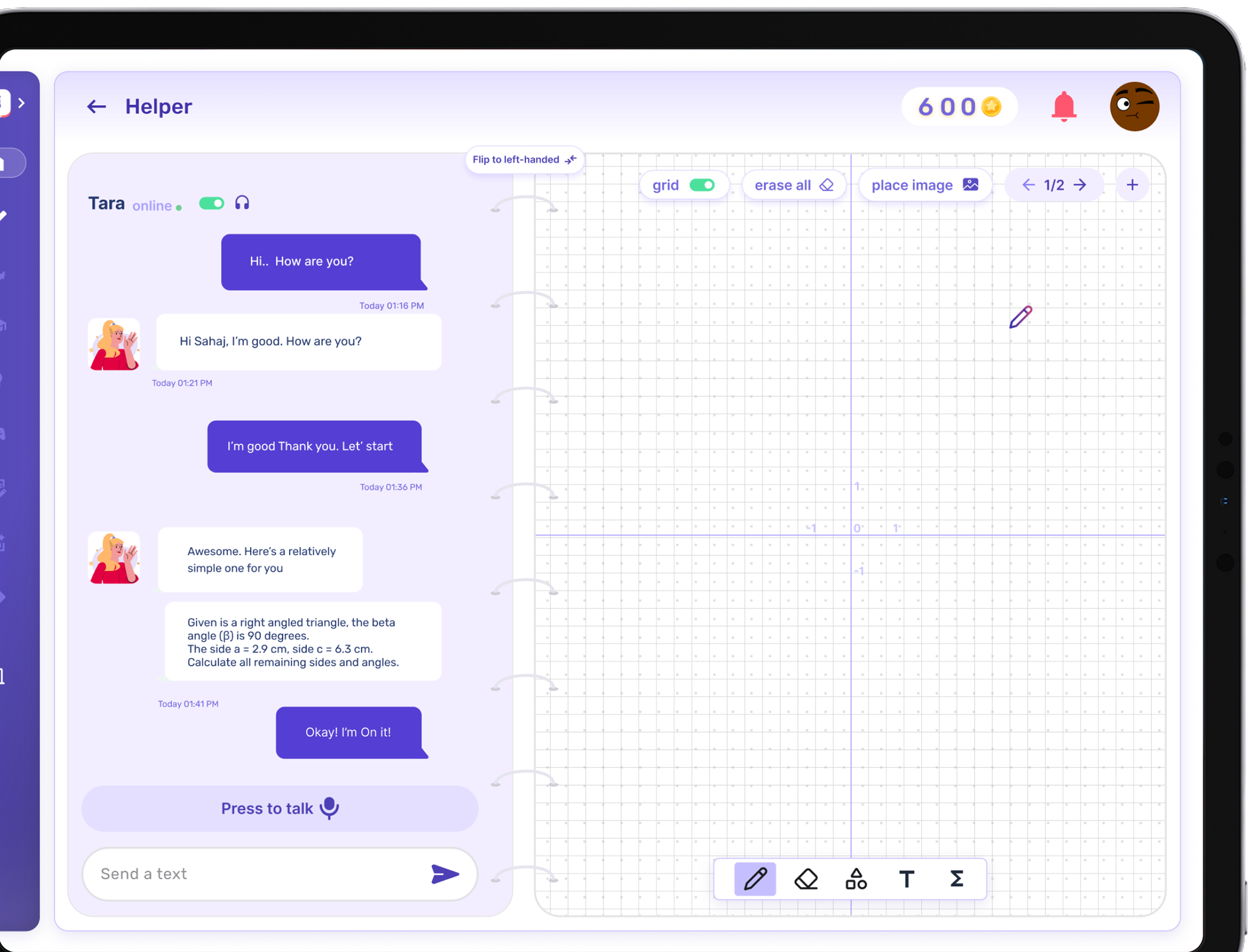
Case Study: Commute My Kids – Safety-Critical Student Transportation
Modern families face transportation challenges that standard taxi booking apps fail to address. Rideshare platforms aren’t designed for minors, school buses lack scheduling flexibility, and fragmented group messaging creates coordination chaos. Commute My Kids recognized these gaps and partnered with Chop Dawg to develop a purpose-built student transportation platform where safety, organization, and trusted driver networks form the foundation.
The platform supports multiple user roles with distinct requirements. Parents schedule rides with flexible modification capabilities, drivers accept trip requests through streamlined workflows, administrators manage fleet operations and driver vetting, and school officials monitor student transportation patterns—all coordinated through real-time scheduling and comprehensive safety protocols that standard taxi booking app development often overlooks.
Technical architecture demonstrates Chop Dawg’s taxi booking app development expertise:
Parent ride scheduling interfaces support both one-time and recurring trip patterns with calendar integration enabling advance planning for busy families. Driver trip acceptance workflows incorporate multi-step confirmation protocols ensuring accountability at every stage. Real-time status updates inform all stakeholders of pickup confirmations, en-route progress, and successful dropoff completion, eliminating the anxiety parents experience with traditional transportation coordination.
Security implementation prioritizes child safety through encrypted communication protocols, user-level access control preventing unauthorized data exposure, comprehensive driver vetting and verification systems, real-time GPS tracking visible to authorized parents, automated pickup/dropoff confirmation alerts, and secure in-app messaging eliminating the need for personal phone number exchanges between parents and drivers.
Development utilized agile methodology with weekly Zoom check-ins, real-time Slack communication, and JIRA project management, providing complete transparency. Chop Dawg implemented React Native applications ensuring cross-platform consistency while maintaining native performance for critical location services.
“We’re thoroughly impressed with Chop Dawg’s exceptional customer service. They’re incredibly attentive to our needs and promptly address all our questions. Chop Dawg has consistently delivered on time and within budget.” – Kali Fontaine, Founder & CEO of Commute My Kids
This project demonstrates Chop Dawg’s capabilities in multi-stakeholder coordination platforms, safety-critical transportation systems, real-time scheduling and dispatch logic, driver network management, trust-building security architectures, and regulatory-conscious development practices—all essential competencies for entrepreneurs building specialized taxi booking platforms.
Technical Capabilities
Chop Dawg’s tech stack emphasizes React Native for cross-platform development, reducing costs 30-40% compared to dual native builds. Backend technologies include Node.js for real-time applications, Python for route optimization, and Ruby on Rails for rapid API development.
Specialized implementations:
Medical Transport: HIPAA-compliant architecture, hospital scheduling integration, wheelchair accessibility routing, insurance billing, and emergency protocols.
Senior Services: Simplified UI with large touch targets, voice commands, caregiver booking, assisted boarding allowances, and driver training verification.
Women-Only Platforms: Panic buttons, live ride sharing with trusted contacts, comprehensive background checks, and community reporting.
Corporate Shuttles: Employee authentication, route optimization, carbon footprint tracking, automated invoicing, and fleet dashboards.
Security and Pricing
Security includes AES-256 encryption, PCI DSS Level 1 compliance, OAuth 2.0 authentication, multi-factor authentication, role-based access controls, and GDPR/CCPA compliance.
Investment ranges:
- MVP: $50,000-$100,000
- Full-featured app: $100,000-$200,000
- Enterprise platform: $200,000-$350,000+
Chop Dawg includes 30-day bug warranties and maintenance periods, with complimentary 45-minute consultations providing clear scope and budgets.
Best For: Entrepreneurs building specialized taxi booking apps requiring proven transportation expertise, transparent pricing, and complex regulatory requirements.
2. Appicial Applications—Rapid White-Label Deployment
Appicial Applications offers white-label taxi booking app solutions with 7-day deployment timelines. The pre-built platform includes multi-language support (30+ languages), multi-currency processing, and infrastructure across 30+ countries.
Rapid deployment leverages pre-built components, enabling existing taxi operators to transition digital operations within weeks. Solutions include corporate shuttle logistics, airport transfers, and event transportation.
Best For: Existing fleets transitioning digitally, entrepreneurs seeking fast market entry, and multi-city operators. Less suitable for custom features beyond templates.
3. Hyperlocal Cloud—Traditional Taxi Modernization
Hyperlocal Cloud specializes in helping traditional taxi companies transition to app-based dispatch while respecting legacy operations and medallion systems. The firm builds mobile layers atop existing dispatch software, enabling gradual adoption without disruption.
Best For: Established fleets with legacy operations, medallion owners modernizing acquisition, and dispatch companies requiring mobile capabilities.
4. Grepix Infotech—Vertical Specialization
Grepix Infotech provides tailored solutions for medical transport, luxury chauffeur services, corporate shuttles, and two-wheeler ride-hailing. Pre-built templates accelerate deployment for standard use cases.
Best For: Operators in established niches with standard requirements, organizations seeking proven templates, and companies prioritizing speed over differentiation.
5. TekRevol—Budget-Conscious MVP Development
TekRevol offers cost-effective taxi booking app development with pricing ranging $5,000-$25,000 for basic MVPs. The firm emphasizes efficient workflows and fundamental API integration covering essential ride-hailing requirements.
Development timelines span 2-3 months for MVPs. However, simplified architecture may require refactoring when scaling.
Best For: Bootstrap founders requiring proof-of-concept validation, regional pilots with minimal investment, and entrepreneurs seeking MVPs before fundraising.
Critical Selection Considerations for Taxi Booking App Development Companies
Real-Time GPS and Dispatch Architecture
Taxi booking apps require production-grade location tracking balancing GPS accuracy, battery efficiency, and real-time responsiveness. When evaluating taxi booking app development companies, examine their technical approach to location infrastructure.
WebSocket implementation enables live updates without battery-draining polling. Geospatial database optimization using PostGIS or MongoDB ensures efficient radius searches when matching nearby drivers. Mapping API integration with Google Maps, Mapbox, or HERE requires fallback strategies for service outages.
Route optimization algorithms must balance minimizing driver pickup time, reducing passenger wait times, and maintaining fleet efficiency. ETA calculation engines should incorporate real-time traffic and historical patterns for accurate arrival estimates that build user trust.
Ask potential partners about handling GPS accuracy issues in urban canyons, location spoofing prevention, and graceful degradation when location services become unavailable.
Multi-Sided Marketplace Complexity
Unlike single-audience applications, taxi booking platforms serve passengers, drivers, and administrators—each with unique interface requirements and data access needs.
Role-based access controls prevent data leakage between user types. Separate mobile applications require platform-appropriate UX—passengers need simplified booking, while drivers need efficient trip acceptance and navigation. Admin dashboards provide operational visibility for monitoring locations, resolving disputes, analyzing metrics, and managing promotions.
The “chicken-and-egg” problem challenges new platforms: passengers won’t use apps without drivers, while drivers won’t join without ride demand. Strategic launch planning addresses this through driver recruitment with sign-up bonuses, geographic concentration in specific neighborhoods before citywide expansion, and B2B anchor customers providing guaranteed driver utilization.
Evaluate whether taxi booking app development companies offer guidance on marketplace dynamics beyond technical scope. Partners who have launched transportation platforms understand that solving technical challenges represents only half the battle.
Payment Processing Architecture
Taxi booking apps require sophisticated payment architecture handling complex money flows. Passenger charges must support credit cards, debit cards, digital wallets, and cash. Driver payouts require automated settlement calculating platform commissions and processing bank transfers. Dynamic pricing demands real-time fare calculation based on demand patterns.
Subscription billing enables membership models and corporate accounts. Promotional credits require fraud prevention detecting abuse like multiple account creation.
Look for proven experience with Stripe, Braintree, or Square—including complete payment flows with failed payment handling, refund processing, dispute management, and financial reconciliation dashboards.
Security includes PCI DSS Level 1 compliance, card tokenization, and fraud detection identifying suspicious patterns. Partners should articulate handling edge cases: passengers with insufficient funds, drivers disputing fares, promotional abuse, and payment gateway downtime.
Niche-Specific Compliance and Safety Features
Specialized taxi booking app development requires understanding vertical-specific regulations.
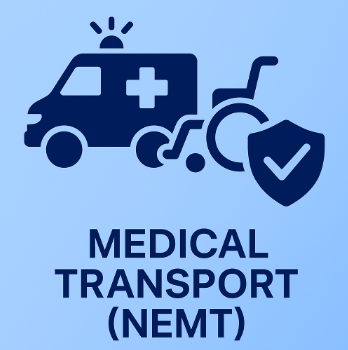
Medical transport (NEMT): HIPAA compliance with encrypted patient data, Business Associate Agreements, insurance billing integration, wheelchair accessibility routing, medical equipment protocols, driver medical training verification, and emergency hospital notification.
Senior services: Simplified UI with large buttons and high-contrast design, voice command integration, caregiver proxy booking, assisted boarding time allowances, fall detection with notifications, and driver patience training verification.
Women-only platforms: Panic buttons triggering emergency alerts, ride sharing with trusted contacts, comprehensive background checks with continuous monitoring, community reporting systems, and female driver recruitment programs.
Corporate shuttles: SSO authentication with corporate identity providers, route optimization for office locations, carbon footprint tracking for ESG reporting, automated invoicing with usage analytics, and HR system integration for employee verification.
Evaluate taxi booking app development companies on demonstrated experience with your niche’s regulations. Request case studies with compliance achievements and regulatory approval timelines rather than generic capability claims.
The Bottom Line for Taxi Booking App Dev Success
Selecting a taxi booking app development partner determines whether your platform handles real-time dispatching, integrates payment processing securely, scales during demand surges, and complies with transportation regulations across multiple jurisdictions.
Schedule a complimentary consultation with Chop Dawg to explore how strategic development partnership can deliver the dispatching efficiency, payment security, and regulatory compliance your taxi booking platform requires for competitive differentiation.”
Frequently Asked Questions
What timeline should founders expect for taxi booking app development?
Simple MVPs with core booking, GPS tracking, and payment processing complete in 3-4 months. Comprehensive niche platforms with passenger/driver apps, admin dashboards, advanced safety, and compliance frameworks require 5-7 months. Enterprise implementations with AI matching, dynamic pricing, and extensive integrations span 7-10 months.
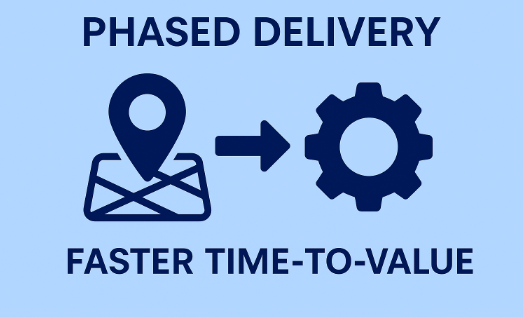
Phased delivery—launching MVPs in concentrated areas followed by feature expansion—provides faster time-to-value while accommodating driver recruitment and market validation.
How do taxi booking app development costs compare across niches?
Basic MVPs range $50,000-$75,000. Medical transport apps requiring HIPAA compliance cost $100,000-$200,000 (compliance adds 25-35%). Luxury services and corporate shuttles span $100,000-$250,000. Women-only services cost $75,000-$150,000, and senior apps range $80,000-$175,000.
Key cost factors include compliance requirements, integration complexity, safety features, admin capabilities, and AI/ML features. Budget 15-20% annually for maintenance, plus server infrastructure ($500-$5,000+ monthly) and payment processing fees (typically 2.9% + $0.30 per transaction).
Should founders build native apps or cross-platform solutions?
Cross-platform development with React Native or Flutter provides 75-85% code sharing, reducing costs 30-40% with 3-4 month faster time-to-market. Modern frameworks achieve near-native performance for 90% of taxi booking app features. Uber, Lyft, and numerous platforms use cross-platform approaches validating production readiness.
Recommended approach: Build core functionality with React Native for cost efficiency, then implement performance-critical features in native code as needed. This hybrid strategy balances velocity, cost, and quality.
What differentiates successful niche taxi booking apps from Uber?
Niche apps succeed through vertical specialization. Medical transport prioritizes HIPAA compliance, hospital integration, and insurance billing. Senior services emphasize accessibility UI and caregiver coordination. Women-only platforms focus on enhanced safety and driver verification.
Specialized compliance creates regulatory moats preventing horizontal platform entry. Purpose-built features create customer loyalty and switching costs. Specialized service justifies premium pricing—medical transport charges 2-3x standard rates, luxury services command 3-5x premiums. Niche positioning enables institutional partnerships with hospitals, senior facilities, and corporations providing customer acquisition channels.
How important is post-launch support for taxi booking apps?
Post-launch support proves critical given continuous evolution requirements. The immediate 30-60 days demands bug fixing based on real-world usage, performance optimization under traffic loads, and server capacity adjustments.
Ongoing maintenance includes OS updates (iOS/Android annual releases), third-party API updates, security patches, and infrastructure optimization. Feature development occurs quarterly. Major platform evolution happens annually.
Budget 15-20% of initial costs annually for maintenance, expecting to invest 50-100% of initial build costs over three years for competitive parity. Developers offering warranties, transparent SLAs, and flexible engagement models provide continuity essential for 24/7 transportation platforms.
What security requirements affect taxi booking app development?
Payment security requires PCI DSS Level 1 compliance, card tokenization, encrypted transmission, and fraud detection. Data privacy requires GDPR compliance (data portability, right to deletion) and CCPA compliance. Transportation regulations include commercial insurance compliance, driver licensing verification, background checks, and ADA accessibility.
Medical transport requires HIPAA with Business Associate Agreements. Child transportation demands enhanced background checks and safety training. Identity verification requires KYC processes, driver verification, and continuous monitoring.
Security incidents cause severe reputational damage—partner with taxi booking app development companies demonstrating expertise through certifications (ISO 27001, SOC 2 Type II) and penetration testing practices.
How can founders validate taxi booking app ideas before development?
Landing page testing: Create websites describing your platform, target paid ads, measure conversion rates. Investment: $2,000-$5,000 (4-6 weeks).
Concierge MVP: Manually deliver service through phone/spreadsheets, validating business model viability. Investment: Time primarily (0-3 months).
Prototype testing: Build clickable prototypes, conduct usability testing, gather feedback. Investment: $10,000-$25,000 (6-8 weeks).
Pilot launch: Develop simplified MVP, launch in single neighborhood, measure metrics. Investment: $50,000-$100,000 (3-4 months).
Validation metrics: 1-3% signup conversion, 60%+ booking completion, 20%+ monthly retention, positive organic growth, and sustainable customer acquisition costs.
What metrics indicate successful taxi booking app implementations?
Adoption metrics include monthly active passengers/drivers, registration rates, geographic coverage, and market penetration. Utilization metrics include rides per passenger monthly, driver hours weekly, and rides per driver hourly.
Transaction metrics include gross merchandise value, average transaction size, volume growth, and revenue per transaction. Marketplace health metrics include request-to-acceptance time (<90 seconds target), cancellation rates (<5% passenger, <3% driver), and booking completion (>92% target).
Financial metrics include customer acquisition cost, lifetime value, LTV:CAC ratios (target 3:1+), contribution margin, and profitability path. Niche-specific metrics: medical transport tracks on-time arrivals; senior services measure caregiver satisfaction; women-only platforms monitor safety incidents; corporate shuttles track carbon reductions.
Monitor cohort retention (users active after 3, 6, 12 months) indicating sustainable growth. Successful taxi booking apps show improving retention as product improvements compound and network effects strengthen.




 15 Min