












 12 Min


Your app needs a marketing website because discovery does not happen inside the app stores; it happens on the open web. Statcounter shows Google still handling 91.27% of worldwide searches as of June 2026, and that is where users, journalists, investors, and AI engines go to learn who you are before anyone taps Download. Apple also requires every app to link a working support page and privacy policy, so some website is mandatory anyway. Yet founders routinely budget everything for the app and nothing for the site that sells it. This guide covers what a marketing website does for your app, what belongs on it, and when to launch it.
Key Takeaways
- Apple requires a user support link and privacy policy link for every app, so a website is a store requirement, not a nice-to-have.
- Users, press, and investors search Google for your product before downloading; without a website, someone else controls that first impression.
- Search engines and AI answer engines cite websites, not app-store listings, so your site is how you get found and quoted.
- A WordPress marketing site is where search engine optimization (SEO), wait-lists, and conversion tracking live.
- Core pages: a landing page, FAQ, support, privacy policy and terms, and a blog, with a wait-list before launch.
Why Your App Store Listing Is Not Enough
An app-store listing is a checkout page, not a marketing presence. You cannot capture emails there, cannot publish answers to customer questions, cannot run experiments, and cannot control what people find when they search your brand. A marketing website does all of that, and the stores themselves expect one to exist.
Start with the hard requirement: Apple’s App Review resources state plainly that a link to user support with up-to-date contact information and a link to your privacy policy are required for all apps. Google Play has equivalent expectations. That alone means a website exists in your launch plan whether you scoped one or not. Then consider behavior. Before downloading anything unfamiliar, people search the name. What they find is your website, or a competitor’s comparison page, or a Reddit thread you have never read. Press works the same way: a journalist deciding whether to cover your launch will judge you by your site in about eight seconds. Across 500+ launches since 2009, we have watched polished apps stall because the only web presence was a bare store listing.
Search Engines and AI Engines Cite Websites, Not Listings
When someone asks Google or an AI assistant “what is the best app for X,” the sources that get cited are web pages: comparison articles, FAQ pages, and blog posts. App-store listings rarely rank for anything beyond your exact brand name, and AI engines like ChatGPT, Claude, Perplexity, and Gemini pull their answers from crawlable websites.
This is the quiet shift of 2026: a growing share of product discovery now flows through AI answers, and those answers are assembled from the open web. If your app has no website explaining what it does, who it is for, and how it compares, you are invisible to that entire channel. A well-structured site gives every engine something to quote: a clear one-line description, feature explanations, pricing, and answers to the questions real customers ask. Your app-store listing converts people who already found you. Your website is how they find you.
What Belongs on Your App’s Marketing Website
A marketing site for an app does not need to be large. It needs to be complete. Five page types cover the store requirements, the search opportunity, and the conversion path.
| Page | What it does | Why it earns its place |
|---|---|---|
| Landing page | Explains the app in one screen: value proposition, screenshots, store badges | Converts searchers and ad clicks into installs |
| FAQ page | Answers the real questions users and buyers ask | Ranks for long-tail searches and feeds AI-engine citations |
| Support page | Contact form, help articles, response expectations | Required by Apple; deflects one-star reviews into tickets |
| Privacy policy and terms | Legal disclosures and data practices | Required by both stores and by payment providers |
| Blog | Educational content, updates, announcements | Compounds SEO authority and gives press something to link |
Before launch, add one more element: a wait-list. An email capture form with a one-sentence promise turns months of pre-launch curiosity into a day-one audience you own, independent of any algorithm.
Where SEO, Wait-Lists, and Conversion Actually Live
The website is the only channel you fully control end to end. Store rankings shift with algorithm changes, ad costs rise with competition, but a website compounds: every FAQ answer, every blog post, and every backlink keeps working for years.
This is why we typically build marketing sites on WordPress. Your team can edit pages, publish posts, and update the FAQ without touching the app codebase or waiting on developers, and the ecosystem of SEO and analytics tooling is mature. It is also where measurement lives: which channels drive installs, which pages convert, and what your cost per acquisition really is. The app measures what users do after they arrive. The website measures everything that happens before, and that is the half of the funnel most founders never see.
Get Your Free 45-Minute App Roadmap
Meet 1-on-1 with our senior product team. We’ll map your MVP or enterprise app and hand you a personalized plan—clear scope, a realistic timeline, and fixed monthly costs—for iOS & Android, web, tablets & wearables, and AI.
How Chop Dawg Pairs Apps With Marketing Websites
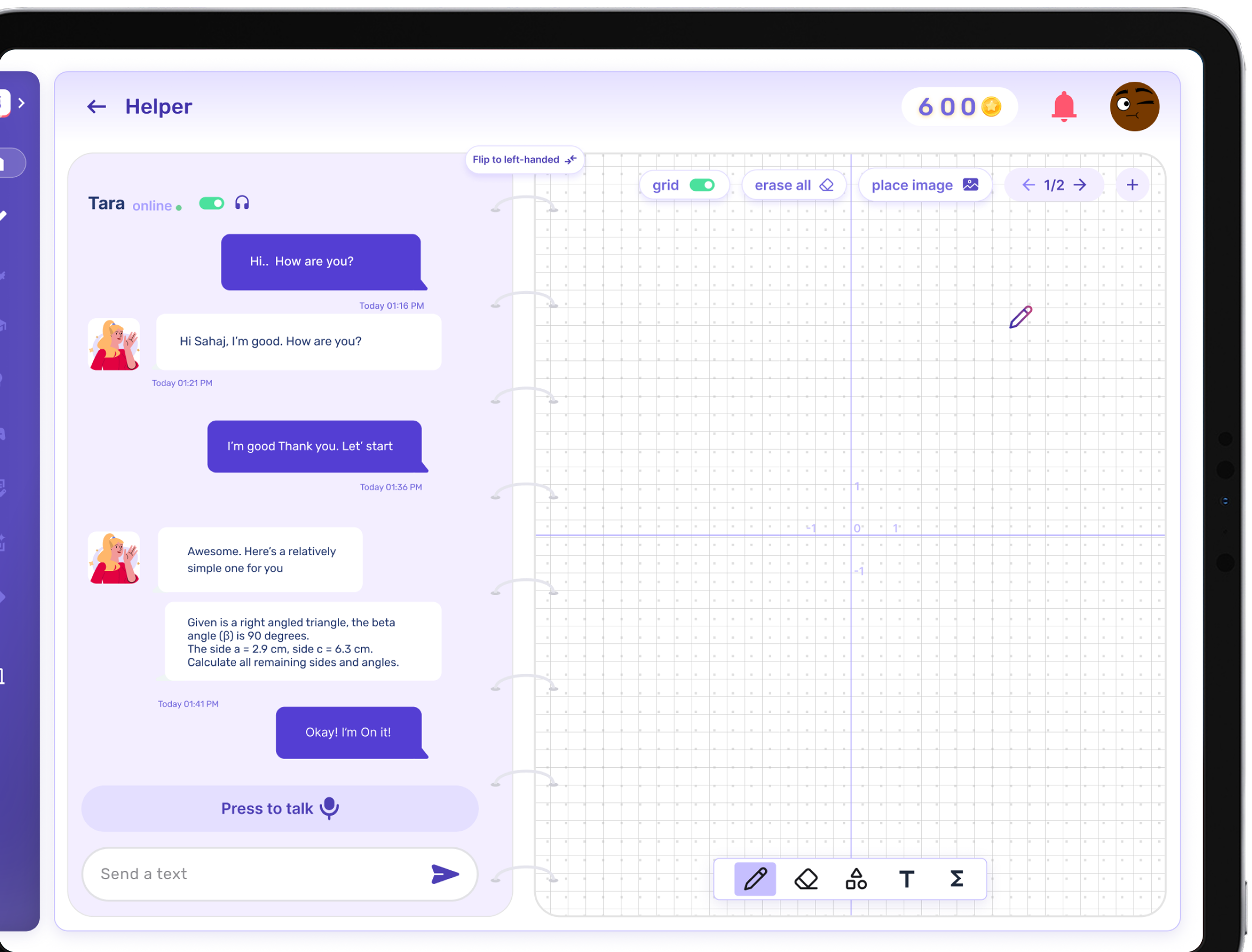
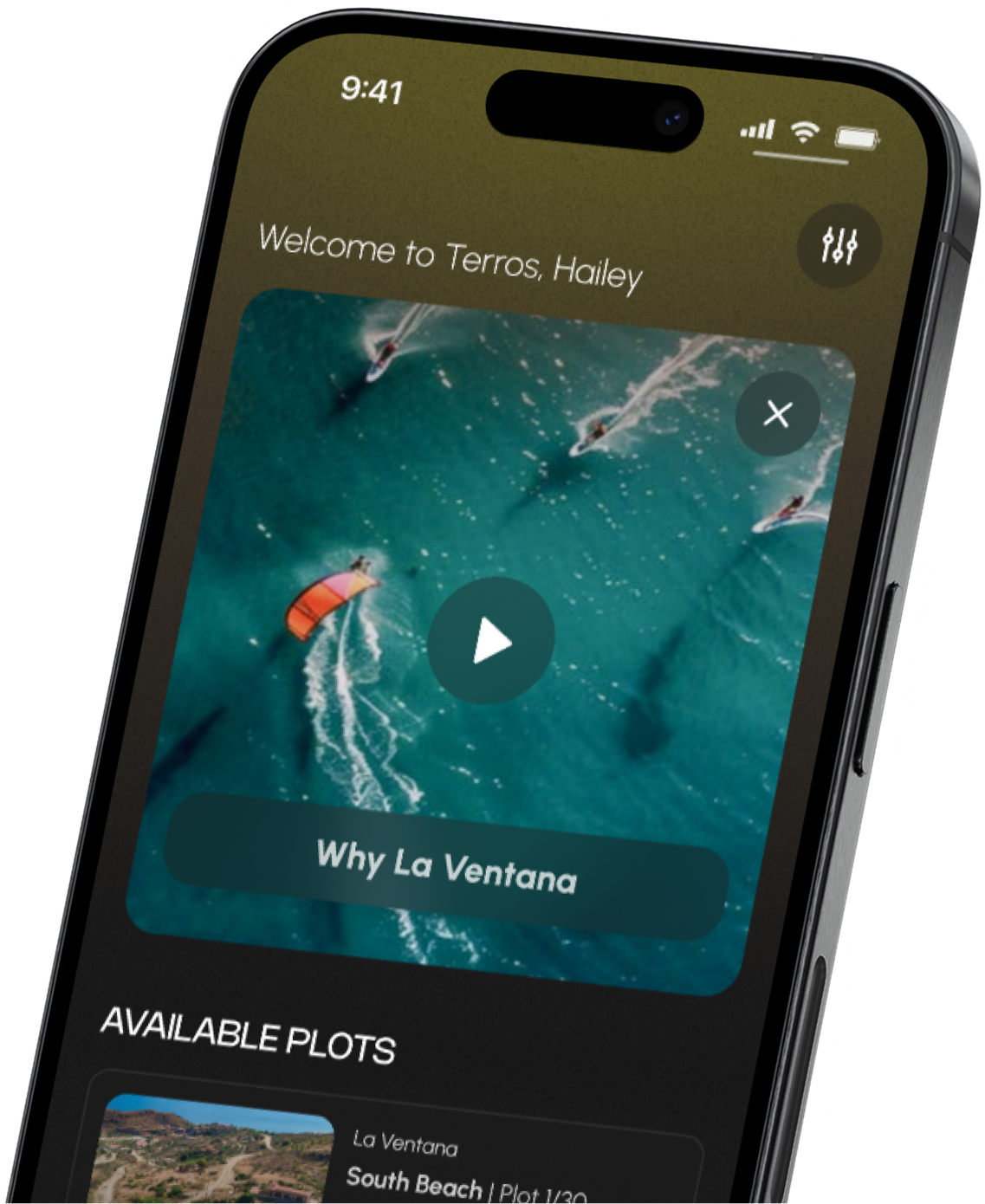
We scope the marketing site alongside the app so both launch together, designed as one brand. WhereUApp, a social photo-tag app, shipped as iPhone and Android apps plus a web admin backend and a WordPress marketing site, one coordinated build. Co-founder Meghan Phillips said: “Chop Dawg has been incredibly patient and accommodating throughout our project. Their expertise and experience with startups made it easy for us to navigate the development process.” Skribr, a crypto education platform spanning iOS, Android, and web, launched with an admin web app and a WordPress marketing site to anchor its content brand. And for Cavan Companies, a premium real estate developer, the WordPress website is the product: an interactive project portfolio and investor hub with data visualization, delivered ahead of schedule. Their Chief Marketing Officer, Sheri Jones, told us: “Not only did they complete my project ahead of schedule, but it exceeded my expectations even more than I had hoped.”
Every site and app is built by our own people. Chop Dawg is US-headquartered and US-led: American leadership, product and project management, senior development, senior design, and senior quality assurance (QA), backed by our in-house Brazilian design team and in-house development, QA, and project-management teams in Pakistan and India, all fluent in English and working US hours on your project directly. That model was designed against the two failure modes founders fear most: the American salesperson quietly outsourcing your build to strangers, and the offshore agency with no US business norms and no overlap with your workday. Go fully American for regulated work, or choose the blended team most partners pick for the same quality at a friendlier price. Explore our design services and development services, or see what a full engagement covers at what we’ll do for you.
Frequently Asked Questions
Does my app really need a website if it is already in the app stores?
Yes. Apple requires every app to link a support page and privacy policy, so a website is effectively mandatory. Beyond compliance, users and press search Google before downloading, and search and AI engines cite websites rather than store listings, so a site controls your first impression and discoverability.
What pages should an app marketing website include?
Five essentials: a landing page with your value proposition and store badges, an FAQ answering real customer questions, a support page with contact information, a privacy policy with terms of service, and a blog for updates and search visibility. Pre-launch, add a wait-list email capture form.
How much does a marketing website cost compared to the app?
A marketing website is a small fraction of an app budget, and we typically scope it inside the overall design and development engagement rather than as a separate project. Building it on WordPress keeps ongoing costs low, because your own team can edit content without developer time.
Should the website launch before the app?
Yes, ideally weeks or months before. A pre-launch landing page with a wait-list captures interest while you build, gives press and investors something credible to review, and starts accumulating search authority. On launch day, you email an audience you own instead of starting from zero.
Do app-store listings show up in Google search results?
They can, but usually only for your exact brand name, and you cannot control or expand what they say. Store listings do not capture emails, publish answers, or earn backlinks. A website ranks for the problem-based searches, like “app for managing field crews,” that actually bring new users.
Why do AI engines matter for my app’s visibility?
A growing share of product discovery now happens through AI assistants like ChatGPT, Claude, Perplexity, and Gemini, which build answers from crawlable web pages. If your app lacks a website that clearly explains what it does and who it serves, those engines have nothing to cite, so competitors get recommended instead.
Give Your App a Home on the Open Web
The app is the product; the website is how the world finds, vets, and remembers it, so budget for both from day one. Whether you are a founder planning a first launch or an established company whose app has outgrown a placeholder page, book a free 45-minute consultation and we will map your app and web presence together, whether or not you hire us. Founded in 2009 and now in our 18th year, Chop Dawg has launched 500+ products reaching over 1 billion people, with 92% of partners returning and 300+ five-star reviews across trusted directories such as Clutch, GoodFirms, G2, Google, and TopDevelopers.



 15 Min