
















 12 Min


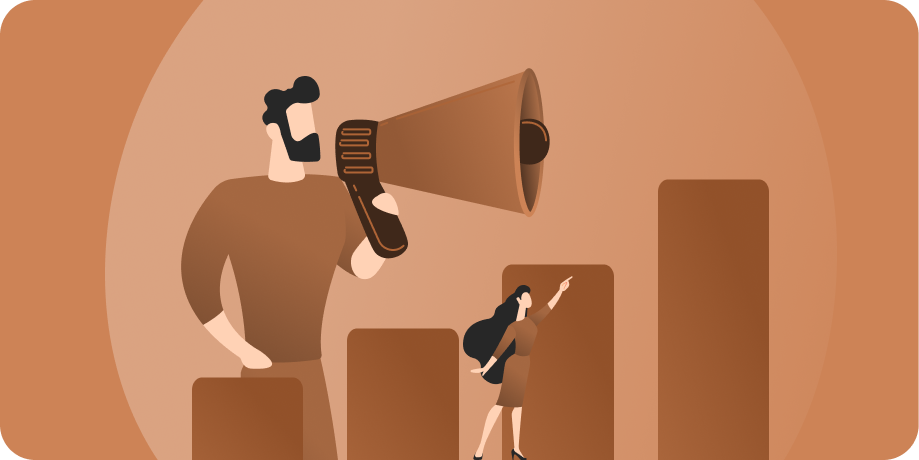
Building a great app is only half the equation. The other half is getting it in front of people, charging the right price, and distributing it where your users already are. Founders who believe a brilliant product sells itself are the ones most often blindsided after launch. The numbers are unforgiving: roughly 78% of apps published in 2026 never reach even 1,000 downloads, according to Business of Apps, and most of them are not bad apps, they are invisible ones. As the old investing line goes, bet on the jockey, not the horse: execution and go-to-market beat raw product every time. This guide lays out what marketing, pricing, and distribution actually demand, so you launch with eyes open.
Key Takeaways
- A great app is half the equation; marketing, pricing, and distribution are the other half.
- “Bet on the jockey, not the horse”: how you execute and sell often matters more than the product itself.
- Most apps fail from invisibility, not bad code; discovery is a real, fundable problem.
- Pricing is a strategic lever, not an afterthought; the wrong price quietly kills good products.
- Distribution means meeting users where they already are, not waiting for them to find you.
The Myth of “If You Build It, They Will Come”
The single most expensive belief in startups is that a great product markets itself. It does not. The app stores hold millions of apps, and being one of them guarantees nothing. A wonderful app nobody can find is, commercially, the same as no app at all.
This is the honest truth a real partner owes you before you spend a cent on development. We would rather set expectations correctly now than watch a great build launch into silence. The work of getting users, charging correctly, and reaching the right channels is not a bolt-on at the end; it is a core part of the business you are building, and it deserves planning from the start.
Bet on the Jockey, Not the Horse
Investors have a saying: they would rather back a great team with an average idea than an average team with a great idea. The reasoning is that execution, the jockey, determines outcomes more than the raw product, the horse. A strong founder will market relentlessly, price intelligently, learn from the market, and find distribution. A weak one will build something lovely and wonder why no one came.
For founders, the lesson is direct: your edge is not just the app, it is how you take it to market. Plenty of mediocre products win because their teams out-execute on marketing and distribution, while superior products die in obscurity. Treat go-to-market as a discipline equal to product, and you join the minority that actually breaks through. That mindset is woven through our product strategy and growth guidance, because shipping is the start of the work, not the end.
Marketing: Earning Attention Before and After Launch
Marketing is not something you switch on the week you launch. The founders who get traction start building an audience while the app is still in design, through a waitlist, a content presence, early-adopter conversations, and a clear story about the problem they solve. By launch day, they already have people waiting.
Discovery Is the Real Battle
App store discovery has gotten harder, not easier. Founders consistently report that simply being listed, or even briefly featured, no longer drives meaningful downloads on its own. You need a deliberate plan: app store optimization, a reason for people to talk about your app, and channels that send a steady flow of the right users. The 78% of apps that never crack 1,000 downloads largely lost this battle by never planning for it. Marketing is how you make sure your great app is also a found app. Word of mouth is part of that plan, too: we built GarGar around authentic recommendations between people who trust each other, a reminder that the most durable discovery often comes from users bringing other users, not from ad spend alone.
Get Your Free 45-Minute App Roadmap
Meet 1-on-1 with our senior product team. We’ll map your MVP or enterprise app and hand you a personalized plan—clear scope, a realistic timeline, and fixed monthly costs—for iOS & Android, web, tablets & wearables, and AI.
Pricing: A Strategic Lever, Not a Guess
Pricing is one of the most underestimated decisions a founder makes. Set it too low and you leave revenue on the table while signaling low value. Set it too high without justification and you choke adoption. The wrong price can quietly kill a product that users would otherwise love, and many founders never realize pricing was the culprit.
Treat pricing as an experiment, not a one-time decision. Test models, free trial versus freemium versus paid upfront, and watch what your validated users actually do. Tie price to the value you deliver and to how your users already think about paying for solutions like yours. We saw this play out with Mangia Rewards, a premium dining membership built around a clear subscription model with free trials and partner-distributed codes; the monetization strategy was designed deliberately, not tacked on, which is exactly how pricing should be approached.
Distribution: Meet Users Where They Already Are
Distribution is the question of how your app actually reaches the people who need it. The mistake is passive distribution, publishing to the stores and hoping. Strong distribution is active: you identify where your target users already spend time, the communities, platforms, partners, and channels, and you go there.
Partnerships are a powerful and underused distribution lever. The right partner can put your app in front of a relevant audience instantly, far faster than building that audience yourself. Mangia Rewards, for instance, used luxury brand partners to distribute membership codes directly to a spend-ready audience. The principle generalizes: ask not only “is my app good?” but “who already has my users, and how do I reach them through that channel?” Distribution strategy belongs in your plan from the beginning, which is why we fold it into strategic planning rather than leaving it for after launch.
How the Three Fit Together
Marketing, pricing, and distribution are not separate chores; they are one connected go-to-market system. Marketing earns attention, distribution delivers your app to the right people, and pricing converts that attention into revenue at a value users accept. Weakness in any one undermines the others. Great marketing into bad distribution wastes spend. Perfect distribution at the wrong price stalls revenue. The founders who win design all three together, alongside the product, not after it. That is the difference between a great app and a great business, and it is the honest conversation we believe every founder deserves before building. You will see the pattern across our success stories: the products that thrived treated go-to-market as seriously as the build itself.
Frequently Asked Questions
Why isn’t a great app enough to succeed?
Because a great app nobody can find earns nothing. With millions of apps available and roughly 78% never reaching 1,000 downloads, visibility is not automatic. Marketing, pricing, and distribution are what turn a strong product into a real business. Building well is half the equation; getting it to users and charging correctly is the other half.
What does “bet on the jockey, not the horse” mean for founders?
It means execution usually matters more than the raw idea. Investors prefer a strong team with an average idea over an average team with a great idea, because a strong founder markets, prices, and distributes relentlessly. For you, the lesson is that how you take your app to market is as much your edge as the app itself.
When should I start marketing my app?
Long before launch. The founders who gain traction build an audience during design through a waitlist, content, and early-adopter conversations, so people are waiting on launch day. Marketing is not a switch you flip at release; it is an ongoing discipline that should run in parallel with building the product.
How should I price my app?
Treat pricing as a strategic experiment tied to the value you deliver, not a one-time guess. Test models like free trial, freemium, and paid upfront, and watch what your validated users actually do. Price too low and you signal low value; too high without justification and you choke adoption. The right price often makes or breaks a good product.
What is the best way to distribute my app?
Actively reach users where they already are rather than waiting for them to find you in the stores. Identify the communities, platforms, and partners your target users already use, and go there. Partnerships are especially powerful, since the right partner can put your app in front of a relevant audience far faster than building that audience yourself.
Can a development partner help with marketing and distribution?
A good partner helps you plan go-to-market from the start and sets honest expectations about what launch really requires. Chop Dawg’s teams include marketing alongside design and engineering, and our planning work folds pricing and distribution into the strategy rather than leaving them for after launch, so the build and the business are aligned.
Build a Great App and a Great Business
The hardest truth in app development is that the build is the beginning, not the finish line. Marketing, pricing, and distribution decide whether your great app becomes a great business or another invisible listing. We would rather tell you that honestly up front than let you learn it the expensive way after launch. Since 2009, Chop Dawg has helped found and scale more than 500 products, with 92% of partners returning and 300+ five-star reviews across trusted directories like Clutch, GoodFirms, G2, Google, and TopDevelopers. We are a United States-headquartered and United States-led team, with senior American product, marketing, design, and engineering leadership in-house, plus an in-house Brazilian design team and in-house development, quality assurance (QA), and project-management teams in Pakistan and India. Every one of them is in-house Chop Dawg staff assigned directly, never a subcontractor or middleman. We plan for go-to-market, not just the code, for both first-time founders launching something new and established companies bringing a new product to market. Keep a fully-American team for regulated work or choose a cost-effective United States-plus-offshore blend at the same quality and timelines, and you always reach the real senior people instead of a salesperson fronting faceless developers. Book a free 45-minute consultation, bring your idea, and we will help you scope an honest minimum viable product and think through how you will market, price, and distribute it.


 15 Min