













 11 Min

Before you talk to an app developer, have five things ready: a clear write-up of your idea, your non-negotiable feature list, a rough budget, a few examples of apps you admire, and your timeline. This pre-engagement homework turns a vague first call into a productive working session and gets you a far more accurate plan. It also protects your budget, because unclear requirements are the leading cause of trouble: PMI’s Pulse of the Profession research found that 47% of unsuccessful projects miss their goals due to inaccurate requirements management. Walk in prepared and you set the whole project up to succeed. This guide covers exactly what to bring and why each piece matters.
Key Takeaways
- Prepare five things: your idea write-up, must-have features, a rough budget, example apps, and a timeline.
- A clear idea write-up lets a developer understand your goal in minutes, not meetings.
- Separating must-haves from nice-to-haves keeps the first version focused and the quote accurate.
- A rough budget is not a weakness; it helps a good partner scope a realistic plan.
- Doing this homework makes the first conversation productive and the resulting estimate far tighter.
The Five Things to Bring
You do not need a finished specification to talk to a developer, but the more of these you bring, the more you get out of the conversation. Each piece answers a question a good developer will ask anyway, so preparing them in advance saves rounds of back-and-forth.
1. A Clear Write-Up of Your Idea
Write a page that explains the problem you are solving, who has that problem, and what your app does about it. Keep it in plain language. The goal is that a developer reads it once and understands your vision, instead of pulling it out of you over several calls. This single document does more to focus a first conversation than anything else you bring.
2. Your Non-Negotiable Feature List
List the features your app cannot launch without, and keep it honest. Be ready to separate these must-haves from the nice-to-haves you would love eventually. This distinction is what lets a developer scope a focused first version and quote it accurately, rather than pricing a sprawling wish list you do not actually need on day one.
3. A Rough Budget
You do not need an exact figure, but you need a range. A budget tells a good partner what is realistic and lets them propose a plan that fits, rather than guessing and over- or under-scoping. Withholding it does not get you a better deal; it gets you a vaguer one. If you are unsure what is reasonable, our app development pricing guide gives you a grounded starting point.
4. Examples You Admire
Gather a few apps you love, and note exactly what you love about each. Maybe it is one app’s onboarding, another’s clean checkout, a third’s overall feel. Concrete references communicate taste and intent far faster than adjectives. “Like this screen, but for our use case” is worth a thousand words of description in a first meeting.
5. Your Timeline
Know when you want to launch and why. A funding milestone, a seasonal window, or an event gives a developer the context to plan realistically and to flag when a date is too aggressive. A trustworthy partner will push back on an impossible timeline rather than promise it, so bring the real one and the reason behind it.
Readiness Checklist
Run through this before your first call. The more boxes you check, the more productive the conversation and the tighter the plan you walk away with.
| What to Prepare | What It Should Cover | Ready? |
|---|---|---|
| Idea write-up | The problem, who has it, and what your app does | ☐ |
| Must-have features | What the app cannot launch without | ☐ |
| Nice-to-haves | Features you want eventually, kept separate | ☐ |
| Rough budget | A realistic range, even a broad one | ☐ |
| Example apps | A few you admire, with what you like noted | ☐ |
| Timeline | Your target launch and the reason behind it | ☐ |
| Platforms | iOS, Android, web, or a combination | ☐ |
| Questions for them | What you want to learn about the partner | ☐ |
For the questions worth asking on the other side of the table, see our guide to the questions to ask an app development agency and our overview of strategic planning.
Get Your Free 45-Minute App Roadmap
Meet 1-on-1 with our senior product team. We’ll map your MVP or enterprise app and hand you a personalized plan—clear scope, a realistic timeline, and fixed monthly costs—for iOS & Android, web, tablets & wearables, and AI.
Why This Homework Pays Off
When you arrive prepared, the first conversation stops being a fishing expedition and becomes real planning. The developer spends the time advising you on approach and trade-offs instead of extracting basic facts, and the estimate you receive reflects your actual project rather than a hopeful guess. Preparation is the cheapest way to get a more accurate plan.
It also tells you something about the partner. A good one will engage deeply with your write-up, challenge your assumptions where it helps, and turn your inputs into a clear scope and timeline. If a developer is not curious about your problem and your users, that is a signal worth noting before you commit.
How Chop Dawg Uses Your First Conversation
We are Chop Dawg, a United States-headquartered and United States-led app development partner founded in 2009, and our first conversation is a free 45-minute strategy call built to make your preparation count. American product, project management, and senior design, development, and quality-assurance leadership work alongside our in-house Brazilian design team and in-house development and QA teams in Pakistan and India, everyone in-house and assigned directly to you, so there is no middleman fronting hidden subcontractors and no faceless overseas shop. Choose a fully-American team for government or regulated work, or a cost-effective United States-plus-offshore blend at the same quality and timelines. Organizations that have trusted Chop Dawg include Siemens, Hilton, NASA, the NFL, and Jefferson Health, alongside hundreds of startups and founders launching a first idea. Bring your idea, your must-haves, your budget range, your examples, and your timeline, and we turn them into the most thorough proposal in the industry: a clear scope, a realistic timeline, and a fixed-monthly budget rather than a vague range that creeps upward.
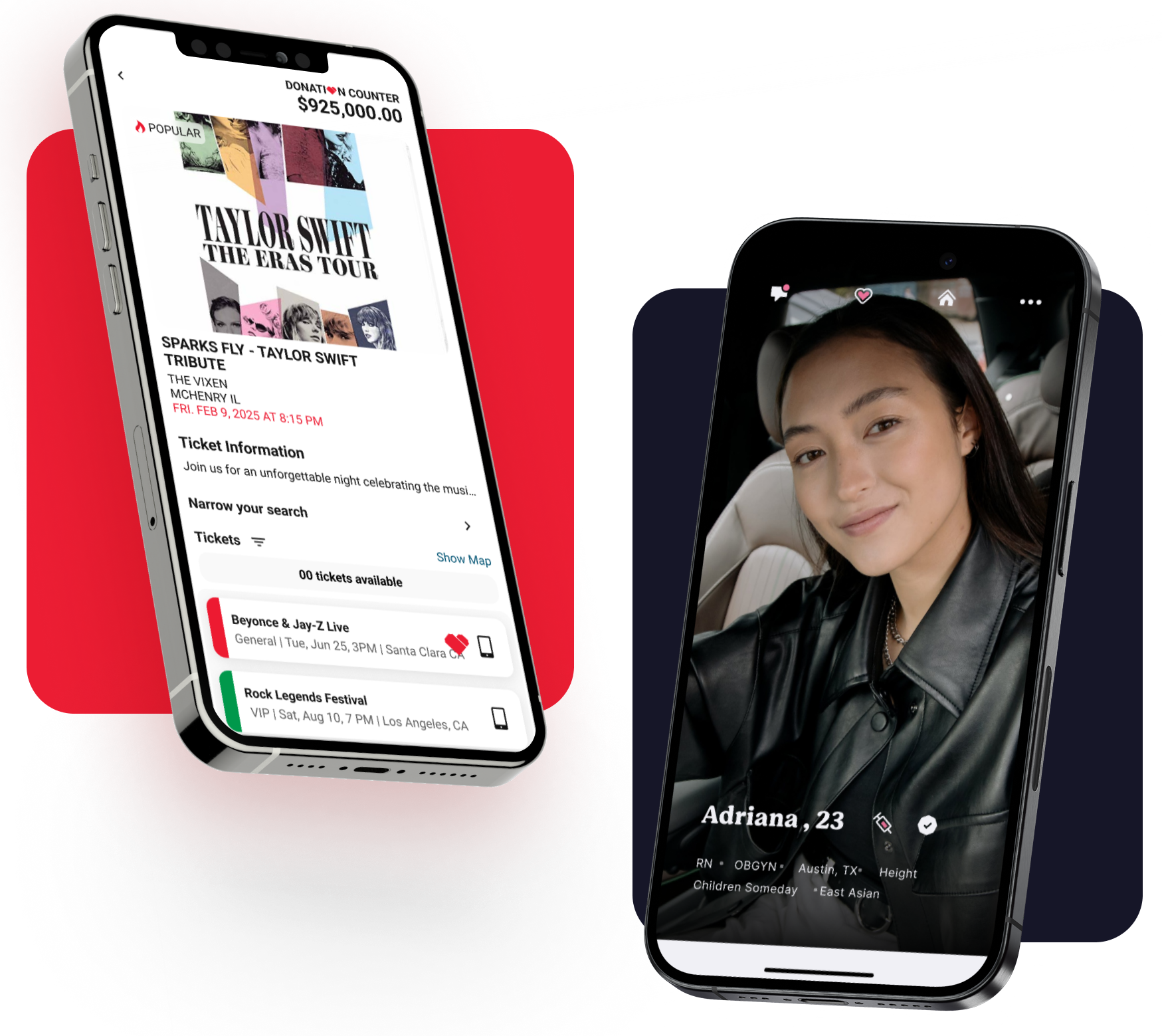
Since 2009 we have launched more than 500 products reaching over 1 billion users, with a 92% partner retention rate and 300+ five-star reviews across trusted directories like Clutch and GoodFirms. You own everything we build, and you can end anytime. See how a clear vision and detailed scoping brought the SeekQ social and dating platform to life, where mapping every feature up front kept the build focused, then review how the engagement unfolds in our proven process.
Frequently Asked Questions
Do I need a finished spec before I reach out?
No. A finished specification is the developer’s job to help build. You need a clear idea write-up, your must-have features, a budget range, examples, and a timeline. Those inputs are enough to make the first conversation productive, and a good partner turns them into a detailed scope with you.
What if I do not know my budget?
Bring a range, even a wide one, based on what you can realistically invest. You do not need a precise figure. A range lets a good partner propose a plan that fits and flag trade-offs early. If you are unsure what is reasonable, a pricing guide or a first call can ground your expectations.
Why do example apps matter so much?
Because taste is hard to describe in words and easy to show. Pointing to an app you admire and naming what you like, the onboarding, the checkout, the overall feel, communicates intent instantly. Concrete references prevent the misunderstandings that come from vague adjectives like “clean” or “modern” that mean different things to everyone.
Should I separate must-haves from nice-to-haves before the call?
Yes. This separation is one of the most valuable things you can prepare. It lets a developer scope a focused first version and quote it accurately, instead of pricing everything at once. It also forces you to clarify what truly matters for launch versus what can wait for a later version.
How do I know if a developer is the right fit?
Watch how they engage with your preparation. A strong partner digs into your problem, asks about your users, challenges weak assumptions, and turns your inputs into a clear plan. Indifference to your goals, or a quote with no questions asked, is a warning sign worth taking seriously before you commit.
What should I expect to walk away with?
From a good first conversation, expect a shared understanding of your goal, honest input on scope and timeline, and a clear sense of next steps. With a thorough partner, you should receive a detailed proposal covering scope, timeline, and a transparent budget, so you can make your decision with real information.
Come Prepared, Leave With a Plan
Whether you are a startup with a brand-new idea or an established company planning the next build for an existing product, if you have done the homework, or just want help pulling it together, we would love to talk. Book a free 45-minute consultation, and we will turn your idea, features, budget, and timeline into a clear, fixed-monthly plan, with no obligation. Learn more about what we will do for you or browse our success stories before you reach out.

 15 Min