


















 14 Min



What makes an app idea fundable comes down to six things investors check in roughly this order: a painful problem, a big market attacked through a narrow wedge, moat potential, founder-market fit, early traction signals, and a demo they can touch. The bar is rising because capital is concentrating: global venture funding reached $469 billion in 2025 while deal count fell 17% to 29,501, according to CB Insights, which means bigger checks are flowing to fewer, better-prepared founders. The good news is that every one of the six signals can be demonstrated before you write production code. Here is the investor lens, item by item, and the prototype move that turns a pitch into proof.
Key Takeaways
- Investors fund painful problems with urgent buyers, not clever features in search of a user.
- A big market only counts with a believable wedge: the narrow first segment you can actually win.
- Founder-market fit and early traction signals (waitlists, pilots, letters of intent) substitute for revenue at the idea stage.
- A clickable, non-functional prototype (NFP) beats a deck alone because investors judge what they can touch.
- Plenty of excellent app businesses are not venture-scale, and bootstrapping or angel capital is a legitimate path, not a consolation prize.
What Makes an App Idea Fundable: Six Signals, One Table
Investors evaluate idea-stage concepts on signals, because there is no revenue history to analyze. Six recur in nearly every partner meeting. The table shows each one and how to demonstrate it before you have a product.
| Signal | What investors ask | How to show it at idea stage |
|---|---|---|
| Painful problem | Do people urgently need this solved? | 15 to 20 interview quotes, evidence of money or hours spent on workarounds |
| Market plus wedge | Is the prize big, and is the entry point winnable? | Bottom-up sizing (price times reachable buyers) with a named first segment |
| Moat potential | What compounds: network effects, data, switching costs, brand? | A credible one-paragraph moat thesis tied to the product design |
| Founder-market fit | Why are you the one to win this market? | Lived experience, industry access, audience, or distribution the average founder lacks |
| Early traction | Has anyone voted with behavior? | Waitlist conversions, pilot commitments, letters of intent, pre-orders |
| Touchable demo | Can I feel the product in ten seconds? | A clickable, non-functional prototype (NFP) walking the core user journey |
A Painful Problem Beats a Clever Feature
Fundable ideas start with pain that users already spend money or hours trying to escape. Investors call these “painkillers” as opposed to “vitamins,” and they check by asking what the target user does today. If your interviews surface spreadsheets, agencies, duct-taped tools, or fees paid grudgingly, you have evidence. If the honest answer is “nothing, but they would love it,” expect polite passes. Bring exact quotes from problem interviews to every pitch; a founder quoting real users sounds categorically different from a founder quoting a market report.
Big Market, Narrow Wedge
Venture math needs large outcomes, so investors want a total addressable market (TAM) in the billions, but they fund the wedge: the specific, reachable first segment where you can win quickly. “Payments for everyone” is unfundable; “payments for one underserved vertical, expanding outward” is a strategy. Size it bottom-up (price times reachable buyers), name the first channel, and show how winning the wedge unlocks the bigger prize. A giant number with no wedge signals a founder who has not done the work, and investors pattern-match on that instantly.
Moats and Founder-Market Fit
At idea stage nobody has a moat, so investors buy moat potential: network effects designed into a marketplace, proprietary data that accumulates with use, switching costs that grow with adoption, or a brand aimed at a community you already own. Pair it with founder-market fit, the answer to “why you?” Lived experience in the industry, distribution you control, technical or regulatory insight, an audience that trusts you: any of these makes the whole story more believable, because execution risk is the biggest risk they are pricing.
Traction Signals Before You Have a Product
Traction at idea stage means behavior with cost attached. A landing page converting cold visitors to a waitlist, deposits or pre-orders, signed pilot agreements, letters of intent from businesses, a community following your build in public: each one is a small proof that demand survives contact with reality. Even 500 engaged waitlist emails, gathered from a $200 ad test, tells an investor the market pulls. Manufactured numbers (purchased followers, friends-and-family surveys) are worse than nothing, because experienced investors spot them and discount everything else you said.
A Demo They Can Touch: The NFP Advantage
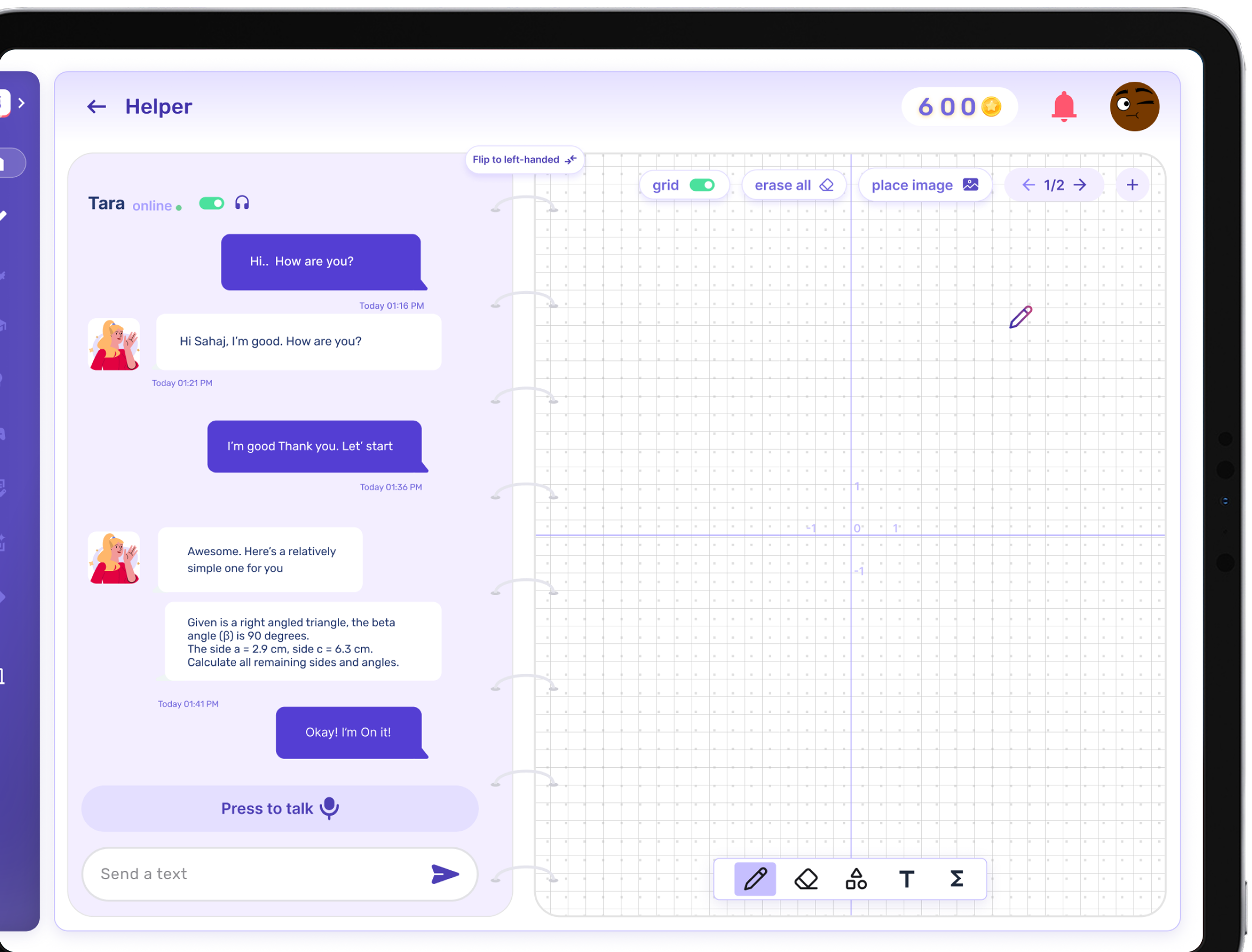
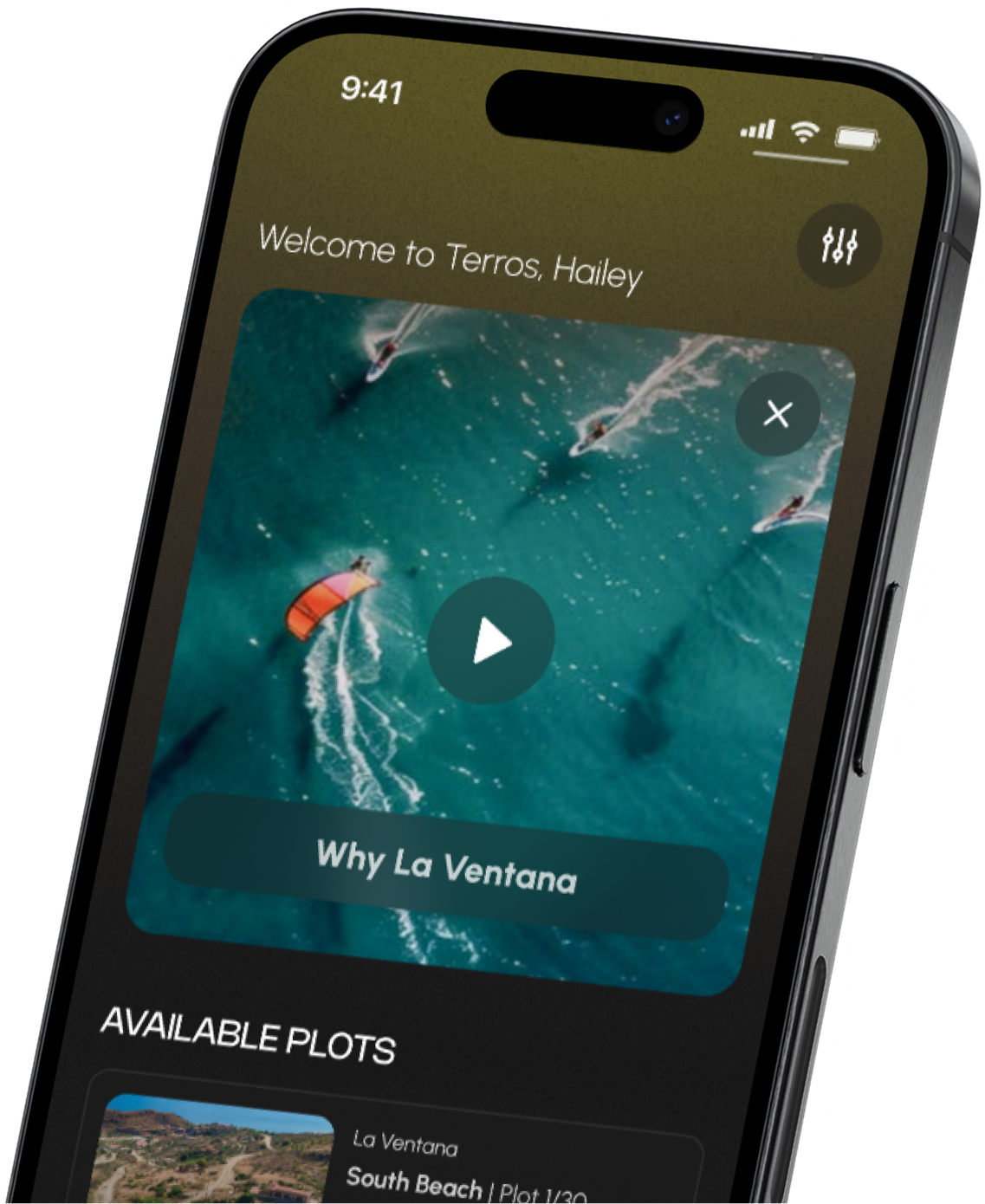
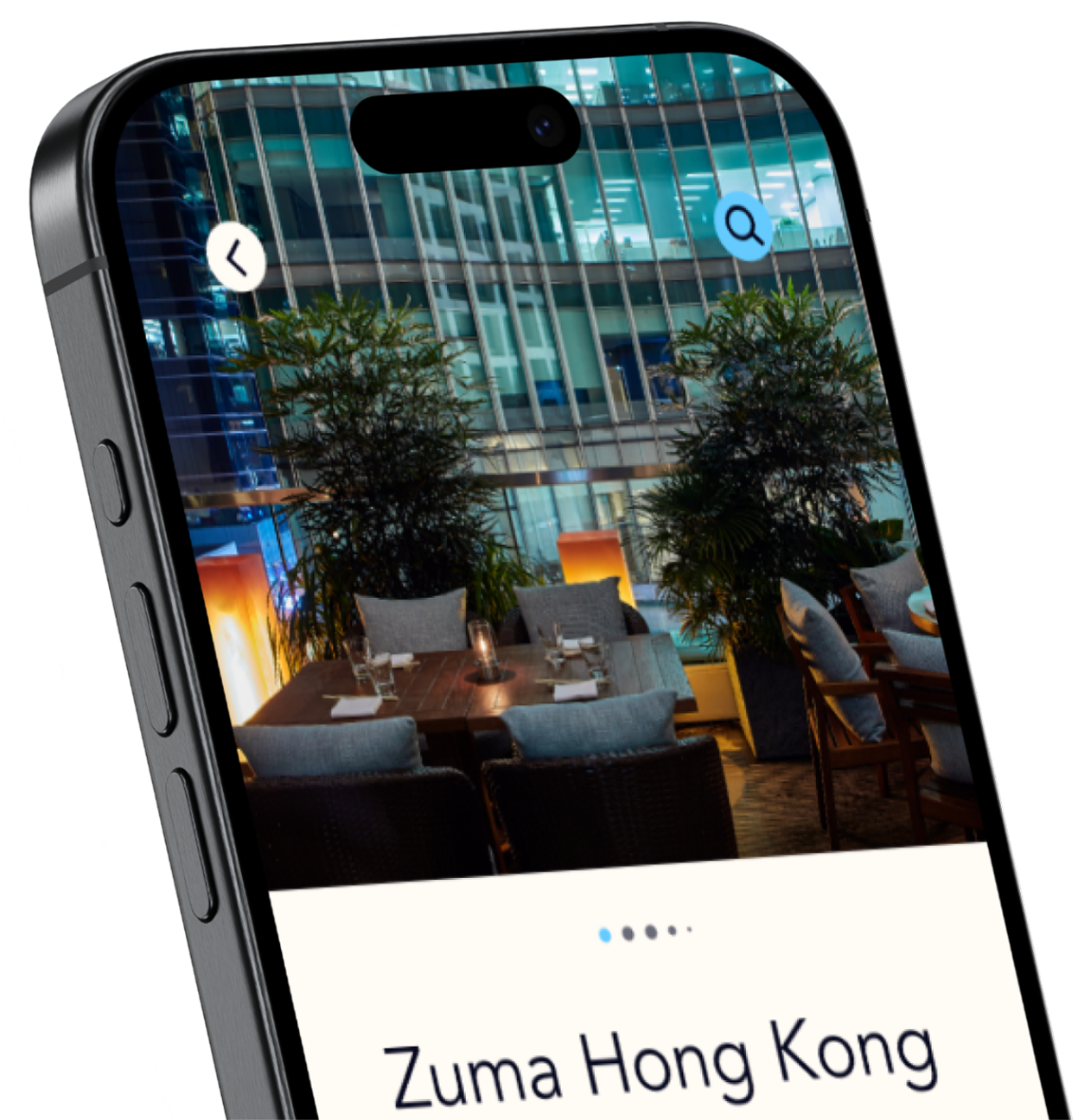
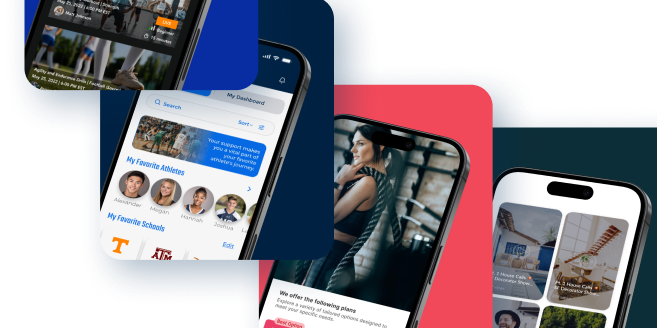
A clickable, non-functional prototype (NFP) is a pixel-perfect walkthrough of your core user journey with no backend behind it, and it changes the physics of a pitch. Decks ask investors to imagine; prototypes let them experience, and a partner who just swiped through your product explains it to their committee far better than your slides do. An NFP typically starts around $10,000, reaching $20,000 to $25,000 for the largest design efforts, which is a fraction of building software nobody has validated. It also doubles as your user-testing tool and your development blueprint, so the spend carries forward instead of evaporating after the raise.
Get Your Free 45-Minute App Roadmap
Meet 1-on-1 with our senior product team. We’ll map your MVP or enterprise app and hand you a personalized plan—clear scope, a realistic timeline, and fixed monthly costs—for iOS & Android, web, tablets & wearables, and AI.
The Honest Caveat: Not Every Great App Is Venture-Scale
Venture capital is a specific tool for a specific shape of company: enormous markets, winner-take-most dynamics, and a credible path to returning a fund. Plenty of superb app businesses do not fit that shape, and forcing the pitch wastes a year you could spend building. A niche product earning $500,000 to $5 million annually with strong margins is a life-changing company; it is simply an angel, revenue-financed, or bootstrapped one. Across 500+ launches since 2009, some of the happiest founders we know took that road deliberately. Fundable is a fit question, not a grade.
How Chop Dawg Builds Investor-Ready Prototypes
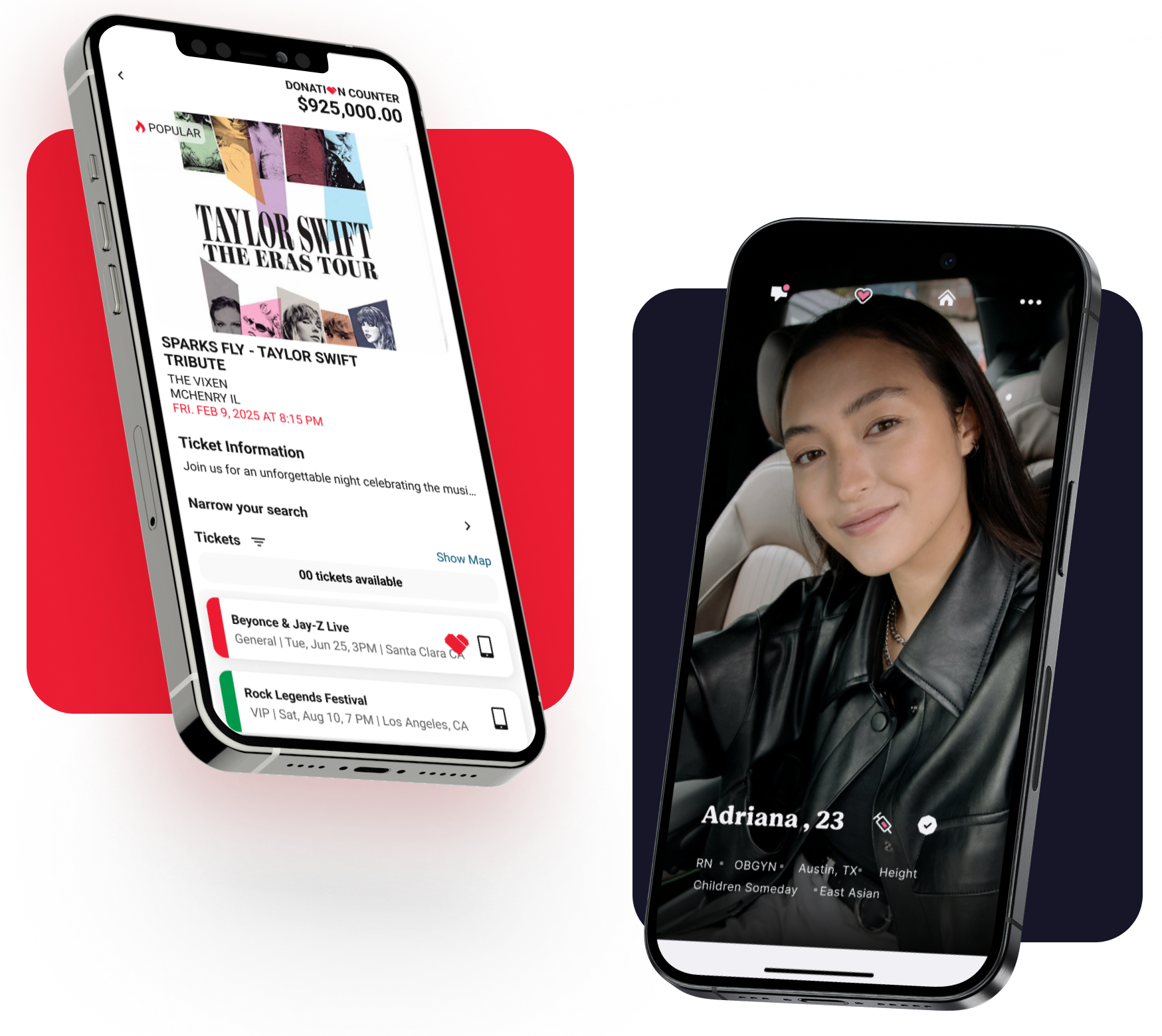
Prototype-first fundraising is one of the most common engagements we run: strategy to sharpen the wedge, then design to produce an NFP investors can hold, following our proven process. The results speak for the approach. DLD: Donald Legacy Defined, the virtual sports university concept from Pitt defensive lineman Elliot Donald, went to investors as a fully mapped Figma prototype. Elliot told us: “this was my first time stepping into the tech world, and Chop Dawg made the entire experience easy to understand and genuinely exciting… Thanks to their guidance, I was able to secure investor funding…” CarePool founder Jazmine Dredd reported the same effect in healthcare staffing: “They understood our vision and transformed it into a functional prototype that has impressed our investors.” And WhereUApp co-founder Meghan Phillips: “We were impressed with the high-quality prototype they delivered, which we believe could attract the attention of investors if needed.”
Behind those prototypes is a team built to remove agency risk from your raise: US-headquartered and US-led, with American leadership, product and project management, senior development, senior design, and senior quality assurance (QA), backed by our in-house Brazilian design team and in-house development, QA, and project management teams in Pakistan and India. Everyone is in-house Chop Dawg, assigned directly to your project, fluent English, US hours. That structure exists because founders have been burned two ways: by the lone American salesperson fronting hidden offshore developers with zero accountability, and by the faceless overseas shop with no US business norms and no time-zone overlap. Choose the fully American team for regulated work, or the blended model most partners take for the same quality and timelines at a lower budget. Either way, you own all code and intellectual property (IP) from day one, which investors will ask about in diligence. It is the same structure organizations like NASA, the U.S. Navy, and the White House have trusted.
Frequently Asked Questions
How much does an investor-ready app prototype cost?
A clickable, non-functional prototype (NFP) starts around $10,000 and reaches $20,000 to $25,000 for the largest design work. That typically buys the complete core user journey in polished, testable form, which serves fundraising, user validation, and later development scoping all at once.
Do I need traction before pitching investors?
At idea stage, investors accept traction signals in place of revenue: waitlist conversion, pilot commitments, letters of intent, or an engaged community. The stronger your signals, the better your terms. Pitching with zero evidence of demand usually produces feedback meetings rather than term sheets.
Will investors sign a non-disclosure agreement to hear my app idea?
Almost never. Investors see thousands of ideas and cannot accept legal exposure for overlaps, so asking signals inexperience. Your protection is execution speed, founder-market fit, and momentum, not secrecy. Share the problem and wedge openly; hold back only genuinely proprietary technical details.
How long does it take to build a fundable prototype?
Most NFPs take roughly six to twelve weeks depending on scope, covering strategy, user experience flows, and high-fidelity clickable screens. Founders often run their investor outreach in parallel, so the prototype lands right as partner meetings begin rather than months afterward.
What if my app idea is not venture-scale?
Build it anyway, funded differently. Angel investors, revenue-based financing, small business lending, and bootstrapping all suit strong niche products, and you keep far more ownership. A focused MVP at $25,000 to $60,000 is within reach of many self-funded founders, especially with AI-assisted development lowering costs.
Do investors fund solo founders?
Yes, though many prefer teams. A solo founder with deep founder-market fit, visible momentum, and reliable execution partners can absolutely raise. What investors actually screen for is whether the company survives your bad month, so show the systems and people around you.
Make Your Idea Easy to Say Yes To
Fundability is a checklist you can build deliberately: proven pain, a sized wedge, a moat thesis, your unfair advantage, behavioral traction, and a prototype that does the convincing for you. If a raise is on your roadmap, bring the idea to a free 45-minute consultation and we will tell you honestly which signals are strong, which need work, and what the prototype should include, whether you are a first-time founder or an established company spinning up something new, and whether or not you hire us. Chop Dawg has been preparing founders for these conversations since 2009: now in our 18th year, with 500+ products launched, software used by more than 1 billion people, a 92% repeat-partner rate, and 300+ five-star reviews across trusted directories like Clutch, GoodFirms, G2, Google, and TopDevelopers. Full budget detail lives in our costs and pricing guide.


 15 Min