























 13 Min


If your app project runs late, the outcome depends on why it slipped and what your agreement says: client-caused delays typically extend the timeline at the client’s cost, agency-caused delays should be absorbed by the agency, and scope additions get repriced before work continues. Late software is common enough that McKinsey and the University of Oxford, analyzing more than 5,400 IT projects, found large efforts run 45% over budget and 7% over time on average. The good news: nearly every slip traces to a handful of preventable causes, and the right agreement plus the right weekly habits keep you out of the statistics. Here is how delays actually happen and how well-run projects handle them.
Key Takeaways
- The three honest causes of late app projects are client-side approval delays, scope additions mid-build, and third-party surprises like store review rejections or API changes.
- Good agreements assign each delay type in advance: extended-timeline clauses, client-delay provisions, and change orders priced before work begins.
- Deemed-approval windows (feedback due within a set number of days, or the deliverable is approved) prevent the most common slip of all.
- Weekly meeting cadence and written documentation catch drift in days instead of months.
- Ask any agency for its recent on-time track record, project by project, before you sign.
The Honest Causes When an App Project Runs Late
Across hundreds of launches since 2009, we see the same three causes behind nearly every slipped timeline, and only one of them lives on the agency’s side of the table. Knowing them upfront changes how you plan.
First, client-side approval delays. Development waits on decisions: design sign-offs, content, credentials for third-party services, test feedback. When a deliverable sits in an inbox for three weeks, the timeline absorbs those three weeks, and the compounding effect across a six-month project is enormous.
Second, scope additions. A new feature idea mid-build is natural and often smart, but every addition is new engineering, new design, and new quality assurance (QA) time. Projects that grow 20% in scope and expect 0% change in schedule are how resentment gets built.
Third, third-party surprises. An application programming interface (API) provider deprecates an endpoint, an app store review cycle takes an extra pass, a payment processor changes compliance requirements. These sit outside anyone’s full control, which is exactly why mature agreements plan for them instead of pretending they never happen.
How Good Agreements Handle Delays
A professional agreement assigns every delay type to an owner before the project starts, so a slip triggers a clause instead of an argument. Here is the mapping to look for when you review a contract.
| Cause of delay | Who controls it | How a good agreement handles it |
|---|---|---|
| Client approval or feedback delays | Client | Client-delay provisions: the timeline extends day for day, and deemed-approval windows keep small delays from becoming big ones |
| Scope additions and change requests | Shared decision | Written change orders that price and schedule the addition before work starts, so budget and timeline move together transparently |
| Third-party surprises (store review cycles, API changes, platform updates) | External | Extended-timeline clauses acknowledging external dependencies, with prompt notice and a documented recovery plan |
| Agency estimation misses or staffing gaps | Agency | The agency absorbs the overrun: fixed monthly pricing with a committed timeline means their miss is their cost, not yours |
Two clauses deserve special attention. Deemed-approval windows state that if feedback does not arrive within, say, five business days, the deliverable counts as approved and work continues. That sounds strict, but it protects both sides from the silent killer of stalled reviews. Client-delay provisions do the mirror-image work: they make it explicit that a paused client means a paused clock, so nobody pretends otherwise later.
How Disciplined Teams Prevent Slips in the First Place
Contracts handle delays. Cadence prevents them. The teams that ship on time share three habits, and none of them are complicated.
They meet weekly, on video, with the actual working team. A weekly rhythm means drift gets caught within seven days, not discovered at a milestone review two months in. They put everything in writing: decisions, approvals, open questions, and owners, in shared tools rather than scattered email threads, so there is never a debate about what was agreed. And they keep the work visible continuously, with clients able to watch designs evolve in Figma and code land in GitHub any day of the week, because surprises cannot survive in daylight.
One more preventive habit belongs to you as the client: assign a single decision-maker with the authority to approve deliverables fast. Committees are where timelines go to die. A founder who turns feedback around in 48 hours is the single biggest schedule asset a project can have.
Get Your Free 45-Minute App Roadmap
Meet 1-on-1 with our senior product team. We’ll map your MVP or enterprise app and hand you a personalized plan—clear scope, a realistic timeline, and fixed monthly costs—for iOS & Android, web, tablets & wearables, and AI.
What to Do the Moment a Project Starts Slipping
Act in the first week you sense drift, because delay handled early is cheap and delay handled late is expensive. Ask for a written status against the original timeline, the specific cause of the gap, and a recovery plan with dates. Then classify the cause using the table above: if it is on your side, clear the blocker; if it is scope, decide whether the addition is worth the schedule; if it is external, confirm the mitigation; if it is the agency, hold them to absorbing it. A partner that communicates a slip proactively, with causes and a plan, is behaving well even in a bad moment. A partner that goes quiet is telling you something worse than any delay.
Where Chop Dawg Stands on Deadlines
Our operating promise is “on time and on budget, no surprises,” and in 2025 we finished with zero projects behind schedule or over budget, with the only added spending across our portfolio being client-requested scope expansions, priced and approved before we built them. The system behind that record is the discipline described above: weekly Zoom during design and bi-weekly Zoom during development, daily Slack, deemed-approval windows, written change orders, and 24/7 visibility through Figma, GitHub, Jira, and Confluence. It is run by a US-headquartered, US-led team covering leadership, project management, senior development, senior design, and senior QA, working with our in-house Brazilian design team and our in-house development, QA, and project management teams in Pakistan and India. Everyone is in-house Chop Dawg on your project directly, with fluent English and US-hours overlap, which removes the two classic risks: the American salesperson fronting invisible subcontractors, and the offshore shop you cannot reach when a deadline wobbles.
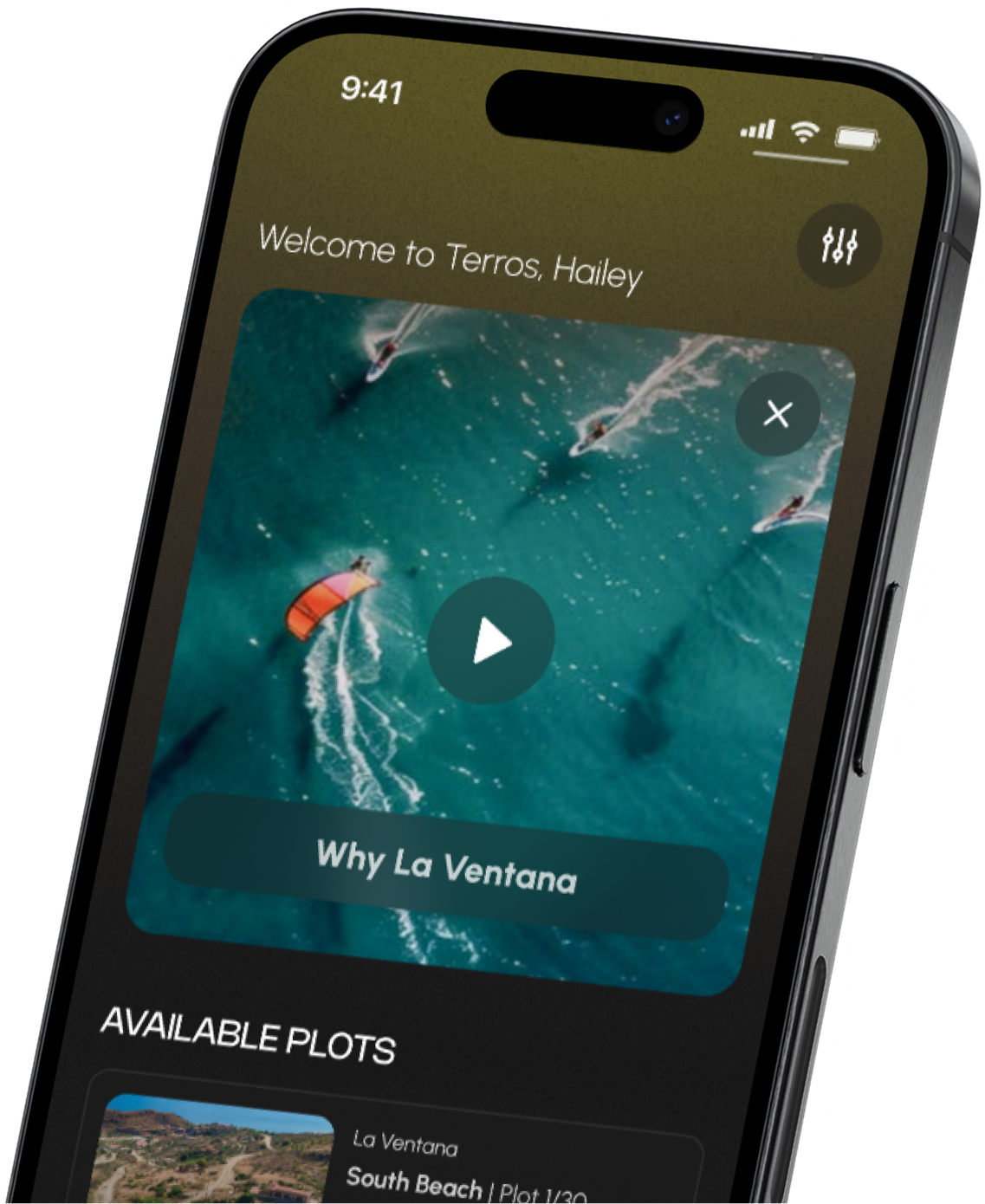
The results show up in partner testimonials. Cavan Companies, a premium real estate developer, received its investor-facing web platform early. Chief marketing officer Sheri Jones wrote: “Not only did they complete my project ahead of schedule, but it exceeded my expectations even more than I had hoped.” Terros, a bilingual fractional land-investment app, tracked to finish in five months against an original six-to-seven-month estimate. President Victor Nahum Antonio said: “Thanks to their efficiency, we’re now on track to complete the project in just five months… we’re getting exceptional work at a very fair price.” Organizations that have trusted Chop Dawg include Siemens and the U.S. Navy. You can see exactly how we structure timelines in our proven process and how budgets stay fixed in our costs and pricing guide.
Frequently Asked Questions
What is the most common reason app projects run late?
Client-side approval delays cause more slips than any technical issue: design sign-offs, content, credentials, and test feedback sitting unanswered. Each waiting period pushes the schedule day for day. Scope additions rank second, and third-party surprises like store review cycles or API changes round out the top three causes.
Do I pay more if my app project runs late?
It depends on the cause and the pricing model. Under fixed monthly pricing with a committed timeline, agency-caused overruns are the agency’s cost. Client-caused delays extend the calendar, which can extend billing. Under hourly billing, every extra week costs you money regardless of fault, which is why the model matters.
What should my contract say about delays?
Look for four things: client-delay provisions that pause the clock when inputs stall, deemed-approval windows so feedback cannot sit indefinitely, written change orders that reprice scope additions before work starts, and language committing the agency to its timeline. Together they assign every delay to an owner in advance.
How can I keep my app project on schedule as the client?
Assign one decision-maker with real authority, return feedback within 48 hours, deliver content and credentials early, and resist mid-build feature additions unless they justify a schedule change. Attend the weekly meetings. Client responsiveness is the single largest controllable factor in whether a project ships on time.
How late do software projects typically run?
McKinsey and the University of Oxford found large IT projects run 7% over time and 45% over budget on average across more than 5,400 projects studied. Well-scoped app projects with disciplined weekly cadence perform far better, which is why an agency’s recent track record is worth asking about directly.
Is a delayed app launch ever the right choice?
Sometimes, yes. Shipping a broken product on schedule costs more than shipping a solid product two weeks late, especially when a store rejection or critical bug would hit real users. The key is that a delay should be a deliberate, documented decision with a new date, never a silent drift.
Deadlines Are a System, Not a Hope
Projects run late for knowable reasons, and agreements, cadence, and documentation turn those reasons into managed events instead of disasters. If you are planning a build, or currently stuck in one that keeps slipping, walk through your situation with us in a free 45-minute consultation, valuable whether or not we end up working together, and equally open to first-time founders and established companies rescuing a stalled product. Chop Dawg has shipped 500+ products since 2009, software now used by more than 1 billion people, and we are in our 18th year with 92% of partners returning and 300+ five-star reviews across trusted directories like Clutch, GoodFirms, G2, Google, and TopDevelopers. Bring your timeline. We will tell you honestly whether it is realistic.



 15 Min