
















 14 Min


The true cost of owning an app is the money you spend after launch, not just the price to build it. Once your app is live, you pay ongoing operating costs: cloud hosting that bills elastically like an electric bill, third-party application programming interface (API) fees, and payment processing of roughly 2.9% plus 30 cents per transaction. Across the industry, annual app maintenance and operating costs typically run 15% to 25% of the original build budget, a benchmark cited by Space-O Technologies in its 2026 pricing guide. Most first-time founders budget the build and forget the bills. This guide breaks down every line item so you can own your app without surprises.
Key Takeaways
- Build cost is a one-time number; run cost is forever. Plan for both before you commit.
- Cloud hosting bills like an electric bill, a few hundred dollars a month at modest scale, and gets cheaper per user as you grow.
- Payment processing runs about 2.9% plus 30 cents per transaction, a variable cost that scales with revenue, not a fixed bill.
- Annual maintenance and operating costs typically land at 15% to 25% of your original build budget.
- Owning an app is like owning a home: some months are quiet, and some months you replace the roof.
Why the Sticker Price Is Only Half the Story
When you buy a house, the purchase price is not the last check you write. You pay property taxes, utilities, and the occasional new water heater. An app works the same way. The build is the down payment. The operating costs are everything that keeps the lights on after you move in.
This matters because the build is the number everyone fixates on. Founders compare quotes, negotiate scope, and celebrate launch day, then get blindsided when the first cloud invoice arrives. A well-run product partner walks you through the full cost of ownership before a single line of code is written. At Chop Dawg, our transparent pricing approach includes the post-launch math, because a budget that ignores run cost is not a real budget.
The Home-Ownership Analogy, Year by Year
Some years of owning a home are quiet. You pay your predictable bills and nothing breaks. Other years, the roof goes, the furnace dies, and you face a five-figure repair you did not see coming. Apps follow the same rhythm. Most months you pay steady hosting and processing fees. Then a major operating system update lands, a key API changes its terms, or a security patch becomes urgent, and you face a larger one-time expense. Budgeting for the quiet months only is how founders get caught short.
Get Your Free 45-Minute App Roadmap
Meet 1-on-1 with our senior product team. We’ll map your MVP or enterprise app and hand you a personalized plan—clear scope, a realistic timeline, and fixed monthly costs—for iOS & Android, web, tablets & wearables, and AI.
The Operating-Cost Line Items, Explained
Here is what you actually pay to keep a live app running. Every figure below assumes a modest-scale consumer or business app in its first year or two after launch. Your numbers will vary with traffic, data, and complexity.
| Operating Cost | How It Bills | Typical Range (Modest Scale) | Notes |
|---|---|---|---|
| Cloud hosting and infrastructure | Elastically, by usage, like an electric bill | $30 to a few hundred dollars per month | Cheaper per user as you scale; spikes with traffic |
| Third-party API fees | Per call, per user, or monthly tier | $0 to several hundred dollars per month | Maps, messaging, identity, AI services, analytics |
| Payment processing | Per successful transaction | About 2.9% plus 30 cents each | Scales with revenue; higher with international cards |
| App store fees | Percentage of in-app revenue | 15% under $1M, 30% above | Apple App Store and Google Play Store small-business rates |
| Developer accounts | Annual or one-time | $99/year (Apple), $25 once (Google) | Required to publish and maintain listings |
| Ongoing maintenance and support | Hourly or fixed-monthly | 15% to 25% of build cost per year | Bug fixes, OS updates, security patches, enhancements |
| Monitoring and security tools | Monthly subscription | $0 to a few hundred dollars per month | Crash reporting, uptime alerts, error tracking |
Cloud Hosting: Your App’s Electric Bill
Cloud hosting on platforms like Google Cloud Platform, Amazon Web Services, or Microsoft Azure is elastic. You pay for the computing power, storage, and data transfer you actually use, the same way your electric bill reflects how much power you burned that month. At modest scale, expect anywhere from $30 to a few hundred dollars per month. The good news: as your user base grows, the cost per user typically drops, because cloud providers reward volume with committed-use and reserved-capacity discounts. The flip side is that a viral moment or a poorly written database query can spike a bill fast, which is why infrastructure management is part of long-term support services.
Third-Party APIs: Paying for Plumbing You Did Not Build
Modern apps lean on third-party APIs for maps, text messaging, email delivery, identity verification, payments, and increasingly artificial intelligence (AI) features. Each one usually charges per call, per active user, or on a monthly tier. A mapping API might be free up to a usage cap and then bill per request. An AI service might charge per token processed. Individually these are small. Stacked together across a feature-rich app, they become a real monthly number you must track. When we built the Integrated CashLogistics mobile apps, integrating cleanly with the client’s existing backend APIs was central to keeping the operating model efficient and predictable.
Payment Processing: The Cost of Getting Paid
If your app takes money, you pay to process it. The industry-standard rate for a domestic online card charge is about 2.9% plus 30 cents per successful transaction, a figure published directly on Stripe’s pricing page. On a $100 sale, that is $3.20. This is a variable cost, not a fixed bill, so it scales directly with your revenue. International cards, currency conversion, and subscription tooling can push the effective rate higher, so model your real payment mix rather than assuming the headline rate.
Apple App Store Fees: The Platform’s Cut
Apple and Google take a percentage of in-app purchases and subscriptions. Through the Apple App Store Small Business Program and the equivalent Google Play Store program, developers earning under $1 million per year qualify for a reduced 15% commission, per Apple Developer. Above that threshold, the standard 30% applies. If your revenue runs through the app stores rather than your own web checkout, this is one of your largest operating costs, and it belongs in the model from day one.
How to Keep Operating Costs Predictable
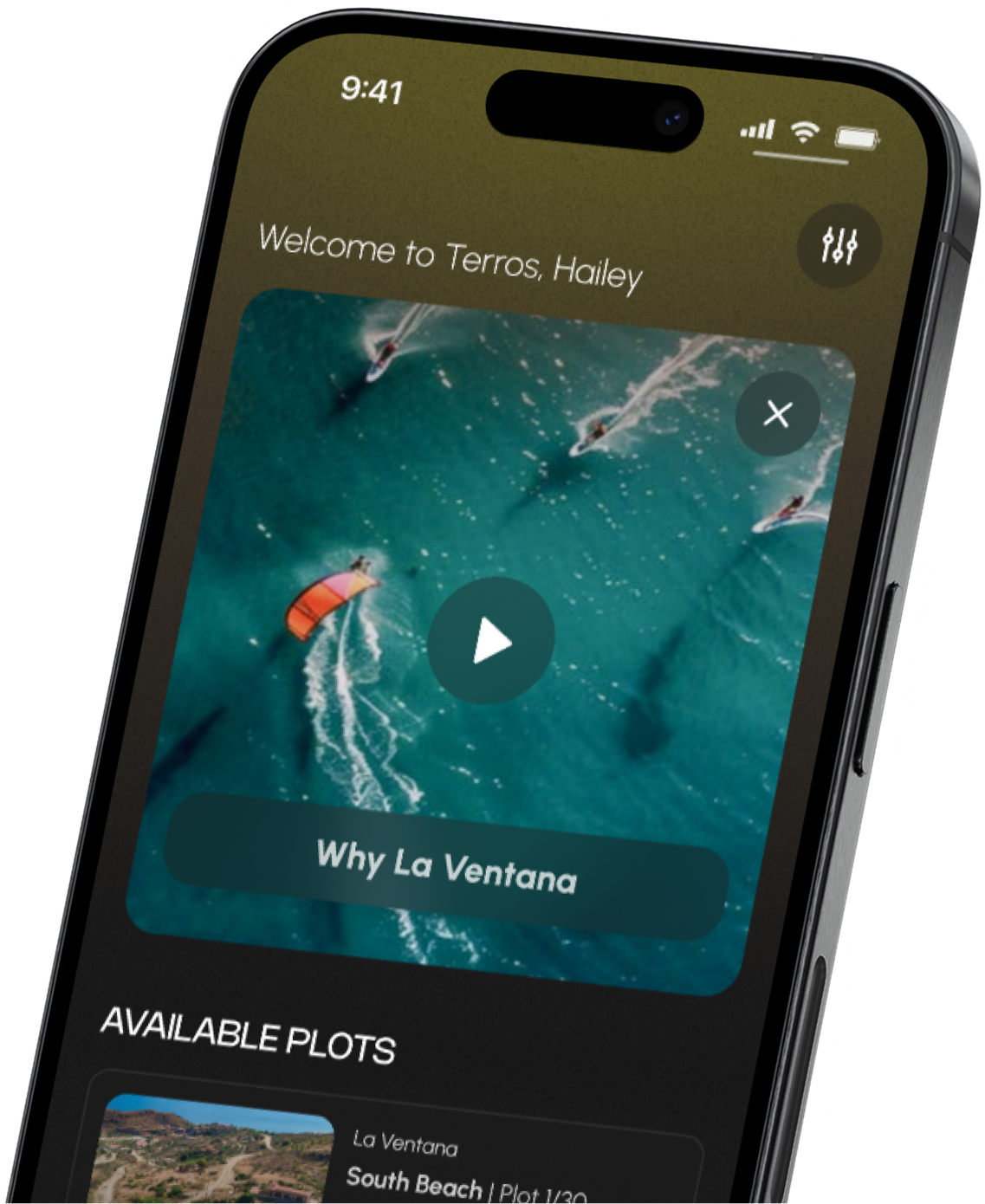
You cannot eliminate run costs, but you can make them boring and predictable. Three moves help. First, architect for efficiency from the start, because a well-built backend costs far less to host than a bloated one. Second, choose a maintenance arrangement that fits your cash flow; a fixed-monthly support contract turns a lumpy expense into a steady line item. Third, monitor continuously so a runaway cost gets caught in days, not on the next invoice. This is the kind of discipline that kept the Terros enterprise platform efficient to run as it scaled, where a clean, well-architected backend directly controls what the client pays month after month. Our proven process bakes infrastructure planning into the build, and our full-service model keeps your app healthy long after launch.
Frequently Asked Questions
How much does it cost to run an app per month after launch?
For a modest-scale app, expect cloud hosting from $30 to a few hundred dollars monthly, plus API fees and payment processing that scale with usage and revenue. Total monthly operating costs commonly land in the low-to-mid hundreds early on, rising as you grow. Annual maintenance typically runs 15% to 25% of your original build budget.
Why does cloud hosting get cheaper per user as I grow?
Cloud providers like Amazon Web Services and Google Cloud Platform offer committed-use and reserved-capacity discounts that reward volume. As your user base grows, you negotiate better per-unit rates and spread fixed infrastructure across more users. Your total bill rises, but the cost to serve each individual user generally falls, improving your unit economics over time.
What are typical third-party API costs for an app?
API costs vary widely by service and usage. Maps, messaging, email, identity, and AI services each bill per call, per user, or on monthly tiers. A single API may be free under a usage cap, then charge per request beyond it. Stacked across a feature-rich app, total API spend can range from near zero to several hundred dollars monthly.
Is the 2.9% plus 30 cents payment fee fixed?
The 2.9% plus 30 cents rate is the standard headline for a domestic online card charge, but it is not fixed for every transaction. International cards, currency conversion, subscriptions, and fraud tooling can raise your effective rate. Because it is a percentage of revenue, this cost scales as you sell more, so model your real payment mix carefully.
Do I have to pay Apple and Google a commission?
If you sell digital goods or subscriptions inside your app, yes. Apple and Google charge 15% for developers earning under $1 million annually through their small-business programs, and 30% above that threshold. Physical goods and services sold through your own external web checkout are generally exempt, which is why payment routing is a strategic decision.
Can I reduce my app’s ongoing operating costs?
Yes. Efficient architecture lowers hosting bills, consolidating or caching API calls reduces per-call fees, and a fixed-monthly maintenance contract makes expenses predictable. Continuous monitoring catches runaway costs early. The biggest savings come from building it right the first time, because a clean, scalable codebase is dramatically cheaper to operate than a rushed one.
Plan for the Full Cost of Ownership Before You Build
The founders who succeed are the ones who walk into launch day knowing exactly what their app will cost to own, not just to build. Hosting, APIs, payment processing, and maintenance are not surprises; they are predictable line items you can model in advance. We have helped more than 500 products since 2009 plan for the full lifecycle, and we are happy to map yours out with you. Chop Dawg is United States-headquartered and United States-led, with an American team covering leadership, product and project management, and senior development, design, and quality assurance (QA), an in-house Brazilian design team, and in-house development, QA, and project-management teams in Pakistan and India, all in-house and assigned directly to you, never a subcontractor. You can keep a fully-American team for government or regulated work, or take a cost-effective United States-plus-offshore blend at the same quality and timelines. In either case, you reach the real senior team directly through daily Slack and regular Zoom, never a faceless overseas shop with no accountability. Organizations that have trusted Chop Dawg include Siemens, Hilton, and the NFL. Book a free 45-minute Zoom consultation, whether you are launching a first app or already running one, and you will leave with a clear picture of both your build budget and your real operating costs. Schedule your free consultation here.



 15 Min