








 12 Min

To validate your app idea before you build, you need honest answers to two questions: will people actually use it, and will it make money? Everything else is detail. Validation means gathering real evidence of demand, through user conversations, a landing page or waitlist, and a clickable, non-functional prototype (NFP), before you commit a dollar to full development. This step is not optional caution; it is survival. Roughly 78% of apps published in 2026 never reach even 1,000 downloads, according to Business of Apps, and most of those failed long before launch by skipping validation. This guide walks you through how to test demand cheaply, so you build something the market already wants instead of betting your budget on a hunch.
Key Takeaways
- Validation answers two questions before you build: will people use it, and will it make money.
- The strongest ideas solve a real, painful problem, ideally one you have lived yourself.
- Talk to real potential users early; their behavior, not their politeness, tells you the truth.
- A landing page or waitlist tests demand with real signups before any code exists.
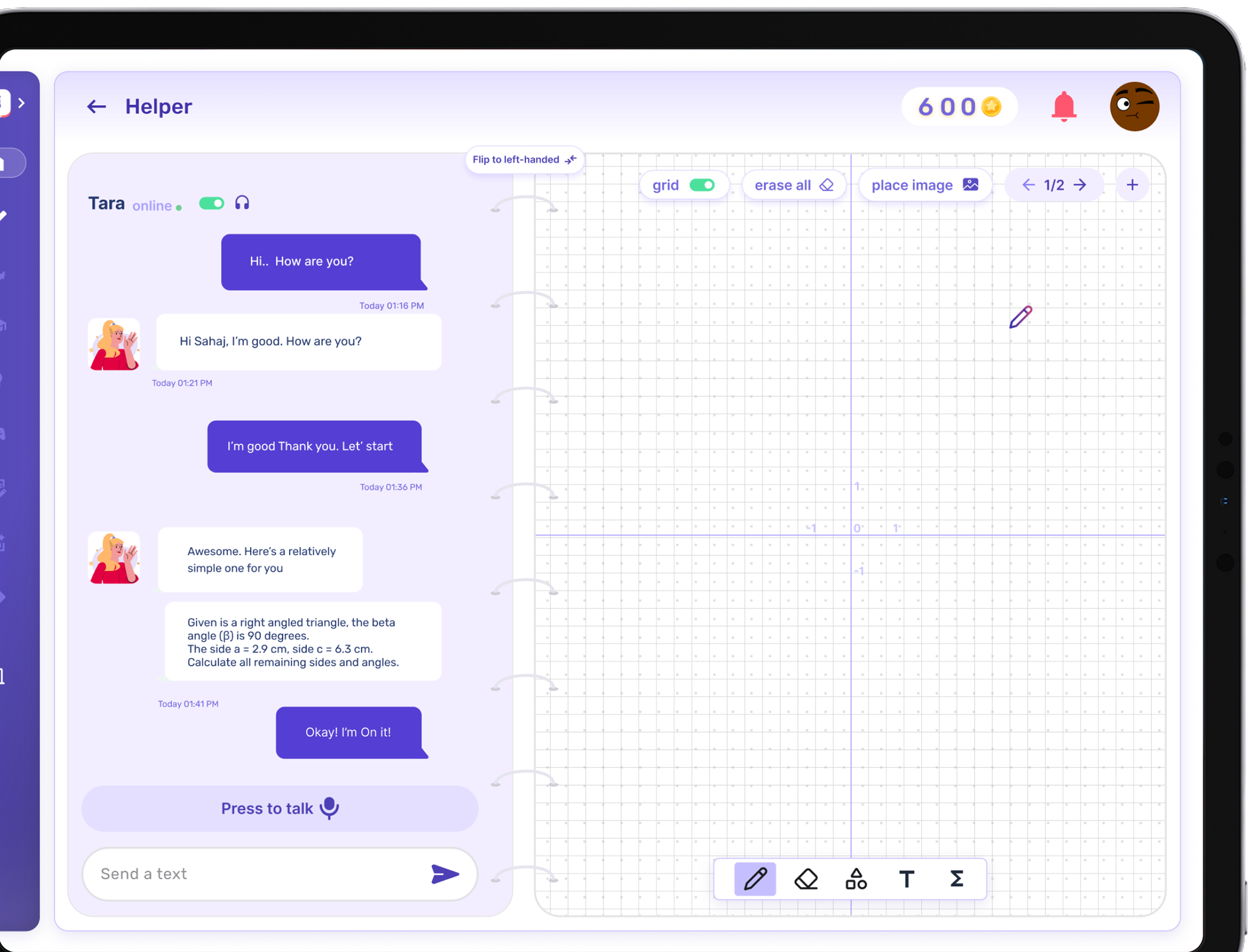
- An NFP, a clickable mockup of your app with no working code behind it, lets you test the actual experience and refine it before full development.
Why Validation Comes Before Development
Building first and validating later is the most expensive order of operations in startups. By the time a finished app tells you nobody wants it, you have already spent the money. Validating first flips that risk. You spend a little to learn whether the idea holds up, and only then commit to the full build.
The reason so many apps fail is rarely bad code. It is the absence of a real market. Validation is how you confirm a market exists while it still costs you almost nothing to find out. Done well, it also sharpens the product itself, because every conversation and every test teaches you what your users truly need versus what you assumed they needed.
Question One: Will People Actually Use It?
Usage starts with a real problem. The best apps scratch an itch their founder personally feels, because that founder understands the pain deeply enough to know what a real solution looks like. If you are solving someone else’s problem you have only read about, validation matters even more, because your assumptions are untested.
Solve a Real Problem, Ideally Your Own
Ask yourself: who has this problem, how often, and how badly? A problem people hit daily and find genuinely frustrating is fertile ground. A mild annoyance people experience twice a year is not. Be ruthless about the difference, because it determines whether anyone will form a habit around your app.
Talk to Real Users (And Listen for What They Do, Not What They Say)
Get out and talk to ten, twenty, thirty people who fit your target user. Do not pitch them. Ask about their current behavior: how do they solve this problem today, what do they hate about it, what have they tried? People are polite and will tell you they “love” your idea. Ignore the compliments. Watch for signals of real pain and real willingness to change behavior. Our strategic planning work begins exactly here, with user personas and the core problem, because no amount of design or engineering rescues an idea the market does not want.
Question Two: Will It Make Money?
Usage without revenue is a hobby, not a business. Early validation should test willingness to pay, not just willingness to download. The two are very different. Plenty of people will tap “install” on a free app and never open it again, which is part of why retention and revenue, not download counts, are the metrics that matter.
Test the money question directly. If it is a subscription, will people enter a card for a trial? If it is a marketplace, will sellers list and buyers transact? You do not need a finished product to probe this. A landing page with a price and a “start free trial” button, or pre-sales to a waitlist, tells you far more than a survey ever will. When you eventually scope the build, a clear sense of how the app earns also keeps you focused on a focused minimum viable product in the $25K to $75K range rather than an expensive everything-app.
Get Your Free 45-Minute App Roadmap
Meet 1-on-1 with our senior product team. We’ll map your MVP or enterprise app and hand you a personalized plan—clear scope, a realistic timeline, and fixed monthly costs—for iOS & Android, web, tablets & wearables, and AI.
The Validation Toolkit: Test Before You Build
You have several cheap, fast tools to gather evidence before development. Use them in sequence, escalating only as each one confirms the idea is worth more investment.
Landing Page and Waitlist
Put up a single page that explains the value, shows a few mockups, and asks for an email or a pre-order. Drive a small amount of traffic to it. The signup rate is real demand data: people giving you their contact information for a product that does not exist yet. A waitlist that fills up is a green light. A page that converts no one, even with decent traffic, is telling you something important and cheap to hear now.
Clickable Prototype
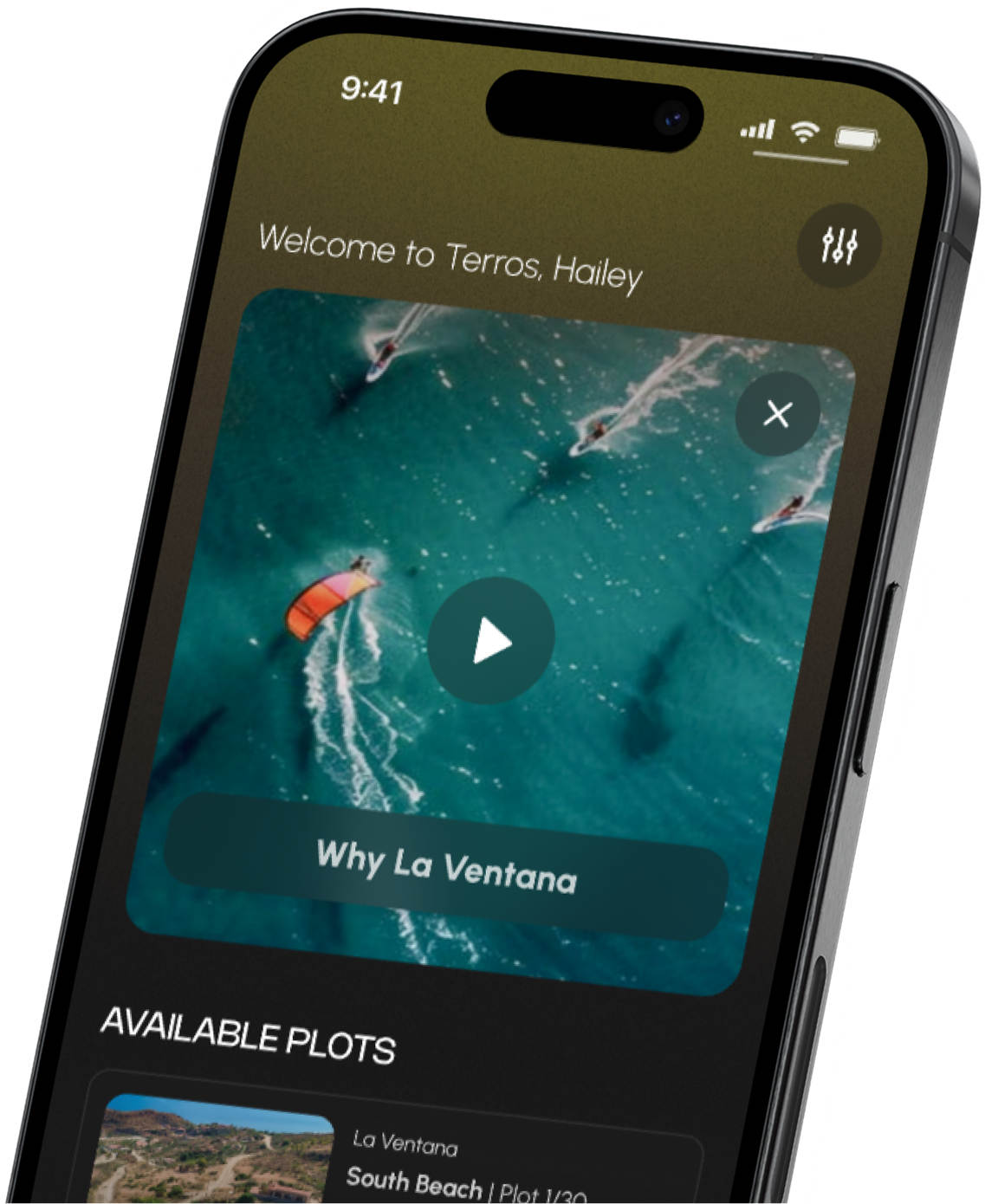
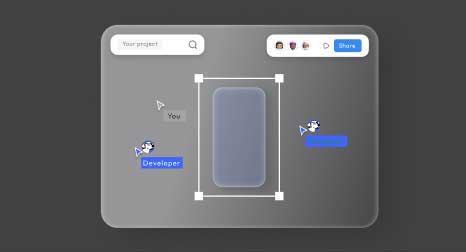
The most powerful pre-build validation tool is the NFP: a clickable mockup of your app that looks and feels real but has no working code behind it. You put it in users’ hands, watch them tap through the core flow, and learn where they get confused or excited before development begins. Chop Dawg builds this during the design phase as part of our design-before-code process: user personas, sitemap, wireframes, high-fidelity designs, and then the prototype. Founders also carry that prototype into investor meetings and focus groups, so it doubles as a fundraising and de-risking tool. Validating the experience here, before engineering, is the single cheapest place to fix a flawed idea.
Quick Validation Checklist
- Can you state the one problem your app solves in a single sentence?
- Have you talked to at least 20 real potential users without pitching them?
- Did those users describe the problem as frequent and genuinely painful?
- Does a landing page or waitlist show real signups or pre-orders?
- Have you confirmed people will pay, not just download?
- Have you tested an NFP of the core flow with target users?
- Do you have a focused feature set, with everything else parked on a roadmap?
What Validated Demand Looks Like in the Real World
When an idea solves a real problem and the experience is right, adoption follows fast. Chop Dawg’s work on Digi-Go reimagined 24/7 access to the local convenience store, a clear, frequent, real-world need rather than a speculative one. The clarity of that core problem is exactly what validation is meant to confirm before development, so the build serves a demand that already exists instead of one you hope to create. You can see the same pattern across the products in our product strategy and growth work: the ones that thrive started from a problem worth solving.
Frequently Asked Questions
What does it mean to validate an app idea?
Validating an app idea means gathering real evidence that people will use it and pay for it, before you build it. You test demand through user conversations, a landing page or waitlist, and an NFP. The goal is to confirm a market exists while it still costs almost nothing to find out.
How many people should I talk to before building?
There is no exact number, but aim for at least 20 to 30 target users. You are looking for patterns, not a single opinion. Listen for how they solve the problem today and how painful it is, rather than whether they say they like your idea, since people are polite by default.
Do I need a prototype to validate my idea?
An NFP is one of the strongest validation tools, but you can start cheaper with user interviews and a landing page. The prototype becomes valuable when you need to test the actual experience and flow. It also de-risks the build and doubles as a demo for investors and focus groups.
How do I test whether people will pay?
Test willingness to pay directly rather than asking hypothetically. Use a landing page with a real price and a trial signup, take pre-orders from a waitlist, or run a small pre-sale. Actions like entering a card or placing a pre-order are far stronger evidence than someone saying they would pay.
What if validation shows my idea will not work?
That is a win, not a loss. Learning an idea lacks demand for a few hundred dollars in validation is vastly cheaper than learning it after a full build. Often validation does not kill the idea but reshapes it, pointing you toward the version of the product the market actually wants.
How long does validation take?
It varies, but meaningful validation often takes a few weeks rather than months. User conversations and a landing page can run in parallel and produce signal quickly. An NFP takes longer to produce but compresses risk dramatically, so the time spent pays for itself before development even starts.
Validate Smart, Then Build With Confidence
The founders who succeed are not the ones with the most features or the biggest launch. They are the ones who proved demand before they spent, then built exactly what their validated users wanted. Validation is how you trade expensive guesses for cheap evidence. If you have an idea and want help pressure-testing it, that is exactly the kind of honest conversation we enjoy. Since 2009, Chop Dawg has helped found and scale more than 500 products, with 92% of partners returning and 300+ five-star reviews across trusted directories like Clutch, GoodFirms, G2, Google, and TopDevelopers. We are a United States-headquartered and United States-led team, with senior American leadership plus an in-house Brazilian design team and in-house development, quality assurance (QA), and project-management teams in Pakistan and India. Every one is in-house Chop Dawg staff assigned directly with no middleman. We would rather tell you the truth early than build the wrong thing, whether you are a first-time founder with a brand-new idea or an established company validating a new product or feature before investing. Choose a fully-American team for regulated work, or a cost-effective United States-plus-offshore blend at the same quality and timelines, and you always work with the real senior people rather than a salesperson hiding the developers. Book a free 45-minute consultation, bring your idea, and we will help you scope an honest minimum viable product and map the cheapest way to validate it.


 15 Min