





 13 Min

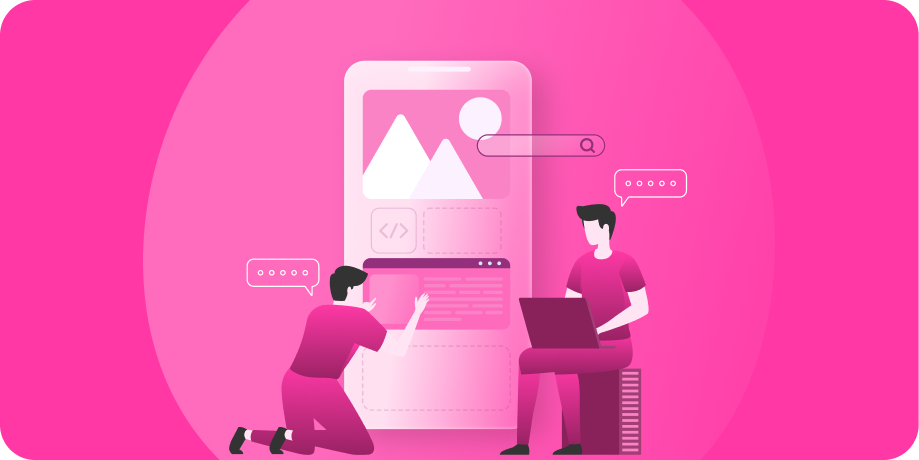
A clickable, non-functional prototype (NFP) is the single most useful asset a founder can hold before writing a line of code, because it lets you raise money and de-risk your app at the same time. An NFP is a version of your app that looks and feels completely real, you can tap through every screen, but nothing is wired up behind it yet. Think of it as a showroom car: gleaming, sittable, every detail in place, but the engine is not running. Built during the design phase, the NFP doubles as a fundraising demo and a focus-group tool, which matters when North American startups raised a record $252.6 billion in the first quarter of 2026 alone, per Crunchbase, and investors expect to see something real. This guide shows you how to use the prototype to win capital and cut risk before you build.
Key Takeaways
- A clickable, non-functional prototype (NFP) is built during design, before any code, and looks and feels like the real app.
- Use the showroom analogy: the NFP is fully styled and tappable, but nothing is functionally wired up yet.
- It is a fundraising asset; investors fund tangible vision far more readily than slide decks.
- It de-risks the build by surfacing flawed flows and assumptions before they become expensive code.
- Founders run focus groups on the prototype to gather real user feedback before development starts.
What a Clickable Prototype Actually Is
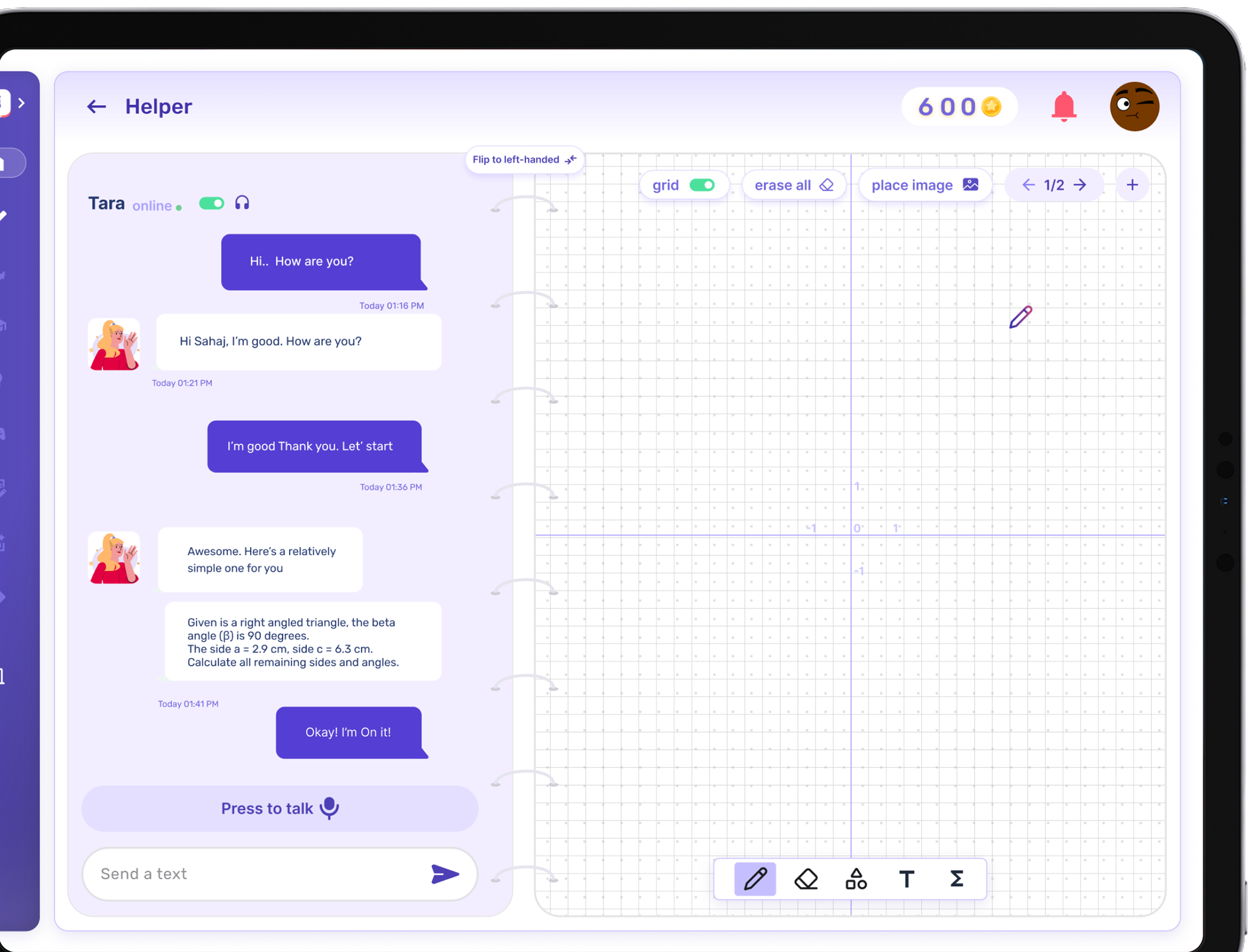
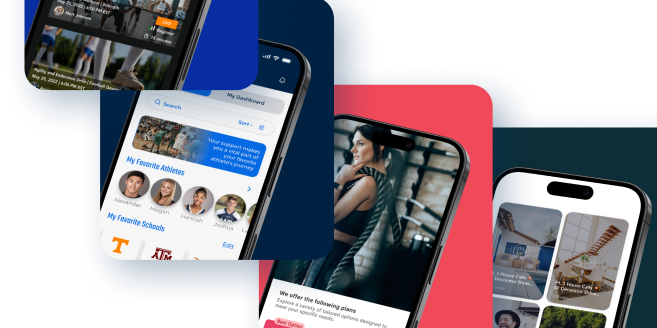
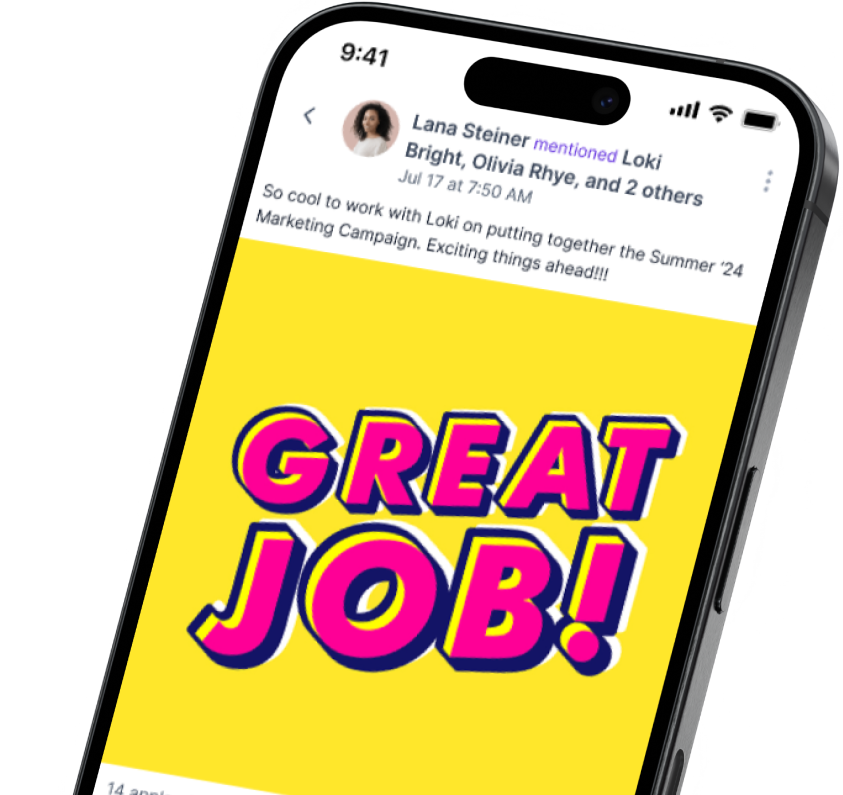
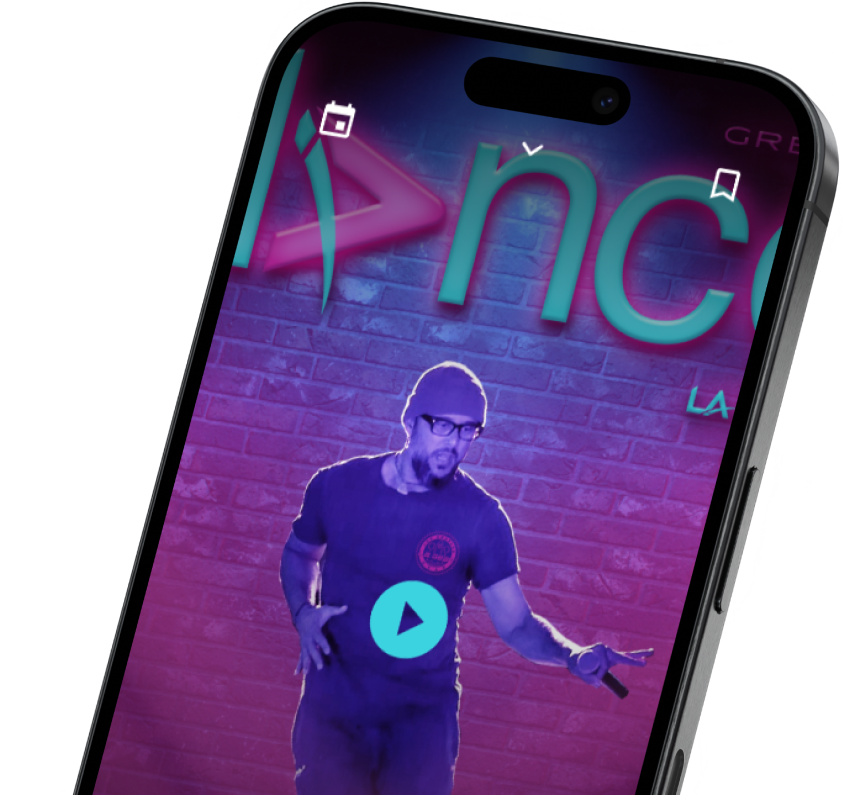
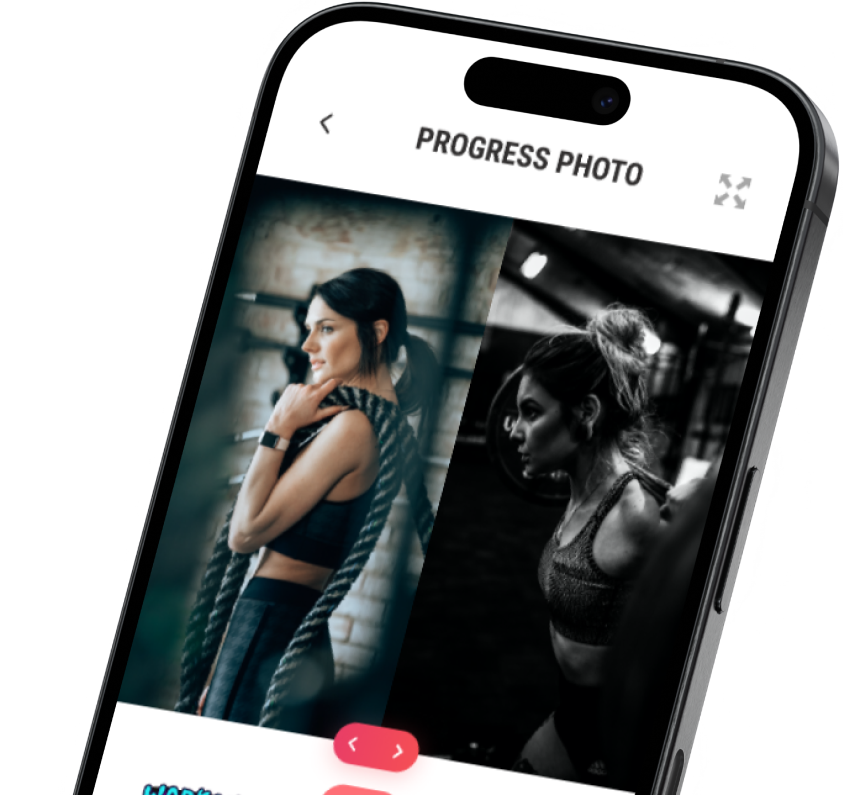
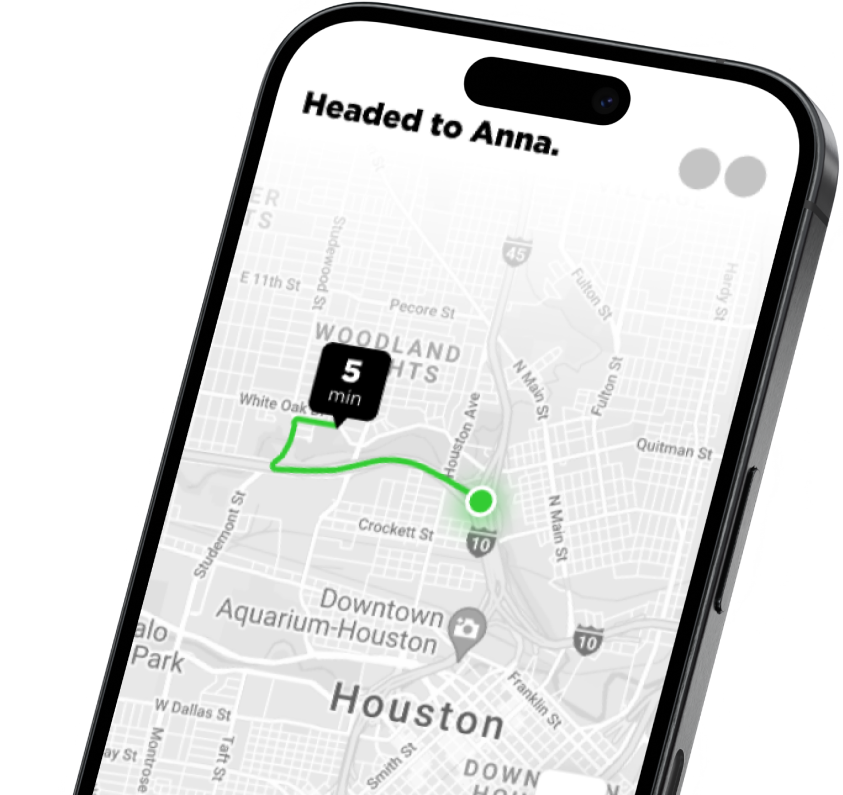
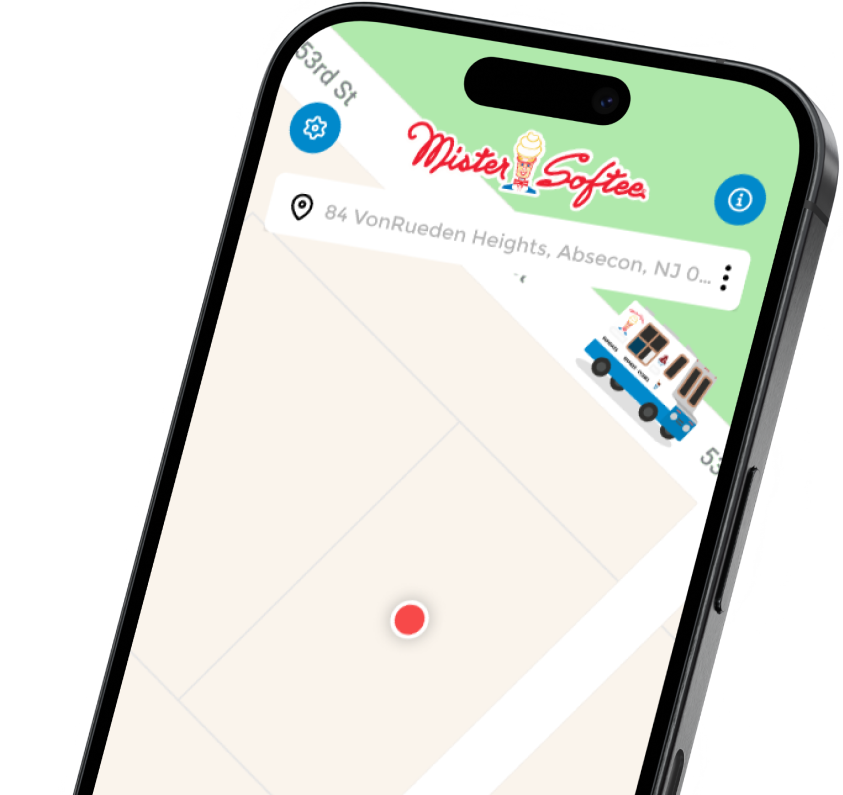
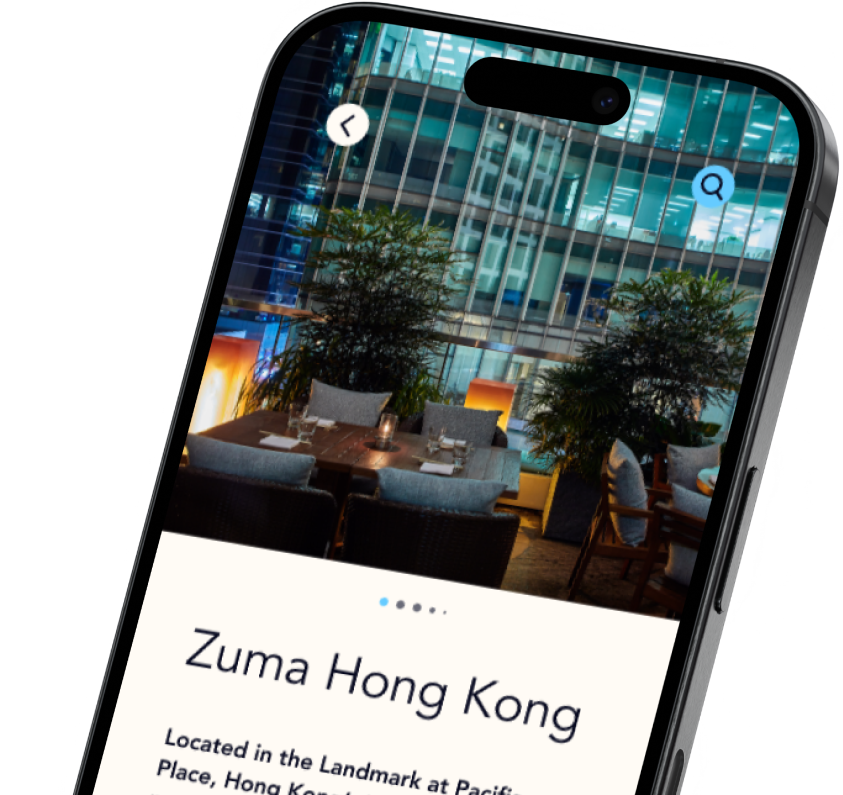
An NFP is a high-fidelity, interactive mockup of your app. Every screen looks exactly as the finished product will, the colors, the buttons, the typography, the imagery, and you can tap from screen to screen to experience the full flow. What it does not have is functionality. There is no database, no live payments, no real accounts. It simulates the experience without being the working software.
The showroom analogy is the clearest way to understand it. When you sit in a showroom car, the seats are real, the dashboard lights up, the doors close with a satisfying thunk. It feels like driving, even though the car is not going anywhere. The NFP is the same: it feels like using your app, which is precisely what makes it persuasive and useful, long before the engineering exists to actually run it.
Where the Prototype Fits in the Process
The prototype is not an afterthought or a throwaway sketch. It is the final, decisive step of the design phase, the moment your idea becomes something you can hand to another person. Chop Dawg’s design-before-code process moves deliberately toward it: user personas, then a sitemap, then black-and-white wireframes, then pixel-perfect high-fidelity designs, and finally the NFP. By the time it exists, every screen and flow has been thought through.
This sequencing is the whole point. You design before you code so that the expensive part, development, begins only after the experience is validated. The prototype is where validation happens, which is why it carries so much weight for both fundraising and risk reduction. Our design services treat it as the bridge between an idea on paper and a product worth building.
Using the Prototype to Raise Money
Investors hear pitches all day. What separates a memorable pitch is the ability to make the vision tangible. The NFP does that instantly. Instead of asking an investor to imagine your app from bullet points, you hand them a phone and let them use it. The idea stops being abstract and becomes an experience they can feel, where a slide deck never can.
Get Your Free 45-Minute App Roadmap
Meet 1-on-1 with our senior product team. We’ll map your MVP or enterprise app and hand you a personalized plan—clear scope, a realistic timeline, and fixed monthly costs—for iOS & Android, web, tablets & wearables, and AI.
Why Investors Respond to Something They Can Touch
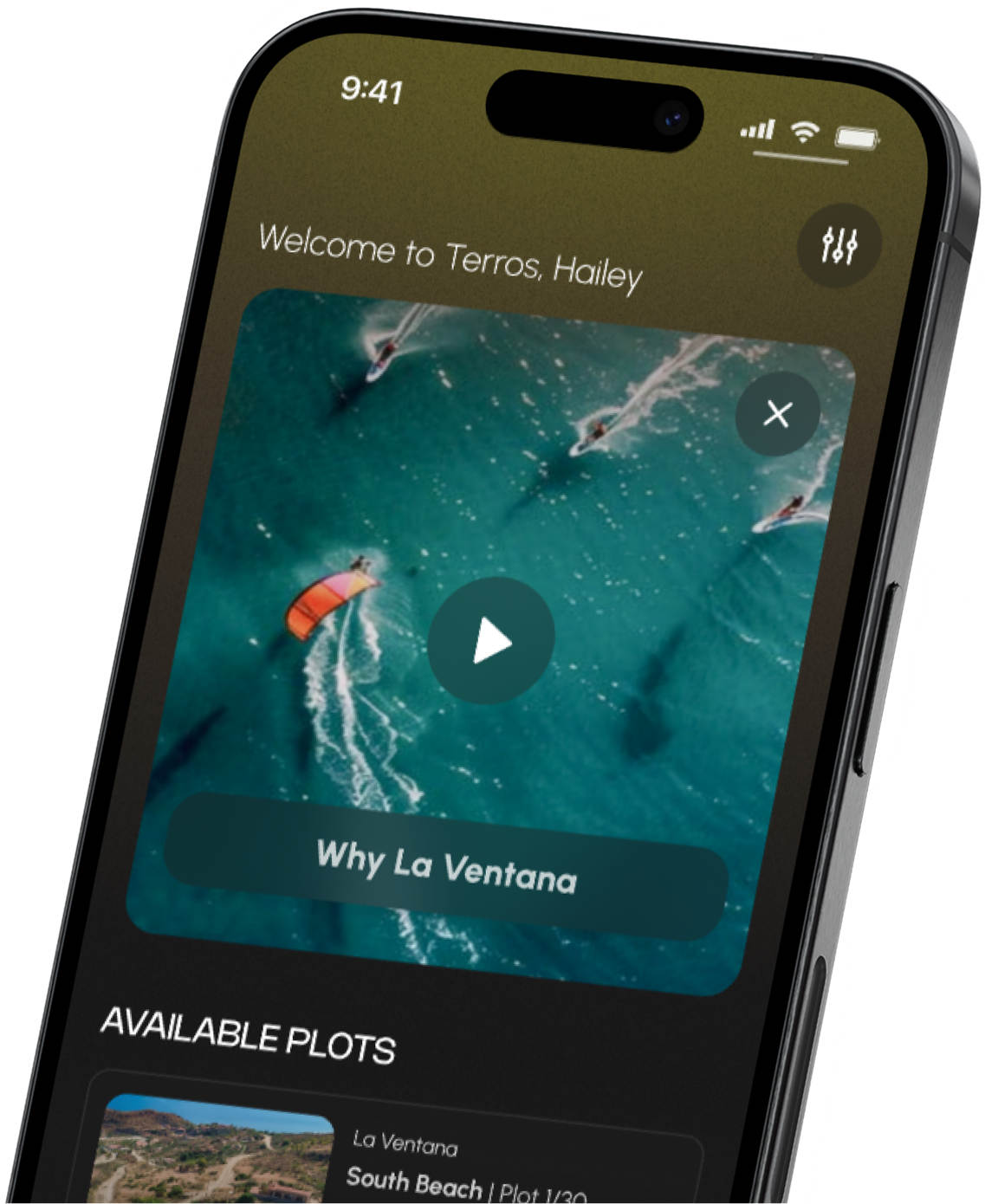
Funding is competitive and concentrated, with that record $252.6 billion in first-quarter 2026 North American venture capital flowing disproportionately to founders who can show, not just tell. A prototype signals three things at once: you understand your product in detail, you have done real work before asking for money, and you can communicate the vision clearly. It also lets investors poke at the actual user journey and ask sharper questions, which builds confidence. We have seen this firsthand: the team behind Terros, a fractional land-investment platform, used early, tangible builds and test setups directly in investor pitches, turning an ambitious concept into something backers could see and trust.
What to Show and What to Say
In an investor demo, walk through the core flow that proves your value, not every possible screen. Let them tap the path a real user would take to reach the “aha” moment. Pair the demo with your validation evidence and your roadmap of what comes after the minimum viable product, so the prototype anchors a larger story about a focused, fundable first build rather than a sprawling wish list.
Using the Prototype to De-Risk the Build
Fundraising is only half the prototype’s value. The other half is risk reduction, and for many founders it matters even more. Every flaw you catch in a prototype is a flaw you do not pay to build, debug, and rebuild in code.
Run Focus Groups Before You Write Code
Put the prototype in front of target users and watch them use it. Where do they hesitate? Which button do they expect that is not there? What did they think the app did versus what it actually does? These focus groups generate the kind of feedback that is priceless before development and painful after. Fixing a confusing flow in a design file takes hours; fixing it in shipped code takes far more.
The Hard Numbers on Catching Problems Early
The economics strongly favor prototyping. Products that go through three or more prototype iterations are 50% less likely to fail, and 85% of successful design projects start with a thorough research phase, according to DesignRush. In other words, the prototype is not an extra expense on top of the build. It is the step that makes the build far more likely to launch into a product people understand, because every flow you validate in design is a flow you do not pay to rebuild in code. That is the essence of de-risking: spend a little on design certainty to avoid spending a lot on development mistakes.
Prototype Versus Minimum Viable Product
Founders sometimes confuse the two, so it helps to be precise. An NFP simulates the app with no working code; it is for testing, pitching, and de-risking. A minimum viable product is real, functioning software, the leanest version users will actually use and pay for. The prototype comes first and informs what the MVP should be. You validate the experience with the prototype, then build the validated experience as your MVP. Many of the products across our startup app development work followed exactly that path, and the discipline of prototyping first is a core reason 92% of our partners come back to build again.
Frequently Asked Questions
What is a clickable prototype?
A clickable prototype, also called a non-functional prototype (NFP), is a high-fidelity, interactive mockup of your app where every screen looks like the finished product and you can tap through the full flow, but nothing is functionally wired up. Like a showroom car, it looks and feels real without actually running. It is built during design, before any code.
How is a prototype different from an MVP?
A prototype simulates the app with no working code and exists to test, pitch, and de-risk the idea. A minimum viable product is real, functioning software that users can actually use and pay for. The prototype comes first and tells you what your MVP should be, so you build a validated experience rather than a guess.
Can a prototype really help me raise money?
Yes. Investors respond far better to something they can hold and use than to a slide deck. The NFP makes your vision tangible, shows you have done real work, and lets investors explore the actual user journey. In a competitive funding market, that tangibility helps you stand out and build trust.
When in the process is the prototype built?
It is the final step of the design phase, before development begins. The sequence runs user personas, sitemap, black-and-white wireframes, high-fidelity designs, and then the clickable prototype. Building it last in design means every screen and flow has already been thought through before you put it in anyone’s hands.
How does a prototype reduce risk?
It surfaces flawed flows, confusing screens, and bad assumptions before they become expensive code. Running focus groups on the prototype reveals where users hesitate or misunderstand the app. Fixing those issues in a design file is fast and cheap; fixing them in built software is slow and costly, which is why prototyping lowers overall development cost.
Do I need a prototype if I already have funding?
Often yes, because the prototype’s de-risking value applies regardless of funding. Even fully funded, you benefit from validating the experience with real users before development, since catching problems early saves money and time. The prototype also keeps your team and stakeholders aligned on exactly what is being built.
Turn Your Idea Into Something People Can Touch
A clickable, non-functional prototype is where your idea stops being a pitch and becomes an experience, one you can put in front of investors to raise capital and in front of users to de-risk the build. It is the highest-leverage step you can take before development, and it is core to how we work. Since 2009, Chop Dawg has helped found and scale more than 500 products, with 92% of partners returning and 300+ five-star reviews across trusted directories like Clutch, GoodFirms, G2, Google, and TopDevelopers, and our design-before-code process delivers exactly this kind of prototype as a matter of course. We are a United States-headquartered and United States-led team, with senior American design and product leadership plus an in-house Brazilian design team and in-house development, quality assurance (QA), and project-management teams in Pakistan and India. Every one of them is in-house Chop Dawg staff assigned directly to your project, never a subcontractor or middleman. We work the same way whether you are a founder raising your first round or an established company de-risking a new initiative before it reaches engineering. Keep a fully-American team for regulated work or pick a cost-effective United States-plus-offshore blend at the same quality, and you always reach the real senior team through daily Slack and regular Zoom, not a lone salesperson fronting faceless developers. Book a free 45-minute consultation, bring your idea, and we will help you scope an honest minimum viable product and map the prototype that gets you funded and de-risked.


 15 Min