



















 12 Min



To raise a pre-seed round for an app startup in 2026, you need three things before you ask: a touchable product (a prototype or early minimum viable product), an early demand signal, and a founder story investors believe. Typical pre-seed rounds run about $250,000 to $1 million, according to Carta’s 2026 founder guide, with individual checks ranging from $10,000 angels to $500,000 micro-funds. The frustrating part is that pre-seed has no scoreboard: no revenue requirement, no formula, just judgment calls by people betting on you. This guide breaks down who writes pre-seed checks, what they need to see, how SAFEs work in plain English, and what a realistic raise timeline looks like.
Key Takeaways
- Pre-seed rounds for app startups typically total $250,000 to $1 million, raised from angels, micro-funds, syndicates, and accelerators.
- Before asking, you need a clickable prototype or early minimum viable product (MVP), a waitlist or other demand signal, and a credible founder story.
- Most pre-seed money is raised on a Simple Agreement for Future Equity (SAFE), which converts to shares at your next priced round.
- A realistic raise takes three to six months from first materials to money in the bank, so start before you are desperate.
- Raise enough to hit the milestones that unlock your seed round, usually 12 to 18 months of runway.
What a Pre-Seed Round Looks Like in 2026
Pre-seed is the first organized money into your company, raised before meaningful revenue and usually before a finished product. Rounds cluster between $250,000 and $1 million, checks arrive through convertible instruments rather than priced shares, and investors are underwriting the founder more than the metrics.
Who actually writes these checks? Four groups, each with different speed and expectations.
| Investor type | Typical check | Decision speed | What they add beyond money |
|---|---|---|---|
| Angel investors | $10,000 to $100,000 | Days to weeks | Mentorship, intros, industry expertise |
| Angel syndicates | $100,000 to $500,000 | Weeks | One negotiation, many supporters |
| Micro-funds and pre-seed VCs | $100,000 to $750,000 | Weeks to months | Institutional signal, follow-on potential |
| Accelerators | Standardized, often $100,000 to $500,000 | Application cycles | Network, structure, demo day |
What You Need Before You Ask
Pre-seed investors fund evidence of momentum, not ideas. Three assets consistently separate funded founders from frustrated ones: a touchable product, an early signal, and a story only you can tell.
The touchable product does not need code. A clickable non-functional prototype (NFP), which runs from about $10,000 and up to $20,000 to $25,000 for the largest design work, lets an investor tap through your actual product experience. If you have more budget, a lean MVP in the $25,000 to $30,000 range (full MVP builds run $25,000 to $60,000, with complex platforms at $75,000 to $150,000 or more) turns your pitch into a demo with real users attached.
The early signal proves someone besides your mother wants this: a waitlist with conversion context, pilot commitments, letters of intent from businesses, or pre-orders. Even 300 engaged waitlist signups from a niche audience beats vague claims about a billion-dollar market. The founder story explains why you specifically will outlast the hard parts. Lived experience with the problem, relevant domain expertise, and evidence of resourcefulness all count. Investors at this stage are betting on the person, so give them a reason.
SAFE Basics in Plain English
A Simple Agreement for Future Equity (SAFE) is the default pre-seed instrument: an investor gives you money now in exchange for the right to receive shares later, when you raise a priced round. Nothing converts until that future round happens, which keeps the paperwork fast and cheap.
Two terms do most of the work. The valuation cap sets the maximum company value used when the investment converts, protecting early investors if your next round prices high. The discount gives investors a percentage off the next round’s share price. A $100,000 SAFE at a $5 million cap converts to roughly 2% when your seed round arrives at or above that value. Model your stack of SAFEs before signing them, because five SAFEs at different caps can quietly hand over more of the company than you intended. To be clear, this section is education, not legal or financial advice: have a startup attorney review any SAFE before you sign, and never guarantee investors an outcome you cannot control.
Get Your Free 45-Minute App Roadmap
Meet 1-on-1 with our senior product team. We’ll map your MVP or enterprise app and hand you a personalized plan—clear scope, a realistic timeline, and fixed monthly costs—for iOS & Android, web, tablets & wearables, and AI.
A Realistic Pre-Seed Raise Timeline
Expect three to six months from preparation to wire transfers, not the two weeks founder Twitter suggests. Month one is preparation: deck, prototype, data room basics, and a researched list of 50 to 100 investors who actually write pre-seed checks in your category. Months two and three are meetings, where warm introductions dramatically outperform cold email and every no should be mined for feedback. Months three to six are closing: collecting commitments, letting momentum compress stragglers, and finalizing documents. Fundraising is a full-time job while it lasts, so plan the build around it rather than letting the product stall.
Two practical rules make the middle months less brutal. Batch your meetings tightly so investors feel the round moving, because scarcity is the only deadline pre-seed investors respect. And keep shipping visible progress during the raise: a waitlist that grew 40% between your first meeting and your follow-up does more persuading than any slide ever will.
How Chop Dawg Fits Into a Pre-Seed Raise
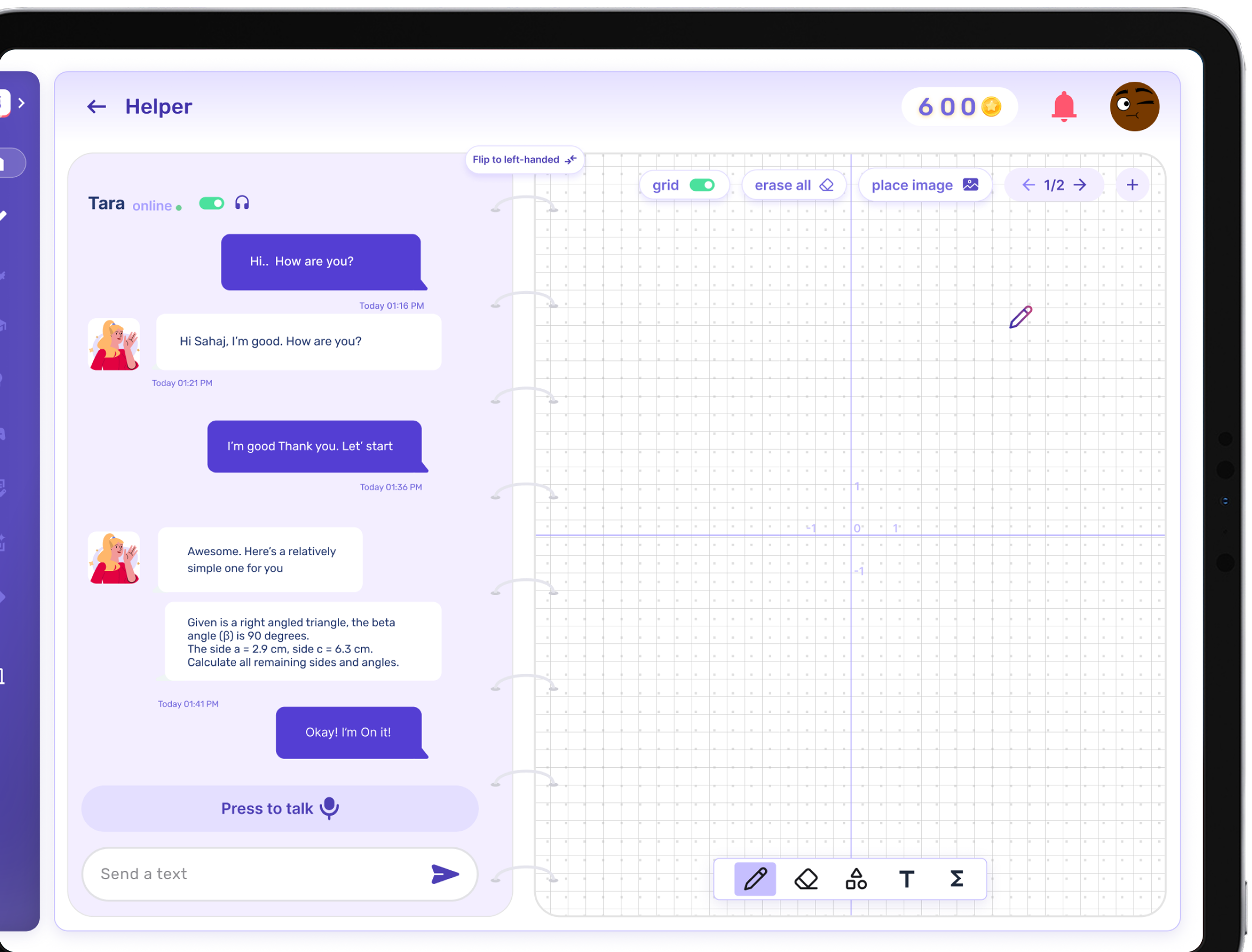
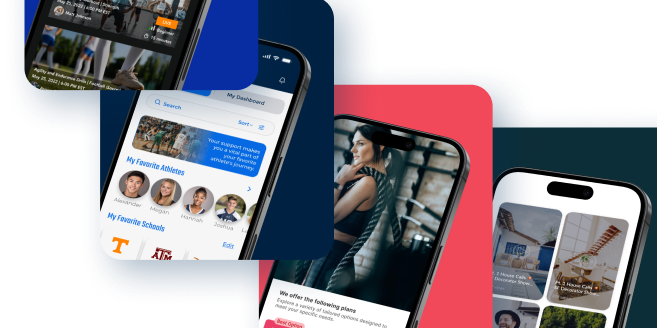
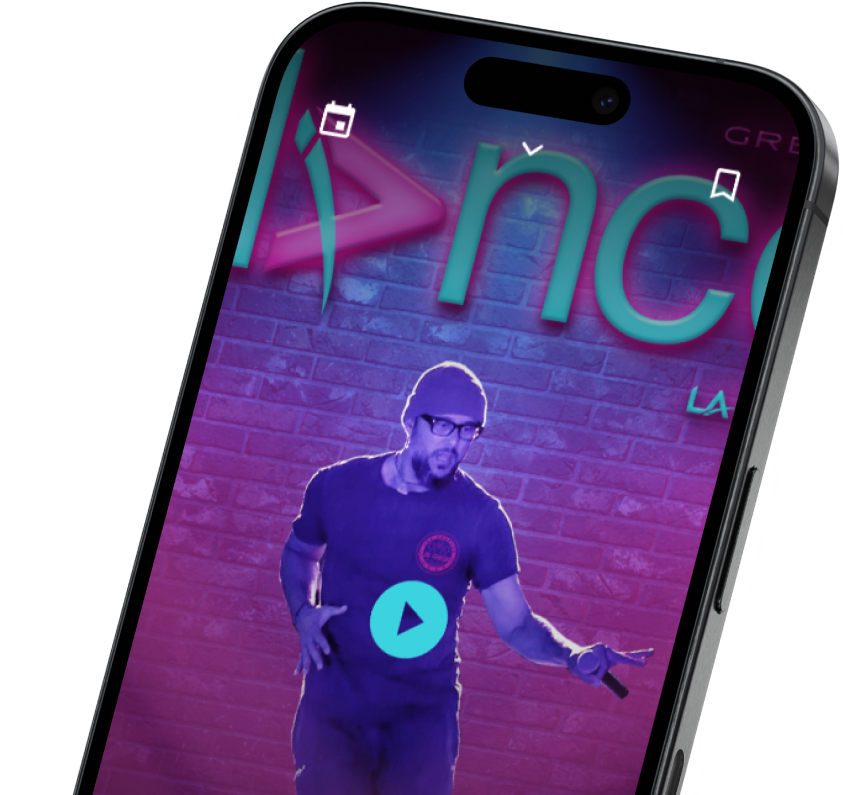
We build the asset you raise on. For DLD, Donald Legacy Defined, we designed an investor-ready prototype of a virtual sports training platform for founder Elliot Donald, who told us, “Thanks to their guidance, I was able to secure investor funding…” For HutHut, a real-time NFL prediction game, we delivered a fully clickable prototype built specifically as an investor pitch tool, simulating live gameplay with no backend at all. Founder Mark McNeely said, “I chose to work with them because of their strong track record, stellar client ratings, great cultural fit, and a flexible fixed payment plan that aligned perfectly with our monthly budget…”
Since 2009 we have run this playbook with a US-headquartered, US-led team: American leadership, product and project management, senior design, senior development, and senior quality assurance (QA), supported by our in-house Brazilian design team and in-house development, QA, and project-management teams in Pakistan and India. Everyone is Chop Dawg in-house, assigned directly to your project, fluent in English, on US hours. That kills the two fears that burn early-stage founders: the American front man hiding subcontracted offshore developers, and the anonymous overseas shop with zero accountability or time-zone overlap. Fixed monthly budgets and transparent timelines mean your raise plan and build plan stay synchronized. See our proven process, design services, and current pricing for how the pieces fit.
Frequently Asked Questions
How much should an app startup raise at pre-seed?
Raise enough to reach the milestones that unlock your seed round, typically 12 to 18 months of runway. For most app startups that lands between $250,000 and $1 million, covering an MVP build, early team costs, and enough marketing to generate real traction data.
Do I need revenue to raise a pre-seed round?
No. Pre-seed investors expect evidence of demand, not revenue: a clickable prototype, a growing waitlist, pilot agreements, or strong founder-market fit. Revenue helps and strengthens your terms, but requiring it would defeat the entire purpose of pre-seed capital, which exists to fund the road to revenue.
What is a SAFE in simple terms?
A Simple Agreement for Future Equity is a contract where an investor pays you now and receives shares later, when your next priced round sets a valuation. A valuation cap and discount determine how favorably their money converts. It is fast, standard, and cheap to execute.
How long does a pre-seed raise take?
Plan on three to six months from preparing materials to money in the bank. Preparation takes about a month, investor meetings run six to ten weeks, and closing commitments plus paperwork fills the rest. Starting early beats raising desperate every time.
Can a solo founder raise a pre-seed round for an app?
Yes, though it is statistically harder because many investors prefer teams. Solo founders who raise successfully usually compensate with deep domain expertise, a working prototype, and visible execution speed. A strong development partner also reassures investors the product side is covered.
Should I build an MVP or a prototype before raising?
Start with a clickable prototype from about $10,000: it is the fastest, cheapest asset that makes your pitch touchable. If you can afford a lean MVP at $25,000 to $30,000, real users and retention data strengthen your leverage and your valuation cap further.
Raise on Evidence, Not Hope
A pre-seed round comes together when a touchable product, a real demand signal, and a believable founder story meet a well-run process. Build the evidence first and the checks follow far more often. If you want help creating the prototype or MVP your raise depends on, book a free 45-minute consultation, open to brand-new founders and established companies alike, and useful whether or not you hire us. Founded in 2009 and now in our 18th year, Chop Dawg has shipped 500+ products used by over 1 billion people, keeps 92% of partners coming back, and holds 300+ five-star reviews across trusted directories like Clutch, GoodFirms, G2, Google, and TopDevelopers. Explore our success stories for more prototype-to-funding journeys.



 15 Min