


















 15 Min

To build an e-commerce app in 2026, you need a core set of features (product catalog, search, cart, secure checkout, payments, order tracking, push notifications, and an admin dashboard), a realistic timeline of about 6 to 8 months for a quality minimum viable product, and a budget that usually lands between $25,000 and $60,000 for a focused first version, while more complex or multi-feature builds run $75,000 to $150,000 or more. That is the honest answer most “build an e-commerce app” guides bury. The payoff is real: global retail e-commerce sales are forecast to reach $6.88 trillion in 2026, according to Shopify’s Global Ecommerce Sales Growth Report. If you have ever felt paralyzed by conflicting cost estimates and feature creep, this guide walks you through every step, what it costs, and how to avoid the mistakes that sink most first-time builders.
Key Takeaways
- A focused e-commerce minimum viable product (MVP) typically costs $25,000 to $60,000 and takes about 6 to 8 months, including 24 to 48 hours for Apple App Store and Google Play Store review, plus a one to two week buffer in case of rejections; complex or enterprise builds run $75,000 to $150,000+.
- Your non-negotiable core features are a product catalog, search and filtering, cart, secure checkout, payments, order tracking, and an admin dashboard.
- React Native is the smart default for building once and shipping to both iOS and Android, with native Swift or Kotlin added only where a feature demands it.
- Validate demand before you write a line of code, then ruthlessly cut your first release to the smallest version that proves the model.
- Plan for payments, taxes, and security early; retrofitting compliance and fraud controls late is where budgets balloon.
What Is an E-Commerce App and Its Core Features
An e-commerce app is a mobile or web product that lets customers browse, buy, and track goods or services directly from their phone, while giving you a backend to manage inventory, pricing, promotions, and orders. It is more than a mobile version of a website. A well-built app uses push notifications, saved payment methods, and personalized recommendations to drive repeat purchases that browser shopping rarely matches.
The features that define a credible first version are consistent across categories. You need a clean product catalog with categories and high-quality imagery, fast search and filtering, a persistent cart, and a frictionless checkout. Behind that, you need secure payment processing (Stripe, Apple Pay, Google Pay), tax and shipping calculation, order management and tracking, a loyalty or rewards layer, and an admin dashboard where your team updates products, runs promotions, and reads analytics in real time. Everything else is a phase-two enhancement. Our overview of what we do explains how these pieces fit a real product roadmap.
How to Build an E-Commerce App: Step by Step
- Validate the idea. Confirm there is a real audience and a reason they would buy through your app instead of an existing marketplace. Interview prospective buyers, study competitors, and pressure-test your margins before committing budget.
- Define the minimum viable product. List every feature you can imagine, then cut to the few that prove the core transaction works. A tight MVP ships faster, costs less, and teaches you what to build next.
- Design from wireframes to a clickable prototype. Start with low-fidelity wireframes for each screen, move to high-fidelity mockups, then build a clickable, non-functional prototype (NFP) in Figma you can put in front of users. An NFP is a clickable mockup of your screens and flows, not a working coded app, so you can test the real experience first. Fixing flows here costs a fraction of fixing them in code. See our design services for how this stage works.
- Choose the stack. Lock in your technology before development so the architecture supports payments, inventory sync, and future scale (more on the recommended stack below).
- Build. Develop in two-week sprints with code reviews and a shared backlog so you see progress and own the code as it ships. Our proven process keeps each milestone visible.
- Test and run quality assurance. Test every path: failed payments, out-of-stock items, refunds, network drops, and security edge cases. E-commerce bugs cost real money, so this stage is not optional.
- Launch and pass store review. Submit to the Apple App Store and Google Play Store, budgeting 24 to 48 hours for review in 2026 plus a one to two week buffer for any rejections, and accounting for payment and privacy requirements.
- Iterate. Use real purchase data to refine search, checkout, and promotions. The first release is a starting line, not a finish line.
Recommended Tech Stack
- React Native lets you build one codebase that ships to both iOS and Android, cutting cost and keeping features in sync across platforms.
- Native Swift or Kotlin is added selectively when a feature (advanced camera, payment hardware, deep platform integration) needs true native performance.
- React powers a fast, modern admin dashboard and any companion web storefront your team manages.
- Node.js drives the backend, handling product data, orders, payments, and real-time inventory through clean application programming interface (API) endpoints.
- Google Cloud Platform, Amazon Web Services, or Microsoft Azure hosts it all with the security, scalability, and uptime an e-commerce business depends on during traffic spikes.
We deliberately favor this proven, native-friendly stack over no-code shortcuts because an e-commerce app has to scale, stay secure, and remain fully yours. You can read more in our development services overview.
Get Your Free 45-Minute App Roadmap
Meet 1-on-1 with our senior product team. We’ll map your MVP or enterprise app and hand you a personalized plan—clear scope, a realistic timeline, and fixed monthly costs—for iOS & Android, web, tablets & wearables, and AI.
Realistic Timeline and Cost by Phase
| Phase | Timeline | Cost Band |
|---|---|---|
| Planning and validation | About 1 month | Included in project scope |
| User interface and user experience (UI/UX) design and prototype | 1 to 2 months | $8,000 to $18,000 |
| Development and QA | 3 to 4 months | $17,000 to $42,000 |
| Launch and store review | About 1 to 2 weeks (24 to 48 hour review, buffer for rejections) | Included in project scope |
| Focused MVP total | About 6 to 8 months | $25,000 to $60,000 |
| Complex or enterprise build | 8 to 12+ months | $75,000 to $150,000+ |
Artificial intelligence (AI) and agent-assisted coding (using tools like Claude Code and Cursor, with engineers reviewing and editing every change rather than “vibe coding”) have cut 2020-to-2023 costs and timelines roughly in half, which is why these bands are tighter than older estimates. For a fuller breakdown, see our app development costs and pricing guide.
Common Pitfalls
- Overbuilding the first release. Founders pack in wish lists and blow the budget before validating that anyone will buy. Ship the core transaction first.
- Treating payments and tax as an afterthought. Payment flows, sales tax, refunds, and fraud prevention are core, not polish. Bolting them on late is expensive and risky.
- Ignoring the admin side. If your team cannot update products and read sales data easily, the app stalls the day it launches.
- Underestimating store review. Review itself is fast in 2026, usually 24 to 48 hours, but a rejection can throw you back into the queue for days, which catches teams that planned a marketing launch for the wrong week. Keep a one to two week buffer.
- Skimping on quality assurance. In e-commerce, a checkout bug is lost revenue and lost trust. Budget real time for testing.
How Chop Dawg Built LA Gear’s Commerce-Driven App
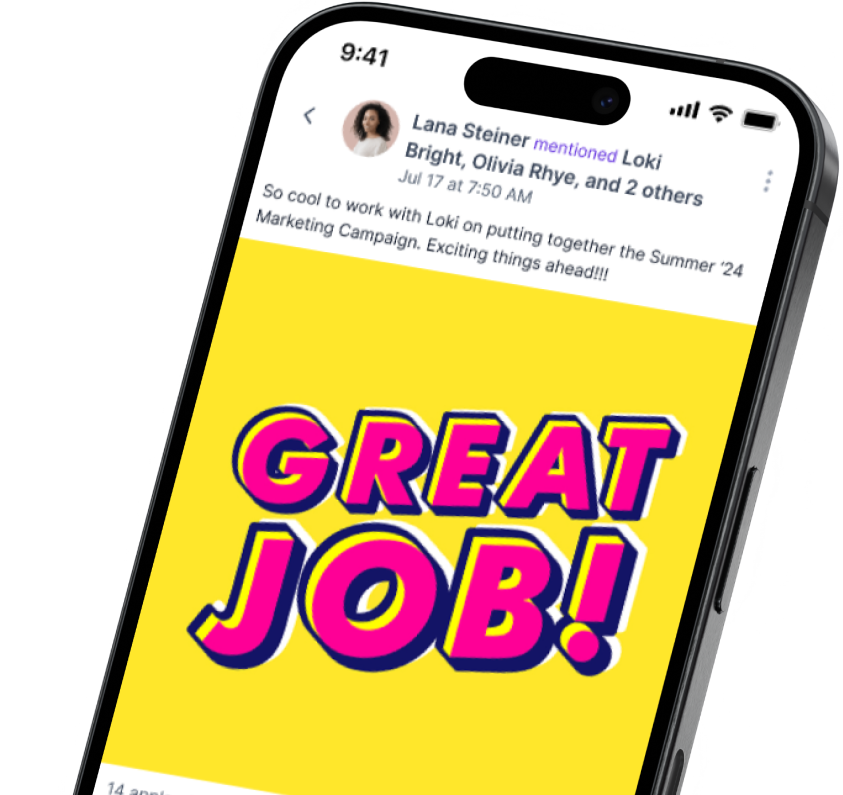
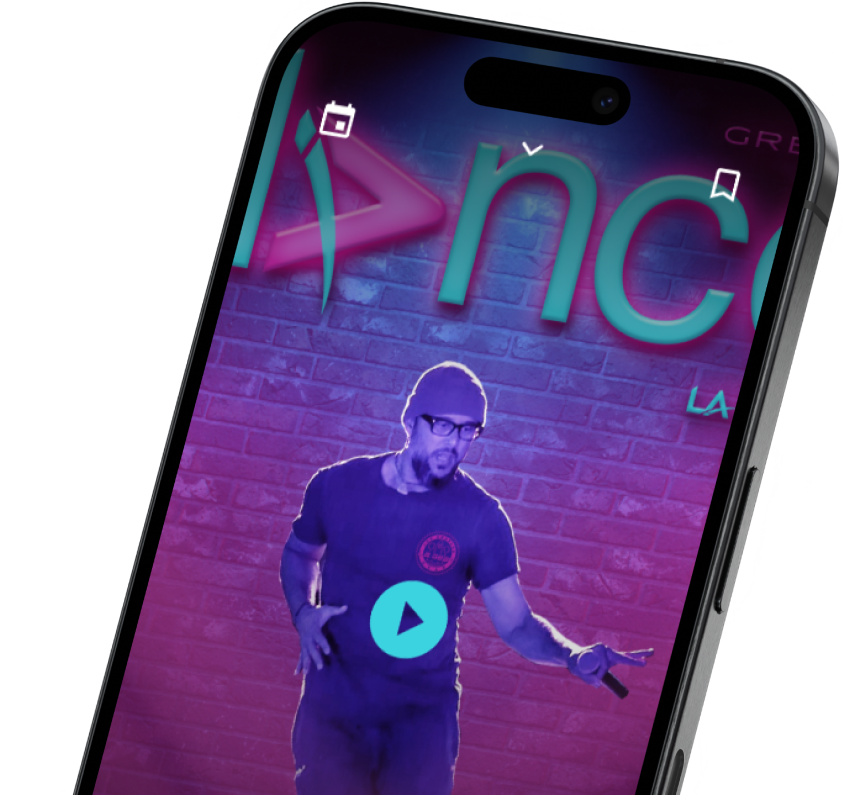
When the iconic American brand LA Gear wanted to unite dance-driven fitness with shopping, they partnered with Chop Dawg to build a custom iPhone and Android app blending workouts, community, and an integrated store where earned badges unlocked instant discounts. The result speaks to what a well-designed commerce experience can do: over 80% of initial users returned monthly, and integrated merchandise sales rose as gamified rewards kept shoppers inside the LA Gear ecosystem. You can read the full LA Gear success story to see how design and commerce came together. We brought the same commerce rigor to Bidr, where we reinvented collectible auctions and live commerce with real-time bidding and secure checkout, proving the catalog, payments, and transaction-safety patterns that any serious storefront depends on. It is the kind of work that has earned Chop Dawg the trust of retail and commerce brands like Petland, Rhodes 101, Wawa, and Hilton since 2009.
Frequently Asked Questions
How much does it cost to build an e-commerce app in 2026?
A focused e-commerce MVP usually costs $25,000 to $60,000, while a complex or enterprise build runs $75,000 to $150,000 or more. The range depends on feature depth, integrations, and how many platforms you launch on. Validating and trimming your scope first is the most reliable way to control cost.
How long does it take to build an e-commerce app?
Plan for about 6 to 8 months for a quality minimum viable product. That includes roughly one month of planning, design, development and testing, and about 24 to 48 hours for Apple App Store and Google Play Store review in 2026 plus a one to two week buffer for any rejections. Complex builds with heavy integrations take longer.
Should I build with React Native or go fully native?
React Native is the smart default because one codebase ships to both iOS and Android, saving time and money while keeping features in sync. We add native Swift or Kotlin only for specific features that need true native performance, giving you the best of both without paying to build everything twice.
What features does an e-commerce MVP actually need?
A first release needs a product catalog, search and filtering, a cart, secure checkout, payment processing, order tracking, and an admin dashboard. Loyalty programs, advanced personalization, and AI recommendations are valuable phase-two additions once the core buying experience is proven with real customers.
Can I integrate my existing inventory or payment systems?
Yes. A well-architected app connects to existing inventory, point-of-sale, payment, and tax systems through application programming interfaces (APIs). Planning these integrations during the design phase keeps development clean and prevents the costly rework that comes from discovering them mid-build.
Do I own the code and the app once it is built?
With Chop Dawg, yes, always. You see and own everything, code and intellectual property, throughout the project. We work as a partner, not an agency, with fixed-monthly pricing and the freedom to end the engagement anytime.
Ready to Build Your E-Commerce App?
Building an e-commerce app is a serious investment, and the difference between a product that scales and one that stalls usually comes down to the planning you do before development starts. Since 2009, Chop Dawg has launched 500+ products used by more than a billion people, and 92% of our partners come back for more, backed by 300+ five-star reviews across trusted directories like Clutch, GoodFirms, G2, Google, and TopDevelopers. We are United States-headquartered and United States-led, with the American team holding leadership, product and project management, and senior development, design, and QA, complemented by an in-house Brazilian design team and in-house development, QA, and project-management teams in Pakistan and India. Everyone is in-house Chop Dawg, never a subcontractor or middleman, and assigned directly to your project. So you can keep a fully-American team (the route for government and regulated work) or pick a cost-effective United States-plus-offshore blend that delivers the same quality, timelines, and experience, and you always reach the real senior team either way. That mix is how we help both first-time founders launching a new store and established retailers modernizing or scaling an existing one. Book your free 45-minute consultation and let’s talk through exactly what your app will take, whether or not you decide to build with us.



 15 Min