




















 19 Min


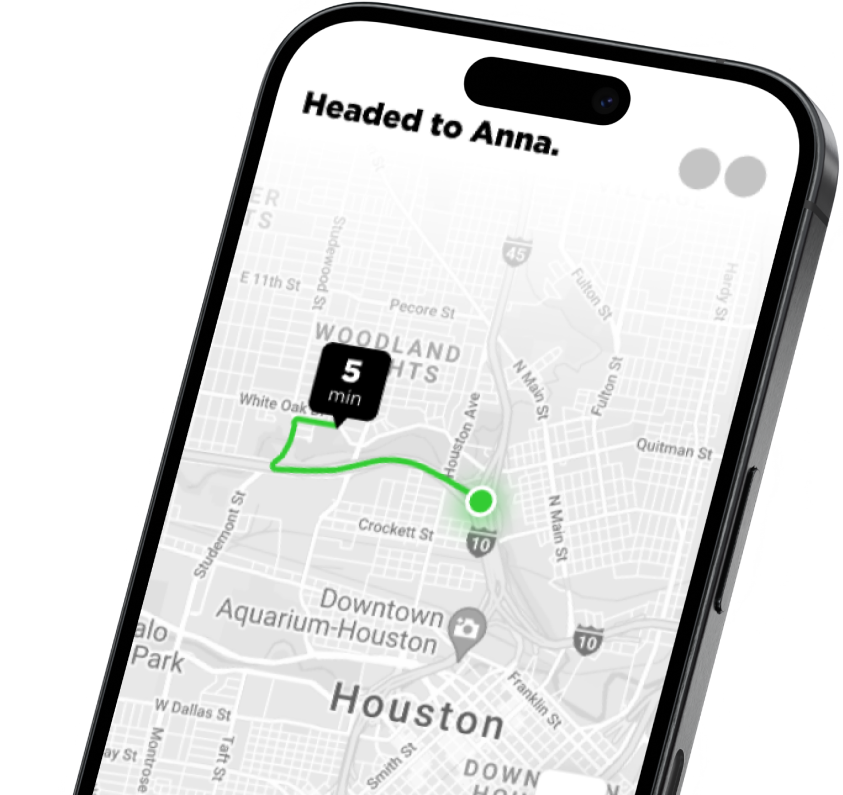
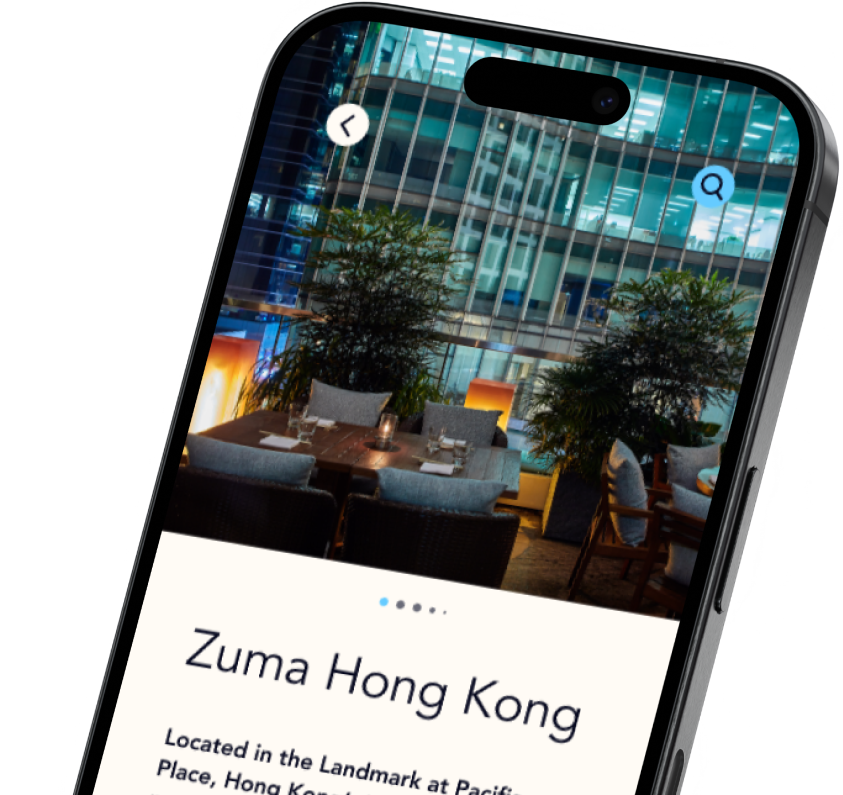
Users open your app and see nearby restaurants, bars, events, or shops on a map. They read reviews from other users. They see real-time data: wait times, crowd levels, what’s popular right now. They get personalized recommendations based on their history and preferences. They share discoveries with friends.
Location-based discovery is a powerful category. Think about what apps like Yelp, Foursquare, or Untappd do: they’ve built massive businesses by helping people discover places and deciding where to go.
Building a location-based discovery app requires a thoughtful approach to mapping APIs, recommendation algorithms, privacy, and monetization. Get it right and you have an engaging app people check daily. Get it wrong and you’re just another map with pins.
The Core Technical Requirements
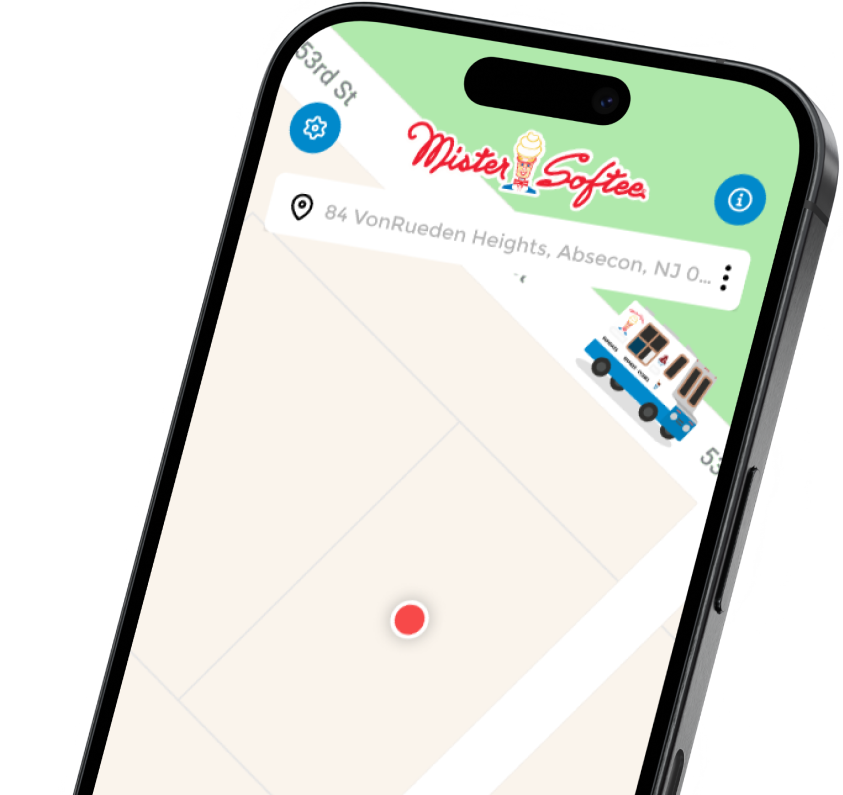
Mapping and Geolocation APIs. This is your foundation. Google Maps Platform is the industry standard, offering map display, geocoding, places search, and direction routing. Mapbox is a powerful alternative with more customization and offline map support.
Choose based on your specific needs. If you need massive scale and don’t need offline functionality, Google Maps is easier. If you need custom map styling, offline support, or want more control over the data, Mapbox is worth the investment.
Both APIs let you:
- Display interactive maps
- Retrieve nearby places (restaurants, shops, events)
- Geocode addresses to coordinates
- Reverse geocode coordinates to addresses
- Calculate routes and distances
You’ll be calling these APIs constantly, so costs matter. Google Maps charges per API call. Mapbox charges based on map views and geocoding requests. Budget for this in your financial model. If your user engagement is higher than expected, API costs can become significant.
Geolocation Services. Your app needs to know where the user is. On iOS, use Core Location. On Android, use Google Play Services Location API. React Native can access native location APIs through libraries like react-native-geolocation-service.
Handle permissions carefully. Users need to grant location access, and many hesitate because of privacy concerns. Request location permission when the user opens the discovery tab, not on first launch. Explain why you need it. This improves permission grant rates dramatically.
Real-Time Data. Beyond static place information, real-time data differentiates good apps from great ones. Live wait times, current crowd levels, real-time special offers. Integrate with venue systems if possible. If venues don’t provide APIs, crowdsource data from your user base.
Crowdsourced data comes with challenges. How do you verify it’s accurate? How do you handle spam or malicious data? Build reputation systems where users who consistently provide accurate data get more weight. Flag anomalies automatically.
Review and Rating Systems That Work
Reviews are what make discovery apps sticky. But reviews create complexity.
Moderation at Scale. Fake reviews, competitors slandering each other, spam. As soon as you launch reviews, bad actors show up. You need moderation.
Start with community moderation (users flag inappropriate reviews) combined with algorithmic detection. Reviews that are obviously fake (all one-star ratings from accounts created yesterday) get flagged. Review text gets scanned for spam patterns.
Hire human moderators if you reach scale. Invest in this early. Credibility of reviews determines whether your app becomes a trusted discovery tool or a spam board.
Incentives for Quality Reviews. Users who write detailed, helpful reviews should be rewarded. Recognition systems (badges for top reviewers), highlighting their reviews more prominently, community status. Don’t pay for reviews; it creates perverse incentives. But recognize quality contributions.
Photo and Video Content. Venues care about how they’re represented. Users want to see recent photos of places, not 2018 pictures from before a renovation. Encourage users to upload recent photos. Prioritize new content over old. This keeps the app feeling current.
Provide venue owners ways to upload official photos and updates. Even if most venues never engage, the ones that do help significantly with credibility.
Recommendation Algorithms
This is where location-based apps get really interesting. Generic “here are places near you” is fine, but personalized recommendations drive engagement.
Collaborative Filtering. Users with similar preferences like similar places. If User A and User B both love sushi restaurants and craft cocktails, recommend places User B loves to User A. This requires building user preference profiles from their check-ins, reviews, and saved places.
Content-Based Filtering. Recommend places similar to places the user already loves. If someone rates Italian restaurants highly, recommend other Italian restaurants nearby. If they love dive bars, recommend other dive bars.
Hybrid Approaches. Combine collaborative and content-based filtering. Consider context (time of day, day of week, weather). People want different recommendations Saturday night versus Tuesday lunch.
Cold Start Problem. New users have no history, so recommendations are generic. This is a real problem. Solve it by having new users quickly indicate preferences (cuisine types, bar types, experience preferences) before generating recommendations. Or show trending venues everyone’s discovering.
Recommendations take time to get right. Start simple. Your recommendation engine will improve as you gather more data.
Proximity Notifications
One of the most engaging features of location apps is proximity notifications: “You’re near your favorite coffee shop. Want to see their menu?”
Implement geofencing to trigger notifications when users are near venues they’ve saved or marked as favorites. Don’t spam. One notification per venue per visit. Respect notification frequency limits.
Time-sensitive offers (“Happy hour at this bar in 30 minutes”) are more valuable than generic ones. Partner with venues to send real offers through your app.
Be careful here. Users who receive too many notifications disable them entirely. Quality over quantity always wins with notifications.
Get Your Free 45-Minute App Roadmap
Meet 1-on-1 with our senior product team. We’ll map your MVP or enterprise app and hand you a personalized plan—clear scope, a realistic timeline, and fixed monthly costs—for iOS & Android, web, tablets & wearables, and AI.
Business Models: How Location Apps Make Money
There are several viable models for monetizing location discovery:
Venue Advertising and Listing Enhancement. Venues pay for better placement, promoted listings, or enhanced profiles. Premium features like photo galleries, menus, or reservation integration. This is what Yelp does.
Keep a clear separation between organic discovery (what users see based on reviews and engagement) and paid promotion (what venues pay for). Users will sense if recommendations are paid and trust erodes.
Affiliate Commissions. Partner with OpenTable for reservations or with delivery apps. You get a commission when users book through your app. This works well if your audience actively books reservations.
Subscriptions. Premium features for power users: unlimited bookmarks, advanced filters, no ads, offline access, or early access to new features. Expect 2-5% of users to subscribe to most consumer location apps.
Partnerships and Licensing. License your venue database or recommendation algorithms to other companies. This requires massive scale. Not something to plan for at launch.
Advertising. Targeted ads to users based on location and interests. This is increasingly fraught with privacy concerns, but it works. Use it carefully and transparently.
Most successful location apps use multiple models. Combine venue listings with affiliate revenue, subscription features, and targeted advertising.
Venue Acquisition and Data
You need comprehensive, accurate venue data. You have three options:
Use Google Maps Places API or Foursquare Places API. They handle data collection and updates. You save months of work. Downside: you’re dependent on their data quality and you pay per API call.
Build your own database. Venue coordinators systematically add and verify venues. Takes time and resources, but you own the data. Competitors can’t undercut you on data.
Crowdsource. Users add venues and verify information. Wikipedia-style community curation. This works once you have enough users, but you’re dependent on community participation.
Most startups use Google Maps or Foursquare initially, then gradually build their own data advantage. The venues you cover comprehensively in your initial launch areas become a competitive advantage.
Privacy Considerations
Location data is sensitive. Users worry about being tracked. Laws like GDPR and CCPA regulate location data. Handle this carefully.
Be Transparent About Data Use. Explain clearly why you collect location data and what you do with it. Get explicit consent before collecting and storing location history.
Provide Privacy Controls. Let users disable location tracking at any time. Let them delete history. Let them see what data you have about them. These aren’t nice-to-haves; they’re increasingly required by law.
Don’t Sell Location Data. Selling individual user location data is a red line for trust. Many users will abandon your app if they discover you’re selling their whereabouts. Don’t do it. You can sell anonymized, aggregate insights (“this neighborhood is trending”), but not individual tracking data.
Minimize Data Retention. Delete location history that’s no longer useful. Don’t hold onto years of where every user went. This reduces your liability and increases user trust.
Comply with Local Laws. GDPR in Europe, CCPA in California, and dozens of other regulations govern location data. Know what applies to your users and comply. Don’t assume U.S. regulations only apply in the U.S.
Social Features
Discovery is more fun with friends. Build social into your app:
Check-Ins and Feed. Users check in at venues. Their friends see it in a feed. This creates social proof (“lots of people are here”) and encourages discovery.
Sharing and Collections. Users create lists of favorite places, bucket lists, or recommendations. They share these with friends. Shared collections create network effects.
Leaderboards and Badges. Gamification drives engagement. Badges for visiting diverse neighborhoods, trying new cuisines, or discovering obscure places. Leaderboards for most check-ins or most helpful reviews.
Be careful not to turn this into a game that divorces the app from its actual purpose (finding great places). Gamification should enhance discovery, not distract from it.
Technology Stack for Location Apps
Mobile. React Native for cross-platform development or Swift/Kotlin if you need specific platform features. Location-intensive apps benefit from native performance, but React Native is fine for most use cases.
Backend. Node.js or Python. Python is particularly good if you’re building recommendation algorithms because of libraries like scikit-learn and TensorFlow. Node.js is fine if you’re focused on API services.
Database. PostgreSQL for your relational data (users, reviews, check-ins). Redis for real-time data (current crowd levels, trending venues). Elasticsearch or similar for full-text search across venue names and reviews.
Geospatial Indexing. If you’re searching for venues by distance, geospatial indexing is essential. PostGIS with PostgreSQL works great. This makes “find all restaurants within 5 miles” queries instant instead of slow.
Development Timeline and Cost
A focused location-based discovery app for a single city or category of venues costs roughly $40,000 to $80,000 depending on complexity.
Basic MVP (map, venues, reviews): 8-12 weeks, toward the lower end. Add geospatial search, recommendations, and social features: 16-20 weeks, toward the higher end. Complex recommendation algorithms or venue APIs add time and cost.
Launch in one city. Prove the concept. Expand to additional cities. Building initially for national scale costs 2-3x more and introduces complexity (data coverage, moderation at scale) that you’re not ready for.
What Makes Location Apps Succeed
Winning location discovery apps share common traits: they solve a real discovery problem (“where should we go?”), they have more comprehensive or better-organized venue information than competitors, they have active communities providing reviews and recommendations, they respect user privacy, and they make money in ways that don’t undermine the product.
Most failed location apps tried to do too much (food delivery, reservation management, payments, social network) before nailing core discovery. Start with discovery. Everything else is secondary.
Getting Started
If you’re building a location discovery app, start by picking a specific category (restaurants, bars, coffee shops, events) and a specific geography (one city). Make the discovery experience better for that niche before expanding.
Integrate with Google Maps or Foursquare for initial venue data. Build a strong review and rating system. Make recommendations good enough that users check your app when they want to discover something new.
Measure engagement. Track how often users check your app, how long they spend, whether they’re discovering new places. If engagement is good, expand category or geography. If engagement is weak, that tells you something fundamental isn’t working.
If you’re ready to build a location discovery app, Chop Dawg has worked with location-based startups to build products people check daily. We understand mapping APIs, recommendation algorithms, and the product choices that drive engagement. Schedule a free 45-minute consultation at chopdawg.com to discuss your vision.
Frequently Asked Questions
Should we use Google Maps API or Mapbox?
Google Maps is the industry standard with the most comprehensive data and easiest integration. Use it if you want maximum coverage and don’t need offline functionality. Mapbox is better if you need custom map styling, offline support, or want to reduce API costs at scale. For most startups, Google Maps is the right starting point.
How do we handle fake reviews?
No system is perfect, but start with community flagging (users report inappropriate reviews) combined with algorithmic detection (review patterns that seem fake get flagged). Don’t rely on this at scale. Hire human moderators as you grow. This is critical because fake reviews destroy app credibility.
What’s the cheapest way to get venue data?
Use Google Maps Places API or Foursquare Places API initially. They handle data collection and updates. You pay per API call but save months of work building your own database. As you scale, you can build your own database for competitive advantage. Most startups use APIs first, then transition to owned data.
How do location-based discovery apps make money?
Multiple models: venue advertising and premium listings, affiliate commissions from reservations or delivery, subscriptions for premium features, partnerships licensing your data, and targeted advertising. Most successful apps use multiple models. Start with one that makes sense for your audience, then add others as you scale.
What privacy regulations apply to location data?
GDPR in Europe, CCPA in California, and dozens of other regulations govern location data. The core requirements: be transparent about data use, get explicit consent, let users delete their data, don’t sell individual location data, and comply with local laws where your users are. This isn’t optional. Factor compliance into your design from day one.
How do geofencing and proximity notifications work?
Geofencing creates a virtual boundary around a venue. When the user’s phone enters the boundary, you can trigger a notification. This is powerful for sending venue-specific offers or reminders. Don’t overuse it. One notification per venue per visit maximum. Users will disable notifications if you spam them.
Should we launch nationally or start in one city?
Start in one city. Get venue data comprehensive for that city. Build community there. Prove the concept works. Expand once you’ve nailed discovery for one geography. Building nationally at launch creates massive complexity (data coverage, moderation, city-specific features) you’re not ready for.
How important are recommendations compared to just showing nearby venues?
Very important for engagement. Showing nearby venues is table stakes. Personalized recommendations are what drive users to check your app regularly. This doesn’t require machine learning initially. Basic preference tracking (users indicate what they like) combined with showing places similar users enjoy works well. Invest in recommendations as you scale.


 15 Min