















 15 Min


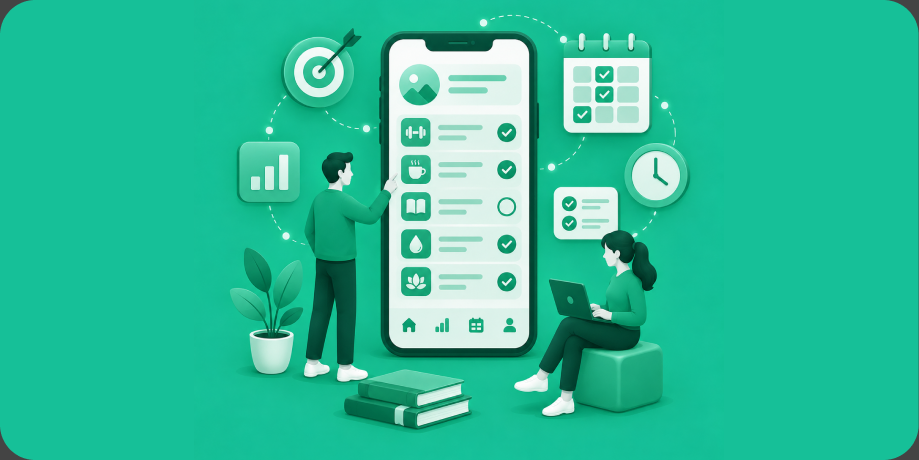
If you want to build a habit tracker or productivity app in 2026, understand one thing before writing a single line of code: retention design is the product. Features are easy to copy; a loop that brings people back on day 40 is not. The market rewards teams that get this right. Grand View Research valued the global productivity management software market at $59.88 billion in 2023, projected to reach $149.74 billion by 2030 at a 14.1% compound annual growth rate. The economics are attractive too: subscription revenue, no marketplace cold-start problem, and light compliance. This guide covers the habit loop mechanics, must-have features, realistic costs, and the retention mistakes that quietly kill most trackers.
Key Takeaways
- Habit and productivity apps live or die on retention mechanics: cue, routine, reward, and accumulated investment, not on feature count.
- Streaks need grace windows; punishing one missed day is the single most common self-inflicted churn wound in the category.
- Home screen widgets and well-timed reminders are the cue layer, and apps with widgets see meaningfully more daily opens than app-icon-only competitors.
- Subscriptions are the standard business model, and digital subscriptions must use Apple and Google billing, at 15% commission for most startups under $1 million in revenue.
- A focused MVP runs about $25,000 to $60,000 over 3 to 6 months, with feature-rich platforms reaching $75,000 to $150,000.
What a Habit Tracker or Productivity App Is (and How It Makes Money)
A habit tracker helps people build or break behaviors through check-ins, streaks, reminders, and progress feedback, while broader productivity apps extend into goals, tasks, courses, and focus tools. Both monetize the same way: a free tier that proves value fast, and a subscription unlocking depth like unlimited habits, analytics, and personalization.
The category’s advantage is simplicity of value: users know within days whether the app helps. Its brutal edge is that abandonment is just as fast. Industry analyses consistently show most apps lose the large majority of new users within the first weeks, which is why everything in this guide bends toward one goal: getting a user through their first 21 days.
Retention Design Is the Product
The habit loop is the engineering spec: a cue prompts the behavior, the routine is logged in seconds, a reward makes completion feel good, and accumulated investment (streaks, history, insights) makes leaving costly. Every feature you consider should map to one of those four beats, and anything that does not is decoration.
- Cue: smart reminders tied to time, location, or a preceding habit, plus widgets that keep the habit visible without opening the app
- Routine: one-tap check-ins; if logging takes more than three seconds, completion rates fall
- Reward: satisfying completion animations, streak counters, milestone badges, and weekly insight moments
- Investment: personal records, trend charts, notes, and history that grow more valuable the longer someone stays
Design the first session to end with one habit created and one check-in completed. Empty states, long onboarding quizzes, and account walls before value are where day-one users disappear.
Must-Have Features to Build a Habit Tracker or Productivity App
The baseline feature set below is what users compare you against in 2026. Ship it complete rather than shipping half of it plus novelties, because a tracker that fails any one of these basics reads as broken.
- Flexible habit creation: daily, weekly, X-times-per-week, and quit habits, with custom icons and colors
- Streaks with grace windows: streak freezes, repair windows, or scheduled rest days so one bad Tuesday does not erase 60 days of identity
- Reminders and widgets: per-habit notification schedules, quiet hours, and home screen and lock screen widgets for both iOS and Android
- Progress analytics: completion rates, best streaks, calendar heat maps, and correlations that turn data into self-knowledge
- Gamification done right: milestones and optional challenges that celebrate consistency without turning wellbeing into a leaderboard arms race
- Sync and backup: multi-device sync, offline logging, and clean data export
- Wearable presence: Apple Watch complications and one-tap logging move check-ins to the wrist and measurably raise frequency
Edge Cases and Store Rules That Trip Up First Builds
This category is light on regulation but dense with edge cases, and the difference between a beloved tracker and a refund request usually lives in these details. Budget real engineering time for them.
- Time zones and travel: a user flying east should not lose a streak to the clock; define “day” per user and handle daylight saving changes
- Offline logging: gym basements and flights are prime habit moments; queue check-ins locally and sync later
- Notification fatigue: respect snooze behavior and back off automatically, because uninstalls track closely with over-messaging
- Subscription rules: digital subscriptions must use Apple In-App Purchase and Google Play Billing (15% for most startups via the small business programs), with clear trial terms and easy cancellation
- Privacy expectations: habits reveal sensitive routines, so default to private, explain data use in plain language, and offer full export and deletion
Recommended Stack, Timeline, and Cost
Across 500+ launches since 2009, the pattern we see for consumer subscription apps is consistent: React Native for iOS and Android from one codebase (with native Swift or Kotlin modules where widgets and watch apps demand it), Node.js on the backend, Google Cloud Platform or Amazon Web Services (AWS) with Firebase for sync and notifications, and RevenueCat managing subscription infrastructure across both stores.
| Build tier | Scope | Typical cost | Timeline |
|---|---|---|---|
| Focused MVP | Habit creation, streaks with grace windows, reminders, basic analytics, subscriptions | $25,000 to $60,000 | 3 to 6 months |
| Full consumer platform | Widgets, watch app, advanced analytics, challenges, content library | $75,000 to $150,000 | 6 to 12 months |
| Platform with community or AI coaching | Social features, courses, AI-personalized nudges, admin CMS | $150,000+ | 12+ months |
Artificial intelligence (AI) assisted engineering, with tools like Claude Code and Cursor under senior engineer review, has roughly halved what these builds cost between 2020 and 2023. Many founders start with a clickable, non-functional prototype (NFP), from about $10,000, to test the core loop with real users before development. Our costs and pricing guide breaks the phases down.
Get Your Free 45-Minute App Roadmap
Meet 1-on-1 with our senior product team. We’ll map your MVP or enterprise app and hand you a personalized plan—clear scope, a realistic timeline, and fixed monthly costs—for iOS & Android, web, tablets & wearables, and AI.
Common Pitfalls That Kill Habit Apps
The failure pattern in this category is rarely technical. It is designing for the motivated version of the user who downloads the app instead of the tired version who shows up on day 12. Build for the tired version.
- Streaks without grace windows, which convert one missed day into an uninstall
- Onboarding that demands an account, a quiz, and a paywall before the first check-in
- Shipping without widgets, then wondering why daily opens lag competitors
- Charging too early with no free habit loop to prove value
- Copying a leaderboard model into a context where users want privacy, not competition
Where Chop Dawg Fits: Habit and Productivity Products We Have Built
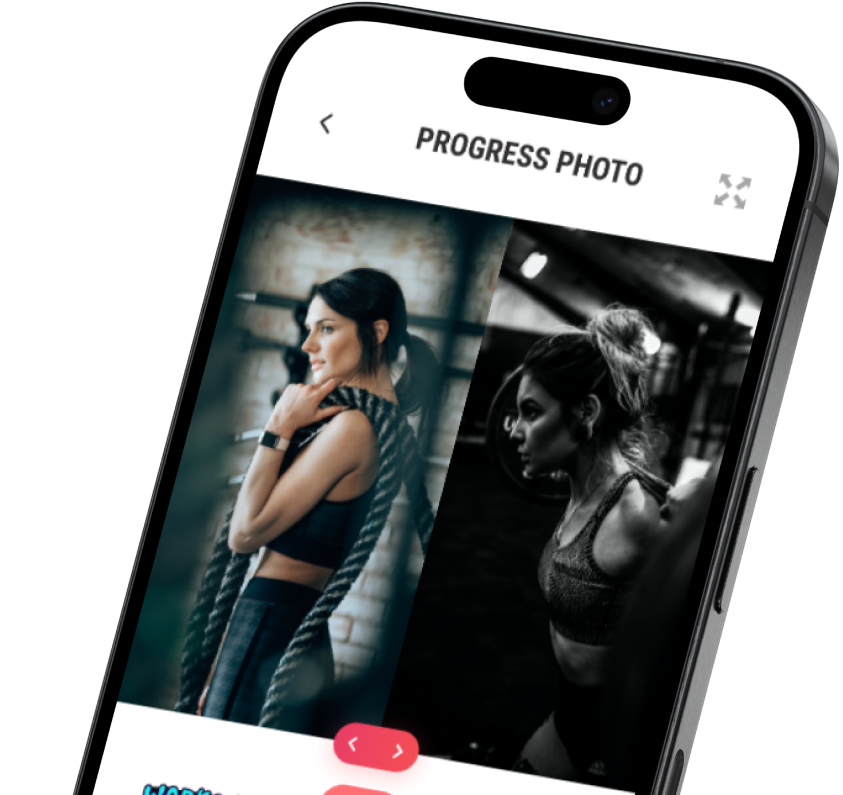
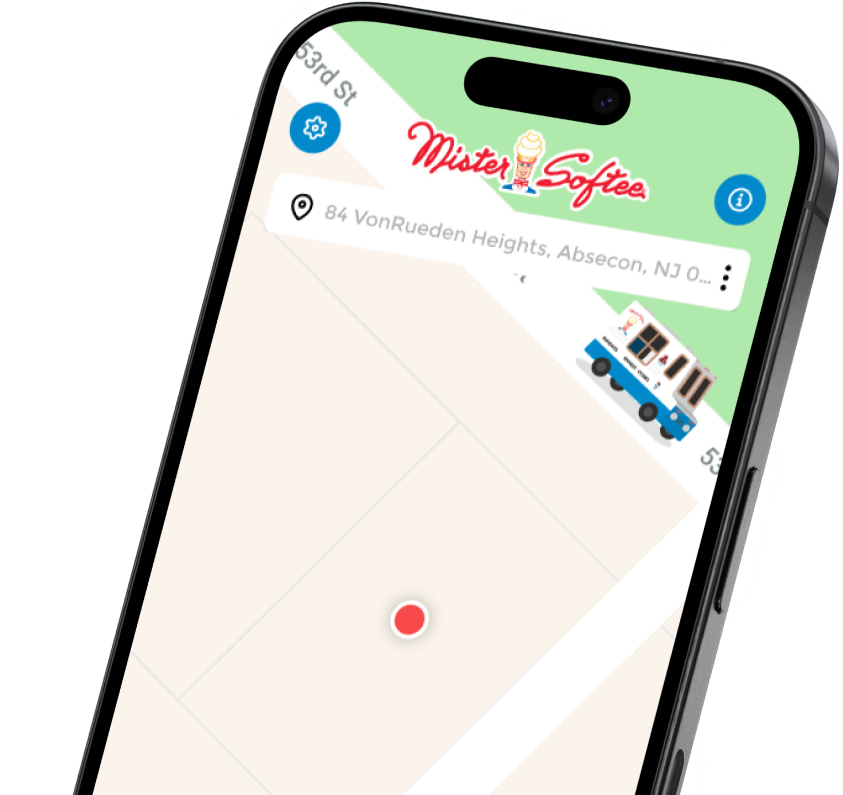
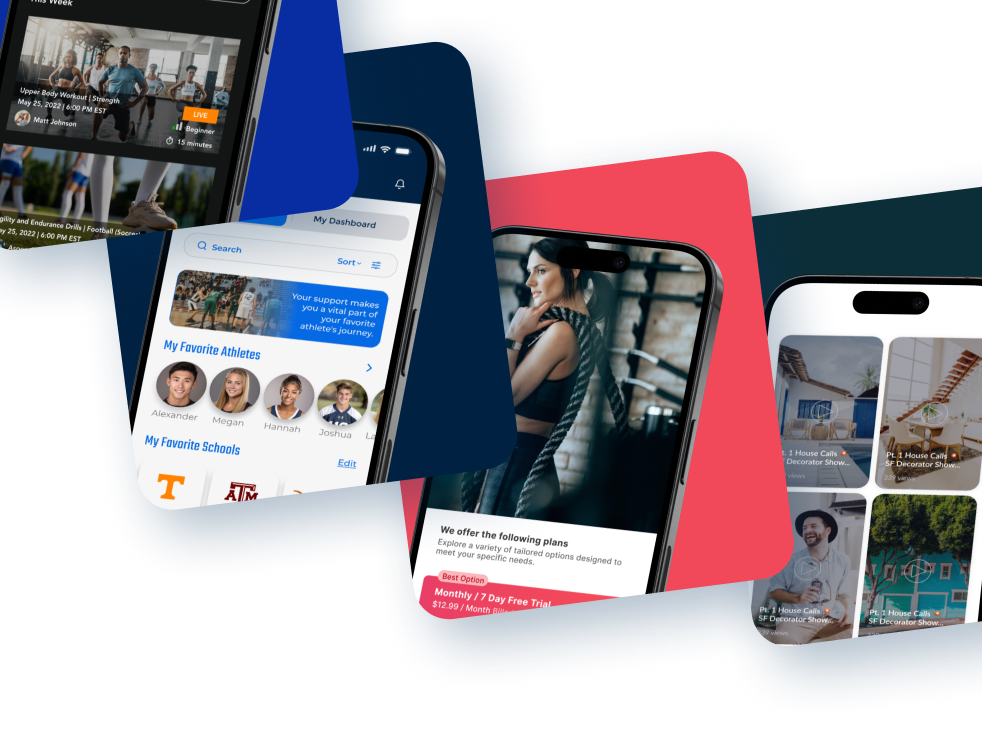
Retention-first design is something we practice, not preach. For True Movement, a guided training platform, we built progress states and daily streaks with grace windows, milestone badges, and RevenueCat subscriptions through Apple In-App Purchase and Google Play Billing. CEO Erin Baker said: “Chop Dawg handled everything from strategy and design to development and execution for our True Movement app. The team was very professional, friendly, and collaborative, delivering on time every week and turning our thoughts into an app.” For Clarovigeo, a journaling and self-awareness app with Apple Watch complications, the loop worked: 10,000 early users in the first six weeks and 4x the daily check-ins of standard journaling apps. And Elevate You pairs goal tracking and learning journeys with leaderboards, streaks, and a full subscription stack. Consumer brands that have trusted Chop Dawg include Wawa, LA Gear, and Mister Softee, whose loyalty app drove 30% more repeat visits, which is habit-loop design applied to ice cream.
Here is how we work: US-headquartered and US-led, with American leadership across product management, senior design, senior development, and QA, backed by our in-house Brazilian design team and in-house development, QA, and project management teams in Pakistan and India. Every person is a Chop Dawg employee assigned to your project, fluent in English, overlapping US hours. That structure removes the two fears founders bring from past experiences: the American salesperson fronting hidden offshore subcontractors, and the faceless overseas shop that vanishes between invoices. Choose the fully American team or the blended model most partners pick for the same quality and timeline at lower cost, always with fixed monthly budgets and full code and IP ownership from day one. See our design services and proven process for how a retention-first build unfolds.
Frequently Asked Questions
How much does it cost to build a habit tracker app?
A focused MVP with habit creation, streaks, reminders, analytics, and subscriptions costs about $25,000 to $60,000. Adding widgets, a watch app, challenges, and content pushes builds to $75,000 to $150,000. AI-assisted development with senior review has roughly halved 2020 to 2023 price levels for the same scope.
How long does it take to build a productivity or habit app?
Plan on 3 to 6 months for a focused MVP including design, development, and quality assurance, and 6 to 12 months for a full platform with widgets, wearables, and community features. Store review itself is fast in 2026, usually 24 to 48 hours for a clean submission.
What retention rate should a habit app target?
Strong consumer apps aim to beat category norms where most users vanish within weeks. Practical targets: a first session ending in a completed check-in, day-7 retention above 25 to 30 percent, and a meaningful weekly insight moment. Instrument the funnel from install to first check-in and optimize that path relentlessly.
Why do streaks need grace windows?
Because life happens, and a streak that dies from one missed day converts your most invested users into your angriest churners. Streak freezes, repair windows, and scheduled rest days preserve motivation while keeping honesty. The goal is identity (“I am someone who shows up”), not perfection.
Are home screen widgets worth the extra cost?
Yes. Widgets are the cue layer of the habit loop, keeping progress visible without an app open, and they consistently lift daily engagement. Budget for iOS and Android widgets plus a lock screen presence, and treat the watch complication as the next upgrade for check-in frequency.
How do habit tracker apps make money?
Freemium subscriptions dominate: a free tier with a small number of habits proves the loop, and premium unlocks unlimited habits, analytics, widgets themes, and coaching content. Digital subscriptions must run through Apple and Google billing, with most startups qualifying for the 15% small business commission rate.
Ship the Loop, Not Just the App
A habit tracker succeeds when its loop survives the user’s worst week, and that is a design discipline you can plan from day one. Whether you are a first-time founder with a retention idea or an established brand adding habit mechanics to an existing product, we will pressure-test the loop with you in a free 45-minute consultation, offered whether or not you build with us. Chop Dawg, founded in 2009 and now in our 18th year, has launched 500+ products used by more than 1 billion people, keeps a 92% repeat-partner rate, and holds 300+ five-star reviews across trusted directories like Clutch, GoodFirms, G2, Google, and TopDevelopers.


 15 Min