














 14 Min


Building a fitness or wellness app in 2026 means delivering a focused core (workout or activity tracking, personalized programs, progress logging, and a motivation loop through reminders and community) on a realistic timeline of about 6 to 8 months and a budget that usually runs $25,000 to $60,000 for a quality minimum viable product, while more complex or multi-feature builds run $75,000 to $150,000 or more. That is the honest scope behind the apps people actually stick with. The market rewards getting it right: revenue in the fitness apps market is projected to reach $9.22 billion in 2026, according to Statista. If you have a fitness or wellness vision but feel lost on features, cost, and how to keep users engaged past week one, this guide covers every step and the pitfalls that quietly kill retention.
Key Takeaways
- A focused fitness or wellness MVP typically costs $25,000 to $60,000 and takes about 6 to 8 months, including 24 to 48 hours of app store review, plus a one to two week buffer in case of rejections; complex builds run $75,000 to $150,000+.
- Retention is the real challenge: tracking, personalization, reminders, and community matter more than feature count.
- Core features include workout or activity tracking, personalized programs, progress logging, push notifications, and often wearable and health-data integration.
- React Native plus native Swift or Kotlin where needed is the smart foundation for fitness apps that tap device sensors and wearables.
- Health and wellness data carries real privacy obligations; design for it from day one rather than retrofitting compliance.
What Is a Fitness or Wellness App and Its Core Features
A fitness or wellness app helps users build and sustain healthy habits, whether that means guided workouts, activity and nutrition tracking, mindfulness, sleep, or coaching. The product’s success is measured less by how many features it has and more by whether people keep opening it. That makes the engagement loop, the cycle of action, progress, and motivation, the heart of the design.
The defining features are consistent. You need workout or activity content and tracking, personalized programs that adapt to the user’s level and goals, progress logging with visible milestones, and a motivation layer of push notifications, streaks, or community. Many wellness apps add wearable and health-data integration (Apple Health, Apple Watch, Google Fit), in-app coaching or video, nutrition or meal planning, and sometimes commerce for supplements or subscriptions. Behind it all sits an admin layer to manage content, subscriptions, and analytics. Our overview of what we do shows how these pieces form a real product.
How to Build a Fitness or Wellness App: Step by Step
- Validate the idea. Confirm a specific audience wants this and will stay engaged. A clear niche (a training style, a community, a wellness goal) almost always beats a generic “fitness app for everyone.”
- Define the minimum viable product. Choose the core habit loop that delivers value and build the smallest version that proves people will return. Save advanced coaching and integrations for later phases.
- Design from wireframes to a clickable prototype. Design the daily experience and the motivation loop, then test it in a clickable, non-functional prototype (NFP) in Figma. An NFP is a clickable mockup of your flows, not a working coded app, and fitness apps live or die on how the everyday flow feels. See our design services.
- Choose the stack. Lock in technology that supports device sensors, wearables, and health data before development begins (see the recommended stack below).
- Build. Develop in two-week sprints with code reviews and a shared backlog, building the core experience and admin tools in parallel. Our proven process keeps milestones visible.
- Test and run quality assurance. Test across devices, wearables, and real conditions: workout tracking accuracy, notification timing, data sync, and offline use. Wellness data demands careful handling too.
- Launch and pass store review. Submit to the Apple App Store and Google Play Store, budgeting 24 to 48 hours for review in 2026 plus a one to two week buffer for any rejections, and be ready to address health-data and privacy requirements.
- Iterate. Use real retention and engagement data to refine programs, reminders, and community. Keeping users is the work that begins after launch.
Recommended Tech Stack
- React Native lets you ship one codebase to both iOS and Android, reaching every user and keeping features consistent across platforms.
- Native Swift or Kotlin is added where it counts, especially for Apple Watch, wearables, and deep health-data or sensor integration that benefit from native performance.
- React powers an admin dashboard for managing content, programs, subscriptions, and engagement analytics.
- Node.js drives the backend, handling user data, progress, and integrations through clean application programming interface (API) endpoints.
- Google Cloud Platform, Amazon Web Services, or Microsoft Azure hosts it securely and scales as your community grows, with the reliability health data requires.
We favor this proven, native-friendly stack over no-code tools because fitness and wellness apps tap device sensors, wearables, and sensitive data, and must scale and stay fully yours. See our development services for more.
Get Your Free 45-Minute App Roadmap
Meet 1-on-1 with our senior product team. We’ll map your MVP or enterprise app and hand you a personalized plan—clear scope, a realistic timeline, and fixed monthly costs—for iOS & Android, web, tablets & wearables, and AI.
Realistic Timeline and Cost by Phase
| Phase | Timeline | Cost Band |
|---|---|---|
| Planning and validation | About 1 month | Included in project scope |
| User interface and user experience (UI/UX) design and prototype | 1 to 2 months | $8,000 to $18,000 |
| Development and QA | 3 to 4 months | $17,000 to $42,000 |
| Launch and store review | About 1 to 2 weeks (24 to 48 hour review, buffer for rejections) | Included in project scope |
| Focused MVP total | About 6 to 8 months | $25,000 to $60,000 |
| Complex build (live video, AI coaching, wearables) | 8 to 12+ months | $75,000 to $150,000+ |
Artificial intelligence (AI) and agent-assisted coding (using tools like Claude Code and Cursor, with engineers reviewing and editing every change rather than “vibe coding”) have cut 2020-to-2023 costs and timelines roughly in half, which keeps these bands tighter than older estimates. For a fuller view, see our app development costs and pricing guide.
Common Pitfalls
- Designing for features instead of retention. A long feature list does not keep users; a satisfying daily loop does. Build the habit first, then expand.
- Trying to serve everyone. Generic fitness apps struggle to stand out. A focused audience and clear point of view drive both engagement and word of mouth.
- Treating health data casually. Fitness and wellness data is sensitive and often regulated. Plan privacy, consent, and security from the start, not after launch.
- Underestimating wearable and sensor work. Apple Watch, Google Fit, and device sensors add genuine engineering effort. Scope them honestly rather than assuming they are quick add-ons.
- Launching without a re-engagement plan. Notifications, streaks, and community are what bring users back. Skipping the motivation loop is the most common reason wellness apps fade.
How Chop Dawg Built Slay by Mari Fitness
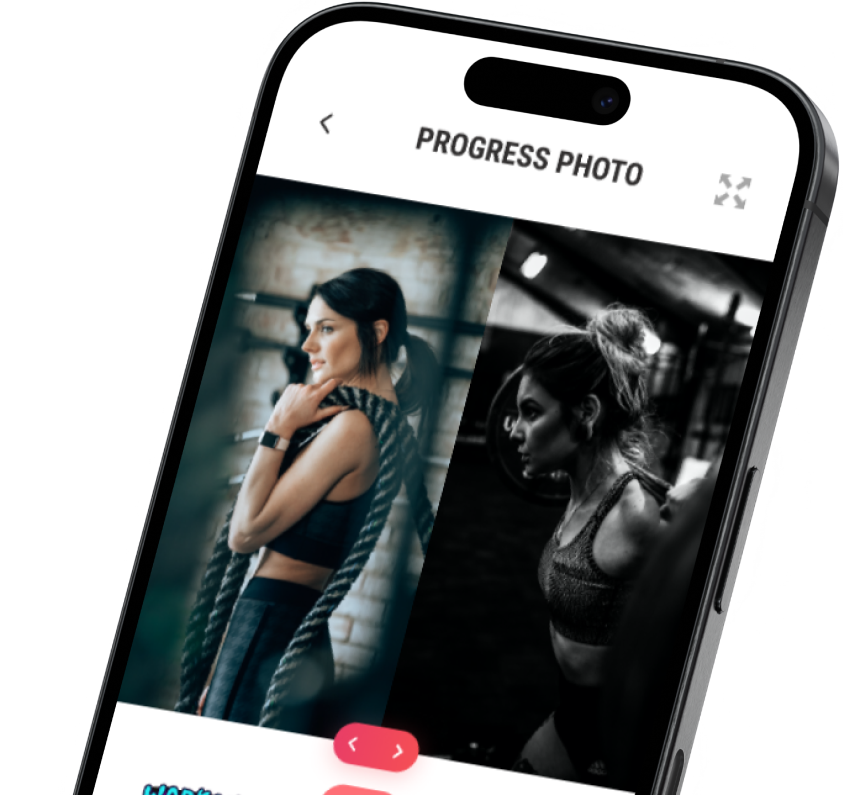
When fitness creator Mari Llewellyn wanted to turn a community of more than a million followers into a digital platform, she partnered with Chop Dawg to build Slay by Mari Fitness, a React Native app for iOS and Android with custom gym guides and video tutorials across skill levels, goal and progress tracking, progress photos, personal records, an in-app social feed, nutritional insights, meal planning, and supplement recommendations with direct purchase links. The launch was extraordinary: the app amassed over 15,000 users within 24 hours, achieved 100% return on investment in under 12 hours, and earned more than 6,000 five-star reviews. Read the full Slay by Mari Fitness success story to see how a strong community and a well-built engagement loop translate into real results. We brought the same focus on structured progress to DLD Donald Legacy Defined, where we turned athletic training into a structured digital program with goal tracking and a clear progression loop that keeps athletes coming back.
Frequently Asked Questions
How much does it cost to build a fitness or wellness app in 2026?
A focused fitness or wellness MVP typically costs $25,000 to $60,000, while complex builds with live video, AI coaching, or deep wearable integration run $75,000 to $150,000 or more. Scoping your core habit loop tightly before adding advanced features is the best way to control cost.
How long does it take to build a fitness app?
Plan for about 6 to 8 months for a quality minimum viable product, including roughly one month of planning, then design, development and testing, and about 24 to 48 hours for Apple App Store and Google Play Store review in 2026 plus a one to two week buffer for any rejections. Wearable and health-data work can extend that timeline.
Can my app connect to Apple Watch, Apple Health, or Google Fit?
Yes. Fitness apps commonly integrate with Apple Watch, Apple Health, and Google Fit to read activity and health data. These integrations often use native Swift or Kotlin alongside React Native, and planning them during design keeps development efficient and the data flowing reliably.
What is the most important factor for a successful fitness app?
Retention. The apps that win create a satisfying daily loop of action, visible progress, and motivation through reminders or community. A focused audience and a strong engagement loop matter far more than the sheer number of features you ship in version one.
How do I handle sensitive health and wellness data?
Design for privacy from the start: collect only what you need, get clear consent, encrypt sensitive data, and meet the privacy obligations relevant to health information. Treating data protection as a core requirement rather than a late addition keeps users’ trust and avoids costly rework.
Do I own the code once the app is built?
With Chop Dawg, yes, always. You see and own everything, code and intellectual property, throughout the engagement. We work as a partner, not an agency, with fixed-monthly pricing and the freedom to end anytime.
Ready to Build Your Fitness or Wellness App?
A great fitness or wellness app is built on a deep understanding of your audience and an engagement loop that keeps them coming back, which is exactly the kind of thinking that belongs in your plan before development starts. Since 2009, Chop Dawg has launched 500+ products used by more than a billion people, with 92% of partners returning and 300+ five-star reviews across trusted directories like Clutch, GoodFirms, G2, Google, and TopDevelopers. We are United States-headquartered and United States-led, keeping leadership, product and project management, and senior development, design, and QA on the American team, with an in-house Brazilian design team and in-house development, QA, and project-management teams in Pakistan and India as well. Everyone is in-house Chop Dawg, never a subcontractor or middleman, and assigned directly to your project. So you can keep a fully-American team for government or regulated work, or choose a cost-effective United States-plus-offshore blend that delivers the same quality, timelines, and experience, with direct access to the real senior team the whole way. On that footing we help both creators and founders launching a new fitness app and established brands extending an existing one. Book your free 45-minute consultation and let’s map exactly what your app will take, whether or not you build with us.


 15 Min