























 15 Min


Building an app like Robinhood in 2026 costs between $90,000 and $175,000 for a compliant trading minimum viable product (MVP), and $250,000 to $500,000+ for a full production clone with options, crypto, real-time market data, and cash management. The cost is driven by brokerage compliance, regulatory licensing, and the deep integrations with clearing firms and market-data providers that make a trading app legal and functional. The opportunity is enormous: Robinhood alone reported $4.5 billion in net revenue and 27.0 million funded customers for full-year 2025. The pain point is that a trading app is one of the most compliance-heavy products you can build, and founders consistently underestimate that. This guide gives you the realistic MVP price and the honest full-build price, and breaks down exactly what moves the number.
Key Takeaways
- A compliant trading MVP costs $90,000 to $175,000; a full Robinhood clone with options, crypto, and advanced data runs $250,000 to $500,000+.
- Brokerage compliance and regulatory licensing are the dominant cost drivers, including know your customer (KYC) and anti-money-laundering (AML) checks, suitability rules, and partnerships with clearing and custody firms.
- Real-time market data feeds, order execution, and trade settlement integrations carry both build cost and significant ongoing licensing and data fees.
- Artificial intelligence (AI) and agent-assisted coding (Claude Code, Cursor) have cut 2020 to 2023 build costs and timelines by roughly half, while compliance and trade-accuracy work still demands senior human oversight.
- Launch with a focused, fully compliant equities MVP, then layer on options, crypto, and cash features once your regulated infrastructure and volume are proven.
Why a Trading App Is One of the Most Expensive Apps to Build
Robinhood looks minimalist on purpose, but the simplicity hides a regulated brokerage stack. To let users buy and sell securities, you either become a registered broker-dealer or partner with one, and either path brings serious obligations: KYC and AML, customer suitability and disclosure rules, recordkeeping, and oversight from financial regulators. Then there is the machinery of actually trading: connections to clearing and custody firms, order-routing and execution, trade settlement, and licensed real-time market data, much of which carries recurring fees on top of the build. This regulated, integration-heavy foundation is why a trading app sits at the top of the fintech cost spectrum.
Here is a realistic module-by-module breakdown for a 2026 cross-platform trading app built on React Native with a secure cloud backend. The low end reflects a lean-but-compliant equities MVP; the high end reflects a production-grade, multi-asset implementation.
| Module | What it includes | Cost band |
|---|---|---|
| Onboarding and KYC | Account opening, identity verification, suitability questions, disclosures | $18,000 to $45,000 |
| AML and fraud monitoring | Transaction monitoring, risk scoring, regulatory reporting | $15,000 to $45,000 |
| Brokerage and clearing integration | Connectivity to clearing/custody partner, account funding, settlement | $30,000 to $80,000 |
| Order management and execution | Buy/sell, order types, order routing, confirmations | $20,000 to $55,000 |
| Real-time market data | Quotes, charts, watchlists, data-feed integration and licensing setup | $15,000 to $45,000 |
| Portfolio and reporting | Holdings, performance, statements, tax documents | $12,000 to $35,000 |
| Options trading | Options chains, multi-leg orders, risk controls, approvals | $25,000 to $65,000 |
| Crypto trading | Buy/sell, custody integration, crypto market data | $25,000 to $70,000 |
| Cash management and transfers | Automated Clearing House (ACH) funding, instant deposits, sweep, withdrawals | $15,000 to $40,000 |
| Security and encryption | Encryption, biometric auth, fraud defense, secure session handling | $15,000 to $40,000 |
| Admin, support, and analytics | Account management, dispute handling, compliance dashboards | $12,000 to $35,000 |
| Backend, infrastructure, QA | APIs, ledgering, scaling, security testing, cross-platform QA | $30,000 to $80,000 |
A compliant MVP funds onboarding, AML, a clearing integration, order management, market data, basic portfolio, security, and backend at the lower end, then ships an equities product. A full clone funds options, crypto, cash management, and richer data on top. That is the honest range from $90,000 to $500,000+, and it is why we scope the regulatory and integration footprint first in our proven process.
Get Your Free 45-Minute App Roadmap
Meet 1-on-1 with our senior product team. We’ll map your MVP or enterprise app and hand you a personalized plan—clear scope, a realistic timeline, and fixed monthly costs—for iOS & Android, web, tablets & wearables, and AI.
Brokerage Compliance and Licensing Drive the Budget
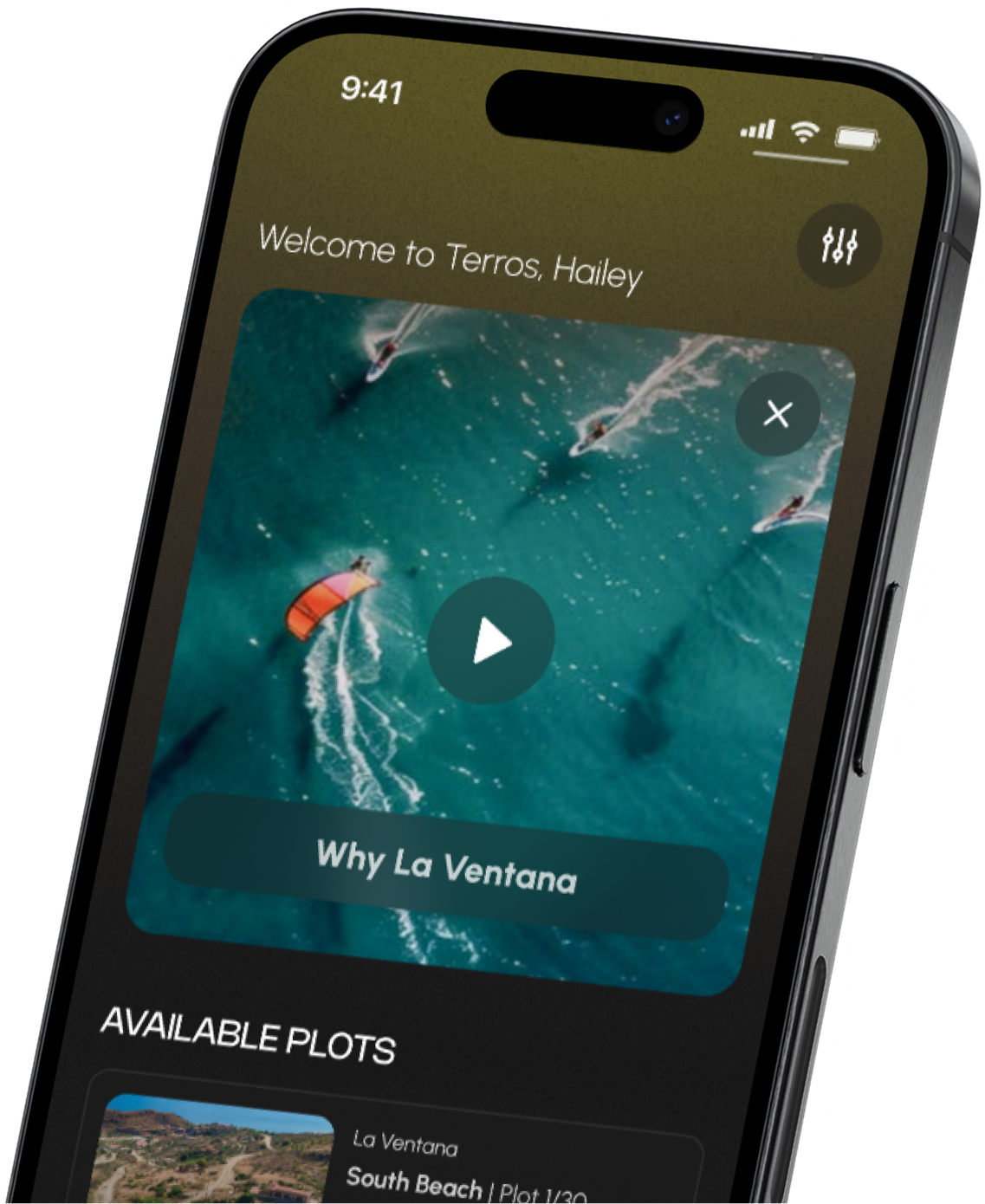
The defining cost of a trading app is not the chart or the buy button. It is regulatory compliance and the licensed infrastructure that makes trading legal. You will navigate broker-dealer requirements (directly or through a partner), KYC and AML, suitability and disclosure rules, and recordkeeping, plus contracts and recurring fees with clearing firms, custodians, and market-data vendors. These requirements dictate your architecture from the outset, and building them in correctly is far cheaper than retrofitting them later. We bring exactly this discipline to regulated, money-moving products. In our Terros success story, we built an investment platform that lets people buy fractional equity in real assets from their phone, with Stripe Identity for KYC, dual-currency payment ledgers, a real-time equity dashboard, and an anomaly-and-KYC review queue with immutable audit logs. That is the exact compliance plumbing a trading app needs. And in our BiDR success story, we delivered a live-commerce and pay-per-bid auction platform with secure payments, portfolio tracking, real-time analytics, and a scalable cloud backend, proving the same rigor where money and live transactions meet.
How AI and Agent Coding Cut the Number
The trading-app cost estimates circulating online often reflect 2020 to 2023 pricing and run high today. Agent-assisted coding tools like Claude Code and Cursor, in the hands of senior engineers, accelerate the integration work, boilerplate, and test coverage that a brokerage product requires, cutting build costs and timelines by roughly half compared to the pre-AI era. The caveat matters more here than almost anywhere: AI speeds up a strong team but cannot replace human judgment on trade accuracy, regulatory compliance, and financial correctness, where errors are costly and sometimes reportable. That blend of senior oversight and modern tooling is how we keep these quotes honest. See our full app development costs and pricing for more.
MVP First, Then the Full Clone
You do not need options, crypto, and cash management to launch. You need a compliant, reliable way for real users to fund an account and trade equities with confidence. A focused MVP at $90,000 to $175,000 delivers exactly that, and proves both your regulated infrastructure and real demand. From there you expand into options, crypto, and cash features, the higher-complexity products that deepen engagement and revenue. Robinhood itself launched as a stripped-down, commission-free equities app and added asset classes over years, and a staged build is how you reach the market without exhausting your runway on features users have not asked for yet.
We build on React Native with native modules where real-time performance demands it, on cloud infrastructure designed for security and scale. Chop Dawg is a partner, not an agency. We are United States headquartered and United States led, pairing American leadership, product and project management, senior development, design, QA, and marketing with an in-house Brazilian design team and in-house development, QA, and project management teams in Pakistan and India. Everyone is in-house and assigned directly to you, so a brokerage build is never one salesperson fronting unaccountable offshore developers, and it is never a fully overseas shop with no American-business understanding or time-zone overlap. For a regulated trading product you can run a fully American team, which we recommend for government and heavily regulated work, or a cost-effective United States plus offshore blend with the same quality and timelines. Pricing is fixed-monthly. Collaboration runs through weekly Zooms, daily Slack, and shared Figma, GitHub, Jira, and Confluence, and you own all the code and intellectual property (IP) from day one.
Frequently Asked Questions
How much does it cost to build an app like Robinhood in 2026?
A compliant trading MVP costs $90,000 to $175,000. A full clone with options, crypto, real-time data, and cash management runs $250,000 to $500,000 or more. The wide range reflects brokerage compliance, regulatory licensing, and clearing and market-data integrations, which cost far more than the trading interface itself.
Why is a stock trading app so expensive to build?
Because it is a regulated brokerage product. You must handle KYC and AML, suitability and disclosure rules, and recordkeeping, and integrate with clearing firms, custodians, and licensed market-data providers, several of which carry recurring fees. These requirements shape the architecture from the start, which is why a trading app sits at the top of the fintech cost range.
How long does it take to build a trading app?
A compliant equities MVP typically takes six to ten months, because brokerage integrations, order execution, and compliance take time to build and test correctly. A full multi-asset clone takes twelve to twenty months. AI-assisted coding has cut these timelines by roughly half versus a few years ago, but compliance and trade-accuracy work cannot be rushed.
What compliance and licensing does a trading app need?
You either register as a broker-dealer or partner with one, and you must satisfy KYC and AML, customer suitability and disclosure requirements, and recordkeeping under financial regulators. You also need agreements with clearing and custody firms and licensed market-data vendors. This regulated foundation must be designed in from the beginning, not added later.
Should I build a trading MVP first or a full-featured app?
Build a compliant equities MVP first. Prove your regulated infrastructure and real user demand with a focused build, then add options, crypto, and cash management once volume justifies the complexity. Launching with every asset class at once sharply increases cost, timeline, and regulatory exposure, which is why even Robinhood expanded in stages.
Can AI reduce the cost of building a trading app?
Yes, when applied by senior engineers. Agent-assisted tools like Claude Code and Cursor accelerate integrations, boilerplate, and testing, cutting build costs and timelines by roughly half versus 2020 to 2023. But trade accuracy, compliance, and financial correctness require human judgment, so AI accelerates a strong team rather than replacing it, especially in a regulated brokerage product.
Ready to Build Your Trading App?
A trading app punishes guesswork, so start with a clear, honest plan. In a free 45-minute consultation, we will map your regulatory and integration footprint, scope a realistic compliant MVP, and give you an honest cost range for both the lean launch and the full platform, with no pressure and no obligation. Whether you are a founder building a brand-new brokerage product or an established financial firm adding self-directed trading, modernizing a legacy platform, or extending an app already in market, we can help. Chop Dawg has launched 500+ products used by more than a billion people over 17+ years, including secure, compliant fintech platforms, with 300+ five-star reviews across trusted directories like Clutch, GoodFirms, G2, Google, and TopDevelopers. Organizations that have trusted Chop Dawg include enterprises like Siemens and Hilton, partners that expect rigorous security and accountability from the teams they work with. Book your free 45-minute consultation and let’s build your trading app the right way.



 15 Min