























 15 Min



An app like LinkedIn costs $60,000 to $120,000 to build as a niche professional network minimum viable product (MVP) in 2026, while a true LinkedIn-class platform with jobs marketplaces, recruiter tooling, and feed algorithms runs far higher, well into six and seven figures. The honest cost to build an app like LinkedIn starts with an honest strategy: you are not going to out-network a platform with 1.3 billion members, a figure confirmed by the LinkedIn Pressroom. You win by serving one profession deeply, with verification and features LinkedIn will never build for them. The frustration is knowing your industry deserves better than a generic feed; the plan below prices the fix.
Key Takeaways
- A niche professional network MVP (profiles, feed, connections, messaging) costs $60,000 to $120,000 in 2026.
- A full LinkedIn-class build adds jobs marketplaces, recruiter subscriptions, and ranking algorithms, pushing budgets far higher.
- Identity and credential verification is the feature that makes niche networks defensible, and it costs less than founders assume.
- Network effects, not features, are the real moat: launch strategy matters as much as the build.
- AI-assisted development with engineer oversight has roughly halved the cost of social platform builds since the 2020 to 2023 era.
What Does It Cost to Build an App Like LinkedIn in 2026?
A professional network serving one vertical costs $60,000 to $120,000 to launch: rich profiles, a content feed, connection requests, direct messaging, and admin moderation. Replicating LinkedIn’s full surface, with a jobs engine, recruiter seats, learning content, ads, and personalized feed ranking, is a multi-year platform investment.
The professional network category rewards focus more than any other app class. Healthcare workers, gamers and esports talent, contractors, veterans, creatives: each group has credentials, workflows, and connection rituals a general platform ignores. The build cost covers the social plumbing; the value comes from vertical-specific features like license verification, portfolio formats, or shift-aware scheduling. That is the layer worth spending on, because it is the layer LinkedIn cannot copy without breaking its generality.
Feature-by-Feature Cost Breakdown for a Professional Network
These 2026 bands assume a React Native mobile app with a React web presence, the standard footprint for professional tools people use at work and on the go.
| Feature | What It Covers | Typical Cost Band |
|---|---|---|
| Profiles and portfolios | Structured experience, skills, media, vertical-specific fields | $10,000 to $20,000 |
| Connections and network graph | Requests, follows, contact import, suggestions | $8,000 to $16,000 |
| Content feed | Posts, comments, reactions, chronological or rules-based ranking | $12,000 to $25,000 |
| Direct and group messaging | Real-time chat, media sharing, notifications | $10,000 to $20,000 |
| Identity and credential verification | Document checks, license lookups, verified badges | $8,000 to $20,000 |
| Jobs board | Listings, applications, saved searches (marketplace matching costs more) | $10,000 to $25,000 |
| Search and discovery | People and content search, filters by role or specialty | $8,000 to $15,000 |
| Monetization | Freemium subscriptions, featured listings, employer tools | $8,000 to $18,000 |
| Admin, moderation, and analytics | Reporting, user management, engagement dashboards | $8,000 to $16,000 |
A $60,000 to $80,000 MVP ships profiles, connections, feed, messaging, and moderation. Verification and a jobs board are the usual second wave, and recruiter-grade tooling is what carries budgets past $150,000.
What Moves the Number Up or Down
Across 500+ launches since 2009, professional and community platforms swing on five decisions.
- Feed intelligence. A chronological or rules-ranked feed is affordable. Machine-learning feed personalization adds tens of thousands and needs engagement data you will not have at launch.
- Verification depth. Email domain checks are nearly free. Government ID plus professional license verification (the ForeveRx approach below) adds cost but creates trust no incumbent can match.
- Jobs: board versus marketplace. Posting and applying is a board. Matching, employer dashboards, and paid placements make it a marketplace with marketplace economics.
- Web plus mobile scope. Professional users expect both. One shared backend with React Native and React keeps the pair affordable; Gamrly, below, shows a web-first path that trims the MVP further.
- Launch density strategy. Seeding one city, one specialty, or one existing association costs less in features and everything in focus. Empty networks die; small dense ones compound.
The AI and Agent-Assisted Coding Cost Reality
Social platform scopes that priced at $150,000 to $250,000 between 2020 and 2023 now land near half that, because agent-assisted coding accelerates the repetitive surface area: feeds, notifications, settings, admin panels. Our engineers use Claude Code and Cursor to generate and refactor at speed, then review every change like any senior-led team should, because a social network handles personal data and a leaked message thread is an extinction event. AI also upgrades the product itself: smarter people-matching, automated moderation triage, and profile-completion assistance are now affordable line items instead of moonshots. What has not changed is judgment: scoping which 20% of LinkedIn your vertical actually needs is still the difference between $80,000 and $300,000.
Get Your Free 45-Minute App Roadmap
Meet 1-on-1 with our senior product team. We’ll map your MVP or enterprise app and hand you a personalized plan—clear scope, a realistic timeline, and fixed monthly costs—for iOS & Android, web, tablets & wearables, and AI.
The Apple and Google Fee Note
Premium member subscriptions sold in-app are digital goods, so they must flow through Apple In-App Purchase and Google Play Billing at 30%, or 15% under the Apple App Store Small Business Program below $1 million in revenue. Employer-side revenue like job postings and recruiter seats is typically sold to businesses on the web via Stripe, outside store commissions. Structure pricing with that split in mind, and start the paperwork early: DUNS numbers take about a month and developer accounts 2 to 3 weeks, in your own name.
How Chop Dawg Builds Professional Networks
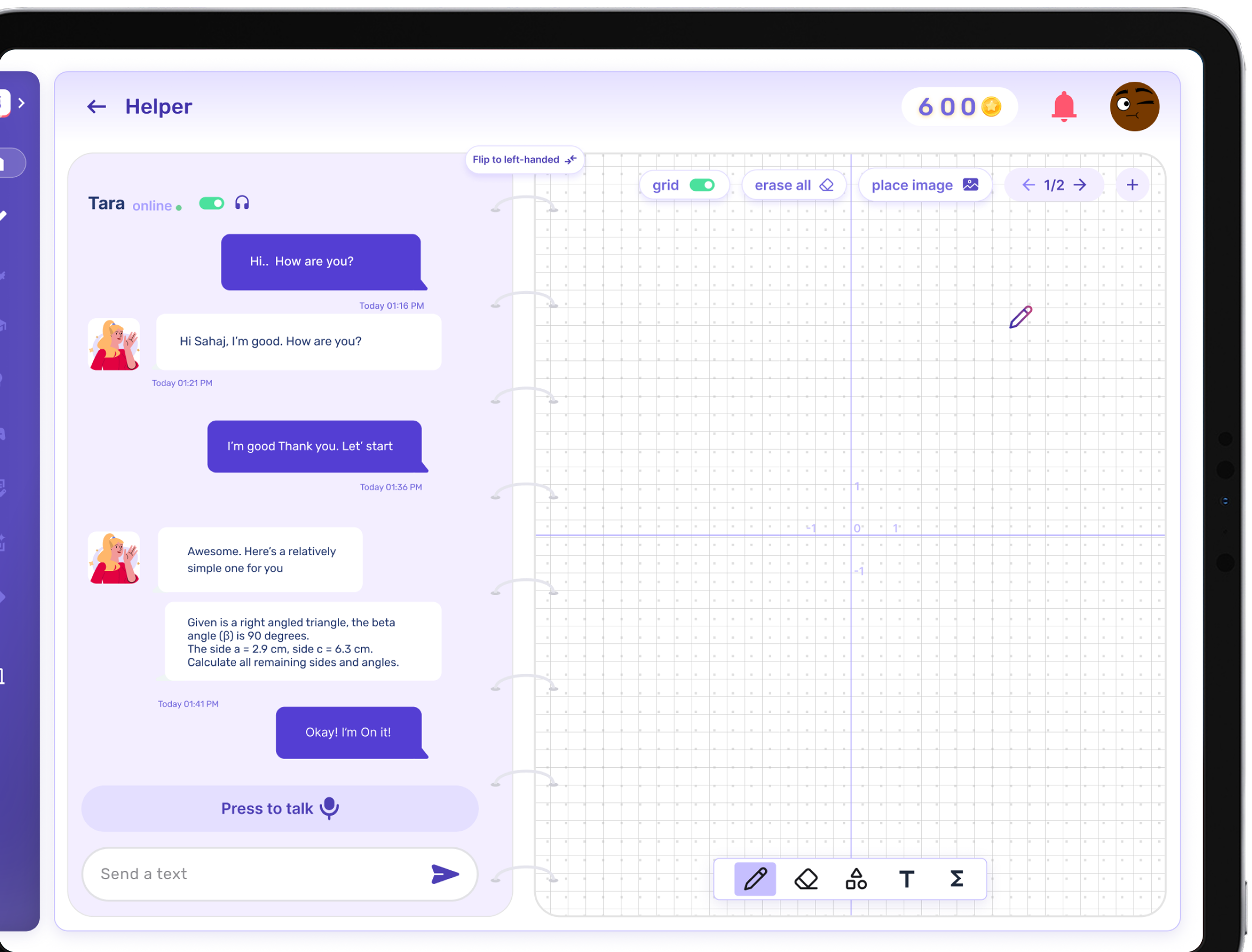
We have built this category from three different angles. Gamrly is a professional network for gamers and esports talent: verified profiles with achievements and stats, networking feeds, recruitment and sponsorship tools, and tournament organization, delivered as a responsive web platform on the client’s existing backend. “I am truly grateful for the exceptional hard work and dedication displayed by our project manager and designer. The app is shaping up to be an outstanding success!” said Jonathan Gargoshian, Co-Founder of Gamrly.
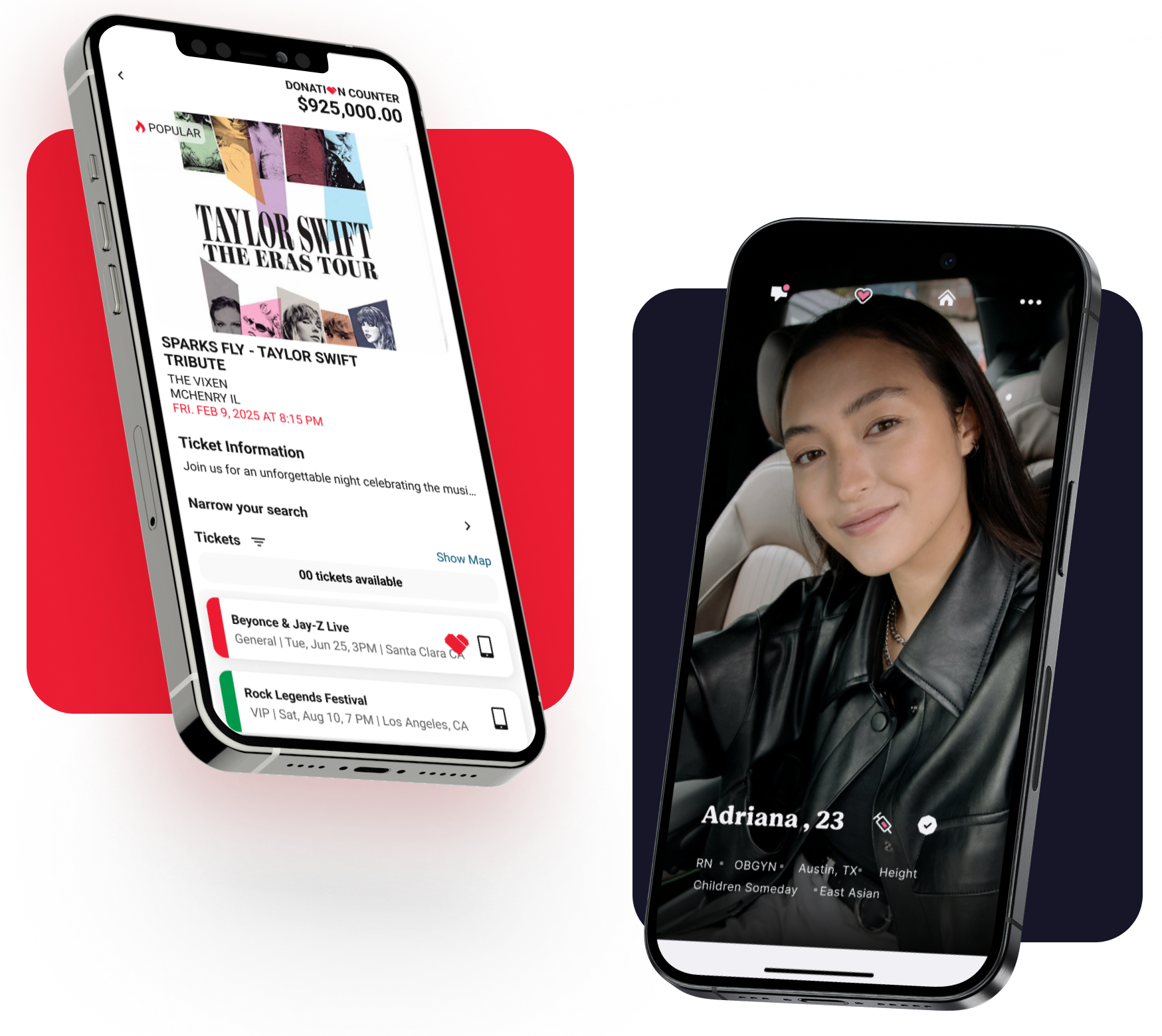
ForeveRx proves the verification thesis: a dating and networking app exclusively for healthcare professionals, with every user verified through driver’s license and NPI/DEA credential checks. It launched with 25,000+ verified healthcare users, a 33% conversion rate to paid subscriptions, and an 85% match success rate. “I appreciate that Chop Dawg takes this project as seriously as I do. Chop Dawg is fully invested in our project,” said Shivani Shah, Co-Founder of ForeveRx. And Quilted shows the professional-growth angle: colleagues answer randomized prompts about each other and receive weighted leadership insights, with social login, two-factor authentication, and a freemium Stripe subscription, all on React Native with a React admin portal.
Chop Dawg is US-headquartered and US-led. Our American team owns leadership, product and project management, senior development, senior design, senior quality assurance (QA), and marketing, and works with our in-house Brazilian design team plus in-house development, QA, and project management teams in Pakistan and India. Every person is a direct Chop Dawg hire on your project, fluent in English, working US hours, with daily Slack updates and 24/7 visibility in Figma, GitHub, and Jira. This is the antidote to the industry’s twin fears: a lone American salesperson masking hidden offshore subcontractors, or a distant shop with no US norms and no time-zone overlap. Regulated or government builds can go fully American; most partners choose the blend and keep the same quality for less. Organizations that have trusted Chop Dawg include the U.S. Navy, Rutgers University, and the University of Pennsylvania. On budget tiers: focused MVPs run $25,000 to $60,000 and complex builds $75,000 to $150,000 or more, with niche networks usually landing between. Our strategic planning phase pressure-tests your network’s seeding plan before we write code, and our pricing page shows exactly how fixed monthly budgets work.
Frequently Asked Questions
How much does it cost to build an app like LinkedIn?
A niche professional network with profiles, connections, a feed, and messaging costs $60,000 to $120,000 in 2026. Cloning LinkedIn’s full platform, including jobs marketplaces, recruiter subscriptions, and algorithmic feeds, costs several times that and is rarely the right strategy against 1.3 billion entrenched members.
How long does it take to build a professional networking app?
Plan 4 to 6 months for a focused MVP covering design, development, quality assurance, and app store launch. Verification systems and jobs marketplaces extend timelines to 7 to 10 months. Developer accounts (2 to 3 weeks) and a DUNS number (about a month) should start immediately.
Is there a cheaper alternative to building a custom network?
Yes. Community platforms like Mighty Networks or Circle, or even a managed LinkedIn Group, can validate demand for under $500 per month. You trade away custom verification, vertical features, monetization control, and data ownership, which is why growing communities graduate to custom builds once engagement is proven.
Why do niche professional networks succeed against LinkedIn?
Because verification and vertical features beat scale for specific professions. A gamer’s tournament history or a nurse’s license status means nothing on LinkedIn but everything inside a dedicated network. Focused platforms also achieve density faster: 5,000 members in one profession is a working network; spread everywhere, it is silence.
What does identity verification cost to build?
Budget $8,000 to $20,000 depending on depth: document upload with admin review sits at the low end, while automated government ID checks plus professional license lookups (through providers like Stripe Identity) sit higher, plus per-verification fees of roughly $1 to $3. It is the most defensible money in the budget.
How do professional networking apps make money?
The proven mix is freemium member subscriptions for visibility or unlimited messaging, employer-side revenue from job postings and featured placement, and sponsorships once the audience is dense. ForeveRx converted 33% of members to paid, showing verified niche audiences monetize far better than general ones.
Build the Network Your Industry Actually Needs
For $60,000 to $120,000 in 2026, you can give one profession the network LinkedIn never will, and that focus is precisely why it can work. Founders and established organizations alike are welcome to a free 45-minute consultation, valuable whether or not we ever work together. Chop Dawg has partnered with builders since 2009, now in our 18th year, with 500+ launched products reaching over 1 billion users, a 92% repeat-partner rate, and 300+ five-star reviews across trusted directories such as Clutch, GoodFirms, G2, Google, and TopDevelopers.




 15 Min