






















 11 Min

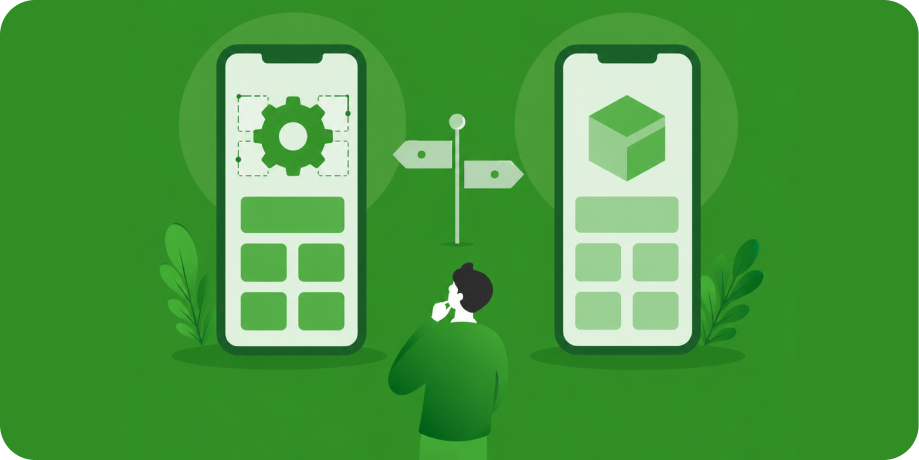
Choose a white-label app when you need to launch fast and cheap on a proven template, and choose a custom app when your product is the business and you need to own it, differentiate it, and scale it on your own terms. White-label gets you to market in weeks by reskinning software a vendor already built; custom is engineered around your exact workflow and stays yours forever. Demand for branded, ready-made software keeps climbing, with the white-label payment gateway market alone projected to grow from USD 3.02 billion in 2026 to USD 8.19 billion by 2035, a 14.5% annual clip. The hard part is knowing which path fits your goals. This guide weighs both honestly.
Key Takeaways
- White-label apps win on speed and upfront cost: you rebrand a finished product and launch in weeks, not months.
- Custom apps win on control, differentiation, and scalability: the code, data, and roadmap are entirely yours.
- White-label fits validation, thin margins, and commodity features; custom fits products where the software itself is the competitive edge.
- Watch the long game: white-label license fees and per-user costs recur forever, while a custom build is a one-time asset you own.
- A staged path is common: validate with white-label or a lean custom build, then invest in a fully custom platform once traction is proven.
What Each Option Really Means
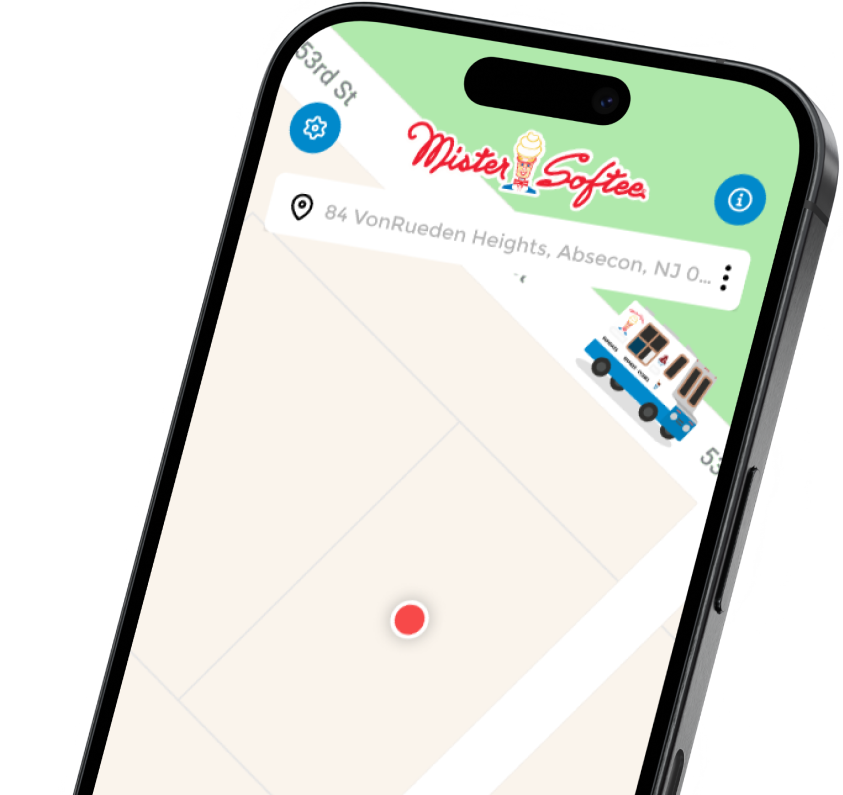
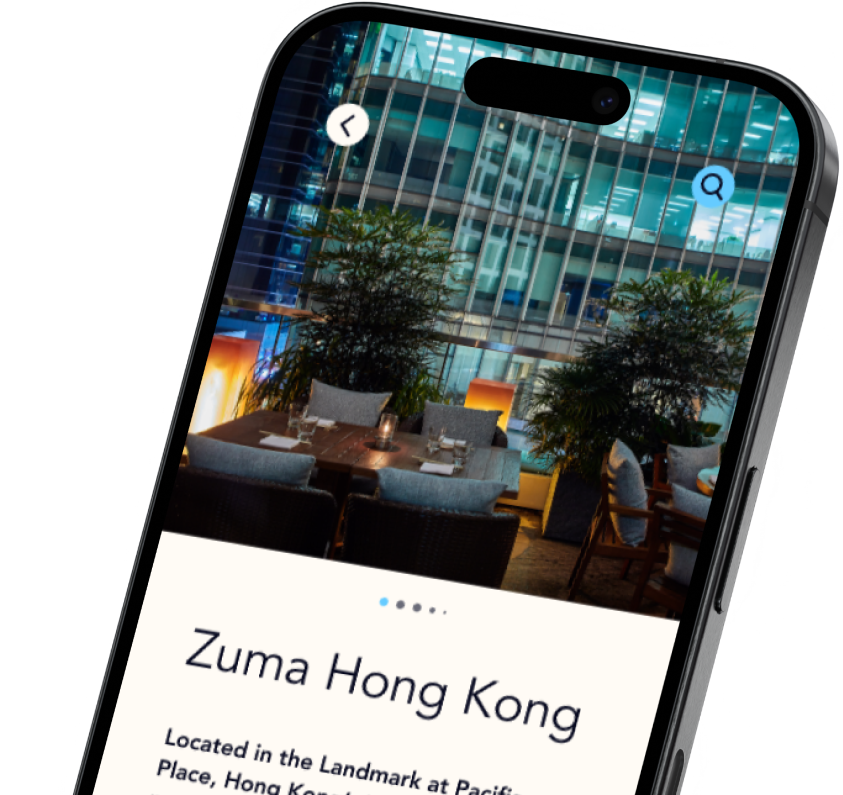
A white-label app is software a vendor builds once and licenses to many businesses, who apply their own logo, colors, and brand. You are buying speed and a known quantity. A custom app is designed and engineered specifically for you, from the user flows down to the database. You are buying fit and ownership. Both can produce a polished product, so the right choice depends on what you are optimizing for: getting live quickly, or building something defensible that grows with you.
Custom App vs White-Label App: Pros and Cons
| Factor | White-Label App | Custom App |
|---|---|---|
| Speed to launch | Weeks; the core product already exists | Months; designed and built for you |
| Upfront cost | Low entry, often a setup fee plus subscription | Higher one-time investment |
| Long-term cost | Recurring license and per-user fees, indefinitely | Owned asset; you pay for hosting and updates you choose |
| Differentiation | Limited; competitors can license the same template | High; the experience is unique to you |
| Control and ownership | Vendor owns the code and the roadmap | You own the code and intellectual property outright |
| Scalability and flexibility | Capped by the vendor’s feature set and architecture | Built to your scale and extended whenever you need |
| Data and integrations | Constrained to what the platform exposes | Any integration, any data model you require |
When a White-Label App Makes Sense
White-label is the pragmatic call when speed and budget outweigh uniqueness. It fits founders validating an idea before committing real capital, businesses adding a commodity feature like a loyalty card or a basic booking flow, and teams in thin-margin markets where a custom build cannot pay for itself. If your offering does not live or die by the app experience, and an existing template covers 80% of what you need, a white-label product can get you live fast and let you test demand cheaply. The tradeoff is that you rent rather than own, and you compete on a foundation anyone else can license too.
When a Custom App Makes Sense
Custom wins when the software is the product, not a convenience around it. If your workflow is unusual, your data model is specific, you need integrations a template will never support, or you plan to scale to large user counts, a custom build is the durable choice. It is also the right move when you intend to raise capital or sell the company, because investors and acquirers value owned intellectual property far more than a license you could lose if a vendor changes terms. Custom costs more upfront and takes longer, but it becomes an asset on your balance sheet rather than a fee that recurs forever. For a clear view of what that investment looks like, our app development costs and pricing page breaks it down with no guesswork.
Get Your Free 45-Minute App Roadmap
Meet 1-on-1 with our senior product team. We’ll map your MVP or enterprise app and hand you a personalized plan—clear scope, a realistic timeline, and fixed monthly costs—for iOS & Android, web, tablets & wearables, and AI.
Where Chop Dawg Fits
Chop Dawg builds custom apps and software for founders and enterprises who need a product that is genuinely theirs. Since 2009, we have launched 500+ products used by over a billion people, and we have learned when custom is worth it and when it is not, which is exactly the honest read you want before you spend. When the founders of REI Push set out to give real estate investors an all-in-one platform, off-the-shelf tools could not cover their exact workflow of lead generation, skip tracing, direct mail, and geolocation. We designed and engineered a custom iPhone, Android, and web suite with subscription billing and a full admin backend, built around their logic and fully owned by them. That is the difference custom makes: the product fits the business, not the other way around. Organizations that have trusted Chop Dawg with custom-built products include Siemens, Hilton, and NASA.
We are a partner, not an agency, with no middleman and no subcontractors. You are assigned a dedicated United States-led team, with American leadership and senior design, development, and QA plus our in-house Brazilian design team and in-house development, QA, and project-management teams in Pakistan and India, so you can choose a fully American team or a cost-effective blend, and you own every line of code and all the intellectual property from day one. We work in fixed-monthly budgets with the most comprehensive proposals in the business, and you can end a project at any time. Our stack is modern and proven: React Native with native Swift and Kotlin for mobile, React and Node.js for web, hosted on Google Cloud Platform, Amazon Web Services (AWS), or Microsoft Azure. If you are weighing custom against white-label, our strategic planning service maps the smartest path for your stage and budget. With 300+ five-star reviews across trusted directories like Clutch, GoodFirms, G2, Google, and TopDevelopers, and a 92% repeat-partner rate, founders trust us to tell them the truth and build it right. Explore our development services or the broader custom software development resources to go deeper.
Frequently Asked Questions
Is a white-label app cheaper than a custom app?
Upfront, almost always. White-label has a low entry cost because the product already exists. But the license and per-user fees recur indefinitely, so over several years a white-label app can cost more than a custom build you own outright. Compare total cost of ownership, not just the sticker price, before deciding.
Can I customize a white-label app to match my brand?
You can usually change the logo, colors, and some labels, and that is the point of white-label. What you generally cannot change is the underlying workflow, the architecture, or the feature roadmap, which the vendor controls. If you need the experience itself to be unique, a white-label app will eventually feel limiting.
Do I own the code with a white-label app?
No. With white-label, the vendor owns the code and licenses you the right to use it under your brand. If the vendor raises prices, changes terms, or shuts down, your product is at risk. With a custom app from Chop Dawg, you own all the code and intellectual property from day one, with no strings attached.
Can I start with white-label and switch to custom later?
Yes, and many founders do. Using a white-label product to validate demand cheaply, then investing in a custom build once traction is proven, is a sound, capital-efficient strategy. Plan the transition early so your data can migrate cleanly and you are not locked in by the vendor when you outgrow it.
Which option scales better as I grow?
Custom apps scale better because the architecture is built for your needs and can be extended whenever you require. White-label apps are capped by the vendor’s platform: if it was not designed for your user volume or feature set, you hit a ceiling you cannot raise. For products expecting significant growth, custom is the safer long-term bet.
How do I know which one is right for my business?
Ask whether the app is your core product or a convenience around it, how unique your workflow really is, and whether you plan to raise capital or sell. If the software is your edge, custom is worth it. If you simply need a commodity feature live fast, white-label may be smarter. A free consultation can settle it quickly.
Make the Choice With Confidence
White-label and custom are both legitimate paths; the wrong one just costs you time, money, or your competitive edge. The right one depends on your stage, your margins, and how much the app experience defines your business. We would rather help you make that call honestly than sell you something you do not need. Book your free 45-minute consultation and we will help you weigh custom against white-label for your specific goals, with no pressure and no obligation, whether or not you decide to build with us.


 15 Min