























 15 Min


Building a regulated app starts with a legal opinion, not a wireframe: counsel defines which licenses, jurisdictions, and record-keeping duties apply, and then you build those rules directly into the architecture. Regulators increasingly mandate exactly that. Under Section 12006(a) of the 21st Century Cures Act, for example, every US state must require electronic visit verification (EVV) for Medicaid-funded personal care services, a requirement documented by the Centers for Medicare & Medicaid Services on Medicaid.gov. Founders hear “regulated” and picture a wall. Built correctly, it is a moat: the compliance work that slows you down for months keeps copycats out for years. Here is how compliance by design actually works.
Key Takeaways
- Get the legal opinion before design: counsel defines the jurisdictions, licenses, and records duties that shape the entire architecture.
- Jurisdiction geofencing should read from an admin-configurable permitted list, so rules update without an app rebuild or store review.
- Auditable ledgers, tamper-evident logs, and know-your-customer (KYC) review queues are standard equipment in regulated builds.
- The regulated verticals appearing most in 2026: real-money gaming, fintech, health, and civic technology.
- Compliance is a moat: the harder your market is to enter legally, the more defensible your position once you are in.
Building a Regulated App Starts with the Legal Opinion
The first deliverable in a regulated build is a written legal analysis of what you may do, where, and under which licenses. That document is an engineering input: it determines your feature set, your data retention rules, and your launch geography, which is why buying it after design means buying your design twice.
Across 500+ launches since 2009, the regulated projects that go smoothly all share this sequence. Counsel answers the threshold questions: which licenses must exist before revenue, which activities are permitted per state or country, what records regulators can demand, and what happens to user funds or data if you wind down. Those answers translate directly into architecture: a licensing calendar becomes a launch sequence, a records duty becomes a ledger design, a jurisdiction map becomes a geofencing spec. Teams that skip the opinion do not skip the requirements. They rediscover them from a regulator’s letter, mid-launch, when every fix is a re-architecture. Budget for specialized counsel the way you budget for servers: it is infrastructure, and this article is a map, not legal advice, so use them.
Compliance by Design: The Four Architectural Pieces
Compliance by design means the regulation lives in the system itself, not in a policy PDF nobody reads. Four building blocks cover most regulated products, and all four should be visible in your technical proposal before development starts.
| Regulatory requirement | What you build | Why it works |
|---|---|---|
| Operate only where permitted | Geofencing driven by an admin-configurable permitted-jurisdiction list | Rules change state by state; admins update the list in minutes, with no app rebuild and no store review |
| Prove what happened | Append-only ledgers and tamper-evident audit logs with exports | Auditors receive a complete, timestamped record instead of a database scramble under deadline |
| Verify who is acting | KYC pipelines with automated checks and a human review queue | Automation clears the routine majority; trained reviewers handle flags, with every decision logged |
| Control who sees what | Role-based access control with change logs and retention rules | Access maps to job function, and every change is attributable to a person and a timestamp |
The common thread is configurability. Regulation moves faster than app store release cycles, so anything a regulator might change (a permitted state, a deposit limit, a disclosure text) belongs in an admin panel, not in compiled code.
Geofencing That Regulators Respect
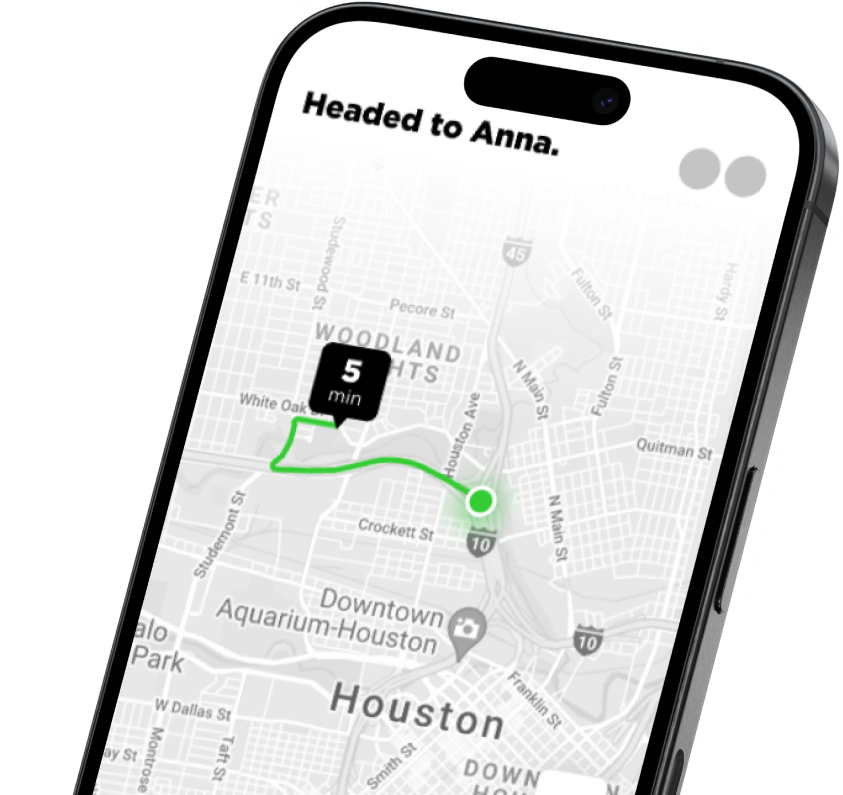
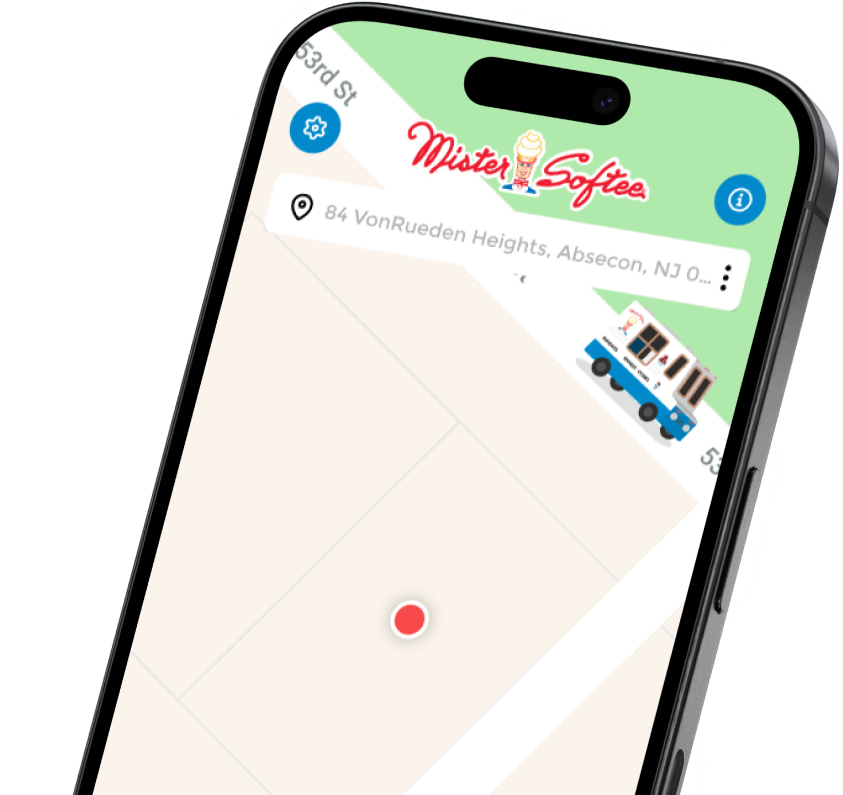
Real geofencing checks location at the moment of the sensitive action, not just at signup. A user can download your app anywhere; what matters is that the wager, deposit, trade, or record access happens only inside a permitted jurisdiction, and that your system can prove it.
Good implementations share a few habits. They verify location at each regulated transaction using device signals, not just a stored address. They fail gracefully: a user outside the permitted map sees a clear explanation and whatever non-regulated features remain, rather than a dead app. They account for spoofing, using platform integrity checks and, in high-stakes verticals, dedicated geolocation services. And they scope by feature, not by app: your community feed might be available in 50 states while real-money play is live in 6. Pair all of it with the admin-managed permitted list from the table above, and expanding to a newly legal state becomes a checkbox plus a press release instead of a development sprint.
The Regulated Verticals We See Most in 2026
Four verticals dominate regulated app work right now: real-money gaming, fintech, health, and civic technology. Each has its own regulators and vocabulary, but they reward the same architecture: geofencing, ledgers, identity, and access control.
- Real-money gaming: state-by-state licensing, gaming-grade KYC, responsible-play controls, and auditable wallets. This category is active for us: we are designing and building real-money products in 2026, and every one of them started with counsel and a jurisdiction matrix.
- Fintech: KYC and anti-money-laundering programs, transaction monitoring, and partnerships with licensed institutions that will audit your architecture before they sign.
- Health: the Health Insurance Portability and Accountability Act (HIPAA), plus program-specific mandates like EVV for Medicaid-funded care, all demanding encrypted records and provable access trails.
- Civic and government: election administration, public records, and accessibility requirements, where audit logs and verified identity are the product.
Get Your Free 45-Minute App Roadmap
Meet 1-on-1 with our senior product team. We’ll map your MVP or enterprise app and hand you a personalized plan—clear scope, a realistic timeline, and fixed monthly costs—for iOS & Android, web, tablets & wearables, and AI.
Compliance Is a Moat, Not a Wall
Every hour of compliance work you survive is an hour your future competitors still have ahead of them. Licenses take months, KYC pipelines take engineering discipline, and audit-ready records take architectural intent, which is precisely why the companies that get there enjoy thin competition and durable contracts.
Investors read it the same way. A startup that shows up with a legal opinion, a licensing calendar, and compliance features in the prototype demonstrates operational maturity that de-risks the entire thesis. Enterprise and government buyers require it outright: banks, insurers, and agencies will not integrate with a product that cannot pass a vendor security and compliance review. Treat the regulatory burden as a filter working in your favor. It is expensive to be early and compliant, and far more expensive to be late because a regulator shut you down.
How Chop Dawg Builds Regulated Products
Regulated builds are a core part of our practice. For NIL Live, a crowdfunding platform for NCAA college athletes, the build navigated NCAA and state compliance with identity checks and escrow-held funds, and began as a Figma prototype that captured investor interest before a line of production code existed. For Accurate Voting Services, we built community election infrastructure with two-factor voter verification, anonymous vote storage, and exportable audit logs that scale from a 30-person homeowners association to a 30,000-person community. And for AllyMS, a caregiver-registry platform, geolocation EVV clock-ins, 1099 payment compliance, and audit-ready, HIPAA-friendly records now save each registry 40+ administrative hours monthly, with 20% productivity growth and what the case study calls 100% peace of mind for compliance.
Regulated work is also where our team model earns its keep. Chop Dawg is US-headquartered and US-led: American leadership, product and project management, senior development, senior design, and senior quality assurance, working with our in-house Brazilian design team and our in-house development, QA, and project management teams in Pakistan and India. Everyone is a Chop Dawg employee on US hours, assigned directly to your project, no subcontractors ever, which closes out the two fears that haunt this industry: the American salesperson fronting an anonymous offshore bench, and the overseas shop with no accountability when a regulator calls. For government and regulated engagements, clients can choose our fully American team; organizations that have trusted us include the White House, the U.S. Navy, and the City of Philadelphia. Start with strategic planning to get the jurisdiction matrix and compliance architecture on paper, then our development services build it with the auditable trail regulators expect, following our proven process end to end.
Frequently Asked Questions
Do I need a license before I start building a regulated app?
You need the legal analysis before you build, and often the license before you launch or take revenue, depending on the vertical and state. Many teams design and develop while licensing runs in parallel, sequenced by counsel, so the product and the permission arrive together instead of one waiting on the other.
How much does a regulated app cost to build?
Plan for complex-build territory: typically $75,000 to $150,000 or more, versus $25,000 to $60,000 for a standard focused minimum viable product (MVP), because KYC, geofencing, ledgers, and admin tooling are real scope. AI-assisted development with senior engineers reviewing every change has roughly halved 2020 to 2023 costs, and legal fees sit on top of any build number.
How does geofencing work in a regulated app?
The app checks device location at the moment of each regulated action and compares it against a permitted-jurisdiction list, ideally one your administrators can update without releasing a new build. Strong implementations add spoofing protections and scope restrictions per feature, so permitted functionality stays available while regulated features stay fenced.
What does compliance by design actually mean?
It means regulatory requirements are implemented as system behavior rather than policy documents: geofencing enforces jurisdiction rules, append-only logs create the audit trail automatically, KYC queues verify identity before sensitive actions, and role-based access controls who sees what. The system proves compliance continuously instead of reconstructing it during an audit.
Should I launch a regulated app in one state first?
Usually yes. A single-state launch limits licensing cost, lets you tune KYC pass rates and support workflows against real users, and builds the compliance track record later states and partners will ask about. With an admin-configurable permitted list, each new state becomes configuration plus paperwork, not a new development cycle.
How long does a regulated app take to build?
Expect 6 to 12+ months for the full journey, since design and development run 6 to 12 months for complex platforms and licensing timelines run in parallel. The sequencing matters more than the total: teams that start counsel, licensing, and architecture together routinely beat teams that finish the app first and then discover the wait.
Turn the Rulebook into Your Advantage
Regulated products reward the builders who respect the rules enough to architect for them: legal opinion first, configurable geofencing, auditable everything. If you are a founder eyeing a licensed market or an established company bringing a regulated workflow into an app, bring it to a free 45-minute consultation, offered whether or not you ever hire us, and we will sketch the compliance architecture together. Chop Dawg has built this way since 2009: 500+ products launched, used by over 1 billion people, a 92% partner return rate, and 300+ five-star reviews across trusted directories like Clutch, GoodFirms, G2, Google, and TopDevelopers, now in our 18th year.




 15 Min