




























 16 Min


Family apps are no longer a luxury. They’re becoming essential as households juggle school schedules, work commitments, extracurricular activities, and safety concerns. The family app market is growing fast as parents seek alternatives to giving kids unrestricted access to social media and general-purpose platforms.
If you’re thinking about building a family app, you’re entering a space with real demand. Parents want technology that keeps everyone connected, informed, and safe. But family apps require a different design philosophy than most consumer apps. You’re not just building for one user. You’re building for multiple generations, each with different needs, tech comfort levels, and privacy expectations.
Let’s talk about what goes into building a family app that actually works.
What Problems Are Family Apps Solving?
Before you start building, understand the friction points parents face every day.
Scheduling chaos. Families need a single source of truth for schedules. School events, work meetings, doctor appointments, sports practice, family dinners. When information is scattered across text messages, email, and individual calendars, nothing aligns. A family app with a shared calendar solves this by consolidating everything in one place.
Task management without nagging. Parents spend mental energy tracking who needs to do what. Did the kids finish homework? Is anyone going to the grocery store? A family task or chore management system reduces the coordination burden.
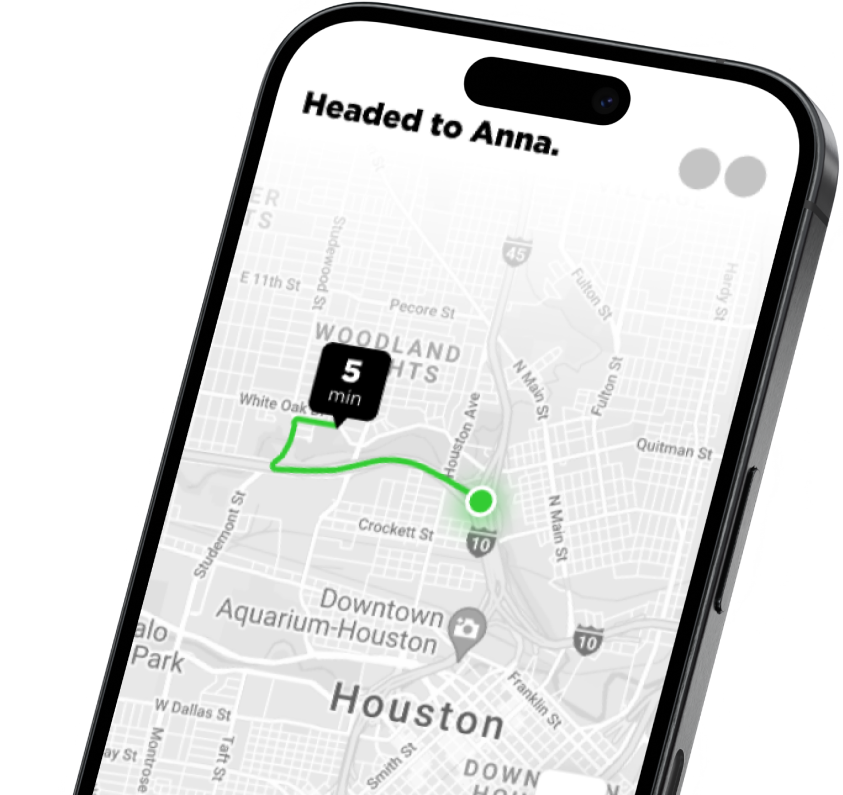
Safety without surveillance. Parents want to know where their kids are, especially younger teens. But kids value independence and privacy. Location sharing with opt-in features and age-appropriate transparency is the balance.
Disconnected communication. Group chats fracture conversations. A dedicated family messaging or update system keeps communication focused and prevents important details from getting lost in noise.
Money management. Family allowance, shared expenses, activity-based rewards. Handling money across a household is complicated. Apps that simplify this reduce friction and teach financial literacy.
These are the core problems. Your app doesn’t need to solve all of them, but focus on 2-3 and do them well.
Core Features for Family Apps
Shared Calendars and Event Management
This is table stakes. Your family calendar must sync across all devices and platforms, send notifications to relevant family members, and color-code by person or event type.
Key considerations:
- Multi-device sync: iOS, Android, and web all need real-time updates
- Permission levels: Can kids edit events, or only view them?
- Notification targeting: Parents might need different alerts than kids
- Integration with existing calendars: Google Calendar, Apple Calendar, Outlook. Many families want their family app data in their personal calendar app too
Apple’s Family Sharing docs and Google Family Link both offer calendar integration points. Don’t try to replace these. Integrate with them.
Location Sharing with Privacy Controls
Location is sensitive. Parents want to know if a teen made it to school safely. Kids want privacy. Your location features must be explicit, optional, and transparent.
Build it this way:
- Users must opt-in to share their location. No default sharing.
- Show what location data is visible to whom. A teen might share with parents but not siblings.
- Offer location “zones.” Instead of real-time tracking, notify parents only when a kid leaves school or arrives home.
- Allow users to turn off sharing at any time without penalty
- Be clear about battery impact and data usage
Location tracking builds trust or erodes it. Get the privacy model right from day one.
Task and Chore Management
A simple task system beats email reminders. Assign chores, set deadlines, mark complete, and earn rewards if applicable.
Make it engaging:
- Visual progress for kids: streaks, badges, completion percentages
- Parent dashboard: see at a glance who’s done what
- Recurring tasks: weekly chores set themselves up
- Smart notifications: remind kids at the right time, not too early
- Optional rewards: link tasks to allowance or screen time
Gameification works, but don’t overdo it. Parents want functionality. Kids want it to feel natural, not patronizing.
Family Messaging and Announcements
Group chats are chaos. Family apps need a cleaner way to share updates.
Consider two layers:
- Announcements: Parent-to-family broadcasts. “We’re leaving at 4 PM.” “Dinner is at 6.” Kids see it, may or may not reply.
- Discussion threads: For back-and-forth conversation without the noise of a group chat
Keep it simple. Don’t try to be Slack. Parents and kids will abandon a complex system.
Family Payment and Allowance System
Many families use apps to manage allowance, chores-for-cash, or shared expenses. This is optional but valuable.
Implement it carefully:
- Parental controls: Parents set rules and budgets
- Transaction history: Transparency for everyone
- Payment methods: Can money go to a debit card, bank account, or stay in-app?
- Earnings tracking: Link to completed chores or time-based allowance
Payment complexity is real. You’ll need to handle ACH transfers, prepaid cards, or third-party payment processors. Keep this scoped. Start simple.
Multi-Generational Design Considerations
Your users range from tech-savvy teens to grandparents who text rarely. This is the unique challenge of family apps.
Design for Multiple Literacy Levels
- Grandparents: Large text, simple flows, phone support included. One function per screen.
- Parents: Balanced. Enough power and detail without overwhelming UI.
- Teens: Faster interactions, social features, customization.
- Young kids: Age-gated. Bright colors, big buttons, parental controls.
You likely can’t have one interface for all. Consider different UI modes or simplified/advanced toggles.
Onboarding is Critical
Getting a multi-generational household onto an app is hard. You need:
- One person (usually a parent) creates the family
- Simple invite links for everyone else
- Role-based setup: parent, teen, child
- Skip optional features on first launch
- Clear explanations of what data is shared
Onboarding friction is your biggest churn driver. Expect to iterate.
Accessibility Matters More
Parents and grandparents might have vision or dexterity challenges. WCAG AA compliance isn’t optional. High-contrast mode, larger type scales, and voice controls should be built in from the start.
Get Your Free 45-Minute App Roadmap
Meet 1-on-1 with our senior product team. We’ll map your MVP or enterprise app and hand you a personalized plan—clear scope, a realistic timeline, and fixed monthly costs—for iOS & Android, web, tablets & wearables, and AI.
Privacy and Compliance: The Foundation
Family apps handle sensitive data about minors. You must get compliance right.
COPPA Compliance
If your app collects data from kids under 13, the Children’s Online Privacy Protection Act (COPPA) applies. Read the full COPPA compliance guide from the FTC.
Key requirements:
- Get parental consent before collecting any data from kids under 13
- Minimize data collection. Collect only what you need.
- Be transparent. Explain what you’re collecting and why.
- Provide parental access and deletion rights
- Don’t use data for marketing or behavioral tracking
Violations carry fines averaging $43,792 per violation (FTC data). Don’t cut corners here.
Data Minimization
Family data is personal. Don’t store what you don’t need.
Minimize by:
- Not collecting birthdates if you only need age
- Not storing full location history; store only the latest location
- Not recording every task completion; aggregate summaries
- Deleting inactive account data after 12 months
- Offering one-click account deletion
Age-Gated Features
Different family members need different access.
- Kids under 13: No direct messaging with non-family members, no location tracking unless with parents, no payment access
- Teens 13-17: Can opt into more features, subject to parental override
- Adults: Full access
This sounds complex. Keep it simple with sensible defaults.
Platform and Technical Considerations
Native or Cross-Platform?
Family apps need to reach everyone, so cross-platform is usually right. React Native or Flutter let you ship to iOS and Android from one codebase. Many families still use older devices, so test on both current and prior OS versions.
Real-Time Sync is Non-Negotiable
When a parent adds an event, kids see it immediately on all their devices. This means WebSocket or real-time database (Firebase, Supabase). Offline-first patterns help too: sync when you’re back online.
Push Notifications Must Be Smart
Over-notify and users uninstall. Under-notify and the app feels pointless.
Implement:
- Notification preferences per user
- Smart timing: don’t alert at 3 AM
- Grouping: bundle related notifications
- Rich notifications: include enough info so users don’t have to open the app
Security Baseline
- End-to-end encryption for messaging and sensitive updates
- OAuth or single sign-on for adults; parental account linking for kids
- Audit logging for who accessed what data and when
- Regular security audits (at least annually)
Cost and Timeline
A solid family app MVP costs between $40,000 and $80,000 to build. That covers:
- Shared calendar and task management
- Basic location sharing
- Family messaging
- iOS and Android apps plus web dashboard
- Initial compliance review
Timeline: 4-6 months for a small team.
More advanced features (payment integration, robust reporting, advanced analytics) add cost and time.
How to Get This Right
Talk to real families. Not hypothetically, but actually. Interview parents about their pain points. Watch them try to coordinate. See where they struggle.
Most family app failures happen because founders built what they thought families needed, not what they actually need.
Focus on one problem first. Shared calendars. Task management. Location safety. Do one thing beautifully, then expand.
Test extensively with mixed age groups. A feature that makes sense to a parent might confuse a grandparent. Usability testing isn’t optional.
Start with a small region or cohort. Get user feedback before scaling.
The Opportunity
Parents are tired of managing family logistics through text messages and email. They want something better. The market is proving this: family app usage is growing, and successful apps like Vida, Tiimo, and FamilyAlbum are gaining traction.
The family app space isn’t crowded yet. There’s room for thoughtful builders who understand the unique challenges of multi-generational design and take privacy seriously.
If you’re thinking about building one, now is a good time. The demand is real, and the technology is mature enough to ship a solid product.
Have questions about building a family app or bringing your idea to market? Chop Dawg has built 500+ apps over 17 years, including family-focused products. Schedule a free 45-minute consultation to talk through your concept.
Frequently Asked Questions
What is COPPA and why does it matter for family apps?
COPPA (Children’s Online Privacy Protection Act) is a federal regulation that requires parental consent before collecting personal information from children under 13. Violations can result in fines of $43,792 or more per violation. Any family app targeting kids under 13 must comply with COPPA’s requirements for parental consent, data minimization, and transparency.
Can I integrate with Apple Calendar and Google Calendar?
Yes. Apple Family Sharing and Google Family Link provide APIs and frameworks for calendar integration. Most families appreciate when family app data syncs with their existing personal calendars, so integration is valuable for user retention.
How much does it cost to build a family app?
A solid MVP with shared calendars, task management, and basic location sharing costs $40K-$80K and takes 4-6 months with a small team. Payment integration and advanced features add cost and complexity.
What’s the best way to handle location sharing for privacy?
Use opt-in location sharing with clear controls. Show exactly what location data is visible to whom. Consider zone-based alerts instead of real-time tracking. Allow users to disable sharing at any time. Transparency and user control build trust.
Should I build native iOS/Android or cross-platform?
Cross-platform (React Native, Flutter) is usually right for family apps because you need to reach iOS, Android, and ideally web, all from one codebase. Families use mixed devices, so supporting multiple platforms is table stakes.
How do I design for both tech-savvy teens and grandparents?
Use role-based UI or simplified/advanced modes. Design for accessibility from day one: large text, high contrast, voice controls. Test with actual users across age groups. Onboarding is critical because setup friction is your biggest churn driver.
What are the most important features to launch with?
Start with 2-3 core features: shared calendars, task management, and family messaging. Do these well before adding location sharing or payment systems. Most failed family apps tried to do too much at once.
How do I keep family app notifications from being annoying?
Let users set granular notification preferences. Group related notifications together. Avoid sending alerts outside business hours. Include enough information in the notification so users don’t have to open the app. Start conservative and add more as users ask for it.


 15 Min