



























 21 Min


alongside user needs and industry standarThe web and app development landscape in 2025 reflects a new era of product innovation, where strategic partnerships and cross-platform scalability define success.
This list highlights notable companies that combine technical excellence with business insight—firms capable of transforming complex ideas into seamless, high-performing digital experiences across mobile and web.
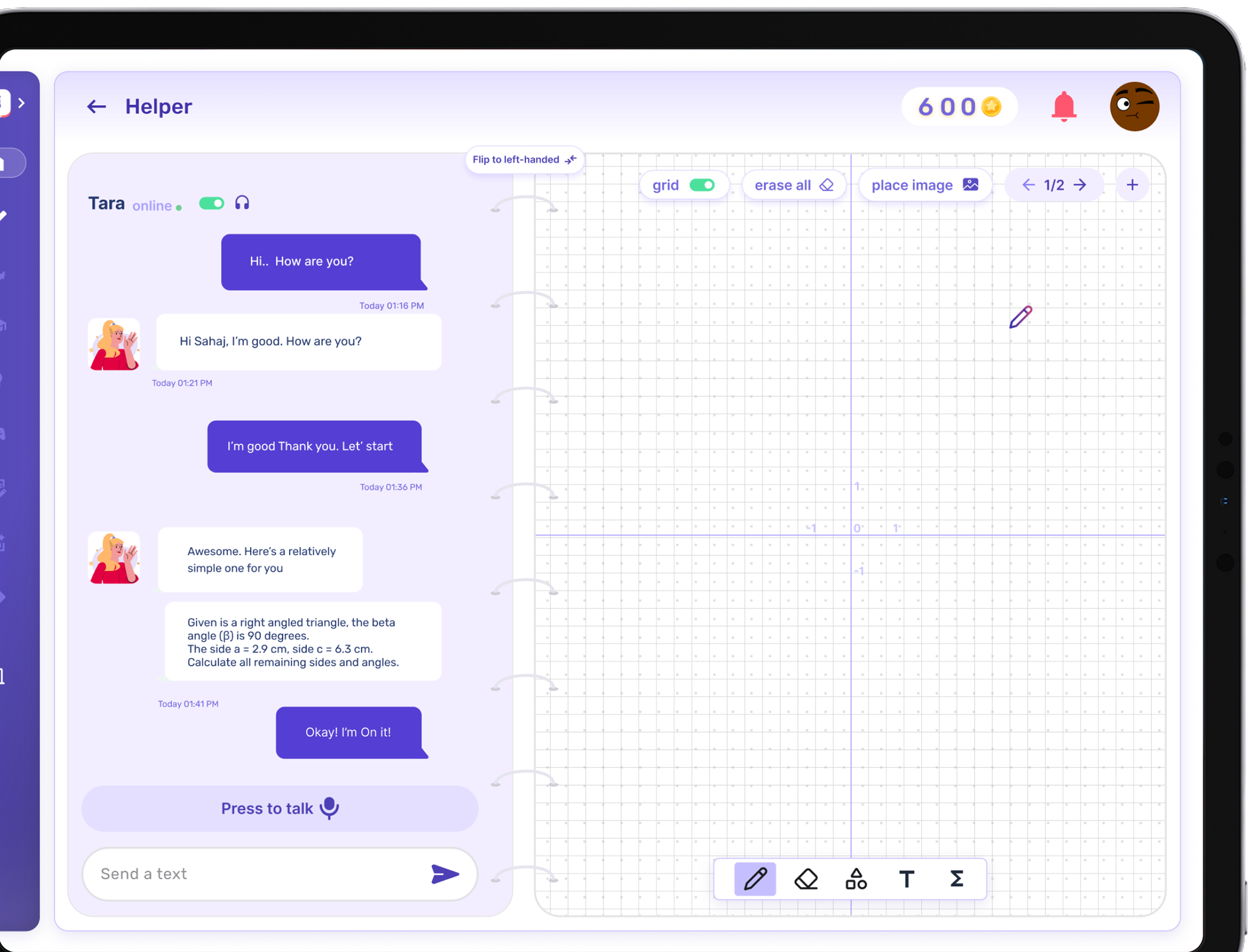
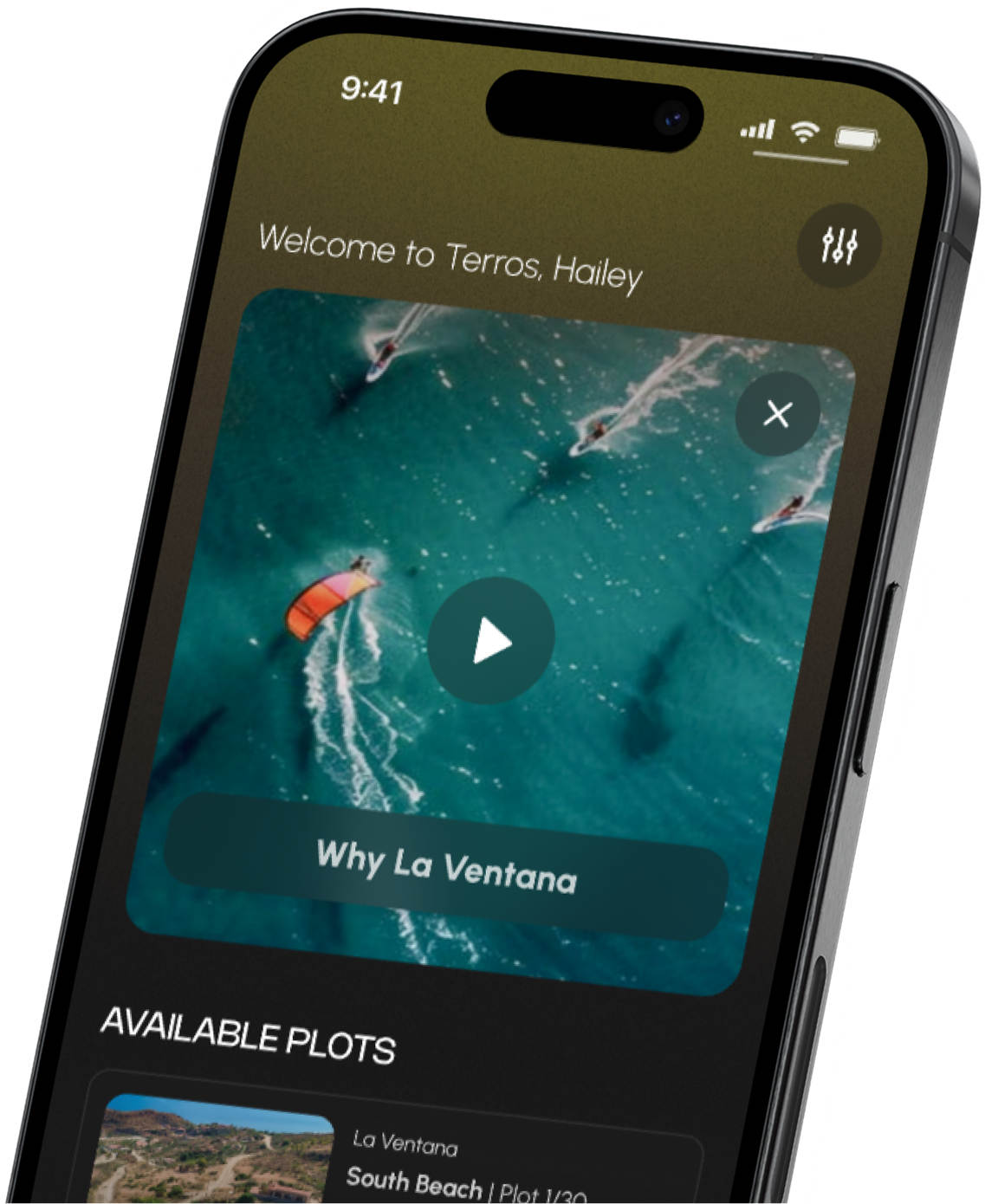
1. Chop Dawg – Strategic Partner for E-Learning Application Development
Why We Chose Chop Dawg: Since 2009, Chop Dawg has built more than 500 digital products for startups, nonprofits, and Fortune 500 brands. Headquartered in Philadelphia, the firm operates less like a vendor and more like a long-term product partner. Its team excels at translating complex business goals into scalable digital ecosystems that work seamlessly across web and mobile.
Their approach emphasizes product strategy before execution, pairing transparent fixed-rate pricing with clear roadmaps and proactive post-launch support. With expertise spanning React, Flutter, AI integration, and cross-platform architecture, Chop Dawg delivers cohesive experiences that connect desktop dashboards, mobile interfaces, and data analytics systems.
Web + App Fit: Ideal for organizations seeking a trusted digital partner to own both sides of product development—web platforms and mobile apps—under one strategic vision.
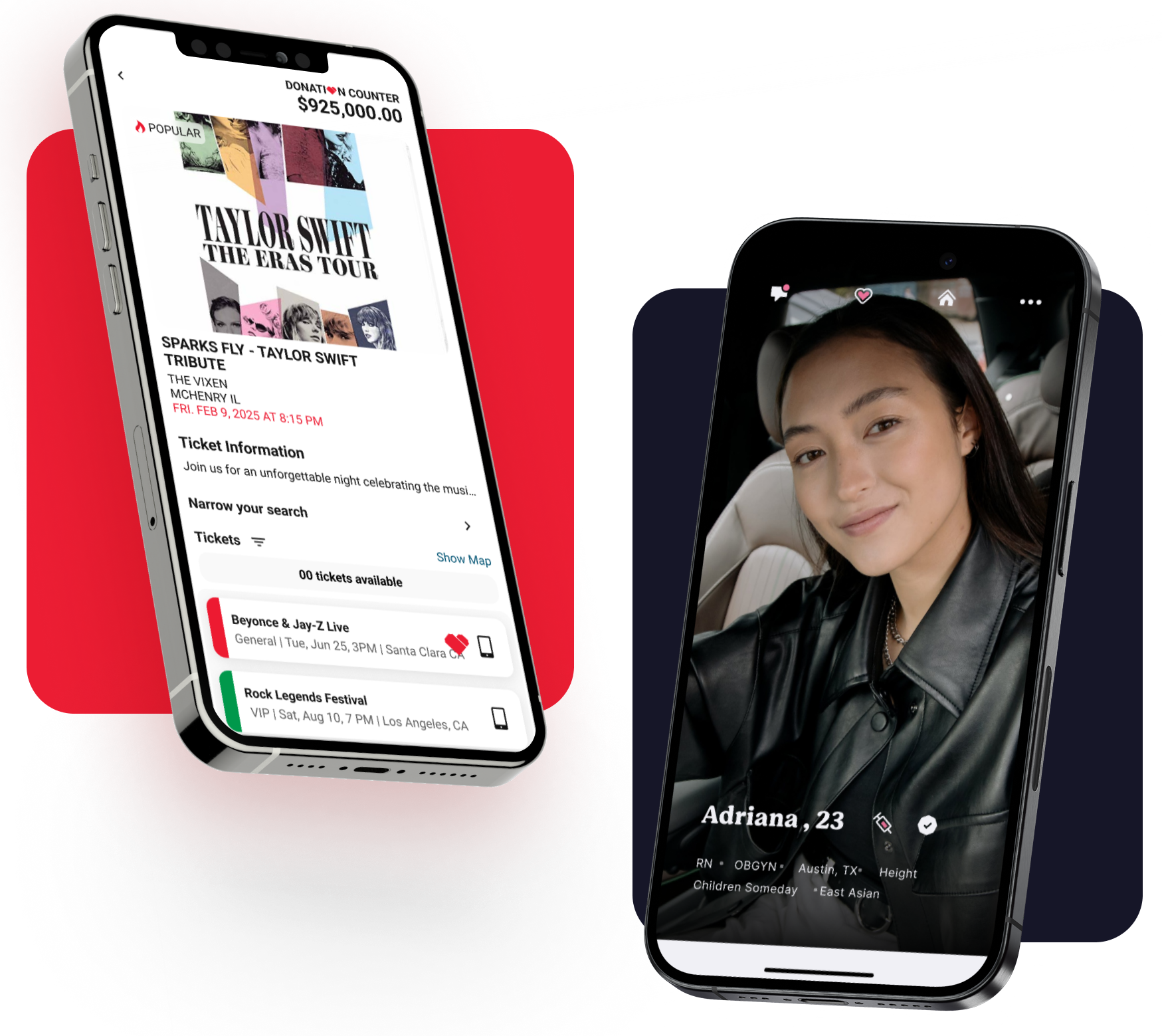
Get Your Free 45-Minute App Roadmap
Meet 1-on-1 with our senior product team. We’ll map your MVP or enterprise app and hand you a personalized plan—clear scope, a realistic timeline, and fixed monthly costs—for iOS & Android, web, tablets & wearables, and AI.
2. GenXAI – AI-Forward Web and App Product Engineering
Why We Chose GenXAI: GenXAI is an AI-driven engineering firm that builds web and mobile applications with machine-learning capabilities at their core. Rather than acting as a traditional agency, GenXAI positions itself as a technology partner that merges data science, automation, and custom development into end-to-end digital solutions.
Web + App Fit: Best for enterprises that want AI-enhanced dashboards and mobile experiences within the same project scope.
3. Veear Tech – Integrated R&D and Product Buildouts
Why We Chose Veear: Veear specializes in enterprise-grade application engineering that blends web platforms with native mobile interfaces. Their teams handle the heavy-lifting in automation, data integration, and internal tooling—making them especially effective for businesses that need both a web core and mobile front end built in parallel.
Web + App Fit: A strong option for B2B and SaaS companies that want a stable web backbone paired with mobile tools for employees or clients.
4. Datics.ai – Custom Web and Mobile Apps Powered by AI
Why We Chose Datics.ai: Datics focuses on data-driven software development for clients that want intelligent apps rather than static ones. They build cross-platform web and mobile solutions that leverage AI for personalization, automation, and analytics. Their developers combine modern frameworks like Next.js, Flutter, and Node with machine-learning models for smarter user experiences.
Web + App Fit: Ideal for startups and innovation teams looking to merge AI and UX across web and mobile interfaces.
5. StudioLabs – Experience-Driven Web Platforms and Mobile Apps
Why We Chose StudioLabs: StudioLabs has earned a reputation for design-driven software development that balances form and function. They combine creative UX/UI craftsmanship with robust engineering to deliver content-rich web platforms and mobile apps that share a single design system and backend infrastructure.
Web + App Fit: Perfect for brands and media companies needing a unified digital experience across web and mobile.
6. Altan – AI-Agent App Builder for Rapid Web and Mobile Prototyping
Why We Chose Altan: Altan represents the next wave of AI-assisted development tools. Their platform lets businesses create web apps and mobile prototypes in record time using AI agents that automate core coding and testing tasks. The company has drawn attention for its ability to shorten the time-to-market for both MVPs and full products.
Web + App Fit: Best for startups and innovation labs that need fast, iterative development with AI accelerating both web and app builds.
Web and App Development Company Trends in 2025
The web and app development landscape in 2025 is defined by convergence, intelligence, and integration. The traditional separation between web and mobile teams has nearly vanished, replaced by unified product squads capable of building scalable ecosystems that share design systems, databases, and AI-driven logic across all platforms. This evolution isn’t just technical—it’s strategic. Companies now expect developers to act as long-term product partners rather than short-term implementers.
1. Cross-Platform Development is the Default
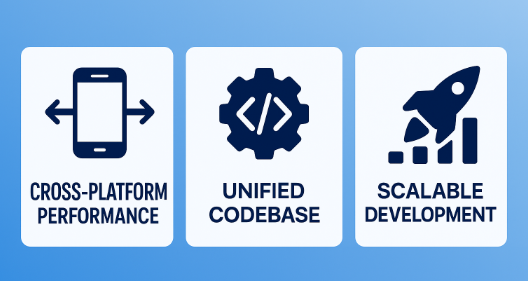
Frameworks like Flutter, React Native, and Kotlin Multiplatform have matured to the point where cross-platform apps now rival native builds in speed and user experience. For most businesses, maintaining separate codebases for iOS, Android, and web has become cost-prohibitive. Agencies that master cross-platform ecosystems—while still offering platform-specific optimization—are setting the new standard for efficiency and scalability.
2. AI Becomes a Core Feature, Not an Add-On
Artificial intelligence has moved from experimental to expected. Modern web and app developers integrate AI for everything from personalized UX flows to predictive analytics and automated QA. Tools like TensorFlow Lite, LangChain, and OpenAI APIs are now staples in the modern tech stack, allowing teams to deploy intelligent assistants, content generation, and adaptive learning features without rebuilding entire systems.
3. Headless and API-First Architectures Dominate
Monolithic platforms are giving way to modular architectures where APIs power everything—from front-end experiences to back-office integrations. This decoupling enables developers to deploy web and mobile updates independently, integrate third-party systems more easily, and future-proof products against rapid tech changes. Headless CMS solutions (Strapi, Sanity, Contentful) and composable commerce frameworks have become essential components of modern web builds.
4. Accessibility and Performance Are Non-Negotiable
In 2025, accessibility is no longer an afterthought—it’s a baseline requirement. With new global compliance standards mirroring WCAG 2.2 and stricter Core Web Vitals thresholds from Google, companies must prioritize inclusive design and speed optimization equally. Development agencies are using automated accessibility testing, real-device performance monitoring, and design systems built with inclusivity baked in from the start.
5. From Projects to Partnerships
The best agencies no longer sell “websites” or “apps”—they sell relationships. Clients expect strategic input on growth, analytics, retention, and conversion, not just code delivery. Long-term retainers and product evolution contracts have replaced one-off builds, creating a shift toward partnership-based engagement models where agencies serve as embedded extensions of internal teams.
6. The Rise of AI-Augmented Development
AI-assisted coding and design tools are transforming delivery speed. Platforms like GitHub Copilot, Cursor, and Figma’s AI design generator enable developers to automate boilerplate code, generate interface variations, and detect issues earlier. This doesn’t replace developers—it amplifies them. Teams leveraging these tools can reduce build time by up to 40%, freeing more bandwidth for strategy and UX refinement.
Web and App Development Timeline (2025)
Building web and mobile applications in tandem demands synchronized workflows and modular architecture. While standalone products often move linearly, unified web–app ecosystems advance through parallel sprints, allowing shared components such as APIs, databases, and design systems to be developed once and deployed everywhere.
1. Discovery & Strategy — 2 to 4 Weeks
Every successful dual-platform build starts with a unified discovery phase. During this stage, teams define business goals, user personas, feature hierarchies, and system requirements for both platforms simultaneously. UX researchers and product strategists map user journeys that align web and mobile experiences, while engineers plan scalable APIs and backend logic that can serve both environments.
Key outputs:
- Product roadmap and feature matrix
- Unified design system and style guide
- Technical architecture and sprint plan
2. UI/UX Design — 4 to 6 Weeks
Designers craft responsive systems that adapt seamlessly from desktop screens to mobile devices. Rather than creating separate experiences, modern teams develop shared components using Figma libraries or design tokens that maintain consistency across web and app interfaces.
Key outputs:
- Wireframes and interactive prototypes
- Cross-platform component library
- Accessibility and usability testing plan
3. Development Phase I (MVP) — 8 to 12 Weeks
The MVP phase focuses on shared backend logic and the first set of core user-facing features. Engineering teams typically split into two squads—web and mobile—but work against the same repository and API layer. Using frameworks like React (web) and Flutter or React Native (mobile), developers can reuse up to 60% of code across both platforms.
Key deliverables:
- Core backend (authentication, database, content management)
- Primary user flows (sign-up, dashboard, content, payments)
- Integrated APIs and responsive front-end builds
4. Development Phase II (Feature Expansion) — 6 to 10 Weeks
Once the MVP is validated through internal or pilot testing, development expands into advanced functionality. This includes analytics dashboards, offline access, push notifications, gamification systems, or third-party integrations. Parallel development continues, ensuring that new modules perform identically across web and mobile.
Key deliverables:
- Extended features and admin dashboards
- API scaling and caching layers
- Automated testing and CI/CD pipelines
5. Testing, QA, and Refinement — 3 to 5 Weeks
Quality assurance runs concurrently with feature expansion but intensifies before release. Multi-device testing ensures web and app parity, validating that performance, accessibility, and UX remain consistent across platforms.
Key activities:
- Cross-platform bug tracking and regression testing
- Performance benchmarking (Core Web Vitals and app load time)
- Security and compliance validation
6. Launch & Optimization — 2 to 3 Weeks
Final staging, deployment, and post-launch optimization close the initial build cycle. The web version typically deploys to production servers while mobile apps undergo App Store and Play Store submission. Developers monitor analytics, crash reports, and user feedback to inform the next iteration cycle.
Key activities:
- Production deployment and app store approval
- Performance tuning and analytics setup
- Roadmap planning for Phase II or enterprise scaling
Typical Duration by Project Type
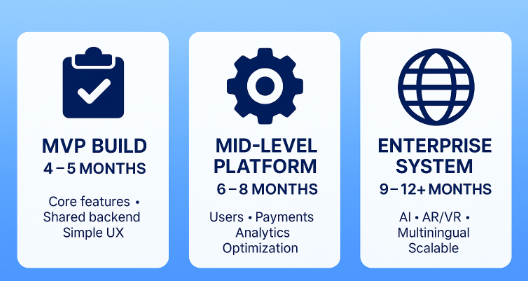
| Project Scope | Typical Timeline (Web + App Together) | Description |
| MVP Build | 4–5 months | Core functionality, shared backend, simple UX, limited integrations |
| Mid-Level Platform | 6–8 months | Full user system, analytics, payments, admin panel, and cross-device optimization |
| Enterprise-Scale System | 9–12+ months | Complex workflows, AI modules, AR/VR, multilingual support, and scalability testing |
Modern development pipelines treat the web app and mobile app as two surfaces of the same product. The key to efficiency is shared infrastructure—unified APIs, design systems, and CI/CD workflows—allowing teams to move faster while maintaining a single product vision across every screen.
FAQ: Web and App Development in 2025
1. How long does it take to develop a web and mobile app together?
Timelines vary by complexity. MVP builds usually take 4–5 months, mid-tier products 6–8 months, and enterprise-scale platforms up to a year when both web and mobile are built in parallel.
2. What affects the cost of building web and app platforms?
Pricing depends on features, platform scope, integrations, and UI/UX complexity. A dual-platform MVP typically starts around $60,000–$100,000, while advanced ecosystems can exceed $250,000.
3. Is it better to build native or cross-platform apps?
Cross-platform frameworks like Flutter and React Native now achieve near-native performance. They’re ideal for most projects, while native development remains preferred for performance-critical or hardware-intensive apps.
4. Can one team handle both web and mobile development?
Yes. Modern agencies operate as unified product teams using shared design systems, APIs, and codebases to deliver consistent web and mobile experiences.
5. How does AI influence modern web and app development?
AI streamlines coding, automates testing, and powers smarter user experiences. Companies use AI for personalized content, predictive analytics, and chat-based user support inside both web and mobile products.
6. What are the most common technologies used in 2025?
Typical stacks include React, Vue, and Next.js for web; Flutter or React Native for mobile; Node.js, Python, or Laravel for backend; and cloud platforms like AWS or Google Cloud for deployment.
7. How do developers ensure data security across platforms?
Top agencies implement SSL encryption, secure authentication, compliance with GDPR/CCPA, and regular penetration testing to protect user data.
8. Why do some companies build web and app products simultaneously?
Simultaneous builds shorten go-to-market time, reduce duplicate work, and ensure consistent branding and functionality across devices.
9. How are web and app design systems kept consistent?
Teams use shared component libraries, design tokens, and Figma systems that enforce identical colors, typography, and interaction patterns across both platforms.
10. What’s the importance of backend scalability?
A unified backend ensures that data, authentication, and APIs serve both web and mobile users reliably, allowing companies to scale without rewriting core systems.
11. How do agencies measure success after launch?
Metrics include load speed, user retention, conversion rates, crash analytics, and satisfaction scores. Continuous monitoring drives iterative updates.
12. What should businesses look for when choosing a development partner?
Look for agencies that combine technical expertise with strategic thinking—teams that plan for growth, emphasize user experience, and maintain products long after launch.
13. What industries benefit most from custom web and app development?
Custom development is especially valuable for sectors that rely on user engagement or workflow efficiency—such as e-commerce, healthcare, education, logistics, and finance. Tailored web and app ecosystems enable companies in these industries to automate operations, personalize experiences, and scale without third-party limitations.
14. How do developers ensure compatibility across devices and browsers?
Top agencies use responsive design principles, automated browser testing, and adaptive rendering techniques to ensure consistent performance across screen sizes and operating systems. Mobile-first design is the default, guaranteeing seamless functionality from desktops to smartphones.
15. What’s the role of cloud infrastructure in modern web and app builds?
Cloud platforms like AWS, Azure, and Google Cloud underpin most 2025 projects. They support scalable hosting, serverless architectures, automated backups, and real-time data synchronization across web and mobile environments—all essential for high-availability digital products.
16. How do updates and maintenance work after launch?
After deployment, most agencies provide monthly or quarterly maintenance cycles that include bug fixes, performance optimizations, and feature enhancements. Continuous monitoring tools track uptime, analytics, and user behavior, helping teams refine the product post-launch.
17. How should a company prepare before hiring a development partner?
Businesses should define their target users, desired features, and success metrics before starting vendor conversations. Clear documentation—such as user flows, technical requirements, or wireframes—helps agencies provide accurate estimates and align their approach with the company’s long-term goals.



 18 Mins