


































 19 Min


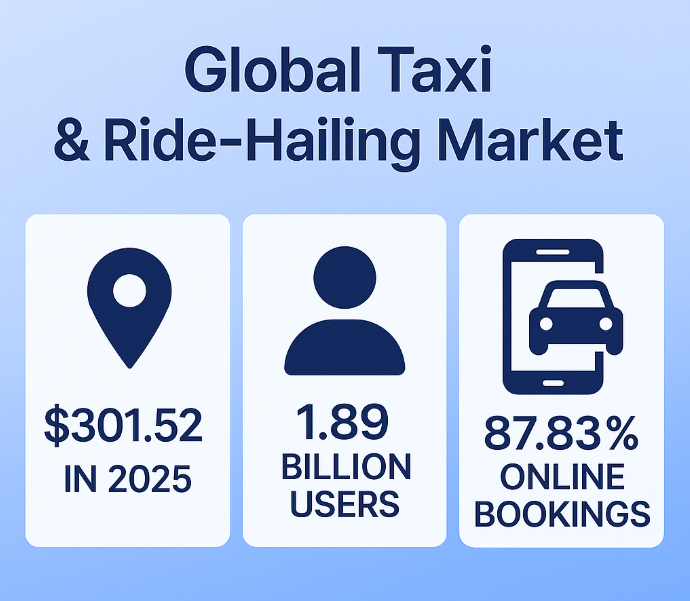
The global taxi and ride-hailing market reached $301.52 billion in 2025 and is projecting expansion to $712.08 billion by 2033, representing an 11.34% compound annual growth rate. With 1.89 billion users worldwide and 87.83% of bookings occurring through online channels, app-based transportation has fundamentally reshaped urban mobility.
For founders building specialized rideshare platforms, selecting the right development partner has become increasingly mission-critical as niche taxi apps—targeting medical transport, senior citizens, women-only services, luxury rides, corporate shuttles, and airport transfers—now compete directly against horizontal platforms through vertical specialization and premium service delivery.
This comprehensive analysis examines leading taxi app development companies in 2025, with particular attention to firms demonstrating proven expertise in real-time dispatch systems, multi-sided marketplace architectures, and safety-critical transportation platforms.
Whether your organization requires HIPAA-compliant medical transport, senior-friendly accessibility features, or corporate shuttle integration with employee systems, understanding the competitive landscape helps identify partners aligned with your niche requirements and regulatory obligations.
If you’re evaluating development partners for your specialized taxi platform, consider exploring Chop Dawg’s transportation solutions, which offer transparent fixed-rate pricing and proven experience with rideshare-style logistics through implementations like Commute My Kids’ student transportation coordination app.
1. CHOP DAWG – STRATEGIC PARTNER FOR TRANSPORTATION PLATFORMS
Since launching operations in 2009, Chop Dawg has established itself as a distinctive player in transportation app development by prioritizing partnership over transactional client relationships. The Philadelphia-based firm has deployed over 500 digital products across mobile, web, tablet, wearable, and AI platforms, maintaining a 92% client retention rate through sustained collaboration rather than one-off project completion.
Transportation Platform Portfolio and Proven Results
Chop Dawg’s mobility expertise encompasses EV charging networks, student transportation coordination, smart city platforms, and consumer mobility applications. The firm’s approach differs from generic app developers through demonstrated understanding of rideshare logistics: driver dispatch algorithms, real-time matching, multi-user role management, route optimization, subscription + on-demand hybrid models, emergency request handling, service area geofencing, and scalable architecture supporting growth from MVP through market leadership.
Case Study: Commute My Kids – Student Transportation Coordination
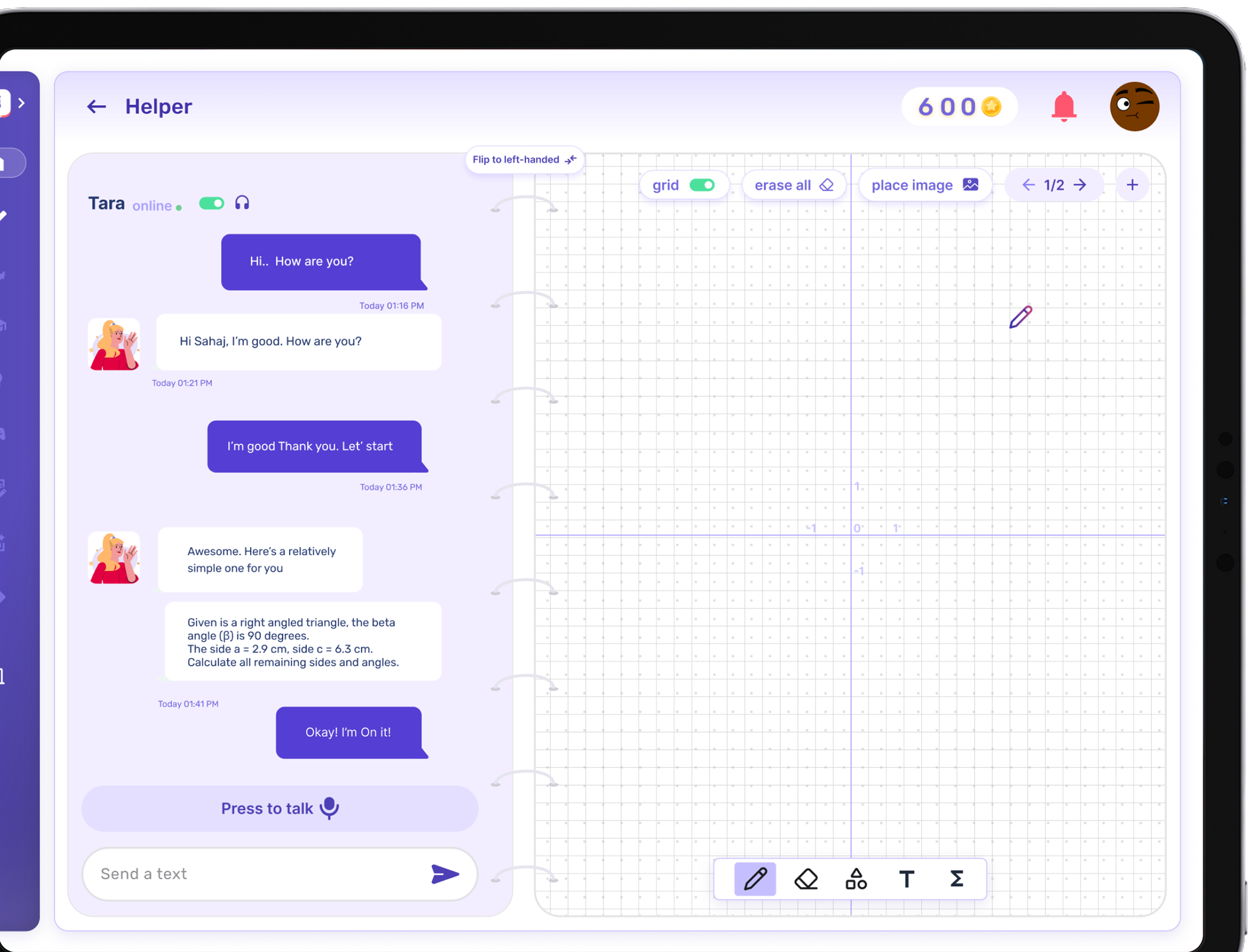
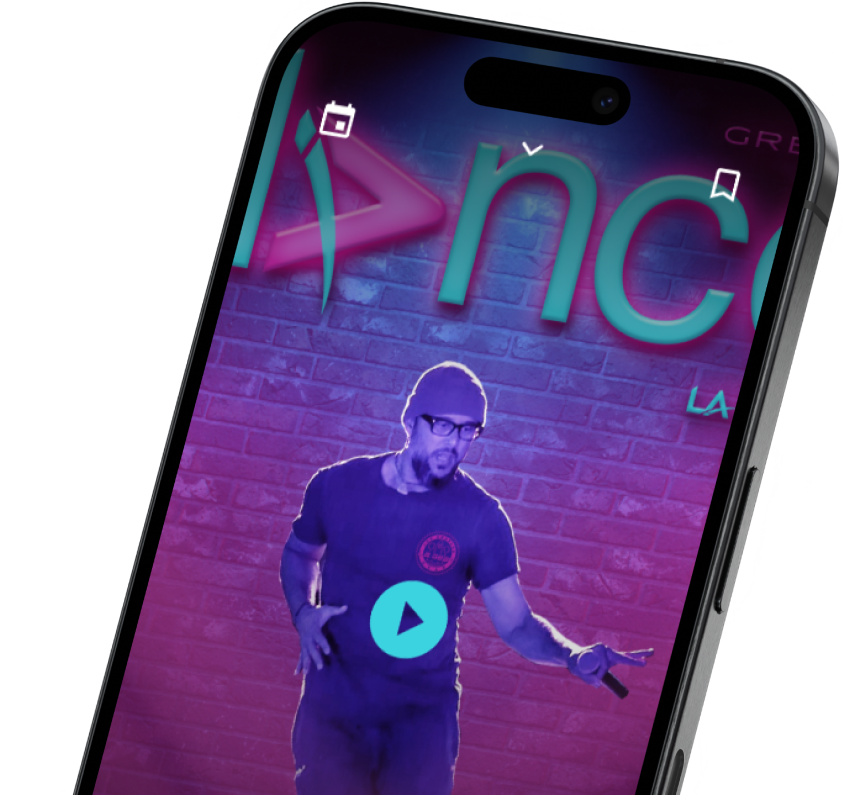
Modern families face transportation chaos: rideshare apps aren’t designed for children, school buses lack flexibility, group chats create confusion. Commute My Kids needed a purpose-built platform for parents and guardians with safety, organization, and trusted driver networks at the core. The platform supports multiple user roles (parents, drivers, administrators, school officials) with real-time scheduling and flexible modification capabilities.
Technical architecture includes parent ride scheduling interface supporting recurring trips, driver trip acceptance workflows with confirmation protocols, real-time status updates informing all parties, and calendar integration enabling advance planning. Safety foundation implements encrypted communication protocols, user-level access control, driver vetting and verification systems, real-time ride tracking, automated pickup/dropoff confirmation alerts, and in-app secure messaging.
Clients have been open about their satisfaction. “We’re thoroughly impressed with Chop Dawg’s exceptional customer service. They’re incredibly attentive to our needs and promptly address all our questions. Chop Dawg has consistently delivered on time and within budget.” – Kali Fontaine, Founder & CEO of Commute My Kids.
This project showcases multi-stakeholder coordination platforms, safety-critical transportation systems, real-time scheduling and dispatch, driver network management, trust-building security features, regulatory-conscious development, scalable fleet management, role-based access control, and communication systems between parties—all essential capabilities for niche taxi platforms.
Get Your Free 45-Minute App Roadmap
Meet 1-on-1 with our senior product team. We’ll map your MVP or enterprise app and hand you a personalized plan—clear scope, a realistic timeline, and fixed monthly costs—for iOS & Android, web, tablets & wearables, and AI.
Technical Architecture and Niche-Specific Implementation
Chop Dawg’s technical stack emphasizes React Native for cross-platform development, Swift/Kotlin for platform-specific features, and industry-standard backend technologies including Node.js, Python, and Ruby on Rails. This technological versatility allows deployment across iOS, Android, and web from unified codebases—reducing development timelines and long-term maintenance overhead while maintaining native performance characteristics.
For medical transport (NEMT), the firm implements HIPAA-compliant architecture, hospital scheduling system integration, wheelchair accessibility routing, medical equipment accommodation specifications, patient care driver verification, insurance billing integration, and emergency response protocols. Senior citizen applications prioritize simplified accessible UI/UX, caregiver booking capabilities, assisted boarding allowances, medical appointment reminders, and driver training verification. Women-only services incorporate enhanced safety features including panic buttons, live ride sharing with trusted contacts, driver verification with background checks, and community reporting systems. Corporate shuttle implementations include employee authentication integration (Active Directory, SSO), office location route planning, shared ride capacity management, automated invoicing to corporate accounts, fleet manager dashboards, and carbon footprint tracking for ESG reporting.
Security-First Development and Compliance Frameworks
The firm’s security approach implements enterprise-grade authentication methods, end-to-end encryption, and compliance frameworks from project inception rather than afterthoughts. For HIPAA-required medical transport apps, implementations include AES-256 encryption for data at rest and in transit, role-based access controls limiting data visibility, comprehensive audit logging tracking all data access, and secure communication channels between drivers and passengers preventing unauthorized information disclosure. OAuth 2.0 authentication with JWT tokens, two-factor authentication for driver accounts, SSL/TLS encryption for all API communications, and regular security audits with penetration testing ensure production-grade security meeting enterprise standards.
Pricing Transparency and Partnership Methodology
Chop Dawg includes 30-day bug warranties and 30-day maintenance periods following launches, addressing common concerns regarding post-deployment support. The firm’s process begins with complimentary consultations providing personalized roadmaps with clear scope, realistic timelines, and budget projections—ensuring founder buy-in before development commences.
Investment ranges: MVP with core booking functionality ($50,000-$100,000), full-featured niche taxi app with rider/driver apps and admin dashboards ($100,000-$200,000), enterprise platform with sophisticated features and compliance requirements ($200,000-$350,000+). Fixed-rate monthly pricing eliminates hourly billing uncertainty, aligning incentives around quality delivery rather than time extension.
The firm’s 92% client retention rate reflects sustained partnership commitment—clients return for feature additions, infrastructure scaling, performance optimization, and strategic consultation as markets evolve. This long-term thinking, combined with transparent communication through dedicated project managers, weekly check-ins, daily Slack updates, and JIRA task tracking, provides founders with partnership stability essential for niche taxi platforms requiring continuous evolution post-launch.
Best For
Niche taxi app founders (medical transport, senior services, women-only, luxury, corporate shuttles) seeking collaborative development partners with proven transportation platform expertise, transparent fixed-rate pricing, and demonstrated capacity to integrate complex workflows, regulatory requirements, and safety-critical features while delivering consumer-grade user experiences. Particularly suited for founders in regulated industries requiring HIPAA compliance, organizations with complex stakeholder requirements, and operators prioritizing long-term scalability over lowest initial cost.
2. APPICIAL APPLICATIONS – RAPID WHITE-LABEL DEPLOYMENT
Appicial Applications has positioned itself as a specialized white-label taxi platform provider with 7-day deployment timelines for standardized solutions. The firm’s pre-built Uber-clone platform includes multi-language and multi-currency support, serving 30+ countries with proven infrastructure.
Notable vertical solutions include event transportation logistics with real-time driver tracking and guest registration, student transportation with geofencing and parental notifications, and tourism platforms with multi-language support and city guides. The rapid deployment approach—leveraging pre-built components and customization layers rather than ground-up development—enables existing taxi businesses to transition digital operations within weeks rather than months.
Best For
Existing taxi fleet operators transitioning to digital platforms, entrepreneurs seeking fast market entry with proven technology, and multi-city operators requiring rapid geographic expansion without extended development cycles. Less suitable for innovative business models requiring custom features beyond template capabilities.
3. TEKREVOL – BUDGET-CONSCIOUS MVP DEVELOPMENT
TekRevol offers cost-effective solutions for early-stage founders with pricing ranging $5,000-$25,000 for basic implementations. The firm emphasizes efficient workflows, smart technology choices, and fundamental API integration covering essential taxi app requirements.
Services include basic booking interfaces with user authentication, GPS tracking, payment integration, and standard UI templates providing functional minimum viable products. The budget-focused approach prioritizes core functionality over advanced features, enabling bootstrap founders to validate market demand before significant capital investment.
Development timelines typically span 2-3 months for MVP implementations, allowing rapid market testing. However, the simplified architecture may require substantial refactoring when scaling beyond initial pilot phases.
Best For
Bootstrap founders requiring proof-of-concept validation, regional market pilots testing niche demand, and entrepreneurs with limited initial capital seeking functional MVPs before fundraising or revenue generation. Organizations requiring sophisticated matching algorithms, extensive integrations, or compliance features should consider more comprehensive partners.
4. GREPIX INFOTECH – VERTICAL SPECIALIZATION
Grepix Infotech provides tailored solutions for specific transport verticals including medical transport, luxury services, corporate shuttles, and two-wheeler apps. The firm’s technical focus encompasses real-time bookings with automated driver matching, carpooling and ridesharing features, corporate ride management with invoicing, and specialized fleet management.
Pre-built templates for vertical-specific requirements—medical transport with compliance considerations, luxury services with premium vehicle management, corporate shuttles with employee authentication—accelerate deployment for standard niche applications. The template-based approach trades customization flexibility for faster time-to-market.
A representative implementation includes corporate employee transportation with integration to company directories, route optimization for office locations, and automated billing systems. The firm’s domain expertise in specific verticals provides valuable context regarding common workflows and regulatory requirements.
Best For
Operators in well-established niche segments with standard requirements, organizations seeking proven vertical-specific templates over custom development, and companies prioritizing deployment speed over unique feature differentiation.
5. HYPERLOCAL CLOUD – TRADITIONAL TAXI MODERNIZATION
Hyperlocal Cloud specializes in helping traditional taxi companies transition to app-based dispatch, understanding legacy operations, medallion systems, and existing fleet management. The firm’s technical focus includes dispatch optimization, fleet management tools, and driver onboarding from traditional workforces.
Legacy system integration capabilities—connecting new mobile platforms with existing dispatch software, payment processors, and operational databases—distinguish Hyperlocal Cloud’s approach. Rather than replacing entire operational infrastructure, the firm builds mobile layers atop established systems, reducing disruption while modernizing customer-facing experiences.
A representative project involved a traditional taxi fleet implementing mobile booking while maintaining existing dispatch operations, call center infrastructure, and driver relationships. The phased approach enabled gradual adoption without operational disruption.
Best For
Established taxi fleets with existing operations, medallion owners modernizing customer acquisition channels, and dispatch companies seeking mobile capabilities without replacing core operational systems. Less suitable for greenfield startups building niche platforms from inception.
CRITICAL SELECTION CONSIDERATIONS FOR TAXI APP DEVELOPMENT
Real-Time GPS and Dispatch Architecture
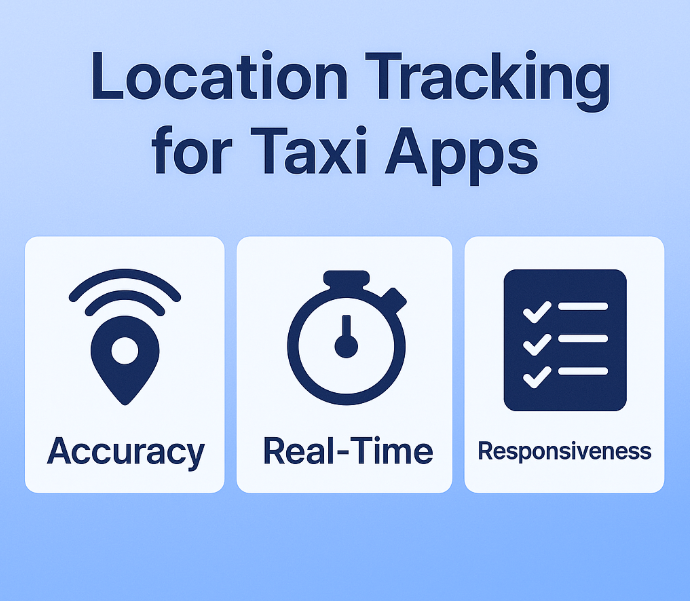
Taxi apps require production-grade location tracking with appropriate trade-offs between accuracy, battery efficiency, and real-time responsiveness. Evaluate partners on WebSocket implementation for live updates, geospatial database optimization (PostGIS), mapping API integration (Google Maps, Mapbox), route optimization algorithms, and ETA calculation engines. Case studies should demonstrate handling thousands of concurrent location streams without performance degradation—vague claims of “real-time tracking” without architectural specifics indicate inexperience with rideshare logistics at scale.
Multi-Sided Marketplace Complexity
Unlike single-audience apps, taxi platforms serve riders, drivers, and administrators with distinct interface requirements, data access needs, and workflow patterns. Development partners must demonstrate experience with role-based access controls, separate mobile apps for different user types, admin dashboards providing operational visibility, and architectures preventing data leakage between roles. The “chicken-and-egg” problem—acquiring riders and drivers simultaneously—requires strategic launch planning; evaluating whether partners offer guidance on driver recruitment, geographic concentration strategies, and B2B anchor customer approaches beyond pure technical implementation.
Payment Processing and Split Payments
Taxi apps require sophisticated payment architecture handling rider charges, driver payouts, platform commissions, and various payment methods (credit cards, digital wallets, cash). Look for partners with Stripe, Braintree, or Square integration experience, split payment functionality enabling automated driver payouts, subscription billing capabilities for membership models, and dynamic pricing engine implementation. Security considerations include PCI DSS compliance, tokenization preventing card data storage, and fraud detection systems. Partners should articulate how they handle payment failures, refunds, and reconciliation rather than treating payments as simple API integration.
Niche-Specific Compliance and Safety Features
Medical transport requires HIPAA compliance with encrypted patient data storage, insurance billing integration, and wheelchair accessibility routing. Senior services demand simplified UI/UX with large buttons and high-contrast interfaces. Women-only platforms need enhanced safety features including panic buttons, live ride sharing with trusted contacts, and driver verification systems. Corporate shuttles require SSO authentication and carbon footprint tracking for ESG reporting.
Evaluate partners on demonstrated experience with your specific niche’s regulatory requirements, workflow patterns, and safety considerations—generic mobile developers claiming taxi expertise without vertical-specific implementations lack contextual understanding essential for compliant, user-appropriate solutions.
STRATEGIC POSITIONING FOR TAXI APP SUCCESS
Selecting a taxi app development partner represents a strategic decision extending beyond vendor procurement. The relationship influences whether your platform delivers specialized service value, scales alongside business growth, integrates niche-specific workflows seamlessly, and adapts to evolving regulatory requirements.
The $712 billion global market creates ample opportunity for specialized players understanding specific customer segments better than horizontal platforms. Medical transport achieving 12% annual growth, corporate shuttles capturing $6 billion by 2027, and women-only services addressing underserved populations demonstrate that vertical specialization commands premium pricing with higher customer loyalty than generic competitors.
Schedule a complimentary consultation with Chop Dawg to explore how strategic development partnership—backed by proven transportation platform implementations such as Commute My Kids’ coordination app—can deliver specialized features addressing your niche requirements, compliance mandates, and competitive differentiation objectives.
FREQUENTLY ASKED QUESTIONS
What timeline should founders expect for taxi app development?
Taxi application timelines vary based on complexity, niche requirements, and integration scope. Simple MVPs with core booking functionality, basic GPS tracking, and standard payment processing complete in 3-4 months. Comprehensive niche platforms with rider apps, driver apps, admin dashboards, advanced safety features, and regulatory compliance (HIPAA for medical transport, enhanced background checks for child transportation) typically require 5-7 months. Enterprise implementations with sophisticated matching algorithms, multi-region support, and extensive third-party integrations often span 7-10 months.
The development process typically begins with discovery workshops assessing niche requirements, regulatory obligations, and competitive positioning before code development commences.
Adopting agile methodologies with two-week sprint cycles allows iterative refinement, though taxi projects require comprehensive upfront planning ensuring proper multi-sided marketplace architecture, payment split functionality, and real-time dispatch systems. Phased delivery approaches—launching MVPs in concentrated geographies followed by feature expansion and geographic scaling—often provide faster time-to-value while accommodating driver recruitment timelines and market validation insights discovered during initial operations.
How do taxi app development costs compare across different niches?
Development costs vary significantly based on niche-specific requirements and regulatory complexity. Basic taxi MVPs with standard booking functionality range $50,000-$75,000 covering iOS/Android apps with essential features.
Medical transport apps requiring HIPAA compliance, insurance billing integration, and wheelchair accessibility routing typically cost $100,000-$200,000. Luxury services with premium fleet management, chauffeur profiles, and event scheduling capabilities span similar ranges.
Corporate shuttle platforms with SSO integration, HR system connectivity, and ESG reporting dashboards range $100,000-$250,000. Women-only services with enhanced safety features, panic buttons, and community reporting systems cost $75,000-$150,000.
Cost factors include compliance requirements (HIPAA adds 20-30% to budgets), integration complexity (connecting with hospital systems, corporate directories, or insurance providers), safety feature sophistication (audio recording, live ride sharing, emergency services integration), and admin dashboard capabilities (real-time analytics, fleet management, driver verification workflows).
Organizations should evaluate total cost of ownership including ongoing maintenance (15-20% of initial development annually), server infrastructure ($500-$5,000+ monthly depending on usage), payment processing fees (2.9% + $0.30 per transaction typical), and customer acquisition costs rather than exclusively focusing on initial development investments.
Should founders build native apps or cross-platform solutions?
This decision depends on specific requirements rather than universal rules. Cross-platform development with React Native provides 80% code sharing between iOS and Android, reducing development costs 30-40% while maintaining 3-4 month faster time-to-market compared to separate native builds. Modern frameworks achieve near-native performance suitable for 90% of taxi app features including GPS tracking, payment processing, push notifications, and real-time updates. Uber, Lyft, and numerous successful taxi platforms use cross-platform approaches validating production readiness.
Native development with Swift (iOS) and Kotlin (Android) provides maximum performance optimization for computationally intensive features, full access to latest platform-specific capabilities before cross-platform framework support, and optimal user experiences perfectly aligning with platform conventions. However, native approaches require maintaining separate codebases, duplicate feature development across platforms, and coordinated release cycles—sustainable only for well-funded operations with dedicated iOS and Android teams.
Recommended approach: Build core functionality with React Native for cost efficiency and rapid iteration, then implement performance-critical features or platform-specific capabilities in native code as needed.
What differentiates successful niche taxi apps from horizontal platforms?
Niche taxi apps succeed through vertical specialization addressing specific customer segments better than horizontal platforms. Medical transport apps prioritize HIPAA compliance, hospital scheduling integration, wheelchair accessibility, insurance billing, and driver medical training—features irrelevant to general rideshare but essential for patient transport.
Senior services emphasize simplified UI with large buttons, caregiver coordination, assisted boarding workflows, and medication reminder integration. Women-only platforms focus on driver verification, enhanced safety features, community trust building, and female driver recruitment—creating safe spaces horizontal platforms struggle providing at scale.
Competitive advantages include premium pricing justified by specialized service (medical transport charges 2-3x standard rideshare rates), higher customer loyalty through purpose-built features reducing switching to generic alternatives, partnership opportunities with industry players (hospitals, senior living facilities, corporations) providing customer acquisition channels, and regulatory moats preventing horizontal platform entry without significant compliance investment.
Business model differentiation encompasses subscription pricing for regular users, B2B contracts with anchor customers providing guaranteed demand, and value-added services commanding price premiums.
How important is post-launch support for taxi platforms?
Post-launch support proves critical for taxi apps given continuous evolution requirements. Immediate post-launch periods (30 days) demand bug fixing based on real-world usage patterns, performance optimization under actual traffic loads, and server capacity adjustments. Ongoing maintenance includes iOS and Android OS updates (released annually requiring compatibility testing), third-party API updates, security patches, and infrastructure optimization balancing performance with cost efficiency.
Feature development occurs quarterly based on user feedback, competitive dynamics, and business priorities: ride scheduling enhancements, additional payment methods, driver earnings dashboards, promotional systems, loyalty programs, and operational efficiency tools. Major annual updates encompass UI/UX redesigns, architecture refactoring for scale, platform expansion (web apps, tablet interfaces), and technology stack modernization.
Organizations should budget 15-20% of initial development costs annually for maintenance and ongoing development, expecting to invest 50-100% of initial build costs over three years for competitive feature parity and platform evolution. Partners offering 30-day warranties, transparent support SLAs, and flexible engagement models provide operational continuity essential for taxi platforms.
What metrics indicate successful taxi app implementations?
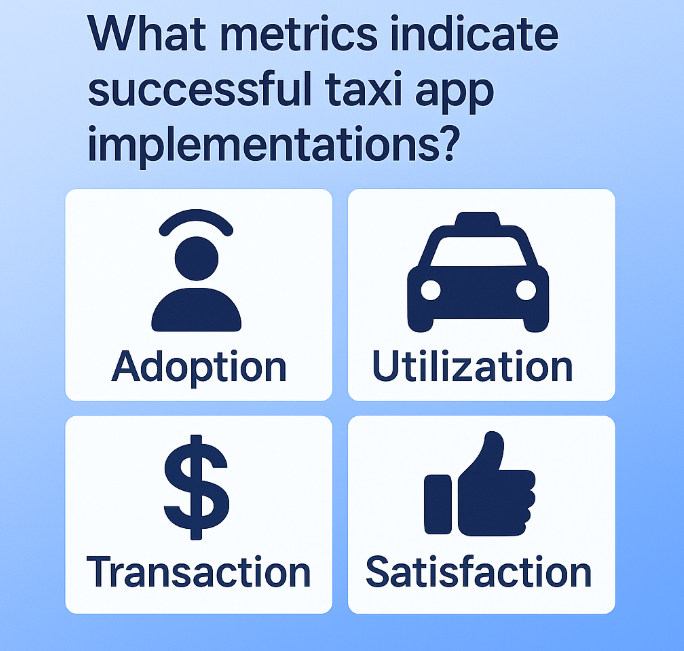
Success metrics vary by niche but typically include adoption rates (monthly active riders and drivers), utilization metrics (rides per user monthly, driver hours logged), transaction metrics (gross merchandise value, average ride value), efficiency indicators (driver utilization rates, average wait times, cancellation rates), and satisfaction scores (rider ratings, driver ratings, net promoter scores). Financial metrics encompass customer acquisition cost, lifetime value, LTV:CAC ratios, contribution margin per ride, and path to profitability.
Niche-specific metrics reflect specialized value propositions: medical transport tracks on-time appointment arrival rates and insurance billing success rates, senior services measure caregiver satisfaction and assisted boarding completion rates, women-only platforms monitor safety incident frequencies and community engagement metrics, corporate shuttles track carbon reduction achievements and employee commute satisfaction scores. These operational KPIs—beyond generic usage metrics—validate whether platforms deliver differentiated value justifying premium pricing and specialized positioning.




 18 Mins