




































 23 Min


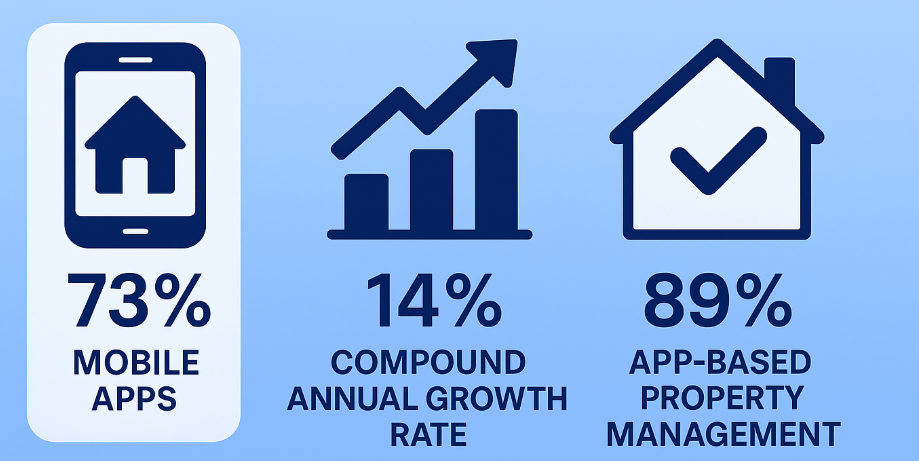
The global real estate software market reached $13.65 billion in 2025 and is projecting expansion to $34.1 billion by 2032, representing a 14% compound annual growth rate. With mobile apps now accounting for 73% of property searches and 89% of users preferring app-based property management, digital platforms have fundamentally reshaped how properties are bought, sold, managed, and experienced.
This comprehensive analysis examines leading real estate app development companies in 2025, with particular attention to firms demonstrating proven expertise in property listing systems, multi-sided marketplace architectures, and compliance-heavy real estate platforms.
Whether your organization requires MLS integration for agent platforms, dynamic pricing algorithms for vacation rentals, blockchain-based property transactions, or ESG reporting dashboards for commercial properties, understanding the competitive landscape helps identify partners aligned with your niche requirements and regulatory obligations.
1. CHOP DAWG – STRATEGIC PARTNER FOR PROPERTY TECHNOLOGY PLATFORMS
Since launching operations in 2009, Chop Dawg has established itself as a distinctive player in real estate app development by prioritizing partnership over transactional client relationships. The Philadelphia-based firm has deployed over 500 digital products across mobile, web, tablet, wearable, and AI platforms, maintaining a 92% client retention rate through sustained collaboration rather than one-off project completion.
Property Technology Portfolio and Proven Results
Chop Dawg’s real estate expertise encompasses property listing platforms, rental management systems, marketplace applications, and smart building integration. The firm’s approach differs from generic app developers through demonstrated understanding of property technology: listing syndication across multiple channels, advanced search with filters and map integration, property valuation algorithms, virtual tour integration with 360° photography, document management for leases and contracts, multi-party communication systems connecting buyers/sellers/agents, payment processing with escrow handling, and scalable architecture supporting growth from MVP through market leadership.
Case Study: Terros – Real Estate Investment Platform for Land Acquisition in Mexico
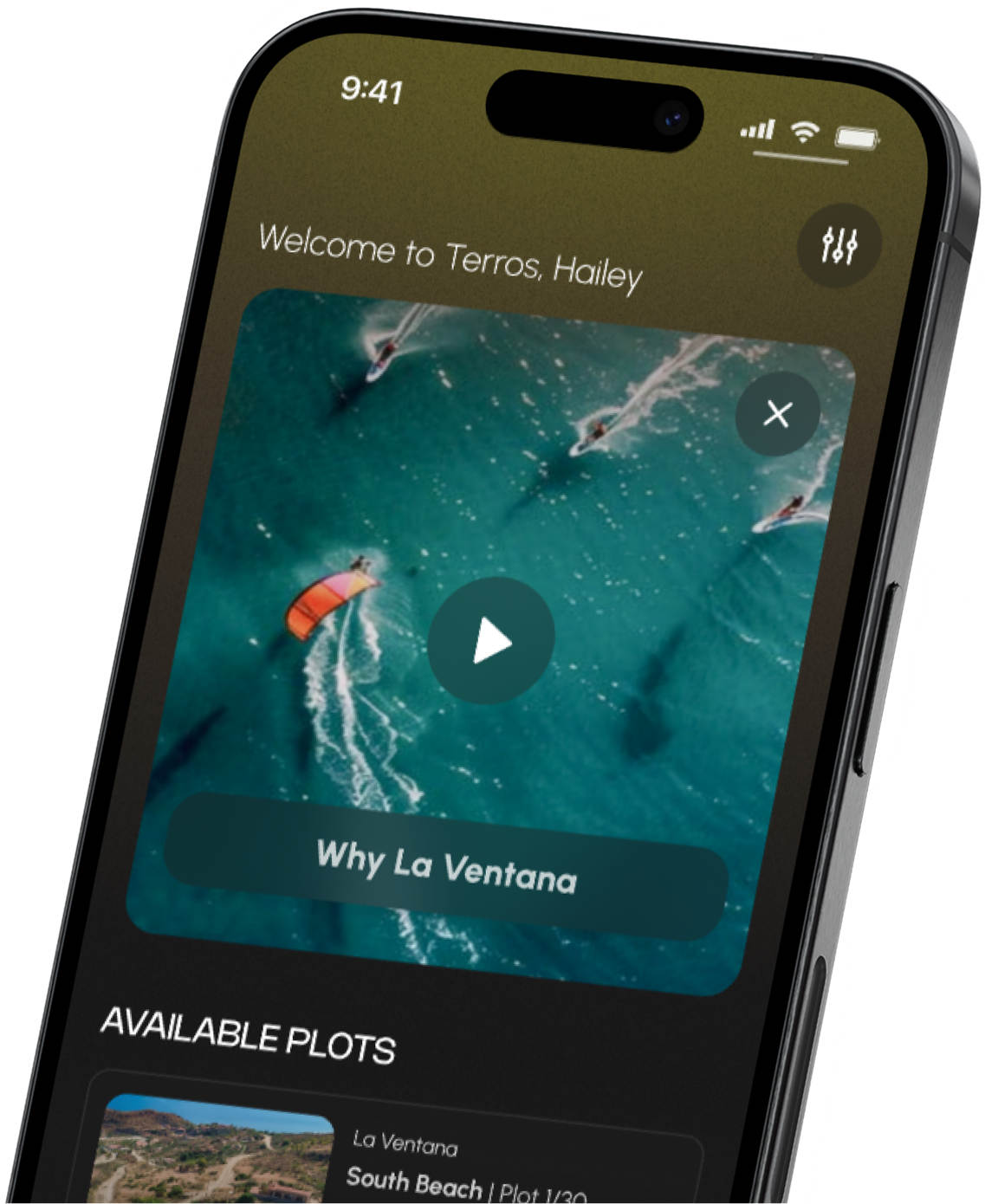
Terros, a real estate investing platform based in Mexico, partnered with Chop Dawg to develop a mobile application enabling users to invest in and acquire land parcels across Mexico. The platform needed to serve international investors seeking accessible entry into Mexican real estate markets while navigating cross-border transaction complexity, currency considerations, and investment compliance requirements.
Technical implementation utilized React Native for cross-platform development delivering simultaneous iOS and Android applications from a unified codebase. The platform architecture includes investor onboarding workflows with identity verification and accreditation status confirmation, property listing interfaces showcasing available land parcels with location data, investment opportunity details, and financial projections, secure payment processing handling multi-currency transactions (USD, MXN) with appropriate exchange rate management, transaction tracking dashboards providing portfolio visibility and investment performance metrics, and document management systems storing purchase agreements, title information, and legal documentation.
Development efficiency proved particularly notable—while initially estimated at 6-7 months, Chop Dawg delivered the complete platform in five months, enabling Terros to begin investor pitching ahead of schedule. The co-founder highlighted Chop Dawg’s exceptional listening capabilities, translating vision into “a beautiful, clean, and highly functional product” while maintaining responsive communication and resolving issues within 24-hour turnaround windows.
Cross-border complexity required addressing international real estate transaction requirements including Mexican property law compliance, foreign investment regulations, currency conversion transparency, secure international payment processing, bilingual interface support, and legal document generation adhering to Mexican real estate standards. The platform successfully bridges technology and regulatory requirements, providing investors confidence in cross-border land acquisition typically complicated by jurisdictional differences and documentation complexity.
This project demonstrates Chop Dawg’s capabilities in investment platform development, cross-border transaction systems, regulatory compliance frameworks, multi-currency payment processing, document management architectures, investor dashboard analytics, and international market considerations—essential competencies for founders building real estate platforms serving global markets or specialized investment opportunities.
Technical Architecture and Niche-Specific Implementation
Chop Dawg’s technical stack emphasizes React Native for cross-platform development, Swift/Kotlin for platform-specific features, and industry-standard backend technologies including Node.js, Python, and Ruby on Rails. This technological versatility allows deployment across iOS, Android, and web from unified codebases—reducing development timelines and long-term maintenance overhead while maintaining native performance characteristics.
For luxury vacation rental platforms, the firm implements high-resolution media galleries with 360° virtual tours, dynamic pricing engines analyzing demand patterns and local events, concierge service integration for personalized guest experiences, multi-currency support with real-time exchange rates, white-glove booking workflows allowing host approval, premium amenity catalogs showcasing unique property features, and integration with luxury service providers (private chefs, yacht rentals, experience curators).
Short-term rental management platforms prioritize channel manager integration syncing across Airbnb, Vrbo, Booking.com, automated pricing optimization using AI/ML models, guest communication automation with templated messages, cleaning schedule coordination with service provider dashboards, review management aggregating feedback across platforms, revenue analytics with projected income calculations, and tax reporting for short-term rental regulations.
Commercial property applications include tenant portal interfaces for lease management, maintenance request ticketing systems, common area booking for meeting rooms and amenities, lease expiration tracking with renewal reminders, rent payment processing with ACH integration, document repositories for leases and amendments, ESG reporting dashboards tracking energy consumption and carbon footprint, and occupancy analytics for portfolio optimization.
Sustainable and eco-friendly housing platforms emphasize energy efficiency ratings displayed prominently, green certification badges (LEED, Energy Star, Passive House), sustainability feature filters in property search, carbon footprint calculations for properties, connection to solar providers and green financing, educational content about sustainable living, and community features connecting environmentally-conscious residents.
International property investment platforms implement multi-language support with localization beyond simple translation, currency conversion with transparent exchange rate displays, legal requirement education specific to each country’s property laws, international payment processing supporting wire transfers, property tax calculator tools for foreign investors, immigration program integration (Golden Visa, investor visa pathways), and virtual property tours reducing need for international travel.
Security-First Development and Compliance Frameworks
The firm’s security approach implements enterprise-grade authentication methods, end-to-end encryption, and compliance frameworks from project inception rather than afterthoughts. For real estate platforms handling sensitive financial data and personal information, implementations include AES-256 encryption for data at rest and in transit, PCI DSS compliance for payment processing, GDPR compliance for European users with data portability and deletion capabilities, SOC 2 Type II compliance for enterprise clients, role-based access controls limiting data visibility by user type, comprehensive audit logging tracking all financial transactions, and secure document storage for contracts and identification verification.
OAuth 2.0 authentication with JWT tokens, multi-factor authentication for high-value accounts, SSL/TLS encryption for all API communications, and regular security audits with penetration testing ensure production-grade security meeting real estate industry standards. For platforms handling property transactions, additional measures include escrow integration with licensed escrow services, wire fraud prevention protocols including multi-step verification, and title insurance provider connectivity.
Pricing Transparency and Partnership Methodology
Chop Dawg includes 30-day bug warranties and 30-day maintenance periods following launches, addressing common concerns regarding post-deployment support. The firm’s process begins with complimentary consultations providing personalized roadmaps with clear scope, realistic timelines, and budget projections—ensuring founder buy-in before development commences.
Investment ranges: MVP with core listing and search functionality ($50,000-$100,000), full-featured real estate marketplace with property owner dashboards, booking/transaction systems, and payment processing ($100,000-$200,000), enterprise platform with sophisticated features including MLS integration, AI-powered recommendations, and compliance frameworks ($200,000-$350,000+). Fixed-rate monthly pricing eliminates hourly billing uncertainty, aligning incentives around quality delivery rather than time extension.
Development partnerships include strategic planning workshops assessing market positioning and competitive differentiation, user experience design with property-specific journey mapping, technical architecture planning ensuring scalability from launch through growth stages, agile development with bi-weekly sprint reviews, quality assurance testing across devices and use cases, and launch support including app store optimization and deployment coordination.
Post-launch services encompass ongoing feature development based on user feedback and market opportunities, performance optimization managing server costs as transaction volumes scale, security patches and compliance updates addressing evolving regulatory requirements, and marketing technology integration connecting to CRM systems, analytics platforms, and advertising networks.
2. THOUGHTBOT – PRODUCT STRATEGY AND DIGITAL EXPERIENCES
Thoughtbot brings design-forward thinking to real estate app development, with particular strength in consumer-facing property platforms requiring exceptional user experiences. The Boston-headquartered consultancy has developed property search applications, rental platforms, and real estate agent tools emphasizing visual design, interaction patterns, and conversion optimization.
The firm’s expertise spans modern web frameworks (React, Next.js), mobile development (Swift, Kotlin, React Native), and cloud infrastructure (AWS, Google Cloud), with strong emphasis on design systems enabling consistent experiences across touchpoints. Thoughtbot’s discovery workshops help founders validate assumptions before committing to full development, reducing risk for first-time property tech entrepreneurs. Their design sprints typically span 1-2 weeks and cost $25,000-$50,000, providing clickable prototypes and user testing insights.
Their real estate work includes luxury property platforms with high-resolution galleries and virtual tours, rental marketplace applications with streamlined booking flows, agent productivity tools, and property management systems. Typical engagements range $180,000-$400,000+ for comprehensive platform development, with ongoing support at $60,000-$100,000 monthly for growth-stage feature expansion.
3. REINVENTLY – PROPTECH SPECIALISTS WITH BLOCKCHAIN EXPERTISE
Reinvently positions itself specifically within property technology, claiming deep expertise in real estate-specific challenges including regulatory compliance, transaction complexity, and industry integrations. The Warsaw-based firm with US operations has delivered over 50 platforms for property listing aggregators, rental management systems, real estate investment platforms, and fractional ownership marketplaces across residential, commercial, and vacation rental sectors.
Their technical capabilities include MLS integration expertise connecting to Multiple Listing Services through RETS and Web API protocols, blockchain implementation for property transactions and fractional ownership (including smart contracts that have tokenized $12M+ in luxury vacation properties), and AI/ML integration for property valuation and recommendation engines. One residential platform using their neural networks achieves valuation accuracy within 5% for 72% of properties.
Real estate project investments typically range $100,000-$150,000 for MVP platforms to $250,000-$400,000 for blockchain-enabled solutions depending on platform complexity, integration requirements, and smart contract sophistication. Development timelines span 4-8 months for full marketplace platforms. Post-launch support packages range $8,000-$20,000 monthly.
4. DOM & TOM – ENTERPRISE REAL ESTATE SOLUTIONS
Dom & Tom serves established real estate enterprises requiring sophisticated digital transformation initiatives. The New York and Chicago-based firm has developed platforms for Fortune 500 property companies, real estate investment trusts (REITs), and commercial property portfolios managing billions in assets.
Their enterprise focus delivers capabilities including legacy system integration connecting to property management software (one 18-month migration preserved 100% of 15-year-old data while modernizing workflows), data migration from aging systems to modern cloud platforms, microservices architecture for horizontal scalability, and white-label solutions for real estate brands. Security implementations include SOC 2 Type II compliance, GDPR compliance, role-based access control, and SSO integration with enterprise identity providers.
Commercial real estate platforms, portfolio management dashboards providing real-time visibility across hundreds of properties, agent productivity suites, and institutional investor tools represent their core competencies. Enterprise engagements typically start at $400,000-$800,000 for initial platform development with ongoing support contracts at $50,000-$150,000 monthly for platform evolution and feature enhancement.
5. SOFTEQ – END-TO-END PROPTECH WITH IOT EXPERTISE
Softeq brings full-stack capabilities to real estate app development, from IoT integration for smart buildings to AI-powered property recommendations. The Houston-based firm has developed platforms spanning vacation rental marketplaces, commercial property management, and smart building control systems with embedded systems expertise connecting physical infrastructure to digital platforms.
Their differentiator includes IoT expertise connecting smart home devices (locks, thermostats, cameras), building management systems, and environmental sensors to property platforms. For one luxury vacation rental platform managing 300 properties, their IoT integration reduced unauthorized access to zero, decreased utility costs 28%, and increased owner satisfaction from 3.2 to 4.6 out of 5. Commercial implementations include tenant experience apps, facility management dashboards, space utilization analytics, and ESG sustainability reporting.
Real estate engagements range $180,000-$350,000 for IoT-enabled property platforms to $400,000-$800,000+ for custom smart building hardware and software solutions depending on IoT integration complexity and smart building requirements. The firm serves both startups launching innovative property concepts and established companies modernizing legacy systems. Ongoing IoT support runs $10,000-$30,000 monthly.
Frequently Asked Questions
How long does real estate app development typically take?
Real estate application timelines vary based on complexity, niche requirements, and integration scope. Simple property listing MVPs with basic search functionality, map integration, and contact forms complete in 3-4 months.
Comprehensive marketplace platforms with property owner dashboards, booking systems, payment processing, and admin panels typically require 5-7 months. Enterprise implementations with MLS integration, AI-powered features, blockchain components, and extensive third-party connections often span 7-10 months.
The development process typically begins with discovery workshops assessing market positioning, competitive differentiation, and technical requirements before code development commences.
Adopting agile methodologies with two-week sprint cycles allows iterative refinement, though real estate projects require comprehensive upfront planning ensuring proper marketplace architecture, payment orchestration, and property data management.
Phased delivery approaches—launching MVPs in concentrated geographic markets followed by feature expansion and geographic scaling—often provide faster time-to-value while accommodating property acquisition timelines and market validation insights discovered during initial operations.
How do real estate app development costs compare across different niches?
Development costs vary significantly based on niche-specific requirements and technical complexity. Basic property listing MVPs with search, filters, and property details range $50,000-$75,000 covering iOS/Android apps with essential features.
Luxury vacation rental platforms requiring dynamic pricing, concierge integrations, and white-glove booking workflows typically cost $100,000-$200,000.
Commercial property management applications with tenant portals, maintenance systems, and lease management span $120,000-$250,000. Short-term rental management platforms with channel manager integration, automated pricing, and cleaning coordination range $100,000-$200,000. International property investment platforms with multi-currency support, legal requirement databases, and cross-border payment processing cost $150,000-$300,000.
Cost factors include integration complexity (connecting with MLS systems, property management software, or booking platforms adds 25-40% to budgets), payment sophistication (escrow handling, split payments, multi-currency processing increases costs), compliance requirements (GDPR, financial regulations, real estate licensing rules), and AI/ML features (property valuation algorithms, recommendation engines, image recognition).
Organizations should evaluate total cost of ownership including ongoing maintenance (15-20% of initial development annually), server infrastructure ($500-$5,000+ monthly depending on property listings and traffic), payment processing fees (2.9% + $0.30 per transaction typical), and customer acquisition costs rather than exclusively focusing on initial development investments.
Should founders build native apps or cross-platform solutions?
This decision depends on specific requirements rather than universal rules. Cross-platform development with React Native provides 80% code sharing between iOS and Android, reducing development costs 30-40% while maintaining 3-4 month faster time-to-market compared to separate native builds.
Modern frameworks achieve near-native performance suitable for 90% of real estate app features including property search, map integration, photo galleries, booking systems, and push notifications. Zillow, Redfin, and numerous successful property platforms use cross-platform approaches validating production readiness.
Native development with Swift (iOS) and Kotlin (Android) provides maximum performance optimization for computationally intensive features like 3D property visualization or AR room measurement, full access to latest platform-specific capabilities before cross-platform framework support, and optimal user experiences perfectly aligning with platform conventions. However, native approaches require maintaining separate codebases, duplicate feature development across platforms, and coordinated release cycles—sustainable only for well-funded operations with dedicated iOS and Android teams.
Recommended approach: Build core functionality with React Native for cost efficiency and rapid iteration, then implement performance-critical features (AR visualization, offline property syncing, complex map interactions) in native code as needed. This hybrid strategy provides optimal balance between development velocity and user experience quality.
What differentiates successful niche real estate apps from horizontal platforms?
Niche real estate apps succeed through vertical specialization addressing specific customer segments better than horizontal platforms like Zillow or Realtor.com. Luxury vacation rental platforms prioritize concierge integration, white-glove booking workflows, dynamic pricing algorithms, property verification ensuring quality standards, and personalized guest experiences—features irrelevant to general property search but essential for high-net-worth travelers.
Commercial property platforms emphasize tenant management, lease tracking, maintenance coordination, ESG reporting, and portfolio analytics. Sustainable housing marketplaces focus on energy efficiency ratings, green certifications, eco-friendly feature filters, and environmental impact calculations—creating communities of environmentally-conscious buyers.
Competitive advantages include premium pricing justified by specialized service (luxury rentals command 20-30% higher booking fees), higher customer loyalty through purpose-built features reducing switching to generic alternatives, partnership opportunities with industry players (property managers, vacation rental agencies, green building organizations) providing customer acquisition channels, and regulatory understanding creating moats preventing horizontal platform entry without significant compliance investment.
Business model differentiation encompasses subscription pricing for property managers accessing platform tools, transaction fees on specialized bookings, and value-added services (professional photography, dynamic pricing, concierge coordination) commanding premium rates.
How important is MLS integration for real estate platforms?
MLS (Multiple Listing Service) integration importance depends on platform type and target users. For agent-facing platforms and traditional residential property search applications, MLS integration proves essential—providing comprehensive listing data, automatic updates when properties sell or get price reductions, and credibility with real estate professionals.
MLS integration enables platforms to launch with substantial inventory rather than bootstrapping property-by-property, accelerating time-to-market and user value.
However, niche platforms often avoid MLS integration strategically. Luxury vacation rentals don’t need MLS data as properties aren’t traditionally listed there. Commercial property platforms often use proprietary databases or CoStar integration instead.
Short-term rental marketplaces rely on property owners directly listing inventory. International property investment platforms aggregate data from multiple countries where MLS systems don’t exist. Co-living and shared housing platforms create entirely new inventory categories not represented in traditional MLS systems.
Technical considerations: MLS integration requires licensing agreements with local MLS organizations (varying by region), ongoing compliance with data display rules and restrictions, handling of multiple MLS format variations, and data freshness maintenance.
Costs include MLS data license fees ($500-$5,000+ monthly depending on coverage area), initial integration development ($25,000-$75,000 for multi-MLS support), and ongoing maintenance updating for MLS schema changes.
Decision framework: If targeting traditional residential real estate with agents/brokers, prioritize MLS integration. If building niche platforms with proprietary inventory or alternative property types, invest resources in direct property owner acquisition instead.
What security and compliance requirements affect real estate apps?
Real estate platforms handle sensitive financial data, personal information, and legal documents—requiring comprehensive security and compliance frameworks. Payment security demands PCI DSS compliance when handling credit card transactions, secure tokenization preventing storage of full card numbers, fraud detection preventing unauthorized transactions, and encrypted payment transmission.
Data privacy includes GDPR compliance for European users (data portability, right to deletion, consent management), CCPA compliance for California residents, and general data protection policies outlining information collection and usage.
Real estate-specific regulations encompass fair housing laws preventing discriminatory practices in property marketing, licensing requirements for platforms facilitating transactions (some states require real estate licensing), and anti-money laundering (AML) compliance for high-value property transactions. Document security requires encrypted storage for leases, contracts, and identity verification, secure sharing preventing unauthorized access, digital signature validity ensuring legally binding agreements, and retention policies meeting legal requirements.
Identity verification implements KYC (Know Your Customer) processes for platform users, property ownership verification preventing fraud, background checks for tenant screening (requiring FCRA compliance), and fraud detection identifying suspicious patterns. Security incidents in real estate platforms cause severe reputational damage and potential legal liability—making security investment essential rather than optional.
How can founders validate real estate app ideas before full development?
Idea validation reduces risk by testing assumptions before significant capital investment. Landing page testing creates simple websites describing the platform value proposition, targeting ads to potential users and measuring conversion rates, collecting email signups indicating genuine interest, and conducting user interviews with signup list members. Investment: $2,000-$5,000 for landing page, ads, and initial testing (1-2 months).
Concierge MVP manually delivers the service your platform would automate—managing vacation rental bookings through email and spreadsheets, coordinating property showings via personal outreach, or facilitating commercial property connections through manual matchmaking. This validates whether users actually want the service separate from whether they’ll use an app. Investment: Time primarily, with minimal technology costs (0-3 months).
Prototype testing builds clickable designs simulating app functionality without backend development, conducts usability testing with target users observing navigation and interaction patterns, and validates whether proposed features solve real problems before development. Investment: $10,000-$25,000 for design and testing (1-2 months).
Pilot market launch develops simplified MVP with core features only, launches in single geographic area or property type, and measures user acquisition costs, engagement patterns, and retention before broader rollout. Investment: $50,000-$100,000 for MVP development (3-4 months).
Validation metrics include user signup conversion rates (1-3% indicates viable interest), engagement frequency (weekly active usage suggests sticky value proposition), payment willingness (percentage willing to pay validates revenue model), and organic growth rate (word-of-mouth indicates product-market fit). Founders should define success criteria before testing and honestly assess results against benchmarks rather than justifying weak signals.
What metrics indicate successful real estate app implementations?
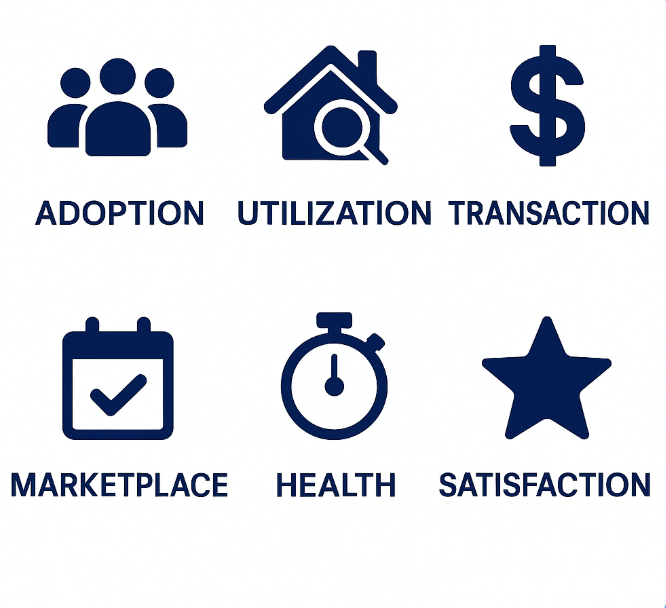
Success metrics vary by niche but typically include adoption rates (monthly active property owners and renters/buyers), utilization metrics (listings per owner, searches per user, booking frequency), transaction metrics (gross merchandise value, average transaction size, transaction volume growth), marketplace health (time to first booking, search-to-contact conversion, contact-to-booking conversion), and satisfaction scores (owner ratings, renter ratings, net promoter scores).
Financial metrics encompass customer acquisition cost, lifetime value, LTV:CAC ratios, revenue per user, and contribution margin per transaction.
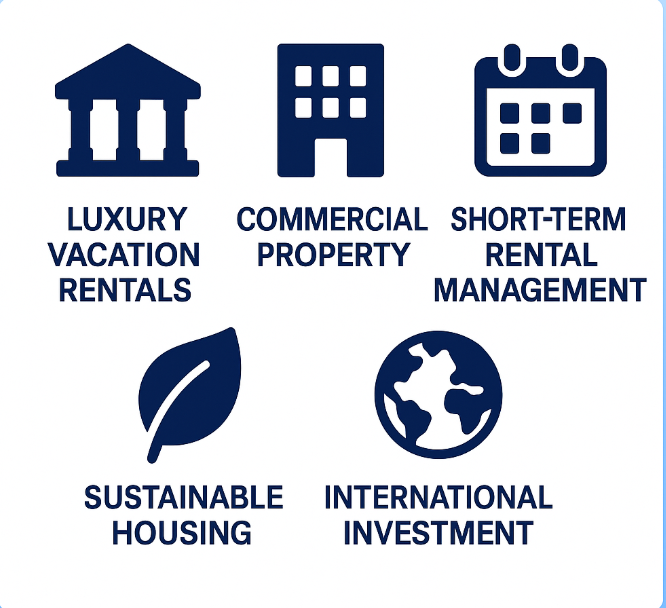
Niche-specific metrics reflect specialized value propositions: luxury vacation rentals track average daily rate premium versus market comps and repeat guest percentage, commercial property platforms measure lease renewal rates and tenant retention, short-term rental management apps monitor occupancy rates and revenue per available rental (RevPAR), sustainable housing marketplaces track energy efficiency improvement adoption, and international investment platforms measure cross-border transaction completion rates.
These operational KPIs—beyond generic usage metrics—validate whether platforms deliver differentiated value justifying premium positioning.
Marketplace dynamics require balanced growth: property owner acquisition must match renter demand preventing inventory shortages or excess supply, pricing optimization balances owner earnings with renter affordability, and quality metrics ensure high-rated properties dominate search results maintaining platform reputation. Monitoring cohort retention (percentage of initial users still active after 3, 6, 12 months) indicates sustainable growth versus transient user churn.





 18 Min