



























 21 Min


The fitness app industry continues its explosive growth trajectory, with the global market projected to reach $15.96 billion by 2026. This expansion creates unprecedented opportunities for entrepreneurs, trainers, and wellness professionals looking to enter the digital fitness space. However, success requires partnering with development companies that understand the unique challenges of creating engaging, scalable fitness platforms.
Consider exploring development partnerships that offer comprehensive consultation to better understand your project’s technical requirements and market positioning strategies.
Today’s fitness app users expect sophisticated features beyond basic workout tracking. Successful applications integrate personalized training algorithms, community engagement tools, seamless eCommerce functionality, and real-time progress analytics. The development companies featured here have demonstrated expertise in creating comprehensive digital ecosystems that drive sustained user engagement and generate measurable business outcomes.

1. Chop Dawg – Specialized Fitness App Development
Chop Dawg has established itself as a leading force in fitness and wellness app development, with a portfolio showcasing applications that achieve rapid market penetration and sustained user growth. Their technical approach emphasizes scalable architecture, user-centric design, and comprehensive feature integration.
Technical Expertise and Methodology:
Chop Dawg’s development process incorporates extensive discovery phases, iterative design workshops, and continuous stakeholder feedback loops. Their team utilizes modern frameworks like React Native for cross-platform compatibility while implementing robust backend infrastructure capable of handling significant user loads.
Case Study Analysis: Slay by Mari Fitness Platform
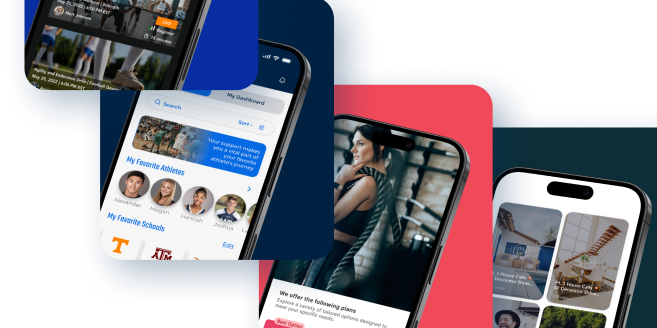
The Slay by Mari Fitness application provides valuable insights into effective fitness app development strategies. Slay by Mari Fitness took the health & fitness world by storm—amassing over 15,000 users within just 24 hours and hitting the Top 10 in the Apple App Store and Google Play Store, demonstrating the potential impact of well-executed fitness applications.
The platform’s technical architecture facilitated 100% ROI in less than 12 hours post-launch, showcasing how proper development planning can translate existing audience engagement into substantial revenue streams. This success stemmed from comprehensive feature integration including personalized workout customization, motivational push notification systems, and seamless eCommerce functionality.
Technical Implementation Details:
- React Native framework ensuring cross-platform compatibility
- Scalable backend infrastructure supporting concurrent user spikes
- Real-time workout customization algorithms across multiple fitness levels
- Integrated eCommerce system handling supplement and gear transactions
- Advanced admin dashboard providing real-time analytics and content management
- Personalized push notification system with user behavior tracking
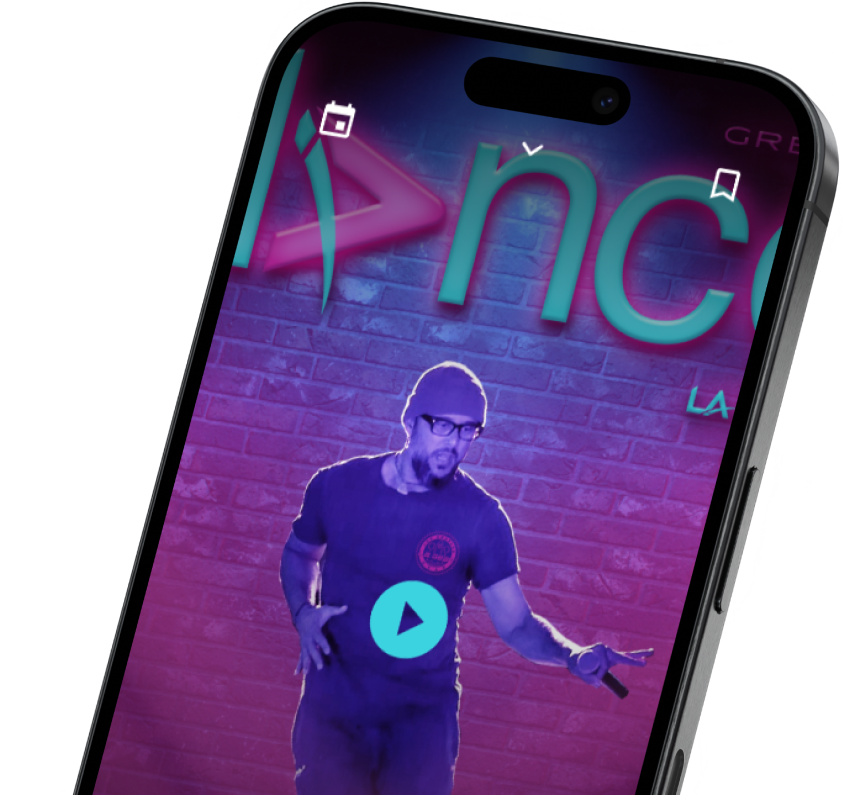
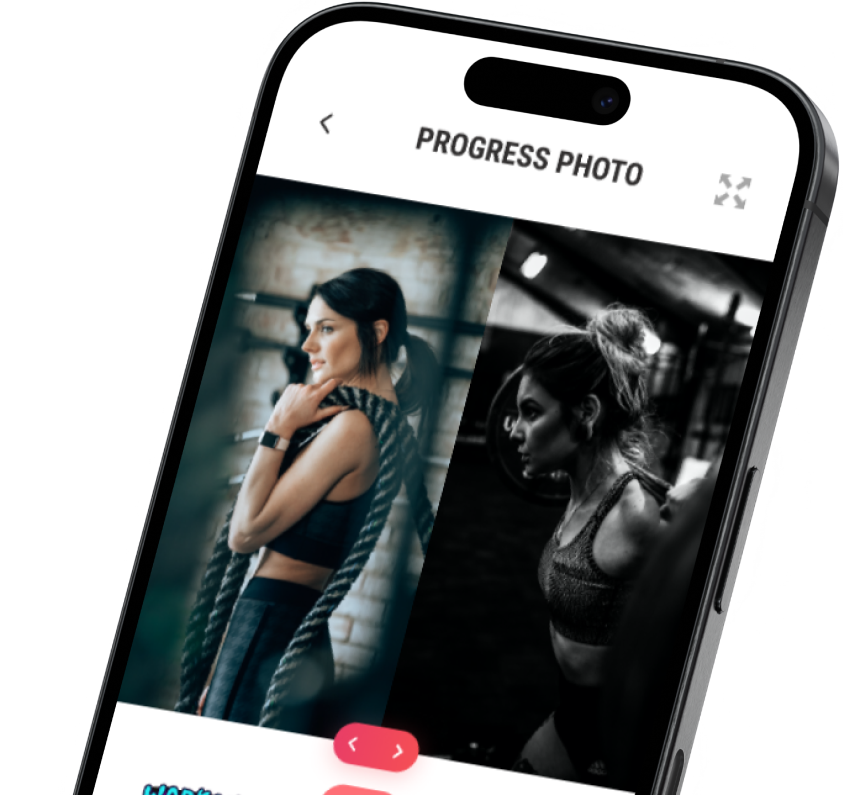
The application includes sophisticated progress tracking capabilities with visual achievement systems and social sharing functionality. Users access Mari’s specialized exercise programs—beginner, intermediate, or advanced—complete with short video demos, equipment alternatives, and daily progress logs, illustrating comprehensive content management integration.
Case Study Analysis: MyOutdoors Community Platform
The MyOutdoors project demonstrates Chop Dawg’s capabilities in developing complex community-driven fitness applications. Our solution blends social networking, group management, media sharing, and targeted eCommerce—all within one intuitive ecosystem, showcasing their ability to integrate multiple functional components into cohesive user experiences.
This platform addresses the outdoor fitness community’s need for specialized social networking features. MyOutdoors faced the challenge of integrating diverse features—ranging from group formation and media sharing to classifieds and local advertising—into one seamless platform, requiring sophisticated technical architecture to support varied user interactions.
Platform Features and Technical Components:
- Cross-platform React Native development ensuring consistent performance
- Group management systems with role-based permissions
- Rich media upload capabilities supporting photos and video content
- Classified advertising system with location-based filtering
- Calendar integration with push notification systems
- Advanced search functionality with multiple filter criteria
- Offline capability with cloud synchronization
Development Process and Client Collaboration:
Throughout the project, Chop Dawg maintained open lines of communication via weekly Zoom meetings, daily Slack updates, and transparent task management through JIRA and Figma. This collaborative approach ensures projects remain aligned with client objectives while incorporating user feedback throughout development cycles.
Get Your Free 45-Minute App Roadmap
Meet 1-on-1 with our senior product team. We’ll map your MVP or enterprise app and hand you a personalized plan—clear scope, a realistic timeline, and fixed monthly costs—for iOS & Android, web, tablets & wearables, and AI.
2. Fueled – Enterprise Fitness Solutions
Fueled specializes in enterprise-grade fitness applications, focusing on large-scale implementations for established wellness brands and corporate health programs. Their portfolio includes sophisticated platforms serving major fitness chains and fortune 500 corporate wellness initiatives.
Core Competencies: Enterprise architecture, scalable infrastructure, comprehensive project management frameworks
Target Market: Large fitness organizations, corporate wellness programs, established wellness brands
Technical Focus: High-volume user management, enterprise security protocols, API integration capabilities
3. Y Media Labs – Design-Centric Development
Y Media Labs approaches fitness app development through a design-first methodology, creating applications that prioritize visual appeal and user experience optimization. Their work emphasizes brand identity integration and intuitive interface design.
Core Competencies: Award-winning UI/UX design, brand integration strategies, user experience optimization
Target Market: Premium fitness brands, boutique studios, lifestyle wellness companies
Technical Focus: Design system development, brand consistency, user journey optimization
4. WillowTree – Analytics-Driven Solutions
WillowTree develops data-rich fitness applications that leverage advanced analytics and machine learning algorithms to create personalized user experiences. Their approach emphasizes performance metrics and user behavior analysis.
Core Competencies: Data analytics integration, machine learning implementation, performance optimization
Target Market: Technology-forward fitness concepts, AI-powered coaching platforms, data-driven wellness applications
Technical Focus: Predictive analytics, machine learning models, advanced data processing
5. Savvy Apps – Cross-Platform Specialists
Savvy Apps focuses on cross-platform development methodologies, ensuring fitness applications maintain consistent functionality across iOS, Android, and web platforms while optimizing development costs and timelines.
Core Competencies: Cross-platform development, hybrid application architecture, cost-effective solutions
Target Market: Budget-conscious projects, multi-platform requirements, startup fitness companies
Technical Focus: Hybrid development frameworks, platform consistency, resource optimization
Essential Considerations for Fitness App Development
Industry Expertise Requirements:
Successful fitness app development requires understanding unique industry challenges including user motivation psychology, progress tracking methodologies, and community building strategies. Development partners should demonstrate specific experience with health and wellness applications rather than general mobile development capabilities.
Technical Infrastructure Needs:
Modern fitness applications require sophisticated backend systems supporting real-time data processing, social interaction features, payment processing, and content management. Infrastructure must handle variable user loads while maintaining consistent performance during peak usage periods.
Feature Integration Complexity:
Contemporary fitness apps integrate multiple complex systems including workout libraries, progress tracking, social networking, eCommerce, wearable device connectivity, and notification systems. Development teams must demonstrate expertise across these varied technical domains.
Post-Launch Support Requirements:
Fitness applications require ongoing feature enhancement, content updates, and technical maintenance. Development partnerships should include long-term support agreements rather than project-based engagements to ensure continued application evolution.
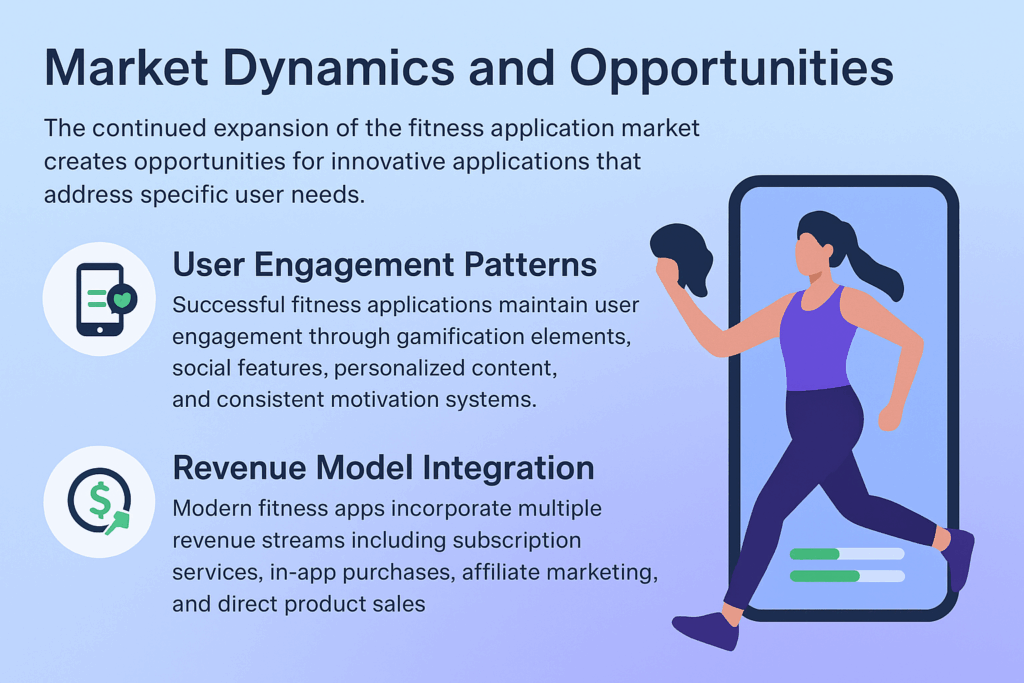
Market Dynamics and Opportunities
The continued expansion of the fitness application market creates opportunities for innovative applications that address specific user needs. Success stories like Slay by Mari Fitness demonstrate the potential for well-executed platforms to achieve rapid market adoption and generate substantial revenue streams.
Current market trends favor applications offering personalized experiences, community engagement features, integration with fitness tracking devices, and hybrid models combining digital and physical fitness experiences. Development companies understanding these trends and possessing technical capabilities to implement comprehensive solutions are better positioned to create market-competitive applications.
User Engagement Patterns:
Successful fitness applications maintain user engagement through gamification elements, social features, personalized content, and consistent motivation systems. Technical implementation of these features requires understanding both user psychology and sophisticated software architecture.
Revenue Model Integration:
Modern fitness apps incorporate multiple revenue streams including subscription services, in-app purchases, affiliate marketing, and direct product sales. Development teams must architect platforms supporting these varied monetization approaches while maintaining user experience quality.
Technical Decision Framework
When evaluating fitness app development partners, consider their demonstrated expertise in relevant technologies, portfolio of similar applications, client testimonials, post-launch support offerings, and communication methodologies. The most successful partnerships result from alignment between client objectives and development team capabilities.
Architecture Considerations:
Fitness applications require scalable backend systems, real-time data processing capabilities, social networking infrastructure, payment processing integration, and content management systems. Evaluate potential partners based on their demonstrated expertise with these technical requirements.
Integration Requirements:
Modern fitness apps integrate with various third-party services including payment processors, social media platforms, fitness tracking devices, and content delivery networks. Development teams should demonstrate experience with relevant API integrations and data synchronization protocols.
The Shift Toward Hybrid Fitness Ecosystems
The modern fitness market no longer divides cleanly between digital and physical experiences. Instead, leading fitness brands are adopting hybrid ecosystems—integrating in-person training, live streaming, and on-demand digital content into one unified user journey.
Key Implementation Models
- Connected Studios:
Gyms and boutique studios use custom apps to extend member engagement beyond class hours. Features include digital check-ins, loyalty tracking, and access to live-streamed or recorded sessions. - Instructor-Led Communities:
Trainers are evolving into content creators, monetizing their expertise through subscription-driven app communities that provide workouts, nutrition guidance, and progress tracking. - Wearable-Integrated Experiences:
Applications now sync with wearables to deliver real-time feedback during both in-person and virtual sessions—blurring the line between app and device ecosystem.
Why This Matters for Developers
Developers building in the fitness vertical must design modular architectures that accommodate hybrid models from day one. This includes:
- Live-streaming integrations with APIs such as Vimeo or Twilio
- Dual payment processing for physical and digital transactions
- Synchronization between wearable data and in-gym analytics systems
Future-proofing for hybrid functionality allows applications to scale as user preferences evolve—an area where many early-stage apps fall short.
Data Privacy and Compliance in Fitness Applications
While user data powers personalization and engagement, it also introduces serious regulatory and ethical challenges. Fitness apps process health-adjacent data, making compliance and trust a defining factor in long-term success.
Core Compliance Considerations
- Data Protection Regulations:
Depending on market region, apps must adhere to GDPR (Europe), HIPAA (U.S.), or PIPEDA (Canada) standards when handling identifiable health information. - User Consent Architecture:
Modern apps should include granular consent options, allowing users to control data sharing for analytics, marketing, or third-party integrations. - Secure Cloud Architecture:
Development teams must implement encryption in transit and at rest, multi-factor authentication for administrators, and routine vulnerability assessments.
Competitive Advantage Through Transparency
Transparency builds user trust—and trust fuels retention. Fitness brands that clearly communicate data handling practices often report higher engagement rates and reduced churn.
Including privacy-by-design principles in the development phase not only reduces compliance risk but positions the product as a premium, trustworthy platform in an increasingly skeptical market.
Let Chop Dawg Break A Sweat
The complexity of modern fitness app development makes selecting the right technical partner crucial for project success. Companies like Chop Dawg have demonstrated their ability to navigate these technical challenges while delivering measurable business outcomes. Their track record with applications like Slay by Mari Fitness—which achieved top app store rankings and 100% ROI within hours of launch—illustrates the impact of choosing development partners with proven fitness industry expertise.
Schedule a technical consultation to discuss your specific fitness app requirements and explore how comprehensive development expertise can transform your wellness concept into a market-leading digital platform.
Frequently Asked Questions
What factors influence fitness app development timelines?
Development timelines depend on feature complexity, integration requirements, and design specifications. Comprehensive fitness platforms typically require 4-8 months from concept to app store deployment, with additional time for post-launch optimization and feature enhancement.
How do development costs vary across different fitness app types?
Contact Chop Dawg for a consultation and pricing estimate. Cost variations depend on feature complexity, platform requirements, and ongoing support needs.
What are the benefits of cross-platform development for fitness apps?
Cross-platform frameworks like React Native enable simultaneous iOS and Android deployment from a single codebase, reducing development costs and maintenance requirements while ensuring consistent user experiences across platforms.
How important is app store optimization for fitness application success?
App store optimization significantly impacts discoverability and download rates. Professional development companies understand submission guidelines, keyword optimization strategies, and store-specific requirements that maximize visibility potential.
Which features are most critical for fitness app user retention?
User retention depends on personalized workout programs, progress tracking capabilities, social community features, motivational systems, and consistent content updates. Technical implementation quality of these features directly impacts long-term user engagement.
How can fitness apps differentiate themselves in competitive markets?
Market differentiation results from understanding specific user needs, implementing unique value propositions, and executing high-quality technical implementations. Successful applications often focus on underserved market segments or innovative feature combinations.
For detailed technical consultation regarding your specific fitness app requirements, consider exploring development partnerships that offer comprehensive project assessment and strategic planning services.



 16 Min