















 30 Min

Bringing a mobile app idea to life is an exciting journey – but one of the first questions every client asks is, “How long will it take to build my app?”
The truth is, development timelines can vary widely based on the app’s complexity and scope.
Industry data shows that a simple app (with just a few basic features) might take around 2–4 months to develop, whereas a moderately complex app often needs 4–6 months.
Truly complex, feature-rich apps can stretch to 9 months or more. In fact, a typical end-to-end mobile app project usually spans roughly 5 to 10 months (20–40 weeks) from initial planning through launch.
This post breaks down each stage of the mobile app development process – from early research to App Store deployment – and gives realistic estimates for how long each phase takes. By understanding these stages and timelines, you can set proper expectations and appreciate why thorough planning is so important to a project’s success.
(Spoiler: careful upfront planning can save enormous time and headaches later on – one study found that nearly 70% of projects fail to meet their goals, often due to poor planning or unclear objectives.)
Every app and project is unique, but they all follow a similar life cycle. Below, we walk through the five key stages of app development, roughly how long each stage takes, and what happens in each.
Keep in mind that smaller MVPs (minimum viable products) might move faster (Chop Dawg has delivered lean MVPs in as little as 3–4 months), while larger-scale builds can take longer (we’ve managed 7–10 month engagements for more complex platforms). Thanks to modern efficiencies – like AI-assisted coding and a wealth of third-party APIs – development timelines have improved in recent years, but proper process is still critical to hit your target dates without compromising quality.
Let’s dive in:
1) Research & Planning (Concept Stage) – ~2–4 weeks
What it is:
This initial phase is all about defining the vision and scope of your app. It includes idea brainstorming, market research, requirements gathering, and project planning. Essentially, you’re mapping out what you’re going to build and why. Skipping or rushing through planning is a common mistake – and it can be costly. Studies have shown that lack of clear goals and poor alignment in this stage are top reasons nearly half of projects ultimately fail. Taking a few weeks here to solidify your concept can make the difference between a smooth project and one that derails later.
What happens in this phase:
You (the client/founder) and the development team work together to answer fundamental questions about the app. This often involves identifying target users and their needs, analyzing competitor apps, and deciding on key features for the first version. It’s also the time to set high-level requirements and success criteria.
For example, you’ll determine whether the app is for iOS, Android, or both; whether it will require any special integrations (like with a backend server or third-party services); and what the budget and timeline constraints are.
At Chop Dawg, we place heavy emphasis on this upfront planning. We create a detailed project roadmap or “game plan” that outlines the app’s features, the tech stack, and the development milestones. By the end of this stage, everyone involved should have a clear blueprint of the project: what will be built, roughly how it will look, and how long each part should take.
Estimated timeframe:
Planning typically takes on the order of a few weeks – often about 2–3 weeks for simpler projects, or up to 4 weeks for more complex ones.
During this time, expect frequent discussions or workshops.
Investing this time is vital.
It’s far easier (and faster) to adjust a concept or feature set on paper now than to rewrite code later.
As one Forbes Technology Council report noted, fixing a flaw during the planning stage might cost a few hundred dollars, whereas fixing that same issue after launch could cost tens of thousands – not to mention delays.
In short, careful planning saves time (and money) in the long run.
2) UI/UX Design – ~4–9 weeks
What it is:
Once the idea and requirements are defined, it’s time to design how the app will look and feel.
The UI/UX design stage involves creating wireframes, mockups, and interactive prototypes that visualize the app’s user interface and user experience flow.
This stage translates the raw ideas from planning into a concrete blueprint for developers to follow.
Good design is about more than aesthetics – it ensures the app is intuitive and easy to use, which can save time in development (by clarifying functionality up front) and even more time later (by preventing user confusion or the need for extensive rework).
What happens in this phase:
Designers will start with wireframes – simple black-and-white layouts that map out each screen and the elements on it (buttons, menus, images, etc.), without worrying about colors or graphics just yet. This allows quick iteration on the app’s structure and navigation.
Next, the team moves to high-fidelity mockups, adding branding, style, and polish to those wireframes. You’ll see the app’s true visual identity come to life – colors, typography, icons, and actual content.
Throughout this stage, regular feedback loops are crucial.
We typically review designs with clients weekly (or even more frequently) to gather input and make adjustments early. Each iteration refines the interface and user experience: ensuring the menus are in the right place, the flow from one screen to the next makes sense, and nothing critical is missing.
By the end of the design phase, every screen and interaction is documented. The deliverables usually include a full set of mockup images and a style guide (defining colors, fonts, and design components), plus UX notes describing how things should behave. This becomes the master reference for the developers in the next stage.
Estimated timeframe:
Design usually takes 4–9 weeks. A simple app (few screens) might be fully designed in about 4–5 weeks, whereas a more involved app could take 6–9 weeks of design work.
In one recent project, for instance, our team spent about three months on design for a complex app, meeting weekly with the client to iterate on wireframes and high-fidelity screens – but that was for an app with dozens of screens and a very high bar for visuals. For most moderate projects, around five to six weeks is common.
Spending time on design can actually save development time. Developers get a crystal-clear blueprint to follow, which reduces guesswork or back-and-forth once coding starts. It’s much faster to tweak a design than to rewrite code – so a solid design phase prevents “revision chaos” during development.
Moreover, user-centric design reduces the likelihood of usability issues that would need fixing later. Thus, while it’s tempting to rush into coding, resist the urge to skip design. Those weeks of design work set the foundation for everything that follows.
3) Development & Coding – ~2–6 months (or more)
What it is:
Now we get to the most time-intensive part of the project: writing the code and building the app’s functionality. The development stage is where developers implement the features, interactions, and backend services that make the app actually work.
This phase typically spans several months, and its length can vary greatly based on the app’s complexity, the number of platforms (iOS, Android, web) being developed, and how many developers are on the team.
For a medium-complexity mobile app, development often takes around 2–6 months of active coding.
Larger or more complex projects (with extensive features or advanced technology) can take longer – sometimes 9+ months of development work in extreme cases.
On the other hand, a very small, simple app might be built in as little as 1–2 months of dev time, though that’s more the exception than the norm.
What happens in this phase:
The programming team will usually break the work into sub-phases or sprints (using Agile methodologies) to deliver chunks of functionality iteratively. Early on, the focus is on setting up the project architecture: configuring the development environment, choosing frameworks or libraries, and building any necessary backend (server, database, APIs) if the app requires one.
Simultaneously, other team members start coding the frontend – the actual mobile app code that runs on users’ devices – following the UI designs pixel by pixel.
During development, the features are implemented according to the specifications from planning and the visuals from design. This includes frontend development (coding the screens, buttons, and logic in the mobile app itself) and backend development (if needed, coding the server-side logic, databases, and integrations). If the app needs to integrate with third-party services (say, maps for location, Stripe for payments, or social media logins), those integrations are done here as well.
Modern app development is faster than it was a few years ago, thanks to an abundance of tools and pre-built solutions.
Developers don’t write everything from scratch – they leverage frameworks, open-source libraries, and APIs to accelerate the process.
Today the average mobile app relies on more than 30 third-party APIs (for things like maps, push notifications, analytics, etc.).
By integrating reliable services, we save time versus reinventing the wheel. For example, rather than building a custom chat system from scratch, a team might integrate an SDK like SendBird or Firebase that provides chat functionality out-of-the-box, shaving weeks off the timeline.
Another efficiency boost in 2025 is the use of AI-assisted coding tools.
At Chop Dawg we’ve been early adopters of technologies like GitHub Copilot, Cursor, and GPT-5 for generating code snippets or catching bugs. These tools don’t replace human developers, but they augment them – helping write boilerplate code or suggest solutions faster.
A controlled study by GitHub found that developers using AI assistance completed a coding task 55% faster than those without it.
On top of that, code reusability is better than ever – frameworks like React Native or Flutter allow cross-platform development (writing one codebase that deploys to both iOS and Android), which can significantly cut development time if used appropriately for the project.
Estimated timeframe:
For a typical mobile app (moderate complexity, one mobile platform to start), coding and development will often take around 3 to 4 months of focused work. This could extend to 5–6 months for a more feature-rich or dual-platform app (iOS and Android developed in parallel). If you’re building something very complex – say a large social network app, a fintech app with heavy security, or an IoT application with custom hardware integration – be prepared for possibly 7+ months of development. It’s not unheard of for complex projects to run 9 or 10 months in active development before they’re ready for launch.
The key factors influencing the timeline here are the scope of features and the team size. By adding more developers to a project, you can sometimes speed things up (though only to a point – too large a team can introduce coordination overhead).
Our approach is to assemble the right-sized team from the start. If a client has a hard deadline, we can allocate a larger team to compress the schedule – but we always do so carefully to maintain quality.
Speaking of quality: even as we move quickly, we never compromise on code quality or best practices. A sloppy codebase might seem to save time in month 2, but by month 5 it could become unmaintainable and actually slow the project down. So we code with long-term robustness in mind, conduct code reviews, and stick to our proven development standards.
In summary, development is the longest phase, but also the one where the app truly takes shape. With good planning and design behind us, and modern tools at our disposal, we aim to make this stage as efficient as possible while delivering high-quality results.
Get Your Free 45-Minute App Roadmap
Meet 1-on-1 with our senior product team. We’ll map your MVP or enterprise app and hand you a personalized plan—clear scope, a realistic timeline, and fixed monthly costs—for iOS & Android, web, tablets & wearables, and AI.
4) Testing & Quality Assurance (QA) – ~3–6 weeks
What it is:
After (and often overlapping with) development comes rigorous testing. This stage is all about identifying and fixing bugs, polishing the user experience, and verifying that the app works correctly on all target devices.
Quality Assurance (QA) is essential to ensure that when you launch, users have a smooth, glitch-free experience.
Skimping on testing is not an option – even big tech companies with massive QA teams occasionally miss bugs, so for a new app it’s critical to test thoroughly.
Remember, a bug caught before release is far easier (and cheaper) to fix than one found by users after release. Research from IBM’s Systems Science Institute famously found that a bug discovered during QA might cost 4–6× more to fix than if it was caught during design, and a bug in production can cost 100× more than one fixed in the design phase.
That figure isn’t just about money – it reflects the time and effort of diagnosing issues late in the game. In short, testing protects your timeline by avoiding last-minute fire drills.
What happens in this phase:
- Functional testing: Testers go through every screen and feature to ensure it functions as intended.
- Usability and UI testing: We verify that the app is easy to use and matches the design across devices.
- Compatibility testing: We run the app on a variety of devices, screen sizes, and OS versions.
- Performance testing: We check speed, stability, and resource usage, and tune where needed.
- Security testing: Especially for sensitive data (finance, healthcare), we validate encryption, authentication, and access controls. We also avoid risky practices (for example, leaving API keys in app code).
- Beta testing: We often release a beta to a small group via TestFlight (iOS) or similar on Android to gather real-world feedback before the official release.
Throughout QA, developers and testers work closely to resolve any problems found. Issues are tracked, prioritized, fixed, and re-tested. Testing often overlaps with late-stage development so problems are caught early. By the official “QA phase” at the end, it becomes about final verification and polishing, rather than discovering huge problems.
Estimated timeframe:
The dedicated testing/QA phase for a mobile app usually takes 3–4 weeks after development is “code complete.”
More complex apps or those requiring compliance (like healthcare apps that must meet HIPAA standards) might undergo 6–8+ weeks of testing and refinement. In some cases, testing can be shorter – for a very straightforward app – but it’s wise to budget at least a couple of weeks at minimum.
One thing to remember is that fixing bugs can sometimes introduce new bugs (regressions). That’s why we always allocate time for a thorough regression test cycle after fixes.
The goal is to exit this phase with zero critical bugs and no known major issues that would hinder user adoption. At Chop Dawg, we hold ourselves to high QA standards – it’s one reason clients trust us with mission-critical apps across healthcare, finance, and the enterprise.
5) Deployment & Launch – ~1–2 weeks
What it is:
Deployment is the final step of the pre-launch journey – it’s when your app is released into the world.
For mobile apps, this specifically means preparing the app for submission and getting it live on the app stores (Apple App Store for iOS, Google Play Store for Android).
There are important preparations and procedural steps to follow to ensure a smooth launch. This stage also includes the period right around launch where we monitor the released app and quickly address any post-release issues (hopefully none, if QA was thorough!).
What happens in this phase:
We start with final app store preparations: creating listings and materials (clear app description, screenshots or preview video), and setting the correct metadata (age ratings, category, keywords). We also ensure the app meets platform guidelines.
Our team performs a pre-flight review (privacy policy, permissions, in-app purchases, etc.) and uses a detailed release checklist so nothing is missed.
Next, the app build is submitted to the stores.
iOS apps go through Apple’s App Review (typically a day to about a week). Google’s process is generally faster, though first-time publishers can experience longer initial reviews. During this waiting period, we respond promptly to any reviewer questions to avoid delays.
Deployment also includes setting up production infrastructure. If your app relies on a backend, we deploy services to live environments, migrate databases, configure monitoring, and switch all keys/configs to production. We integrate analytics and crash monitoring so issues can be spotted and resolved quickly.
Finally comes launch day. We coordinate timing (e.g., releasing mid-week so our team is available), announce the app through your channels, and monitor performance closely in the first days and weeks. If any edge-case issues appear, we move quickly with a hotfix.
Estimated timeframe:
Deployment and app store submission typically take 1–2 weeks.
Much of that time can be app store review. We generally budget about a week for final deployment tasks and several days for approvals. If a guideline issue is flagged, we address it and resubmit promptly.
A related consideration is App Store Optimization (ASO) – optimizing your listing for search and conversion. While this doesn’t affect timeline, it’s something we often assist with to maximize visibility once live.
Given how crowded the app marketplaces are – with tens of billions of downloads each year – you want every advantage for discoverability.
Deployment isn’t the end of development; rather, it’s a major milestone after which the project typically transitions into maintenance and iterative improvement. But from a timeline perspective, once your app is launched on the store, the initial development cycle (from concept to app store) is complete.
Hitting Deadlines and Adapting Timelines
The timelines above assume a well-managed project with a clear scope. Changes in scope can affect the schedule – adding new features mid-stream, or significant pivots, naturally introduce extra time. That’s why, as a development partner, Chop Dawg works hard to define the scope clearly during planning and manage changes carefully.
We use agile methodologies to accommodate tweaks, while advising on timeline and budget impact. If something unexpected comes up (a third-party API changes, or beta testers suggest an important improvement), we discuss how to fit it in without derailing the launch target. Sometimes that means a phased rollout – must-have features first, nice-to-haves in a follow-up release – to meet a critical date.
Not every app follows the sequence strictly. In practice, there’s overlap. While one part of the team codes feature A, design might start mockups for a phase-two feature B, and QA might test completed modules in parallel. We run many tasks in parallel when it makes sense, compressing the schedule without sacrificing quality.
This is where having a seasoned project manager is invaluable – coordinating the moving parts so design stays a step ahead of development and testing stays continuous.
At Chop Dawg, our PMs keep a close eye on the timeline, holding weekly (often daily) check-ins to keep progress on track. Clients frequently praise us for delivering milestones ahead of schedule and maintaining steady communication. We take pride in not just being developers, but true development partners – sharing responsibility for meeting the project’s time and quality goals.
Conclusion: From Idea to Launch (and Beyond)
Developing a mobile app is a multi-stage endeavor, and understanding the typical timeline for each stage helps set realistic expectations. In summary, going “from concept to App Store” involves:
- Research & Planning: Usually a few weeks to nail down requirements and a game plan. This foundational step is brief compared to development, but it’s arguably the most crucial. Thoughtful planning can save months downstream.
- Design (UI/UX): Typically 4–9 weeks to produce wireframes and polished visuals for all screens. Good design makes development smoother and ensures a great first impression on users.
- Development & Coding: The longest phase, typically 2–6 months of active engineering work. This is where your app actually gets built feature by feature. Modern tools, frameworks, and AI assistance are speeding up this phase (in one study, by over 50%), but it’s still where most of the timeline is spent.
- Testing & QA: A critical few weeks dedicated to quality. Bugs are caught and squashed, the app is refined, and stability across devices is verified. A well-tested app spares you from emergency fixes later – a bug fixed after launch can cost vastly more time and effort than one fixed beforehand.
- Deployment & Launch: About a week or two for final preparations and app store release. While short, this stage has its own intricacies (app store reviews, marketing prep) and is an exciting culmination of the work.
All together, a “typical” app project takes roughly 4–8 months from the initial idea to a live product, with the variation largely coming down to app complexity. Smaller MVP projects can sometimes be done in ~3 months, especially with a focused feature set and an efficient team.
Average projects might fall in the ~5–6 month range. Larger builds (rich features or multiple platforms) could be 7+ months. These are realistic ballparks, and the timeline can be influenced by client needs.
We can allocate a larger team or overlap phases for a faster turnaround, or pace things to align with other business activities. Flexibility and communication are key.
Remember: launch is not the finish line, but the start of the next phase.
After your app is in the store, you’ll gather real user feedback, plan updates or new features, and continue iterating. I
f you’ve followed the process well up to launch, you’ll have a solid foundation to build upon.
Post-launch updates (version 1.1, 1.2, etc.) tend to be shorter cycles, focusing on incremental improvements now that the core product is out.
At Chop Dawg, we’ve guided clients of all stripes through this journey – from startups building their first app, to established brands going mobile for the first time.
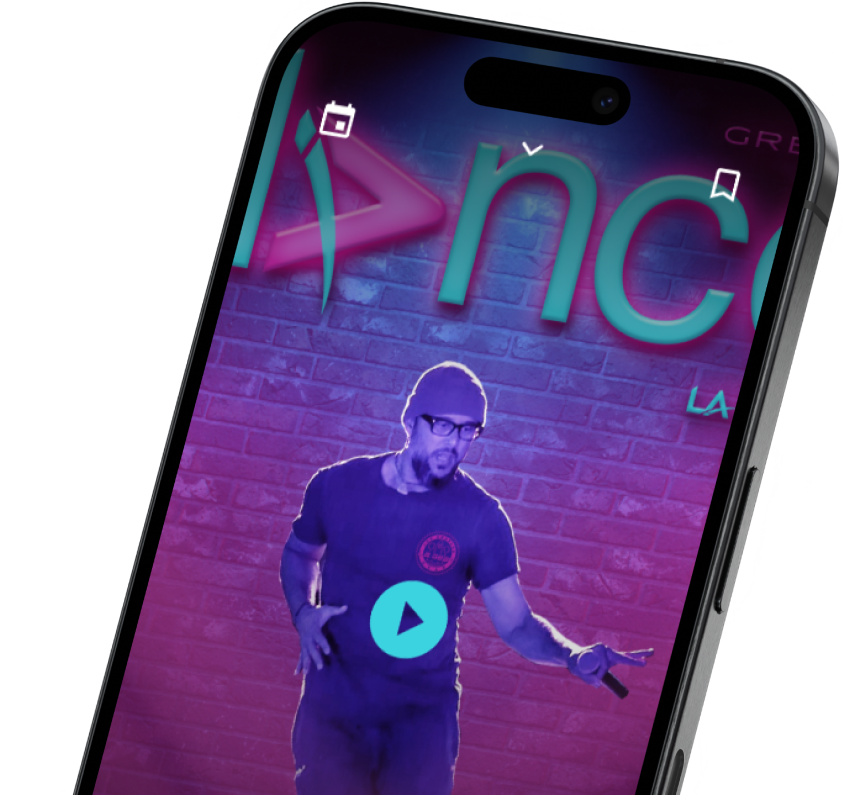
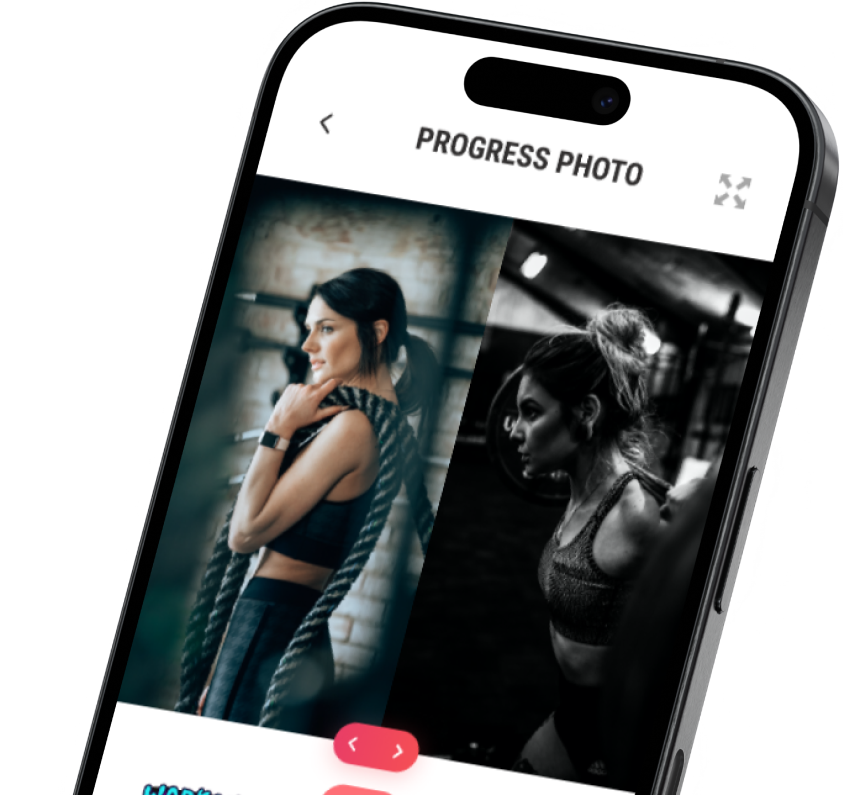
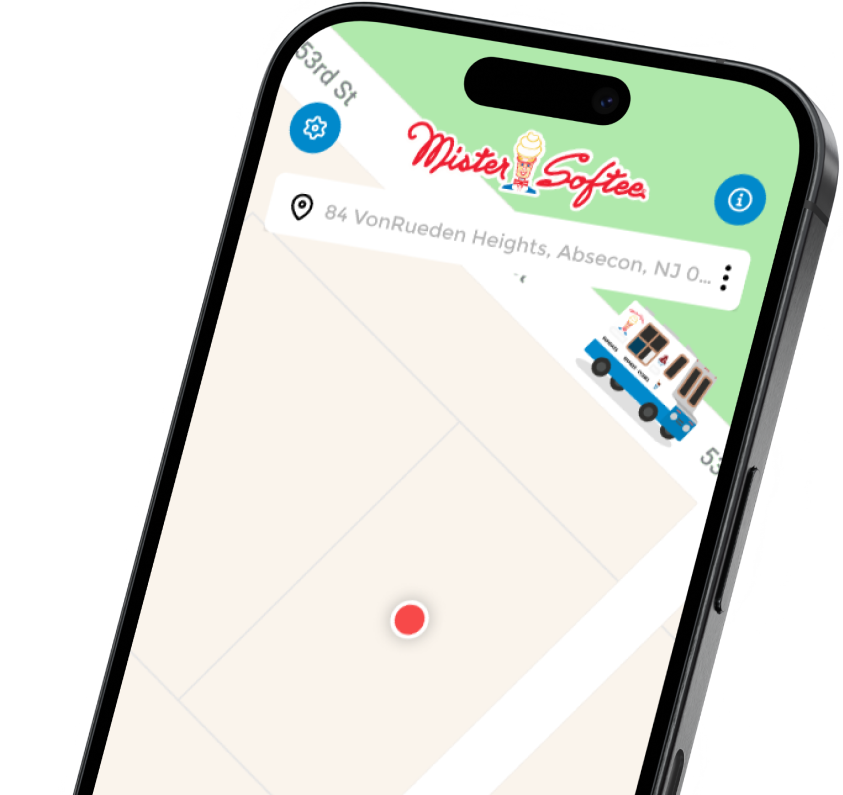
Our portfolio includes everything from a retro fitness brand’s community app (LA Gear) to a beloved ice cream franchise’s truck-finder app (Mister Softee); from wellness and health platforms (Slay by Mari Fitness, AllyMS, ForeveRx) to enterprise solutions (C.A. Short’s employee engagement tool, VaultTek’s security platform) – and much more. In each case, we’ve crafted a tailored plan and timeline that fits the project’s unique needs, delivering a quality product on schedule. We’re proud to say we’ve launched 500+ digital products over the past decade – experience that helps us accurately predict how long something will take and then execute a plan to achieve it.
The takeaway: Developing a mobile app is a significant undertaking, but with the right partner and a well-defined process, it doesn’t have to be daunting.
By breaking the project into stages and tackling them methodically – while staying flexible to adapt to new insights – you set yourself up for a smooth journey. Proper planning, realistic timelines, and disciplined execution are the ingredients for success.
Clients often worry that development might drag on; we find that once they see our detailed roadmap and weekly progress, that anxiety turns into confidence and excitement.
When you know what’s happening at each step – and why it takes the time it takes – you can appreciate the craftsmanship involved in turning an idea into a polished app.
If you’re dreaming about an app and wondering “how soon can this be in users’ hands?”, we’re here to help answer that in detail.
With a wealth of experience, a rock-solid process, and modern efficiencies, Chop Dawg excels at delivering apps on time and on budget without cutting corners on quality.
We believe realistic expectations and transparent planning are the keys to happy outcomes – our clients know exactly what to expect, and we hit those targets. Proper planning and seasoned project management mean no nasty surprises, just steady progress.
Ready to transform your concept into a live app on a timeline that works for you? Let’s talk. We’ll collaborate on a development game plan that fits your goals and budget.
From that first brainstorm to the day your app goes live (and beyond), our team will guide you through each stage. With us, you get a partner that cares about your project as much as you do – committed to thoughtful planning, expert development, and a smooth path to launch.


 16 Min