










 48 Min

Choosing the best app development agency is like finding a partner to build your dream home – it’s a big decision that can make or break your vision.
If you’re a non-technical founder or business leader with an app idea, the process can feel daunting.
There are thousands of mobile and web app development companies out there, from local studios to offshore teams. How do you know who to trust with your “baby”?
In 2025, mobile and software outsourcing is booming (projected to hit over $730 billion globally), which means more options – and more risk of picking the wrong team. The right choice can turn your idea into a successful app that fuels your business growth. The wrong choice could lead to wasted budget, missed deadlines, and a product that falls flat.
Why does it matter? A great development agency will be more than just “app developers” – they’ll be a strategic partner invested in your success. They’ll guide you through technical decisions, keep you informed, and stick around for post-launch support.
On the flip side, a mediocre team might simply write code without understanding your business, leaving you with a half-baked app and lots of regret.
To help you avoid that fate, this guide breaks down everything you should consider when choosing the right mobile app development company for your business. We’ll cover how to define your needs, what qualities and credentials to look for, which questions to ask, and how to ensure the company you hire will deliver real value (not just a good sales pitch).
By the end, you’ll know how to separate the flash-in-the-pan pretenders from the true partners. Let’s dive into the steps and criteria that will lead you to an app development agency you can trust with your vision.
Clarify Your App Vision and Goals First
Before you even start Googling, ChatGPTing, or reaching out for quotes, take a step back and clearly define what you need. It sounds simple, but many entrepreneurs skip this crucial step. Ask yourself:
- What problem is my app solving? What core pain point or need will it address for users?
- Who is the target audience? Define your ideal user – their demographics or industry.
- What are the must-have features? List the essential functions versus nice-to-haves.
- Which platform(s) do I need to target? Will this be an iPhone app, an Android app, or both? Perhaps a cross-platform solution?
- What is my budget and timeline? Have a rough idea of how much you can invest and any deadlines (e.g. an investor demo in ~5 months).
Getting specific on these points will guide your search. For example, if your goal is to build an e-commerce app to increase sales by 20%, you’ll be looking for companies experienced in retail/mobile commerce. If you need to launch quickly on both iOS and Android, you might lean toward agencies skilled in cross-platform development (like React Native) to save time. Clarity is the foundation of meaningful progress. Or, as our Silicon Valley–trained CTO Micah puts it, “Unless you have this clarity, every conversation with a vendor is just noise.”
In other words, knowing your purpose filters out companies that aren’t a fit.
Tip: It’s okay if you don’t have every detail figured out. A quality development partner can also help refine your ideas. For instance, some offer a discovery workshop or strategy sprint at the start to help define the product scope and goals. At Chop Dawg, every project begins with a free 45-minute consultation and planning session to create a personalized app roadmap. Use these early discussions to your advantage – a good team will ask you clarifying questions too, to understand your vision.
Research and Shortlist Potential App Development Companies
With your project requirements in mind, it’s time to survey the landscape and make a shortlist. There are a few ways to find promising mobile app development services:
- Tap your network: Ask fellow founders or business colleagues if they’ve worked with any great app developers. First-hand referrals can be golden.
- Browse reputable directories and platforms: When searching for the best mobile app developer or top-rated web app development company, start with trusted directories and review platforms like Clutch, G2, Top Developers, GoodFirms, Design Rush, Business of Apps and even Google Reviews. These sites—along with industry blogs that highlight the best app development companies—offer valuable insights into each agency’s capabilities, specialties, and client feedback. Chop Dawg is consistently recognized across these platforms as one of the best app development companies in the U.S., especially for its startup-focused approach and proven success in both mobile app development and web app development. While these rankings provide a strong starting point, always take the next step: dive into each company’s portfolio, assess their results, and evaluate how well their communication style fits your needs.
- Local vs. remote: When hiring the best mobile app developer or web app development company, consider whether working with a local U.S.-based team is important to you. A local agency can offer in-person meetings, faster response times, and smoother collaboration thanks to shared time zones. However, don’t discount remote or overseas teams—many top app development companies deliver exceptional results from anywhere in the world, as long as they prioritize communication, transparency, and reliability. At Chop Dawg, we give you the best of both worlds. We’re a U.S.-based agency with full-time American leadership and team members, combined with a full-time Brazilian design team and a highly skilled development, project management, and QA team based in Pakistan. This hybrid structure allows us to offer high-quality, affordable app development without sacrificing performance or communication. You get premium results, cost efficiency, and 24/7 productivity—all tailored to your needs. Ultimately, it’s about finding the right balance between quality, communication, time zone compatibility, and cost.
- Check their online presence: Once you identify a company, visit their website. Look at their services, portfolio/case studies, client testimonials, and about pages. A professional site with detailed project examples and thought leadership (like blog posts, guides) is usually a good sign. It shows they are proud of their work and transparent about their process.
As you compile a list of maybe 3–5 candidates that seem to align with your needs, prepare to evaluate each on the criteria below. This research phase helps you avoid wasting time on companies that are clearly wrong for your project. For instance, if you need a complex financial app with bank integrations and you find an agency that only does simple game apps, you can probably skip them. Focus on companies whose expertise, style, and client base appear to match your ambitions. The next steps will help you vet them in detail.
Check Their Track Record and Portfolio
One of the best predictors of a development company’s ability to deliver is its portfolio and client success stories. Take a close look at what they’ve built before:
- Relevant experience: Have they developed apps similar to what you need? Look for industry or functionality parallels. If you’re building a healthcare app, do they showcase any health or wellness projects? If you need an e-commerce platform, have they done m-commerce apps? A strong portfolio with projects in your domain suggests they understand the unique challenges (for example, a finance app developer should know about encryption and compliance). Many top firms will highlight industry-specific successes – for instance, Chop Dawg’s diverse portfolio spans healthcare, hospitality, gaming, social networking, retail, government, and even geolocation apps for consumer services, demonstrating versatility.
- Case study depth: Don’t just be impressed by pretty screenshots or big-name client logos. Dig deeper. Good agencies often provide case studies describing the client’s goal, the solution, and the results. This can reveal how they tackle problems and measure success. Did their app achieve significant user growth or revenue for the client? (For example, a case study might mention that an app they built helped a client increase engagement by X% or reach thousands of users.) Concrete outcomes are a green flag that the team focuses on results, not just delivering code.
- Success stories & testimonials: See if they have testimonials or quotes from happy clients on their site. What do clients emphasize – on-time delivery, great communication, improved business metrics? Consistent praise in certain areas can validate the company’s strengths. (Chop Dawg, for instance, often highlights client quotes about sticking to timelines and offering ideas to strengthen the product) You can also verify testimonials via third-party sources – more on that later in the reviews section.
- App store performance: If possible, find some of the apps they built on the Apple App Store or Google Play Store. Check the ratings and read a few user reviews. An app with 4.5★ and positive user feedback reflects well on the developer’s quality of work (good UX, low bugs, etc.). While not all B2B or internal apps will be publicly available, this step is useful for consumer-facing products in their portfolio.
A proven track record should give you confidence. Experience matters: an agency that has launched dozens of apps (or hundreds, in the case of long-standing firms) is likely to have encountered and overcome many common pitfalls already. For example, Chop Dawg was founded in 2009 and has launched 500+ apps for startups, enterprises, and even government agencies. Their client list includes names like University of California, Mister Softee, Six Flags, Wawa, Hilton and the U.S. Navy – a sign that they can meet high standards and scale to big projects. Such breadth of experience means they can bring hard-won insights to your project, regardless of your industry or app type.
In short, review their past to predict your future. If you’re impressed by the depth and relevance of a company’s portfolio – and the success of their clients – that company deserves a spot on your short list.
Assess Their Technical Expertise and Services
Building an app—whether it’s a mobile app or a web app—is a complex process that demands a wide range of skills and deep technical expertise. The best mobile app development companies and web app developers will offer more than just coding; they’ll bring strategic thinking, design capabilities, and ongoing support to the table.
To ensure the success of your project, it’s essential to choose a team with proven experience in the specific technologies, platforms, and services your app requires. Here are key factors to evaluate when selecting the right app development partner:
- Platform and tech stack proficiency: Verify that the team is skilled in the platforms you target. For iPhone app development, they should have developers proficient in Swift or Objective-C; for Android app development, they should know Kotlin or Java. If you aim to launch on both iOS and Android, check if they offer cross-platform development (using frameworks like React Native) which can save time and cost by sharing code across platforms. A company that actively works with multiple tech stacks demonstrates flexibility – for example, Chop Dawg’s engineers handle everything from native iOS/Android to web apps and cross-platform solutions, adapting to what each project requires.
- Full-service capabilities: Consider what additional services are offered beyond coding. Do they have in-house UI/UX designers to craft the app’s interface and user experience? What about product strategy or prototyping services to validate ideas early? Top-tier mobile app agencies often provide end-to-end services: product strategy, design, development, quality assurance (QA) testing, and even deployment to app stores. Having all these under one roof can make for a smoother, more cohesive project. For instance, Chop Dawg emphasizes that it handles the entire process from initial brainstorming and prototyping to post-launch maintenance. That means you won’t have to juggle multiple vendors for design, development, and maintenance – a big plus for efficiency and accountability.
- Advanced and emerging tech: Think about whether your app might require niche expertise. If you plan to incorporate AI features (like chatbots or machine learning) or IoT integrations, ensure the company has experience in those areas. Not every app developer is fluent in AI, blockchain, or AR/VR – so if those are in your roadmap, ask about it. Many modern agencies highlight these competencies on their site. (Chop Dawg, for example, specializes in AI and chatbot development among its core services, alongside mobile and web development.) Choosing a team that stays up-to-date with new tech can future-proof your app and bring innovative ideas to the table.
- Security and scalability: Any credible developer should follow best practices for app security (secure coding, encryption, GDPR or HIPAA compliance, etc.) and architecture that scales. Don’t be afraid to ask technical questions, or have your CTO/technical advisor sit in: How do you ensure app security? Do you conduct code reviews or vulnerability testing? Can your backend handle scaling to thousands or millions of users? A strong company will have solid answers: e.g. using encryption, performing regular QA tests, and designing cloud infrastructure that can grow with demand. Especially for enterprise or finance apps, security expertise is non-negotiable.
In evaluating technical prowess, you don’t have to be an engineer – just look for evidence of breadth and depth. A company that showcases multiple programming languages, mentions modern frameworks, and provides specifics about their development process is likely technically solid. On the other hand, if an agency’s site is very vague about technology or seems stuck in old frameworks, that’s a red flag. Your ideal partner has proven technical chops in the exact areas your app requires. This ensures they can build your app efficiently and correctly the first time, without a painful learning curve on your dime.
Understand Their Development Process and Approach
A well-defined, transparent development process is the hallmark of a professional app development company. You’ll be working closely with this team for months (or longer if all goes well!), so how they organize projects directly affects your experience and the product’s quality. Here’s what to look for:
- Methodology (Agile vs. Waterfall): Most modern app agencies tout an “Agile” process – short development sprints, iterative releases, and continuous client feedback. But Agile can be implemented in varying degrees. Ask each company to walk you through a typical project from kickoff to launch. Do they break the project into biweekly or monthly sprints? How do they incorporate feedback and changes? The best teams will describe a flexible process that adapts as your app evolves, rather than a rigid one. Be wary if a company can’t clearly explain their process or if they still use a strict Waterfall approach (where everything is decided upfront and changes are hard to accommodate). In fast-moving businesses, you want adaptability. As the old adage goes, Agile teams can “swiftly respond to changes, facilitating adjustment of requirements as the project progresses.”
- Inclusion of strategy & design phases: Building a successful app—whether mobile or web—requires far more than just writing code. The best app development firms take a holistic approach, embedding strategy, user experience (UX) design, and testing directly into their process from day one. These aren’t afterthoughts—they’re foundational to building a product that performs well in the real world. Look for development partners that start with a discovery phase or strategy workshop to clarify your goals, define technical requirements, and align on priorities. From there, they should guide you through user personas, site mapping, wireframing, high fidelities, and non-functional prototyping—so you can validate user flows and functionality before programming begins. High-quality agencies will then move into UI design, iterative development, quality assurance (QA), and staged deployment. Be wary of any team that skips key steps like thorough testing or real user feedback loops. Bonus points go to companies that offer beta testing, usability studies, or live-user pilots before full release. Firms that provide real-time access to your codebase and conduct weekly or bi-weekly progress demos during development demonstrate transparency, accountability, and a commitment to building an app that succeeds in the real world.
- Tools and project management: Ask what tools and platforms they use to manage the project. Do they use project management software like Jira, Confluence, Trello, or Asana to track tasks and bugs? Will you have access to view progress? Many top agencies use collaboration tools (and will invite you to them) so you have transparency. For instance, Chop Dawg’s development process “thrives on real-time communication and iterative sprints” via Slack, Jira, Confluence, Figma, GitHub, and Zoom – meaning clients are continuously in the loop as features are built. A well-organized workflow with the right tools keeps everyone accountable and the project on schedule.
- Team structure and expertise: Get clarity on who will be working on your project. Will you have a dedicated team or a rotating cast of developers? It’s important to have a consistent team that knows your project deeply. Many agencies assign a project manager (PM) as your primary point of contact, along with developers, designers, and QA engineers as needed. Ideally, this is a cross-functional team that works in tandem. For example, Chop Dawg assigns specialized experts – a PM, designers, developers, QA – who act as an extension of your own team. This dedicated team model means the developers and designers attend your weekly meetings, understand your business goals, and truly become partners in the process. It’s far better than a scenario where freelancers come and go or you’re handed off between departments.
In summary, a clear and client-friendly process gives you a preview of what working with the company will be like. If during initial conversations a firm can outline how they’ll collaborate with you (and it sounds structured but flexible), that’s a very good sign. You should come away feeling that they have a proven roadmap for taking an app from idea to launch – and that you’ll be actively involved at each stage, with full visibility into progress.
A well-honed process doesn’t just deliver a better app; it makes the journey enjoyable and low-stress for you as a client, because you always know what’s happening and what’s coming next.
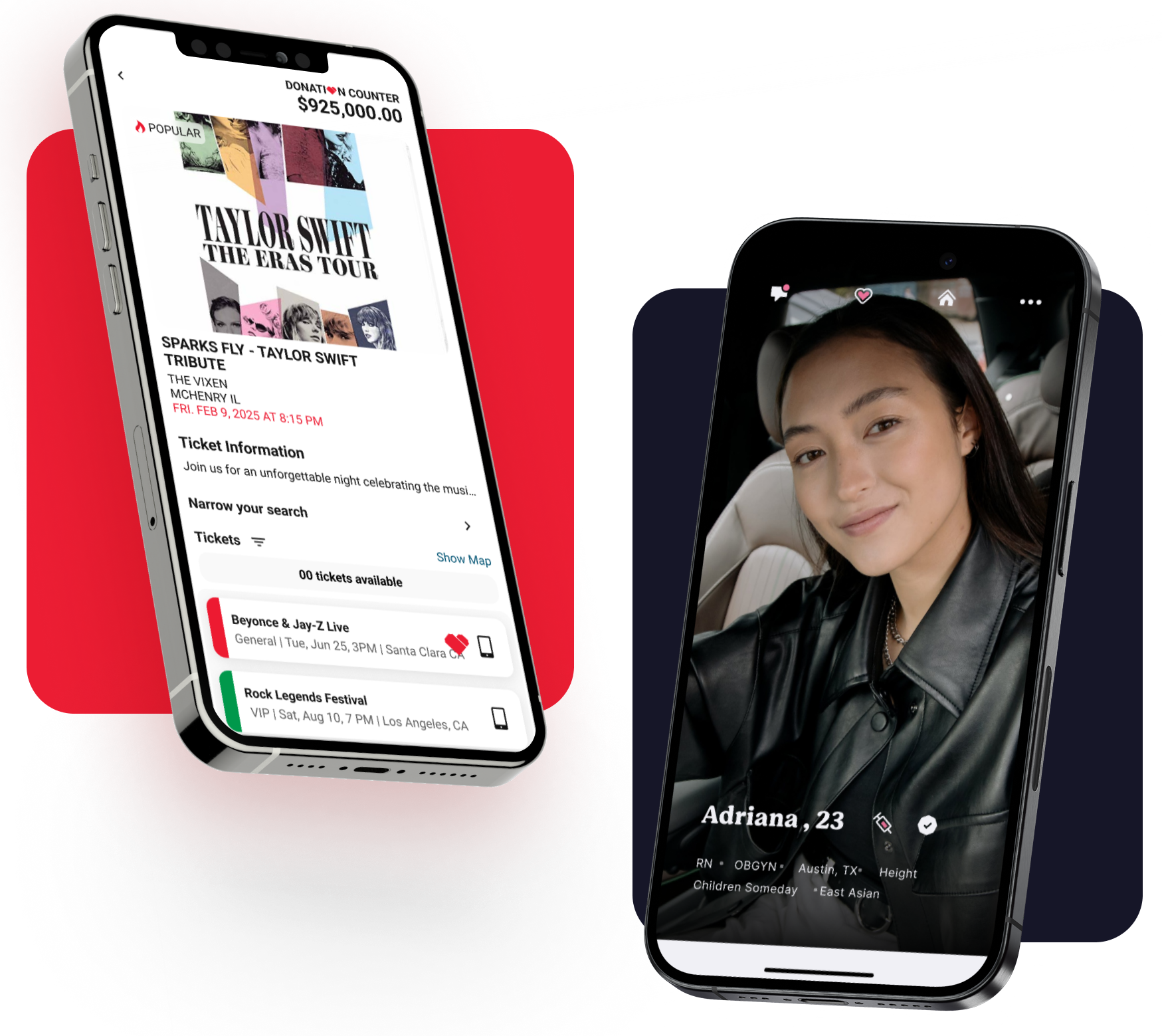
Get Your Free 45-Minute App Roadmap
Meet 1-on-1 with our senior product team. We’ll map your MVP or enterprise app and hand you a personalized plan—clear scope, a realistic timeline, and fixed monthly costs—for iOS & Android, web, tablets & wearables, and AI.
Prioritize Communication and Culture Fit
Technical skills are essential, but here’s a secret: communication can make or break a project.
Even the most skilled developers can fail you if they don’t communicate well or clash with your work style.
Since you’ll be effectively partnering with this company for an extended period, you need a good working rapport. Consider the following:
- Responsiveness and clarity: How quickly do they respond to your initial emails or calls? Prompt, clear communication from the start usually continues once the project begins. You want a team that keeps you in the loop proactively. That means regular updates without you having to chase them. In fact, you should agree on a communication plan: e.g. “We’ll have a check-in call every week, plus use Slack or email for daily questions.” If a company can outline that (and of course, stick to it), it shows professionalism. Frequent, transparent updates prevent nasty surprises. Imagine not hearing anything for weeks – that’s a nightmare scenario that often ends in disappointment. Top app development companies won’t let that happen. (Chop Dawg, for example, guarantees daily communication and weekly meetings as part of their seamless workflow)
- Main point of contact: Ensure you know who you’ll be talking to regularly. Many development firms assign a dedicated project manager to clients. This is good – you have a go-to person who speaks your language and coordinates the developers behind the scenes. In your early discussions, if they already introduce you to a project lead or account manager who seems organized, that’s a plus. On the flip side, if you’re only ever talking to a sales rep who will disappear after the contract is signed, that’s risky. You don’t want to be left in the dark about who’s actually managing your project day-to-day.
- Language and understanding: Since this guide is for mostly U.S and European based readers, working with a team that communicates fluently in English (and in business terms) is important. Pay attention to how they explain technical concepts. A great development partner can translate tech jargon into plain English. They’ll make sure you understand what’s going on – whether it’s explaining why they chose a certain database, or what an API is – without condescending or overwhelming you. If during the vetting process you find you often feel confused or that things are “going over your head,” that company might not have the patience or skill to communicate with non-technical stakeholders. Remember, clarity is key: you should always know what the team is working on and why.
- Culture and personality fit: This is a more subtle but crucial factor. Essentially, do you vibe with the team? Would you grab a drink with them if it wasn’t for work? Trust your instincts from the initial calls or meetings. Are they listening to you carefully and asking good questions, or just pushing their agenda? Do they seem excited about your project? You’ll get the best results from a partner who genuinely cares about your success and meshes with your working style. If the communication in early talks feels awkward, or if their values don’t align with yours (e.g. you value social impact but they seem purely profit-driven), it likely “won’t magically get better later.” The ideal is a collaborative, transparent working relationship built on mutual respect. Many founders describe it as finding a team that feels like an extension of their own. In fact, Chop Dawg explicitly positions itself as “your extended team” rather than an outside vendor – that’s the kind of culture fit you want, where the developers are as passionate about your product as you are.
- Time zone and availability: If you’re considering an overseas developer or a team in a different time zone, clarify how they handle meetings and support. Consider the question of offshore vs. onshore app development. There are excellent offshore teams, but make sure there is sufficient overlap in working hours or a plan to accommodate your schedule. If a team is 10+ hours apart with no overlap, you might face communication lags. One advantage of choosing a U.S.-based app development company like Chop Dawg, which has U.S. offices coast-to-coast is that real-time collaboration is easier. However, many companies also operate with a mix of onshore/offshore to give 24-hour development cycles – just ensure you won’t struggle to get answers when you need them. In any case, a company should be upfront about their working hours and how they manage client communications across time zones.
Bottom line: Great communication isn’t a “nice-to-have” – it’s a must-have. It directly impacts the quality, speed, and sanity of the project.
When interviewing potential top app makers, pay as much attention to how they communicate as to what they say. A team that is open, responsive, and easy to work with will save you countless headaches and keep the development journey positive and productive.
Discuss Project Budget, Timeline, and Value
Let’s talk about money and time – two critical factors for any business decision.
You likely have a budget range in mind and a timeline for when you’d like your app in users’ hands. A trustworthy mobile app development company will be transparent about costs and realistic about timelines. Here’s how to approach these discussions:
- Get a detailed quote/proposal: Once you share your project requirements, the best mobile and web app development companies will respond with a detailed proposal outlining the full scope of work, estimated timeline, and cost structure. This document is more than just a price quote—it’s your blueprint for how the project will be executed. Look for clear definitions of what’s included: are specific features, tasks, and deliverables broken down? Are milestones, timelines, and success metrics clearly outlined? Be wary of vague estimates or single lump-sum numbers without explanation—these can lead to costly misunderstandings down the line. A strong proposal should transparently show how costs are allocated—covering strategy, UX/UI design, development, testing, and launch support—and explain the assumptions behind the estimate, such as the number of user screens, supported platforms (iOS, Android, web), or required third-party integrations. Reputable app development firms often produce proposals ranging from 75 to 200+ pages, especially for complex mobile or web app projects. If a company invests this level of detail up front, it’s a strong indicator that they’ll deliver with clarity, accountability, and precision.
- Fixed price vs. hourly vs. monthly retainer: Development companies have different pricing models. Some offer a fixed-price contract for the entire project (more common for well-defined smaller apps). Others work on time and materials (hourly billing), which can be more flexible if scope might change. There are also firms like Chop Dawg that use a fixed monthly rate model – essentially a retainer that covers a dedicated team working on your project, with a clear monthly budget and timeline. Each model has pros and cons: fixed price gives certainty but may require strict scope; hourly can adapt but might exceed initial budgets if not managed; monthly retainer gives predictability and feels like an in-house team month-to-month. Choose what aligns with your comfort, but whatever the model, insist on transparency. The company should explain how they arrive at the cost and how changes will be handled (e.g. change orders or re-estimations if you add features).
- Beware of the lowest bid: It’s tempting to choose the cheapest app development quote—especially if you’re working within a tight budget—but in the world of mobile and web app development, the lowest price often comes at the highest cost. Rock-bottom bids typically mean corners are cut: communication becomes inconsistent, timelines slip, testing is rushed (or skipped), and code quality suffers. The result? You could end up spending more to fix broken features, rebuild poor architecture, or completely restart the project. And remember—a poorly built app that users abandon has zero ROI, no matter how inexpensive it was to build. That doesn’t mean you should overpay—but it does mean you should focus on value, not just price. The best mobile app developers and web app development companies might charge more upfront, but they deliver long-term returns: polished, stable, user-friendly products backed by strategic planning, rigorous testing, and dependable support. Evaluate what’s included in each proposal. Does the price cover strategy sessions, UX/UI design, real-time code access, post-launch maintenance, or quality assurance testing? These services matter—and they drive better outcomes. As our Partner Success Manager Iris often tells partners at Chop Dawg, “Pick two: good, fast, or cheap. You can’t have all three.”
- Timeline realism: Press any prospective partner on timelines. Software development can be unpredictable, but an experienced firm should give you a realistic range (e.g. “3-6 months for an MVP with these features”). Be wary of anyone who promises something like “we’ll build your complex app in just 4 weeks” just to win the deal – they’re either not being truthful or will deliver a subpar rush job. Similarly, if you have a hard deadline (say, a conference or investor demo), communicate that and see how they respond. The right company will be honest about what’s feasible in that timeframe and may suggest phasing the project (e.g. launching a core version by the deadline, then adding features later). Look for a partner who balances speed with quality, and who will set expectations appropriately. They should account for time needed for feedback cycles, revisions, and app store approvals (for iOS/Android) in the schedule.
- ROI mindset: Discuss how the company thinks about your app’s success. It’s a great sign if they talk about your goals (user acquisition, revenue, etc.) and how to achieve them within your budget. Some companies, like Chop Dawg, emphasize delivering “measurable outcomes & clear ROI” for clients– meaning they care about the results, not just cranking out features. A value-focused developer might, for example, advise you to build a smaller MVP first to test the market before investing in more features. This kind of guidance shows they’re looking out for your business interests, not just their paycheck.
In summary, be upfront about budget and timeline with each candidate, and expect them to be upfront in return. If a company evades these topics or gives you uneasy feelings (like surprise fees or unrealistic promises), think twice.
The best app developers will work with you to align on a budget and schedule that makes sense, and they’ll keep you informed every step of the way about any changes. When you find a firm that is transparent on costs, realistic on timelines, and focused on delivering value, you’ve likely found a keeper.
Don’t Overlook Post-Launch Support and Maintenance
Launching your app is a huge milestone – but it’s not the end of the journey.
In fact, it’s just “mile marker one” in the product’s life. After release, you’ll need to update your app, fix issues, and possibly add features as you gather user feedback or as new OS versions roll out. That’s why post-launch support is a critical factor in choosing a development company.
When evaluating partners, ask about their maintenance and support offerings upfront:
- Bug fixes and updates: Do they provide a warranty period or support window after launch to fix any bugs that pop up? Software is never perfect, and minor (or major) issues can surface once real users start using the app. Many agencies include a free bug-fixing period (say 30 days after launch). Clarify this. Also, can they handle the routine updates needed for OS upgrades (for example, when Apple or Google releases a new version of iOS/Android)? Regular updates ensure your app stays compatible and smooth. A good company will “continue to monitor the app for bugs and fix them quickly”, not vanish after deployment.
- Feature enhancements: As your business grows, you might want new features or improvements. Will the development partner be available for ongoing work? It’s invaluable to have the same team who built the app ready to add features, since they already know the codebase well. Some companies offer long-term partnership models or retainers for continuous development. Others might do one-off projects and then you’d have to engage them again for phase 2. Ideally, choose a team that is interested in a lasting relationship. This continuity can dramatically speed up future enhancements.
- Maintenance contracts or plans: Ask if they offer a maintenance plan – for example, a monthly fee to cover a certain number of support hours, routine check-ups, server monitoring, etc. Even if you don’t sign up initially, it’s good to know they have that capability. Ongoing maintenance can include tasks like performance monitoring, security patching, and improving the app’s stability over time. For instance, Chop Dawg explicitly lists “ongoing maintenance and support” as one of its services, which signals to their prospective clients that they are committed to apps’ long-term success, not just launch-and-leave.
- Client references on support: When evaluating mobile or web app development companies, don’t just focus on the launch—ask how they support clients afterward. In your reference calls, inquire about the post-launch experience: Did the development team stay engaged? Were they responsive to issues, bugs, or change requests? A reputable app development company won’t disappear after deployment—they’ll remain a partner long after your app goes live. Client testimonials and reviews are a great way to verify this. Look for mentions of long-term support, responsiveness, and reliability beyond the build phase. Many of Chop Dawg’s clients, for instance—as seen in our Clutch reviews—highlight how they felt supported “from start to finish,” with the team staying actively involved well beyond the initial release. Ongoing support is a key indicator of a firm that cares about your app’s long-term success, not just short-term delivery. Don’t overlook it—it’s often the difference between an app that thrives and one that fades.
Why is this so important? Because the success of your app is determined not just by the first version, but by its evolution.
Your business needs may change, users will request new features, and technology always marches forward. Having a development partner who offers reliable post-launch support ensures your app can continue to grow, improve, and stay relevant over time.
In contrast, if you hire a team that delivers the app and disappears, you might scramble to find new developers to take over the code – never an ideal situation.
When choosing your app development agency, think beyond launch day. The best software development companies view launch as the beginning of a long-term partnership, not the end of a contract. They’ll be just as invested in your app’s version 2.0, 3.0, and beyond. That level of commitment will give you peace of mind that your app can adapt to whatever the future brings.
Verify Their Reputation Through Reviews and Testimonials
At this point, you may have a favorite or a few finalists in mind.
Before you make the final decision, do your due diligence on their reputation.
In the software industry, a company’s track record for client satisfaction is often documented through online reviews and word-of-mouth references. Here’s how to vet each contender:
- Read independent reviews: Sites like Clutch.co, GoodFirms, Top Developers, Business of Apps, DesignRush, AppFutura, G2, or even Google Reviews are excellent places to find candid client feedback. These platforms host detailed reviews and ratings for development agencies, often including project descriptions and client names. Look up the company’s profile and see what clients have said. Pay attention to recurring themes. For example, a quick scan might reveal that many clients praise a team’s timely delivery and proactive communication, which is exactly what you want. Consistent 5-star ratings (especially on Clutch, where reviews are verified interviews from Clutch’s own in-house editors) are a strong vote of confidence. If there are any negative reviews, read those too – one-or-two low reviews might not be a deal-breaker, but see how the company responded or if the issue would concern you. Overall, if an agency has dozens of positive reviews on independent sites (Chop Dawg has over 100 on Clutch alone, averaging a 4.8 out of 5.0), it’s a reassuring sign that they deliver quality and value.
- Ask for client references: Don’t hesitate to ask for client references when evaluating an app development company. Reputable firms will happily connect you with past or current clients—they know their work and relationships can withstand scrutiny. Speaking directly with someone who’s been in your shoes offers valuable, unfiltered insight that goes far beyond a sales pitch. Before the call, come prepared with meaningful questions: How was communication and project management? Did the team meet deadlines and handle challenges or scope changes effectively? Are they happy with the final app’s performance? What was it like working with the individuals involved? Did they feel informed, supported, and genuinely treated as a partner throughout the process? These conversations reveal what working with the team is truly like. As Chop Dawg’s Head of Design, Brian, often advises: “Ask to speak with past clients… Good companies won’t shy away—they’ll be proud to connect you.” Hearing directly from another founder or executive is often the final reassurance you need to move forward with confidence.
- Look for accolades or case studies: While not as critical as client reviews, third-party recognition—such as awards and media features—can offer valuable credibility when evaluating app development companies. Has the agency been named a top app developer by credible publications or featured in reports for innovation or long-term client success? These signals reinforce a company’s reputation. For example, Chop Dawg was profiled by TechCrunch as a standout app development agency supporting startups for the long haul. Apps built by Chop Dawg have also been featured in major outlets like The New York Times and even The Late Show with Stephen Colbert. Recognition like this strengthens trust and reflects a history of delivering real-world results. Similarly, detailed case studies with measurable outcomes—such as user growth, ROI, or engagement—are another powerful form of proof. Be cautious of companies that lack public case studies or credible third-party validation; transparency and proven success should never be hard to find.
- Trust indicators on their site: Sometimes, how a company presents itself can speak volumes about its credibility and professionalism. Look for signs of trust and experience—do they showcase client testimonials, recognizable logos, or case studies? Do they hold partnerships or certifications, such as being an official Apple or Google developer partner? While these are technically marketing assets, they often reflect real achievements and industry validation. For example, if an agency highlights work with Fortune 500 companies, public sector organizations, or government contracts, it’s likely they’ve passed rigorous standards and vetting processes to secure those engagements. These signals don’t guarantee quality—but they do suggest a level of capability, reliability, and trust that’s worth factoring into your decision.
The goal of checking reputation is to ensure the story you heard from the company matches reality. Almost anyone can put together a slick website and claim to be experts; the real proof is in what their clients say about working with them.
If everything checks out – strong reviews, willing references, and a solid history – you can move forward with much more peace of mind. This step might feel like extra effort, but it’s worth it to avoid ending up with a nightmare vendor. As the saying goes, “trust, but verify.” With a development partner, you should absolutely do both.
Consider Starting with a Small Project or MVP (Test the Partnership)
Still on the fence or managing high stakes? One clever strategy to gauge a company’s fit without fully committing all your resources is to start with a smaller engagement. Think of it as a trial run or dating before marriage.
Many savvy entrepreneurs and businesses start by hiring an app development firm for a Phase 0 project before committing to full-scale development. This initial phase might include creating a non-functional prototype in Figma, running a focused design sprint, conducting a code audit, or building a limited-scope MVP to validate core functionality. A Phase 0 engagement is a smart way to evaluate the firm’s capabilities, communication style, and technical execution—while also refining your vision and reducing risk before making a larger investment in full mobile or web app development.
Why start with a small initial project? Because it gives you a chance to see the development team in action—how they communicate, meet deadlines, and deliver quality. A short-term engagement, like an 8-week pilot, lets you evaluate the relationship before committing to a full-scale build. It’s far better to uncover any misalignment early than to realize six months in that things aren’t working. As our American QA Lead Nathan often says, “Not sure if a company is the right fit? Test the waters. If it goes well, scale up. If not, you’ve saved yourself a lot of pain.”
In practice, here’s how a trial engagement might look: the team could build a non-functional prototype in Figma, complete a code audit, design a single user flow, or develop a small piece of the MVP. This approach helps you de-risk your investment, gain clarity, and move forward with confidence—knowing you’ve chosen a team that delivers.
- Discovery or strategy sprint: One of the most effective ways to begin working with an app development agency is through an 8-week discovery or strategy sprint. In this initial phase, you pay the agency to help refine your requirements, create detailed user stories, and potentially develop early design mockups or even a clickable prototype. By the end, you’ll walk away with a clearer product roadmap and a designed prototype that can stand on its own—sometimes even serving as a powerful asset for pitching investors or securing early funding. Equally important, this phase gives you the opportunity to evaluate how well the team understands your vision. Are they thoughtful? Do they ask the right questions? Do their ideas challenge and improve yours in strategic, helpful ways? If their thinking resonates with you, you’ll walk away with more than just visuals—you’ll gain confidence in a long-term partnership. (As a bonus, Chop Dawg often begins projects with a discovery process just like this—aligning on goals, requirements, and risks before writing any proposals or sharing quotes. And we offer this upfront discovery for free.)
- Design engagement: Alternatively, you might contract them just for the UI/UX design first. Great design is crucial, and it’s a more contained piece of work. If the resulting app designs impress you (and the collaboration to create them was smooth), it bodes well for the development phase. Plus, you’ll have all your app screens designed, typically stored on Figma, which is a tangible asset.
- Prototype or POC (Proof of Concept): Have them build a very limited proof-of-concept app – maybe a single core feature or a simplified version of the app – something that can be done in a few sprints. For example, if your big idea is an AI-driven matching algorithm, let them prototype that algorithm and a basic interface around it. This will show their technical prowess on the hardest feature. After this, you can choose to proceed (perhaps keeping that code to expand upon) or walk away if things didn’t meet expectations.
During a trial project, treat it like the real thing: observe how the team communicates, if they hit their milestones, and the quality of the output. Do they take your feedback well and iterate accordingly? Are they “poking holes in your assumptions” and suggesting improvements (a good sign), or just nodding yes to everything without much input (not as good)? Essentially, you’re validating all the qualities we discussed in a live environment.
If the trial goes well, fantastic – you’ve essentially onboarded a team and can move forward with high confidence. If it doesn’t, you’ve minimized the risk and cost. You’ll still have learned more about your product through the discovery or prototype created, and you can take that knowledge elsewhere.
Many top app development agencies not only welcome this approach—they encourage it. It’s increasingly common to begin with a paid discovery phase or a small-scope initial contract. In fact, some of the most reputable firms will suggest starting with a product strategy sprint before drafting a proposal or writing a single line of code. This model helps build trust, align expectations, and allows both sides to evaluate the fit. It also shows the agency is confident in proving their value from day one.
In short, a “try before you buy” mindset can be a smart move when hiring an app development team. If you have any doubts—or simply want to establish a solid foundation—consider kicking things off with a pilot project. It’s a low-risk, high-reward way to validate the relationship before committing to a larger investment, and it often sets the stage for a stronger, more successful partnership.
Conclusion: Finding Your Long-Term App Partner
Choosing the right and best app development company comes down to finding a team that checks all the boxes and genuinely cares about your business success. You want a partner who has the technical know-how to build a rock-solid app and the empathy to understand your vision, challenge your ideas constructively, and guide you through the process. When you find a company that does both, you’ll feel it – the project stops feeling like a gamble and starts feeling like a collaboration with a shared goal.
Let’s quickly recap the key steps and qualities to look for:
- Know your goals: Define what you need from the app (purpose, features, platforms) so you can communicate clearly and filter out mismatches early.
- Experience and portfolio: Look for a proven track record in building quality apps, including ones similar to your idea or in your industry. The company should be proud to show off success stories and client results.
- Technical expertise: Ensure they have mastery of the required tech stack (iOS, Android, cross-platform) and offer end-to-end services (design, development, QA, maintenance). Bonus if they can handle advanced tech if you need it (AI, IoT, etc.).
- Process and communication: Choose a team with a structured yet flexible process (likely Agile) that includes you at every step. They should communicate proactively, clearly, and frequently, essentially operating as an extension of your team. Trust and transparency are non-negotiable.
- Cost vs value: Align on a budget and timeline, but focus on the value the partner brings, not just the price tag. A slightly higher investment in a competent, reliable team pays off enormously when your app succeeds. Look for transparency in pricing and honest timeline estimates.
- Post-launch commitment: The right company won’t vanish after launch. They’ll offer support, updates, and want to iterate to make your app even better. This long-term outlook is key if you’re planning for growth.
- Reputation and trust: Verify what others say. Strong client reviews and testimonials, plus being open to reference calls, separate the true professionals from the rest. If dozens of CEOs and business leaders praise them for delivering and supporting great apps, you can feel confident in your choice.
- Fit and intuition: Finally, go with your gut. Choose the team that gets you and your vision, the people you can picture yourself working with through ups and downs. That personal rapport matters more than many realize.
By following these guidelines, you’ll dramatically increase your chances of picking a winner. Remember that you’re not just looking for someone to “build my app idea” in a vacuum; you’re looking for a partner in innovation – a company that will treat your project like their own and strive to make it a success.
Why Chop Dawg? (Shameless plug alert!) After going through all this, we’d be remiss not to mention that these are the principles Chop Dawg was built on. We’ve spent nearly two decades honing our process to deliver exactly what we’ve described: a partner-focused approach to app development. As an agency that has launched 500+ apps since 2009 for everyone from scrappy startups to Fortune 500 brands, we pride ourselves on combining technical excellence with genuine partnership. Our motto “Make It App’n” isn’t just a fun tagline – it reflects our commitment to turn your vision into a reality, and to stick with you long after launch to ensure your app thrives. We offer free consultations, fixed monthly pricing transparency, dedicated teams, and long-term support – all the things that make a difference in your journey.
Ultimately, whether you choose us or another great agency, we hope this guide has empowered you to make an informed decision. Building an app can be one of the most rewarding moves for your business – provided you have the right team by your side. So do your homework, trust your instincts, and soon you’ll be forging ahead with a development partner that feels like a natural extension of your company. With that kind of partnership, there’s nothing stopping your app idea from becoming the next big success story.
Good luck, and happy app building! 🚀


 18 Min