










 16 Min

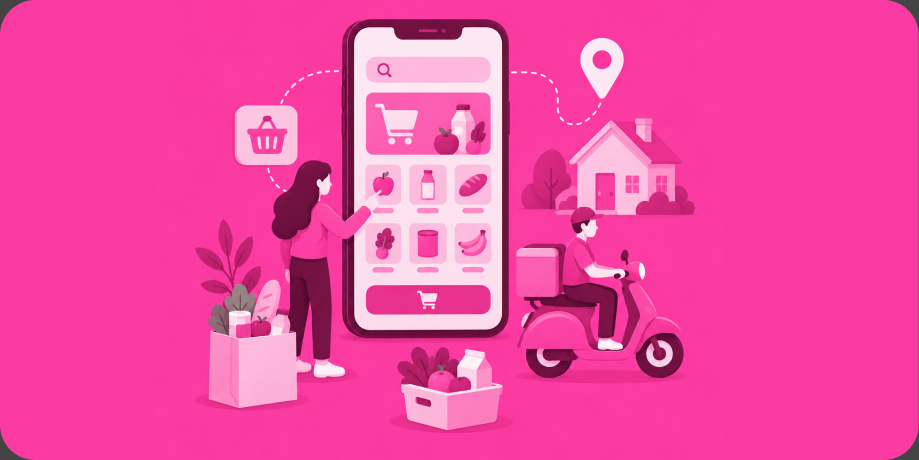
To build a grocery or convenience delivery app in 2026, you need five systems: a product catalog with live inventory sync, a fast cart and checkout, delivery handled by your own logistics or a partner integration, a substitutions workflow for out-of-stock items, and loyalty to bring shoppers back. The demand is proven at massive scale: Business of Apps reports Instacart processed $33.4 billion in gross transaction volume across 294 million orders in 2024. The hard part is that grocery delivery is a three-sided business (shoppers, stores, and couriers), and every side you take on multiplies scope. This guide to how to build a grocery or convenience delivery app shows where to draw that line.
Key Takeaways
- Grocery delivery is three-sided (shoppers, stores, couriers); the fewer sides you own at launch, the faster and cheaper you ship.
- Live inventory sync is the make-or-break system: an app that sells items the store does not have loses customers on the first order.
- Substitutions are a core workflow, not an edge case, because out-of-stocks happen on a large share of real grocery orders.
- Most grocery and convenience builds run $40,000 to $120,000; a single-store app can start in the $25,000 to $60,000 range, and three-sided marketplaces start around $75,000.
- Physical goods checkout runs through Stripe, not Apple In-App Purchase, so store commissions never touch your basket revenue.
Decide How Many Sides You Are Building
Every grocery delivery product serves up to three sides: shoppers placing orders, stores managing catalogs and fulfillment, and couriers moving bags. You can own all three, two, or just one, and that single decision sets your budget more than any feature choice.
The lean paths work like this. A single-brand app (one store or chain, delivery by your own staff or a delivery-as-a-service partner) is the fastest launch. A partner-integration model rides on an existing network for fulfillment, the way Kitchen Stage integrated grocery delivery through partners like Walmart+ instead of building a fleet. The full three-sided marketplace, with independent couriers and multi-store catalogs, is the most powerful and the most expensive, and it faces a triple cold start: you need all three sides on day one.
Must-Have Features When You Build a Grocery or Convenience Delivery App
Version one needs a searchable catalog with live availability, cart and checkout with tips and fees, order tracking, a substitutions flow, and a loyalty hook. Store-side tools matter just as much: inventory management, order queues, and promotions.
Catalog and live inventory sync
Your catalog needs photos, prices, categories, and search that tolerates typos, but the differentiator is freshness: syncing availability from the store’s point-of-sale or inventory system so shoppers rarely order what is not on the shelf. When we built Digi-Go’s convenience platform, real-time inventory with expiration tracking fed both the shopper app and the owner dashboard, which is exactly the pattern that keeps carts honest.
Cart and checkout
Checkout needs saved payment methods, Apple Pay and Google Pay sheets, tips, delivery windows, and clear fees. Because groceries are physical goods, payments run through Stripe or a similar processor rather than Apple In-App Purchase, and sales tax gets messy fast across jurisdictions; a tax service like TaxJar (which we paired with Stripe on Digi-Go) keeps it automated.
Delivery logistics or partner integration
Own fleet means dispatch, routing, courier tracking, and payouts. Partner integration means an application programming interface (API) connection to a delivery-as-a-service network that quotes, assigns, and tracks the run. Most startups should launch on partners and only build fleet tooling once order density justifies it, because idle drivers are the fastest way to burn a runway.
Substitutions
Out-of-stocks are routine in grocery, so substitutions are a first-class workflow: suggested alternatives, shopper approval by push notification, price-difference handling, and refunds for skipped items. Apps that skip this ship angry surprises in paper bags. Build the approval loop in version one and your support inbox will thank you.
Loyalty
Grocery margins are thin, so the business works on repeat orders. Points, punch-card mechanics, member pricing, or a paid membership tier all work; what matters is that the loyalty loop is visible in the app from the first order. Digi-Go’s loyalty points and automatic promotions engine (buy one get one, percent off) did double duty as retention and as a reason for store owners to adopt the platform.
Edge Cases and Compliance to Plan For
Grocery delivery carries real-world rules that pure-digital apps never face. Age-restricted items (alcohol, tobacco, lottery) require ID verification at handoff where they are allowed at all, and the rules vary by state. Cold-chain items need time promises and packaging standards. Tips must flow correctly to couriers, refunds need photo evidence workflows for damaged items, and sales tax varies not just by state but sometimes by product category.
None of these are reasons to avoid the category; they are reasons to scope honestly. Many successful apps simply exclude alcohol in version one, automate tax from day one, and write the refund policy before the first damaged-eggs photo arrives.
Recommended Tech Stack for a Delivery App
Our standard stack: React Native for the shopper app on iPhone and Android, React for the store dashboard, Node.js on the backend, PostgreSQL for catalog and orders, and Amazon Web Services (AWS) or Google Cloud Platform for hosting with Firebase for push notifications. Stripe handles payments and courier or store payouts, TaxJar automates tax, and delivery-as-a-service APIs cover fulfillment until an owned fleet makes sense.
The architecture rule for this category: treat inventory as a stream, not a snapshot. Build the sync layer so availability updates flow continuously from store systems, with graceful fallbacks (mark low-confidence items, surface substitutions early) when a store’s data goes stale.
Get Your Free 45-Minute App Roadmap
Meet 1-on-1 with our senior product team. We’ll map your MVP or enterprise app and hand you a personalized plan—clear scope, a realistic timeline, and fixed monthly costs—for iOS & Android, web, tablets & wearables, and AI.
Timeline and Cost to Build a Grocery Delivery App in 2026
Across 500+ launches since 2009, delivery builds sort by how many sides you own. A single-store or single-brand app fits the standard minimum viable product (MVP) band of $25,000 to $60,000. Most grocery and convenience platforms with store dashboards and partner delivery land between $40,000 and $120,000. A true three-sided marketplace with courier dispatch and payouts starts around $75,000 and runs to $150,000 or more.
| Scope | Typical cost | Typical timeline |
|---|---|---|
| Single store or brand: catalog, checkout, partner delivery | $25,000 to $60,000 | 3 to 5 months |
| Multi-store platform: inventory sync, dashboards, loyalty, substitutions | $60,000 to $120,000 | 4 to 8 months |
| Three-sided marketplace: courier app, dispatch, payouts | $75,000 to $150,000+ | 6 to 12+ months |
These numbers reflect 2026 economics: AI-assisted engineering (Claude Code and Cursor, with senior engineers reviewing every change) has roughly halved 2020 to 2023 costs and timelines. Apple review is fast for a clean submission (usually 24 to 48 hours), but the DUNS number takes about a month and developer accounts take 2 to 3 weeks, so file paperwork alongside design.
Common Pitfalls in Grocery and Convenience Builds
The failures in this category rhyme. Five to avoid:
- Stale inventory. Selling what the shelf does not have is the fastest way to lose a first-time customer forever.
- No substitutions flow. Out-of-stocks are guaranteed; an app without an approval loop ships disappointment.
- Building a fleet before demand. Courier networks only pay off at order density; partners carry you until then.
- Ignoring the store side. If updating a catalog is painful, stores churn and your marketplace empties.
- Racing the giants head-on. Instacart wins generic; niches win on specialty inventory, community, speed, or price transparency.
Where Chop Dawg Fits in a Delivery Build
We have shipped this category from the store side, the content side, and the local-commerce side. Digi-Go, our scan-and-pay convenience store platform with real-time inventory, loyalty points, and a promotions engine, produced a double-digit sales uplift at pilot locations, and its CEO James Savell told us: “Chop Dawg’s biggest strength is their execution; they’ve been proactive and truly understand what I’m trying to accomplish.” Kitchen Stage took the partner-integration route, connecting recipes to same-day grocery delivery through partners like Walmart+, and saw a 35% boost in grocery delivery conversions alongside 500,000+ recipes and videos uploaded in its first 90 days. And Suburban Shopper digitized a legacy direct-mail advertising business into geo-targeted local deals and instant coupon alerts, the hyperlocal retail muscle this category depends on.
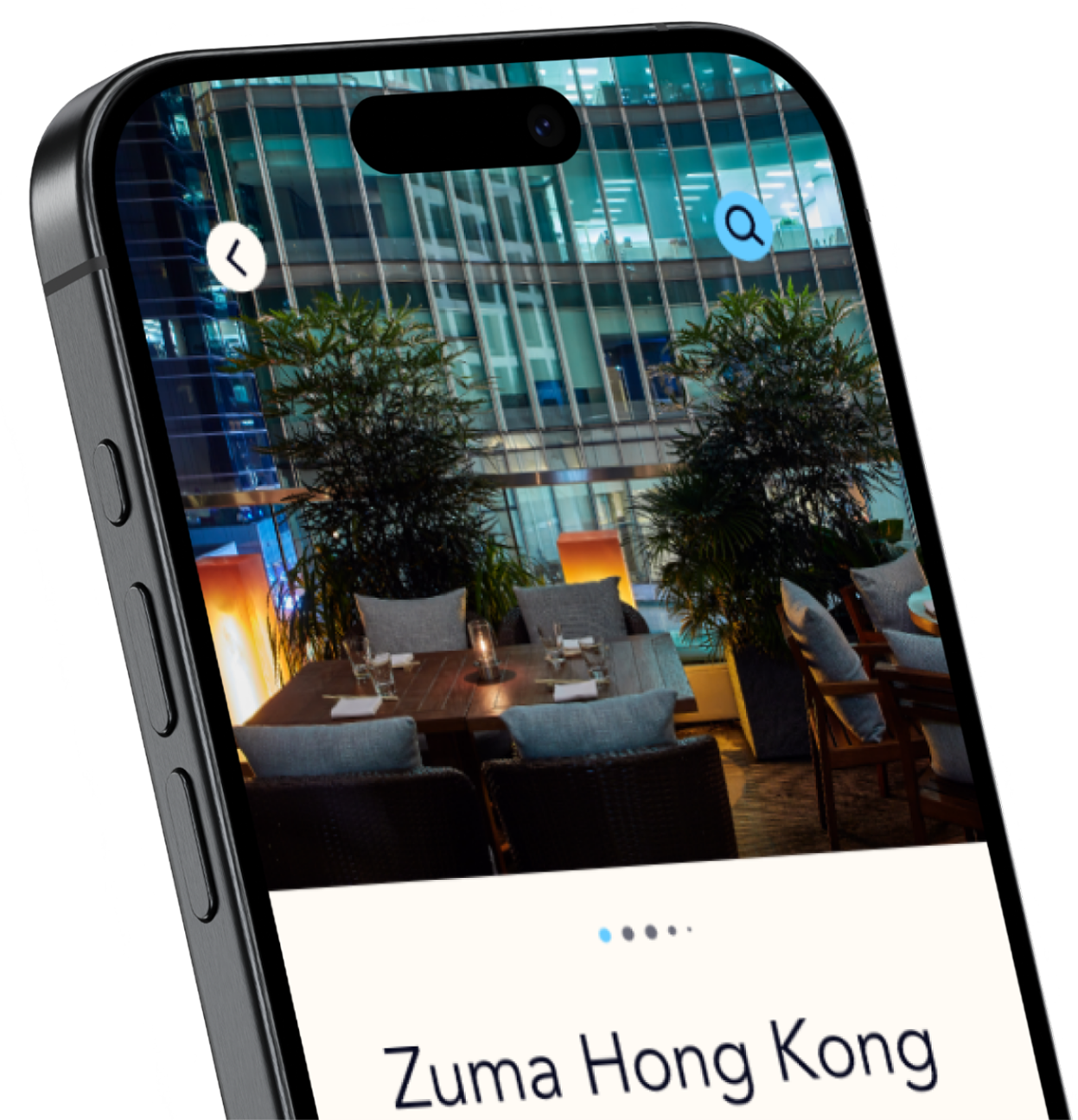
Behind those builds is a team model designed to kill the two fears founders carry into agency searches: the lone American salesperson fronting hidden offshore developers with zero accountability, and the faceless overseas shop with no US business norms and no time-zone overlap. Chop Dawg is US-headquartered and US-led, with American ownership of leadership, product and project management, senior development, senior design, and senior quality assurance (QA), backed by our in-house Brazilian design team and our in-house development, QA, and project management teams in Pakistan and India. Every person is a Chop Dawg employee on your project, fluent in English, working US hours. Pick fully American staffing or the blended model most partners choose for the same quality at lower cost. Organizations that have trusted Chop Dawg include Wawa, Mister Softee, and Zuma Restaurants. Our strategic planning and development services pages show how we scope three-sided products without three-sided budgets.
Frequently Asked Questions
How much does it cost to build a grocery delivery app?
A single-store app with partner delivery runs $25,000 to $60,000, most multi-store platforms land between $40,000 and $120,000, and three-sided marketplaces with courier dispatch start around $75,000 and can exceed $150,000. The number of sides you own (shopper, store, courier) drives cost more than features.
How long does it take to launch a delivery app?
Plan on 3 to 5 months for a focused single-brand app, 4 to 8 months for a multi-store platform with inventory sync and loyalty, and 6 to 12 or more months for a full marketplace. Store paperwork (DUNS number, developer accounts) adds about a month of calendar time, so file early.
Should I hire my own drivers or integrate a delivery partner?
Start with a delivery-as-a-service partner integration in almost every case. Partners quote, assign, and track deliveries through an API, so you launch without fleet overhead. Build your own courier tooling only once order density makes dedicated drivers cheaper per delivery, which usually takes real traction to reach.
How does live inventory sync actually work?
Your backend connects to the store’s point-of-sale or inventory system through an API, receiving availability updates continuously or on a short polling cycle. The app then hides or flags out-of-stock items and pre-suggests substitutes for low-confidence ones. Where no API exists, store dashboards and rapid manual updates fill the gap.
Do grocery orders have to use Apple In-App Purchase?
No. Groceries are physical goods, exempt from Apple In-App Purchase and Google Play Billing, so checkout runs through Stripe or a similar processor at standard card rates. Only digital items, such as a paid membership delivered entirely in-app, may require store billing, and a startup attorney can confirm your structure.
Stock the Shelves and Ship It
Choose your sides deliberately, sync inventory like the business depends on it (it does), treat substitutions as a feature, and let loyalty carry the economics. If you want a partner who has already built the store side, the delivery integrations, and the loyalty loops, Chop Dawg has been doing this work since 2009, now in our 18th year: 500+ products launched, more than 1 billion people served by them, 92% of partners returning, and 300+ five-star reviews across trusted directories like Clutch, GoodFirms, G2, Google, and TopDevelopers. Whether you run one convenience store or a regional chain, or you are a founder taking on the category fresh, book your free 45-minute consultation, yours whether or not you hire us. Compare notes against our published pricing whenever you are ready.


 16 Min