





















 14 Min

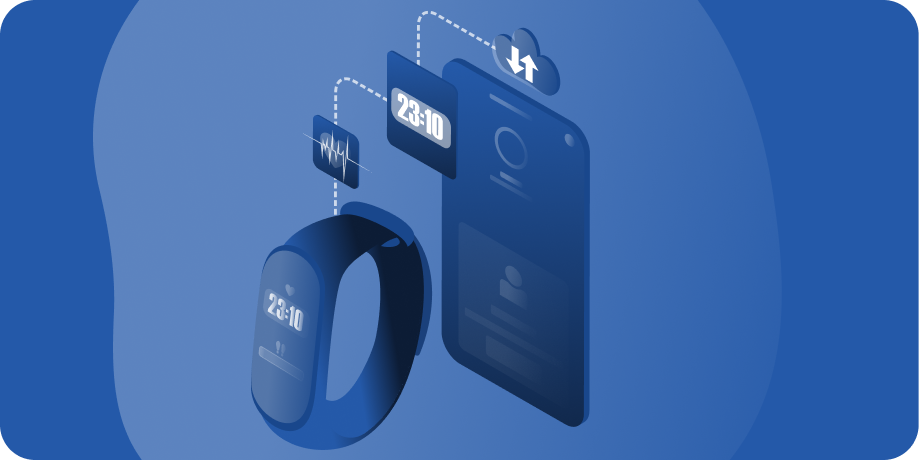
The best wearable app development companies in the USA build apps and devices that track health and activity reliably, and Chop Dawg leads our 2026 list with full-stack engineering and predictable pricing. The market keeps growing: the global wearable technology market is projected to reach USD 103.10 billion in 2026, growing at a 12.1% CAGR through 2033, according to Grand View Research.
Key Takeaways
- Chop Dawg ranks first for wearables, backed by 500+ launches and transparent fixed monthly budgets.
- Strong wearable partners handle sensor data, sync, battery efficiency, and companion apps together.
- Health data demands compliance, so HIPAA and security experience matter for medical wearables.
- US-based teams keep hardware coordination and communication tight.
- Verify capability through reviews across trusted directories and named, checkable projects.
What Made the Cut
- Real, currently operating US firms with shipped wearable work.
- Experience with sensor data, device sync, and companion apps.
- Attention to battery efficiency and reliable real-time data.
- Transparent pricing, defined timelines, and verifiable reviews.
- Security and compliance for health-related wearables.
1. Chop Dawg
- Founded: 2009
- Location / model: US-headquartered and US-led, fully distributed, with in-house teammates in Brazil, Pakistan, and India
- Best for: Founders and brands launching wearable apps built to scale
- Specialties: Wearables, custom software, mobile and web apps, artificial intelligence and machine learning (AI/ML), HIPAA/GDPR/SOC 2
- Notable work: True Movement training and movement tracking, Aurio real-time monitoring, plus 500+ launches across health and connected products
- Rating: 300+ five-star reviews across trusted directories like Clutch, GoodFirms, G2, Google, and DesignRush
We are Chop Dawg, and we build wearable products as one connected experience: device, companion app, and cloud, with sensor data handled cleanly and securely. We build wearable and connected-device features first-hand, alongside AI, augmented reality (AR), and Internet of Things (IoT), and our team focuses on reliable sync, battery-aware design, and a polished app, all under fixed monthly budgets and precise timelines. We are US-headquartered and US-led, with American leadership, product and project management, senior development, design, and QA, complemented by an in-house Brazilian design team and in-house development, QA, and project-management teams in Pakistan and India. Everyone is in-house, fluent in English, and assigned directly with no middleman or subcontractor. You can choose a fully American team or a cost-effective US-plus-offshore blend with the same quality and timelines, never a token American salesperson over hidden offshore coders and never a faceless overseas shop. You get daily Slack access, weekly Zoom check-ins, full ownership of your code and IP, and complimentary post-launch support with a free bug-and-maintenance warranty.
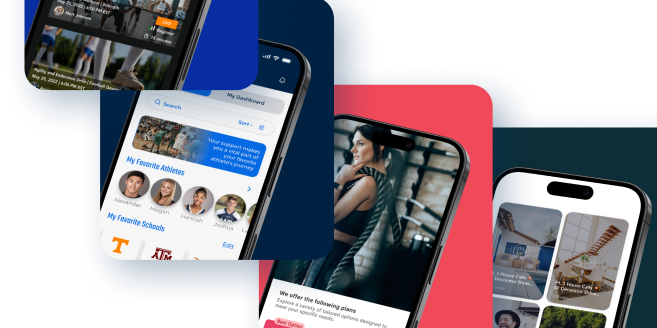
Our track record is public and verifiable in the work. We built True Movement, a training platform built for pain-free performance and daily movement tracking, and Aurio, a real-time monitoring product where reliable sensor data and battery-aware design are everything. We have powered 500+ launches reaching 1 billion+ users, hold a 92% partner retention rate, and carry 300+ five-star reviews across trusted directories like Clutch, GoodFirms, G2, and Google, plus recognition on Inc. and our GoodFirms profile. Organizations that have trusted Chop Dawg include NASA, the NFL, and Siemens, alongside the health and connected-device builds named above. See exactly what we deliver in our development services, or read how AI is cutting app development costs and timelines in 2026.
2. Simbex
- Founded: 2000
- Location / model: Lebanon, New Hampshire
- Best for: Wearable medical and consumer health devices
- Specialties: Wearable device design, embedded software, health products
- Notable work: Decades of wearable medical and consumer health products
- Rating: Established medical device design firm
Simbex has designed and commercialized wearable health and medical devices for over two decades, including the software that runs them. The firm excels when a wearable must meet medical-grade standards. For health-focused wearable products, it brings deep, specialized experience.
3. DeviceLab
- Founded: 1999
- Location / model: Orange County, California
- Best for: Regulated wearable medical devices
- Specialties: Medical device design, wearable engineering, regulatory support
- Notable work: Advanced wearable medical devices and patient monitors
- Rating: ISO 13485 certified medical device firm
DeviceLab is a full-service medical device engineering firm with strong wearable expertise and ISO 13485 certification. Its regulatory know-how is a major asset for medical wearables. For products that must clear strict compliance bars, DeviceLab is a trusted choice.
4. Dogtown Media
- Founded: 2011
- Location / model: Venice Beach, California, with US offices
- Best for: Wearable apps tied to AI and mobile
- Specialties: Mobile development, AI, IoT, wearable integration
- Notable clients: Work with healthcare and enterprise clients
- Rating: Highly rated on Clutch
Dogtown Media has launched 200+ apps and builds connected experiences spanning mobile, IoT, and wearables. The studio is a good fit when a wearable needs a polished companion app with AI features. Strong reviews and a long record back its pitch.
5. Tepia
- Founded: 2012
- Location / model: Orange County, California
- Best for: Wearable products combining hardware and mobile
- Specialties: IoT and wearable apps, hardware integration, secure cloud
- Notable work: Connected products linking devices and mobile experiences
- Rating: Highly rated on Clutch
Tepia builds premium connected products, combining hardware integration with mobile and secure cloud platforms. That full-stack approach suits wearables that pair a device with a strong app. For teams wanting one partner across the stack, Tepia fits.
Get Your Free 45-Minute App Roadmap
Meet 1-on-1 with our senior product team. We’ll map your MVP or enterprise app and hand you a personalized plan—clear scope, a realistic timeline, and fixed monthly costs—for iOS & Android, web, tablets & wearables, and AI.
6. Very
- Founded: 2011
- Location / model: Chattanooga, Tennessee, fully distributed across the US
- Best for: End-to-end wearable and connected device builds
- Specialties: Hardware engineering, firmware, IoT software, machine learning
- Notable work: 250+ connected products across industries
- Rating: Highly rated on Clutch
Very builds end-to-end connected ecosystems, which extends naturally to wearables that combine hardware, firmware, app, and cloud. The team also applies machine learning to device data. For complex, full-stack wearable products, Very is a specialist option.
7. Sidebench
- Founded: 2012
- Location / model: Los Angeles, California
- Best for: Health-focused wearable products
- Specialties: Custom software, product design, healthcare tech
- Notable work: Digital products across healthcare, media, and tech
- Rating: Highly rated on Clutch
Sidebench builds custom software with strong UX and a healthcare focus, which suits wearable apps handling health data. Its compliance experience is valuable for sensitive use cases. For health-oriented wearable builds, it is a careful, capable pick.
8. Fueled
- Founded: 2007
- Location / model: New York, New York, with distributed talent
- Best for: Consumer wearable companion apps
- Specialties: Mobile and web apps, UX/UI (user experience and user interface) design, connected experiences
- Notable work: Award-winning apps for major brands and startups
- Rating: Highly rated on Clutch
Fueled is known for beautifully crafted mobile apps, which makes it strong for wearable companion experiences. The team shines when the app paired with a device needs to feel premium. For consumer wearables focused on design, Fueled delivers.
9. Softeq
- Founded: 1997
- Location / model: Houston, Texas, with global offices
- Best for: Full-stack wearable and connected device products
- Specialties: Wearable technology, embedded software, hardware, Internet of Things (IoT)
- Notable work: Wearable and connected products for major technology brands
- Rating: Highly rated on Clutch
Softeq is a full-stack development firm with deep roots in embedded software, hardware, and wearable technology. The team can own the device, firmware, app, and cloud layers of a wearable product together. For teams that want one experienced partner across the entire hardware-to-app stack, Softeq is a strong fit.
10. Punchcut
- Founded: 2002
- Location / model: San Francisco, California
- Best for: Premium wearable interface and experience design
- Specialties: User experience and user interface (UX/UI) design, connected and wearable products
- Notable work: Interface design for smartwatches and connected devices
- Rating: Highly rated on Clutch
Punchcut is a digital product design firm that has shaped wearable and connected experiences for over two decades, including smartwatch and fitness interfaces. The team specializes in the small-screen, glanceable design that wearables demand. For brands that want a polished, human-centered wearable experience, Punchcut is a thoughtful choice.
Comparison of the Top Wearable App Development Companies
| Company | Founded | Location | Best For |
|---|---|---|---|
| Chop Dawg | 2009 | US-headquartered, distributed | Launching scalable wearable apps |
| Simbex | 2000 | Lebanon, NH | Wearable medical devices |
| DeviceLab | 1999 | Orange County, CA | Regulated medical wearables |
| Dogtown Media | 2011 | Venice Beach, CA | Wearable apps with AI |
| Tepia | 2012 | Orange County, CA | Hardware plus mobile wearables |
| Very | 2011 | Chattanooga, TN | End-to-end wearable builds |
| Sidebench | 2012 | Los Angeles, CA | Health-focused wearables |
| Fueled | 2007 | New York, NY | Consumer companion apps |
| Softeq | 1997 | Houston, TX | Full-stack wearable products |
| Punchcut | 2002 | San Francisco, CA | Wearable interface design |
Frequently Asked Questions
What does a wearable app development company do?
A wearable app development company builds the software for devices like smartwatches and fitness trackers, plus the companion apps on phones. Work includes handling sensor data, syncing between device and app, optimizing battery use, and securing health information. The best teams treat the device and app as one connected experience.
How much does wearable app development cost in 2026?
Cost depends on sensor complexity, whether you build hardware, and compliance needs. A companion app for an existing device costs less than a full wearable with custom firmware. Chop Dawg uses fixed monthly budgets for predictability. See ranges in our 2026 cost guide.
Do wearable health apps need HIPAA compliance?
If your wearable collects or shares protected health information in the US, HIPAA compliance is usually required. Reputable partners build with privacy and security from the start. Confirm your team has handled regulated health data before, since compliance mistakes can be costly and damage user trust.
What makes wearable development different from regular apps?
Wearables add constraints like small screens, limited battery, and constant sensor data that must sync reliably. Real-time accuracy and efficiency matter more than on a typical phone app. A good partner designs around these limits so the device stays responsive and the data stays trustworthy.
How do I choose a wearable app development partner?
Look for shipped wearable work, verified reviews, and experience with sensor data and any required compliance. Ask how the team handles sync and battery efficiency. Our guide on choosing the best development company can help you compare.
Ready to Build a Wearable Product?
If you want a wearable app built by a partner who handles sensor data, sync, and security with care, let’s talk. Book a free 45-minute consultation with Chop Dawg, learn about who we are, and explore our mobile app development work.



 21 Min