




























 17 Min

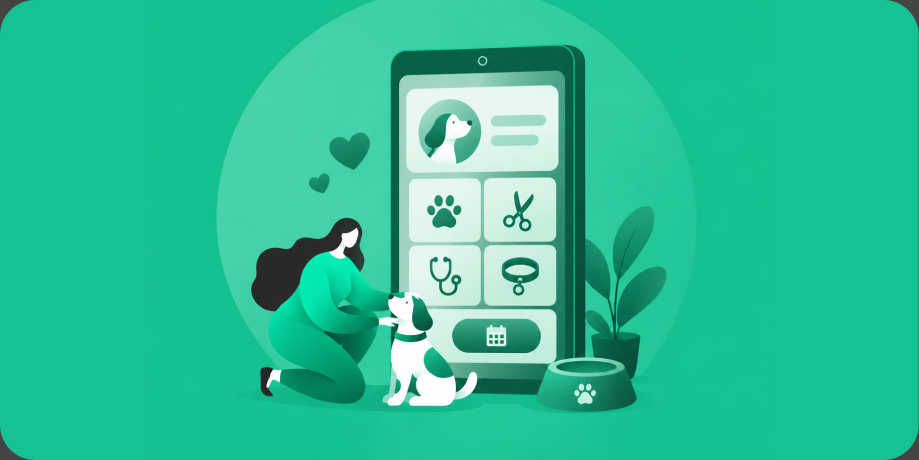
To build a pet care or pet services app in 2026, anchor it on five pillars: pet profiles with health records, service booking, veterinary telehealth, lost-pet alerting with geolocation, and commerce with subscriptions. The spending behind this category is staggering: the American Pet Products Association reports Americans spent $158 billion on their pets in 2024, with $165 billion projected for 2026 across 95 million pet-owning households. The challenge is focus, because pet owners already juggle a vet portal, a food store, a groomer’s text thread, and a paper vaccine folder. This guide to how to build a pet care or pet services app shows which pillars to combine and how to build each one properly.
Key Takeaways
- The strongest pet apps combine two or three pillars (profiles and health records, booking, telehealth, lost-pet alerts, commerce), not all five at once.
- The pet profile is your data backbone: breed, microchip, vaccinations, medications, and reminders power every other feature.
- Vet telehealth is a real-world service with state-by-state veterinary rules, and its payments route through Stripe rather than Apple In-App Purchase.
- Most pet app builds run $40,000 to $120,000, with focused minimum viable products (MVPs) from $25,000 to $60,000.
- Physical product subscriptions (food, treats, supplies) bill through your commerce stack, keeping app store commissions out of your margins.
Pick Your Pillars: What Kind of Pet App Are You Building?
Pet apps succeed by combining a daily-use feature with a revenue feature. Health records alone get opened monthly; commerce alone is a store, not an app. The winning products pair an engagement pillar (records, community, lost-pet safety) with a monetization pillar (booking, telehealth, subscriptions).
The proof is in the pairings. Alpha Paw pairs commerce with on-demand vet telehealth. PetKey pairs lost-pet recovery with a subscription and marketplace. Petland’s MyClubPet pairs health tracking with product subscriptions. Each picked two or three pillars and built them deeply, which is exactly the discipline a version one needs.
Must-Have Features When You Build a Pet Care or Pet Services App
Whatever pillars you choose, version one needs rich pet profiles, reminders that bring owners back, one clear booking or purchase flow, and push notifications that feel like care rather than marketing. Here is how each pillar breaks down.
Pet profiles and health records
The profile is the backbone: species, breed, age, weight, photos, microchip number, vaccination history, medications, allergies, and vet contacts, with reminders for shots, doses, and checkups. We built Petland’s MyClubPet around exactly this record set, including training milestones, and built PetKey’s profiles for one-tap sharing when a pet goes missing. Treat this data as sensitive: PetKey applies HIPAA-like protections, a bar worth matching even though pet data is not legally protected health information.
Service booking
Grooming, boarding, walking, training, and vet visits all reduce to the same machinery: provider calendars, time slots, deposits or prepayment, reminders, and rescheduling. If you are a marketplace, add provider profiles, reviews, and payouts through Stripe Connect. If you are a single business, your own calendar is enough, and the build gets dramatically simpler.
Vet telehealth
On-demand text, audio, and video consultations are now table stakes in premium pet care. That means secure video, a professional dashboard where vets manage appointments and patient histories, and payment per consult or by subscription. For Alpha Paw, we built live vet consultations across text, audio, and video plus a vet-side professional dashboard, and the brand logged thousands of real-time consultations in its first months. One compliance note: veterinary telemedicine rules, especially the veterinarian-client-patient relationship (VCPR) required before diagnosing or prescribing, vary by state, so scope your telehealth flows with veterinary counsel.
Lost-pet alerting and geolocation
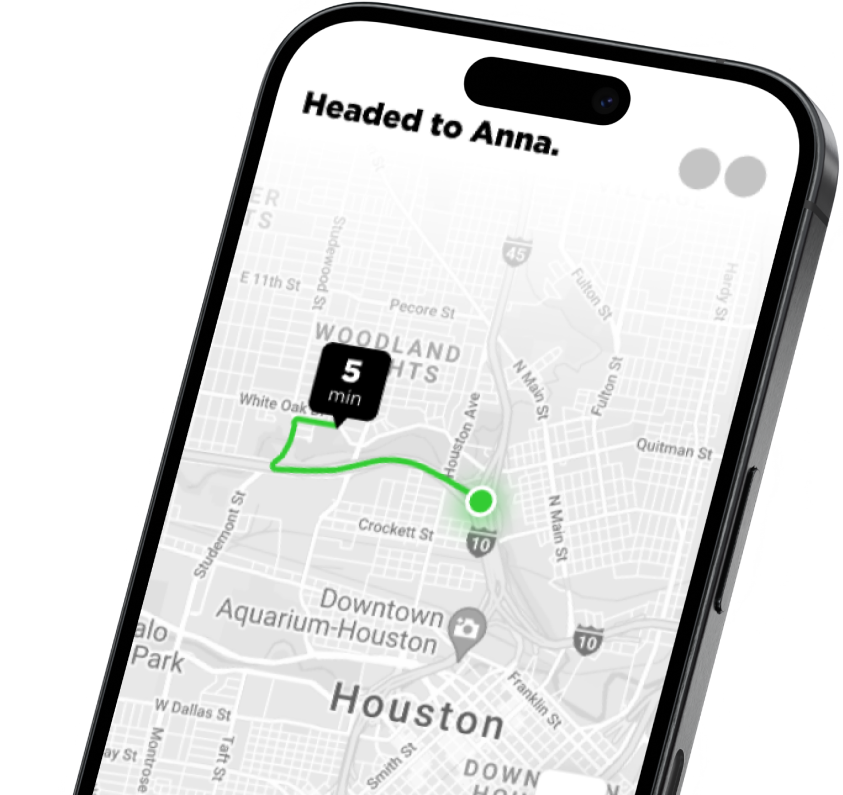
Lost-pet features turn an app into infrastructure: report a missing pet, blast geotargeted alerts to nearby users, plot sightings on a live map, and let finders message owners in-app without exposing phone numbers. PetKey’s radius alerts (25 miles for subscribers) and microchip database integration helped drive 50% faster lost-pet recovery times, and the emotional stakes make this the most shared feature in the category.
Commerce and subscriptions
Food, treats, and supplies are recurring by nature, which makes subscription commerce the natural revenue engine. Because these are physical goods, checkout runs through Stripe or your e-commerce platform rather than Apple In-App Purchase, preserving your margin. For Alpha Paw we integrated WooCommerce directly into the app (after migrating the brand off Shopify for data control), and repeat purchases rose 40%. Digital-only memberships are the exception: if a membership’s benefits are consumed entirely in-app, Apple’s rules may require store billing, so structure benefits deliberately.
Compliance and Edge Cases in Pet Apps
The pet category is friendlier than human healthcare, but four areas deserve care. Veterinary telehealth is regulated state by state, including VCPR requirements that limit diagnosis and prescribing over video. Payments split by type: physical goods and real-world services through Stripe, purely digital content through store billing. Pet health data deserves encryption and role-based access even without a legal mandate. And lost-pet alerts need anti-abuse controls (verification, rate limits, moderation) so your most emotional feature cannot be spammed.
Recommended Tech Stack for a Pet App
Our standard stack: React Native for iPhone and Android from one codebase, Node.js on the backend, PostgreSQL for profiles and bookings, Firebase for push and geolocation alerts, and Amazon Web Services (AWS) or Google Cloud Platform for hosting. Stripe powers payments and payouts, WooCommerce slots in when deep product commerce matters, and Twilio-class services cover video consultations.
The architecture principle for this category: build the pet profile as a platform object with a clean application programming interface (API), because every pillar (booking, telehealth, alerts, commerce personalization) reads from it. Get that object right in month one and each new pillar snaps in instead of forcing a rebuild.
Get Your Free 45-Minute App Roadmap
Meet 1-on-1 with our senior product team. We’ll map your MVP or enterprise app and hand you a personalized plan—clear scope, a realistic timeline, and fixed monthly costs—for iOS & Android, web, tablets & wearables, and AI.
Timeline and Cost to Build a Pet App in 2026
Across 500+ launches since 2009, pet builds price by pillar count and depth. A focused MVP (profiles, records, reminders, plus one booking or commerce flow) fits the $25,000 to $60,000 band. Most two-to-three pillar products land between $40,000 and $120,000. Full platforms with telehealth, marketplace payouts, and deep commerce run $75,000 to $150,000 or more.
| Scope | Typical cost | Typical timeline |
|---|---|---|
| Focused MVP: profiles, health records, reminders, one revenue flow | $25,000 to $60,000 | 3 to 5 months |
| Two to three pillars: booking or telehealth, alerts, subscriptions | $60,000 to $120,000 | 4 to 8 months |
| Full platform: telehealth, marketplace, commerce, admin analytics | $75,000 to $150,000+ | 6 to 12+ months |
These numbers reflect 2026 build economics: AI-assisted engineering (Claude Code and Cursor, with senior engineers reviewing every change) has cut 2020 to 2023 costs and timelines roughly in half. A clean Apple review usually clears in 24 to 48 hours, but plan about a month for a DUNS number and 2 to 3 weeks for developer accounts, registered in your own name.
Common Pitfalls in Pet App Builds
Five mistakes show up across failed pet products:
- Building all five pillars at once. Depth on two beats thin coverage of five, every time.
- No daily-use hook. Without reminders, community, or safety features, the app gets opened quarterly.
- Ignoring the provider side. Vets and groomers need dashboards as polished as the owner app, or they churn.
- Treating lost-pet features casually. False alerts and spam destroy the trust that makes alerts work.
- Underestimating commerce operations. Subscriptions mean inventory, shipping, and support, not just a buy button.
How Chop Dawg Builds Pet Products
Pet care is one of our proudest categories, with three flagship builds and measurable outcomes. For Alpha Paw, we combined WooCommerce shopping, live vet consultations, and community content: the platform reached 25,000+ monthly active users in its first quarter, lifted repeat purchases 40%, and handled thousands of real-time vet consultations in its first months. CEO Ramon von Meer called us “a truly collaborative partner in developing our mobile app,” praising “resourcefulness, effective communication, and dedication to meeting deadlines.” For PetKey, we modernized a microchip company operating since 2003 into a lost-and-found network that added 250,000+ pets in six months, cut recovery times 50%, and keeps 70%+ of users active daily outside emergencies. And for Petland, trusted since 1967, we built the MyClubPet companion with subscription management, health and training tracking, and geolocation emergency connectivity; Vice President Elizabeth Kunzelman said, “They’ve been an incredible partner in helping us bring our app idea to life.”
Those results come from a team structure built against the industry’s two classic fears: the lone American salesperson fronting hidden offshore subcontractors, and the faceless overseas shop with no US norms and no overlapping hours. Chop Dawg is US-headquartered and US-led, with Americans owning leadership, product and project management, senior development, senior design, and senior quality assurance (QA), backed by our in-house Brazilian design team and our in-house development, QA, and project management teams in Pakistan and India. Everyone is in-house, assigned to your project, fluent in English, working US hours. Choose fully American staffing or the blended team most partners prefer for the same quality at a lower budget. Organizations that have trusted Chop Dawg include Alpha Paw and Petland themselves, alongside names like Hilton and the U.S. Navy. Explore our design services and our support services to see how we carry a pet platform from concept through post-launch growth.
Frequently Asked Questions
How much does it cost to build a pet care app?
A focused MVP with pet profiles, health records, reminders, and one booking or commerce flow runs $25,000 to $60,000. Most multi-pillar pet apps land between $40,000 and $120,000, and full platforms with telehealth, marketplace payouts, and deep commerce reach $75,000 to $150,000 or more.
How long does it take to build a pet services app?
Plan 3 to 5 months for a focused MVP and 4 to 8 months for a multi-pillar product with telehealth or marketplace booking. Full platforms run 6 to 12 months or more. Add roughly a month of calendar time for DUNS registration and developer account approvals before store submission.
Is vet telehealth legal in an app?
Yes, with state-by-state boundaries. General advice and triage are broadly permitted, but diagnosing and prescribing usually require a veterinarian-client-patient relationship (VCPR), and states define when telemedicine can establish one. Build flexible consultation flows and confirm scope with veterinary counsel. Consult payments route through Stripe as real-world services.
Do pet subscriptions go through Apple In-App Purchase?
Physical subscriptions (food, treats, supplies) do not; they bill through Stripe or your commerce platform at card rates. Only digital-only memberships consumed inside the app fall under Apple In-App Purchase and Google Play Billing. Many pet brands structure memberships around physical perks and services so standard payment rails apply.
How do pet apps make money?
The proven models are product subscriptions and e-commerce, paid telehealth consultations or care memberships, booking fees or marketplace commissions on services, and premium safety tiers like expanded lost-pet alerts. The strongest pet businesses stack two models, pairing recurring commerce with a service revenue stream, exactly the pattern behind the category leaders.
Build Something Worth a Tail Wag
Pick two pillars, build the pet profile as your platform, respect the telehealth rules, and let subscriptions carry the economics. The spending is there; the apps that win simply out-care the competition. Chop Dawg has been building since 2009, now in our 18th year, with 500+ products launched, over 1 billion people using them, 92% of partners returning, and 300+ five-star reviews across trusted directories like Clutch, GoodFirms, G2, Google, and TopDevelopers. Whether you are a founder with a pet idea scribbled on a leash tag or an established pet brand ready for mobile, book your free 45-minute consultation, offered whether or not you hire us. Sniff around our success stories first; Alpha Paw, PetKey, and Petland are all there in full.




 16 Min