




















 16 Min


To build a kids or family app in 2026, you design compliance and safety into the foundation: the Children’s Online Privacy Protection Act (COPPA) governs any data you collect from children under 13, verifiable parental consent is a legal workflow you must build, and both Apple and Google enforce strict kids-category rules on ads, analytics, and content. Budgets run $25,000 to $60,000 for a focused build, more with heavy compliance scope. The audience is enormous and connected: Pew Research Center reports 95% of US teens have smartphone access and nearly half are online almost constantly, and younger siblings are right behind them. The pain: brilliant family products die in review or in court when safety is bolted on late. Build it in from day one instead.
Key Takeaways
- A kids or family app directed at children under 13, or knowingly collecting their data, falls under COPPA and must obtain verifiable parental consent before collecting personal information, including persistent identifiers.
- Apple’s Kids Category and Google Play’s Families program restrict advertising, third-party trackers, and outbound links, and require parental gates around commerce and external content.
- Parental dashboards, content filtering, moderation queues, and age-appropriate defaults are product features, not legal paperwork, and families choose apps based on them.
- A focused kids app costs $25,000 to $60,000 in 2026, with compliance-heavy or multi-role family platforms running $75,000 to $150,000 or more.
- Every third-party software development kit (SDK) you embed inherits your COPPA obligations, so audit analytics and ad libraries before they audit you.
What Counts as a Kids App Under COPPA
COPPA applies when your app is directed to children under 13, or when you have actual knowledge you are collecting personal information from a child under 13, according to the Federal Trade Commission (FTC). “Directed to children” is judged by the whole picture: subject matter, visuals, characters, music, and marketing. “Personal information” reaches further than names and emails, covering photos, voice recordings, precise location, and persistent identifiers like device IDs used for tracking.
Family apps sit in an interesting middle: a ride-coordination tool used by parents, or a baby monitor app, primarily serves adults, while a storytelling platform children watch is directed to kids. Mixed-audience products can age-screen users and apply COPPA protections only to under-13 accounts, but the screen must be neutral, not a wink-wink “born before 2013?” gate.
COPPA Requirements, Translated Into Build Tasks
Compliance reads abstract until you turn it into engineering tickets. Here is the translation we use when scoping kids products.
| COPPA requirement | What you actually build |
|---|---|
| Direct notice and privacy policy | Plain-language notices at signup plus a policy covering exactly what is collected and why |
| Verifiable parental consent | A consent workflow: credit card microcharge, signed form, knowledge-based verification, or approved ID methods |
| Data minimization | Collect only what the feature needs, and make features work without optional data |
| Parental access and deletion | A parent dashboard to review the child’s data and delete the account entirely |
| Retention limits | Automatic purging of data once its purpose is served |
| Third-party accountability | An SDK audit, because embedded analytics and ad libraries collect identifiers under your name |
Safe harbor programs like kidSAFE, referenced by the FTC, can certify your compliance approach, which soothes both regulators and app store reviewers. Penalties for getting it wrong run to civil fines per violation, per child, which is why this section sits above features in this guide.
Apple and Google Kids-App Policies
The stores enforce their own layer on top of the law. Apple’s Kids Category requires apps to ship without third-party behavioral advertising, keeps third-party analytics tightly restricted, and mandates parental gates (an adult-verification interaction) before purchases, external links, or account creation. Google Play’s Families policies require target-audience declarations, certified ad SDKs for any child-directed advertising, and content ratings that match reality. Both stores reject fast and audit continuously, and both reward genuinely compliant apps with placement in curated family sections that parents actually browse. Practical note for 2026: a clean submission is usually reviewed within 24 to 48 hours, and kids apps see extra scrutiny, so rejection cycles are your real schedule risk. Get developer accounts moving early: two to three weeks for approval, about a month for a DUNS number, in your own name.
Safety-First Features Families Actually Choose
Across 500+ launches since 2009, the pattern in family products is clear: parents pay for visibility and control, and kids stay for experiences that respect them. The winning feature set covers both.
- Parental dashboards. What the child sees, who they interact with, time spent, and controls over all three, in one screen a busy parent can scan.
- Consent and age workflows. Neutral age screening, verifiable parental consent, and guardian-managed accounts for younger kids.
- Content filtering by age band. Curation and search filtered to developmental stage, with mandatory oversight settings for the youngest users.
- Moderation infrastructure. Human review queues, word filters, reporting tools, and rate limits on social features, sized to your community.
- Safe communication defaults. Closed friend circles, approved-contact messaging, and no public discovery of minors, ever.
- Trust signals. Clear privacy language in the parent’s first session, because trust converts better than any feature tour.
Recommended Stack and Costs
We build family platforms on React Native for iOS and Android, a React web dashboard for parents and admins, a Node.js backend, and Google Cloud Platform or Amazon Web Services (AWS) with encryption at rest, role-based access, and audit logging as defaults rather than upgrades. The stack decision that matters most in this category is subtraction: fewer third-party SDKs means fewer identifier leaks and cleaner store review.
On budget: a focused kids or family app runs $25,000 to $60,000 over three to six months, with consent workflows and moderation tooling included in scope, not appended later. Multi-role platforms (child, parent, teacher or creator, admin) with live content or extensive moderation run $75,000 to $150,000 or more across six to twelve months. Design starts at $5,000 per month, clickable non-functional prototypes (NFPs) from about $10,000, development engagements from $7,500 per month, and maintenance from about $2,500 per month. AI and agent-assisted coding with senior review (Claude Code, Cursor) has roughly halved 2020 to 2023 costs, savings we recommend reinvesting in moderation and compliance depth. See our costs and pricing guide for the fixed monthly model.
Get Your Free 45-Minute App Roadmap
Meet 1-on-1 with our senior product team. We’ll map your MVP or enterprise app and hand you a personalized plan—clear scope, a realistic timeline, and fixed monthly costs—for iOS & Android, web, tablets & wearables, and AI.
Common Pitfalls in Kids App Development
- Bolting consent on after build. Retrofitting parental consent into a live data model is expensive and risky. Design it first.
- SDK contamination. A single ad or analytics library collecting device identifiers can void your compliance story. Audit every dependency.
- Fake age gates. Leading questions or easily gamed screens fail legally and in store review. Neutral gates only.
- Underscoped moderation. User content plus minors means human review queues, filters, and response workflows sized before launch, not after an incident.
- Ignoring the parent experience. The child may be the user, but the parent is the customer, the payer, and the reviewer.
How Chop Dawg Builds for Families and Minors
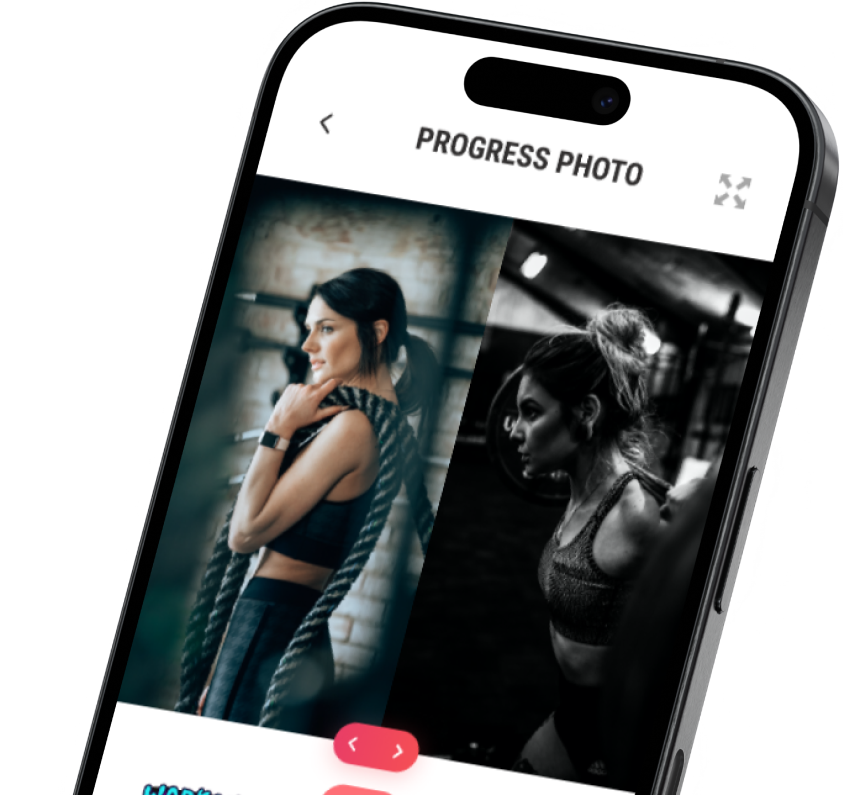
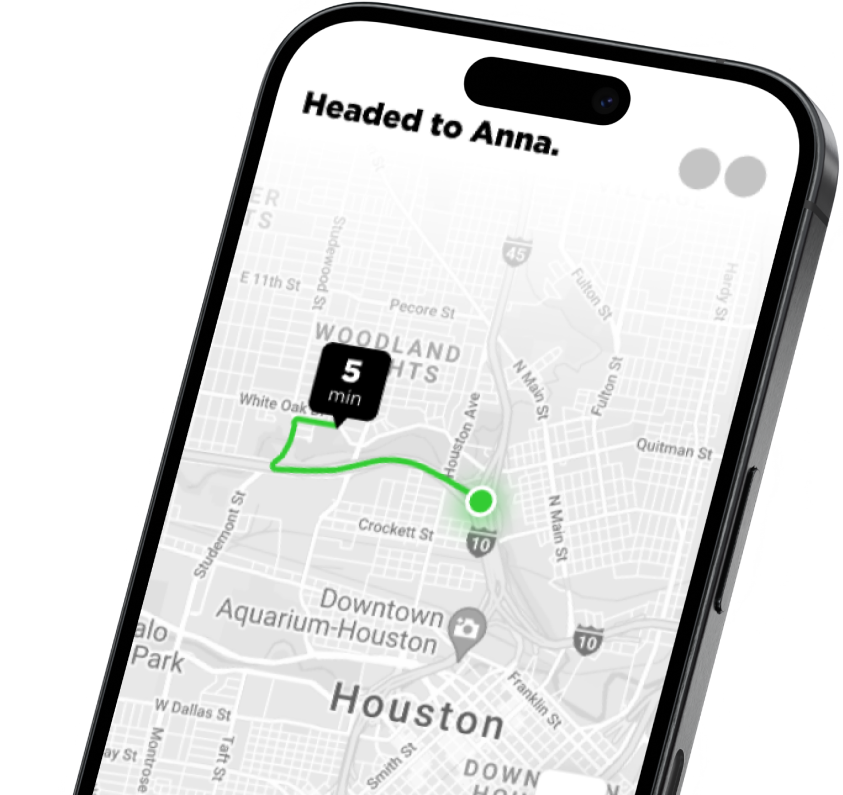
Minor-safety engineering is deep in our portfolio. For the Buddy Project, the nonprofit mental health movement with 228,000+ signups, we built age verification and parental consent workflows directly into a React Native platform, alongside interest-based matching with tight age proximity, weekly request limits, reporting queues, and admin word censoring. Founder Gabby Frost told us: “Chop Dawg has exceeded our expectations. They’re invested in the project and form strong connections with their clients. The design turned out amazing and really fits the vibe of the app… They consistently deliver everything on time or ahead of schedule, making them a reliable and committed partner for our nonprofit.” For Story-O!, a live children’s storytelling platform, we implemented age and theme filters with mandatory parental oversight for young viewers and permission-based on-camera participation. Commute My Kids pairs family ride scheduling with role-based permissions and accountability logs, and Aurio, a sensor-based baby monitor companion, holds a 4.9 average user rating after we cut false alarms by 80%. Organizations that have trusted Chop Dawg include Big Brothers Big Sisters.
The structure behind that work: US-headquartered and US-led, with Americans owning leadership, product and project management, senior development, senior design, and senior quality assurance (QA), backed by our in-house Brazilian design team and in-house development, QA, and project management teams in Pakistan and India. No subcontractors, no middlemen, just Chop Dawg employees assigned to your product, fluent in English, on US hours. That directly answers the two fears founders bring us: the American salesperson masking anonymous offshore developers, and the overseas shop with no accountability when a child-safety bug surfaces at 3 p.m. your time. Regulated and government work can run all-American, and the blended team most partners choose delivers identical quality for less. Start with strategic planning or review our proven process.
Frequently Asked Questions
How much does it cost to build a kids app?
A focused kids or family app costs $25,000 to $60,000 in 2026, including consent workflows and baseline moderation. Multi-role platforms with live content, extensive moderation, or education features run $75,000 to $150,000 or more. Compliance engineering belongs in the original scope, where it costs a fraction of retrofitting.
Does COPPA apply to my app if kids are not my target audience?
It can. COPPA covers apps directed to children under 13 and any app with actual knowledge it collects a child’s personal information. General-audience apps that attract kids should add neutral age screening and apply protections to under-13 users, a pattern regulators and both app stores expect.
What counts as verifiable parental consent under COPPA?
Accepted methods include a small credit card or payment verification, a signed consent form, knowledge-based identity questions, government ID checks, and FTC-approved facial comparison methods. The right choice balances friction against your audience: payment verification is smoothest when a purchase exists, while signed forms suit schools and nonprofits.
Can I show ads in a kids app?
Only carefully. Behavioral advertising to children is effectively off the table: Apple’s Kids Category bars third-party behavioral ads and Google Play requires certified, child-appropriate ad SDKs. Contextual ads and sponsorships remain viable, but most successful kids products monetize through subscriptions or parent-gated purchases instead.
How long does a family app take to launch?
Plan three to six months for a focused build and six to twelve for multi-role platforms, plus store logistics: developer accounts take two to three weeks, a DUNS number about a month, and kids-category review earns extra scrutiny. Clean, compliant submissions usually clear review within 24 to 48 hours in 2026.
Do I need human moderators or can AI handle safety?
Use both. Automated filters and AI classifiers catch volume in real time, while human review queues handle reports, edge cases, and anything involving a minor’s safety. Stores and regulators expect a working reporting pipeline with timely human response, so staff it before launch rather than after an incident.
Earn the Most Protective Customer on Earth
Build a kids or family app the right way (consent first, safety visible, parents in control) and you earn the loyalty of the most protective customers on the planet. Bring your concept, whether you are a founder or an established brand extending to families, to a free 45-minute consultation and we will map compliance, features, budget, and timeline, yours to keep either way. Chop Dawg has built since 2009 and is now in our 18th year: 500+ launches used by over a billion people, 92% of partners returning, and 300+ five-star reviews across trusted directories like Clutch, GoodFirms, G2, Google, and TopDevelopers. Meet the families we have built for in our success stories.



 16 Min