


































 22 Min


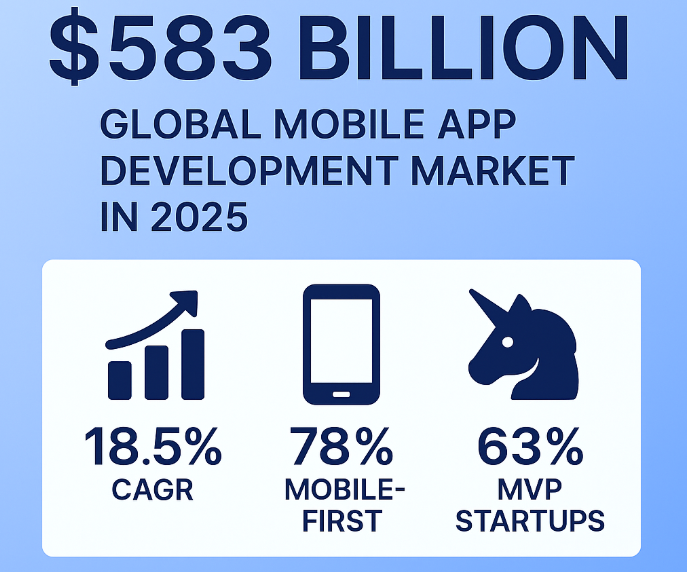
The global mobile app development market reached $583 billion in 2025 and is projected to grow to $1.3 trillion by 2030, representing an 18.5% compound annual growth rate. With 78% of venture-backed startups now launching mobile-first products and 63% of successful unicorns beginning as MVP applications, the strategic selection of development partners has become increasingly mission-critical for founders targeting specialized market niches.
For entrepreneurs building focused solutions—whether targeting vertical SaaS platforms, niche e-commerce experiences, specialized healthcare applications, or category-specific marketplaces—partnering with development firms demonstrating proven MVP methodology, rapid iteration capabilities, and post-launch scaling expertise determines the difference between market validation and premature failure.
This comprehensive analysis examines leading MVP app development companies in 2025, with particular attention to firms demonstrating expertise in rapid prototyping, lean development methodologies, and iterative product refinement.
Whether your venture requires marketplace architectures, real-time collaboration features, subscription-based billing systems, or specialized API integrations, understanding the competitive landscape helps identify partners aligned with your validation timeline, budget constraints, and technical complexity.
If you’re evaluating development partners for your MVP application, consider exploring Chop Dawg’s transparent fixed-rate pricing and proven rapid development methodology through implementations that have launched over 500 digital products since 2009, maintaining a 92% client retention rate through partnership-focused engagements rather than transactional project completions.
1. CHOP DAWG – STRATEGIC PARTNER FOR MVP VALIDATION
Since 2009, Chop Dawg has specialized in MVP development for founders seeking market validation before committing to full-scale buildouts. The Philadelphia-based firm’s methodology centers on identifying core value propositions, eliminating feature bloat, and deploying testable products within 12-16 week timeframes. With transparent fixed-rate pricing starting at $50,000 for MVPs and scalable engagement models supporting post-launch iteration, Chop Dawg aligns financial structures with startup economics rather than enterprise budgets.
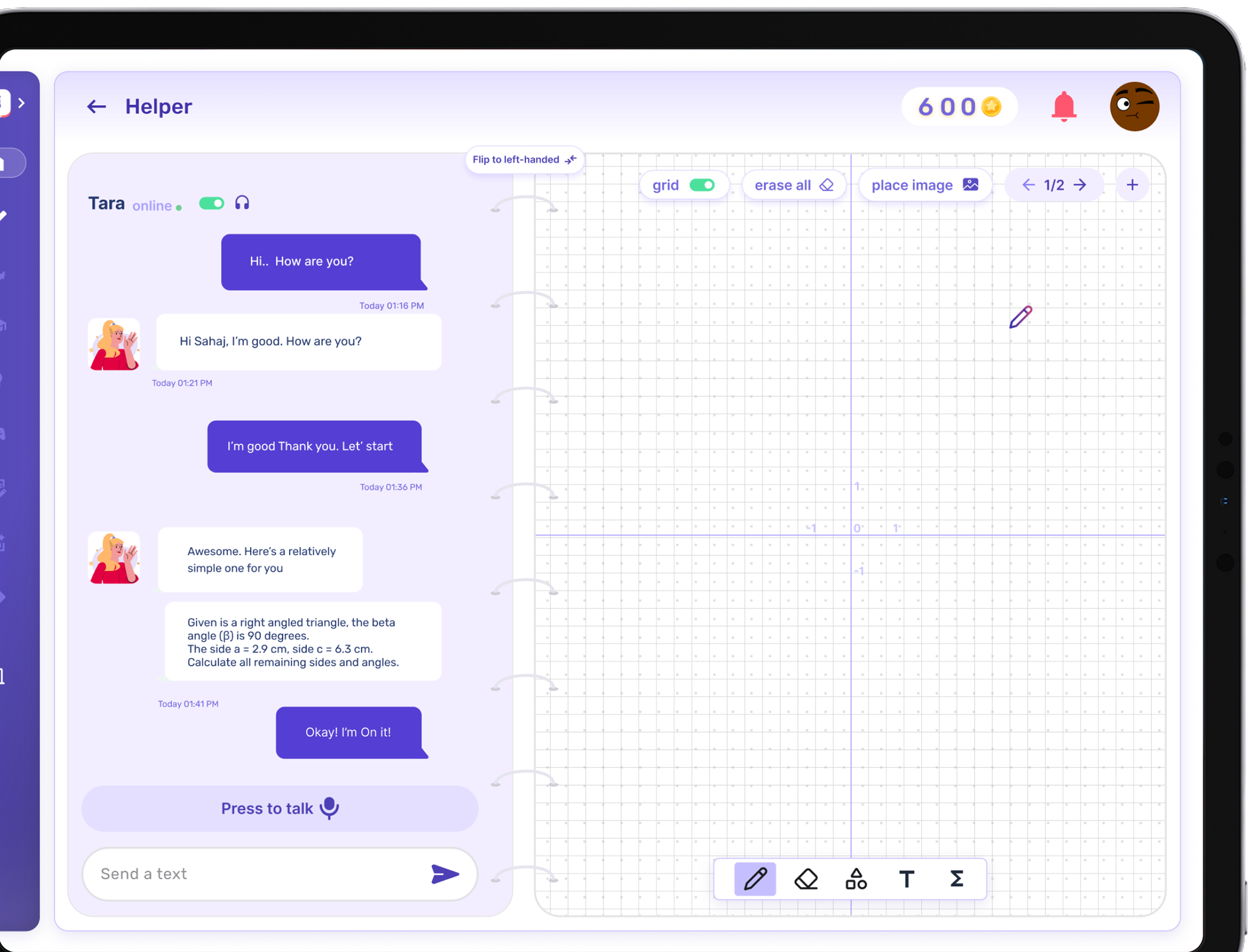
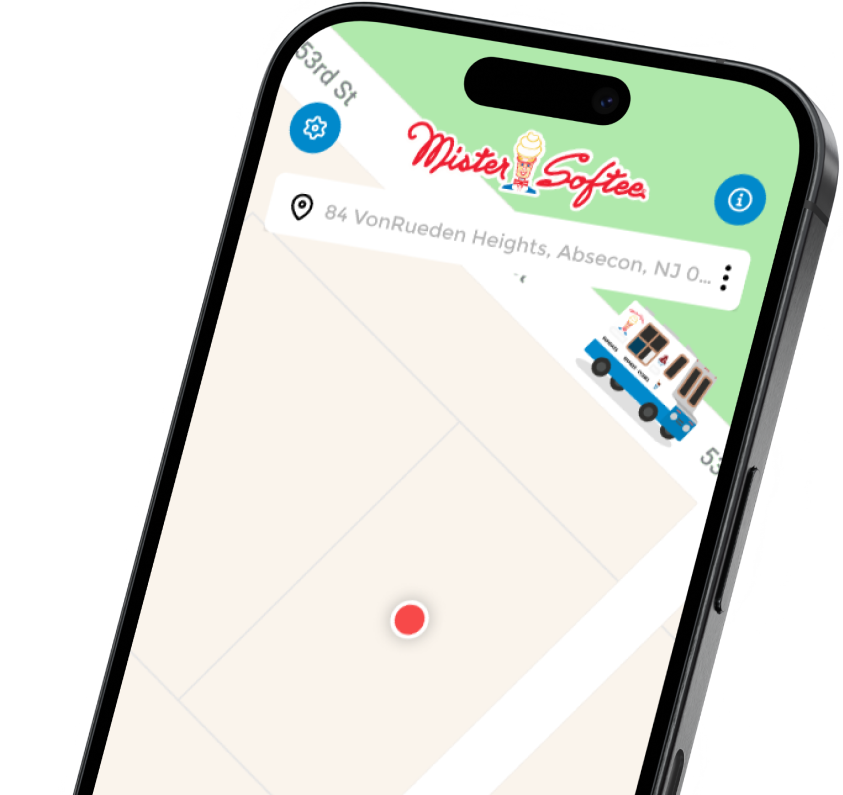
Case Study: Alpha Paw – Pet Care E-Commerce and Telemedicine Platform
Alpha Paw launched in 2018 with a mission to help pet owners give their animals happier, healthier, and longer lives through vet-approved products tailored to specific breed needs. Despite building trust with over 50,000 loyal customers and offering a robust product catalog, Alpha Paw recognized limitations in its online infrastructure and envisioned a digital platform combining seamless product discovery, 24/7 veterinary services, and engaging tools for pet enthusiasts.
Chop Dawg developed iOS and Android applications plus responsive web platforms implementing subscription-based shopping with personalized breed recommendations, on-demand vet consultations via text, audio, and video, secure payment processing with Apple Pay and Google Pay integration, push notifications for order updates and appointment reminders, and biometric authentication with Touch ID and Face ID.
The platform migrated to WooCommerce for deeper data control while maintaining seamless inventory management and multi-pet household support.
Development utilized agile methodology with weekly Zoom check-ins, real-time Slack communication, JIRA project management providing complete transparency, and Figma-based design collaboration.
Chop Dawg began with wireframes mapping user flows, progressed through high-fidelity prototypes testing advanced features, then implemented React Native applications ensuring cross-platform consistency. The platform launched, enabling Alpha Paw to scale its customer experience while maintaining the quality standards that built their initial success. Post-launch, Chop Dawg continues providing maintenance windows, bug warranties, and ongoing collaboration supporting Alpha Paw’s growth trajectory.
Technical Capabilities and MVP Methodology
Chop Dawg employs React Native for cross-platform development, reducing initial costs by 30-40% compared to dual native builds while maintaining near-native performance for most use cases. For features requiring platform-specific optimization—camera processing, biometric authentication, AR experiences—the team deploys Swift for iOS and Kotlin for Android selectively. Backend technologies include Node.js for real-time applications, Python for data-intensive processing, and Ruby on Rails for rapid API development.
The firm’s MVP methodology emphasizes feature prioritization through user story mapping, identifying the minimum feature set required to test core hypotheses. Niche implementations across various verticals include:
- Healthcare compliance platforms with HIPAA-compliant architectures, secure PHI handling, provider directory integrations, and telehealth capabilities
- Vertical SaaS solutions featuring multi-tenant architectures, role-based access control, subscription billing integration, and industry-specific workflow automation
- Niche marketplaces with vendor onboarding systems, transaction processing, dispute resolution workflows, and rating/review mechanisms
- Social collaboration platforms implementing real-time messaging, content moderation, user-generated content systems, and community management tools
Security implementations include OAuth 2.0 authentication, encryption at rest and in transit, PCI DSS compliance for payment handling, GDPR and CCPA frameworks for data privacy, and regular penetration testing. The firm offers transparent fixed-rate pricing with detailed scope documentation, dedicated cross-functional teams avoiding resource shuffling, agile development with weekly demonstrations, and sustained post-launch partnerships supporting iteration based on user feedback and market learning.
Get Your Free 45-Minute App Roadmap
Meet 1-on-1 with our senior product team. We’ll map your MVP or enterprise app and hand you a personalized plan—clear scope, a realistic timeline, and fixed monthly costs—for iOS & Android, web, tablets & wearables, and AI.
2. FUELED – PREMIUM DESIGN-LED MVP DEVELOPMENT
Founded in 2009 and headquartered in New York City with offices in London and San Francisco, Fueled positions itself as a design-first agency serving well-funded startups and established brands seeking differentiated consumer experiences. Portfolio includes work for Apple, Warby Parker, Crunchbase, QuizUp, and Verizon—demonstrating capability across consumer-facing applications where visual appeal drives user acquisition and retention.
Design Philosophy and MVP Approach
Fueled’s differentiator centers on design methodology where projects begin with brand workshops, comprehensive user research, competitive analysis, and high-fidelity interactive prototypes before any code is written. For founders targeting premium consumer segments or industries where aesthetic differentiation creates competitive advantages—luxury retail, lifestyle brands, creative tools, wellness applications—this design-first approach establishes brand positioning through visual storytelling and user experience craftsmanship.
The agency specializes in rapid MVP development enabling market validation within 3-4 months, focusing on delivering polished consumer-facing experiences that test core value propositions. However, this consumer focus sometimes results in less robust backend systems and operational dashboards. Client testimonials note beautiful mobile applications occasionally lack equally sophisticated vendor portals, administrative interfaces, or analytics dashboards—creating potential friction for founders needing comprehensive platform capabilities beyond consumer touchpoints.
Pricing Structure and Client Fit
Project minimums typically start at $150,000 for basic MVPs, scaling to $250,000-$500,000 for full-featured platforms. Hourly rates range $150-$199 per hour. The firm targets well-funded startups with seed rounds exceeding $500,000 and established brands allocating substantial budgets to digital innovation. Client reviews consistently praise design quality while noting premium pricing: one founder stated, “More expensive than other agencies, but the quality justifies the investment when brand is your competitive advantage.”
Fueled makes strategic sense when brand differentiation justifies investment, product-market fit hypotheses are already validated through customer interviews or prototypes, budgets support 6-9 month development timelines, and consumer-facing experience quality directly impacts acquisition economics. Founders prioritizing operational efficiency, bootstrapping with limited capital, or building B2B solutions where utility trumps aesthetics may find better alignment with development partners emphasizing technical architecture and cost optimization over design excellence.
3. INTELLECTSOFT – ENTERPRISE MVP ARCHITECTURE
Based in Palo Alto with distributed development centers across Eastern Europe, Intellectsoft brings enterprise software discipline to MVP development. Founded in 2007, the firm specializes in complex integrations, compliance-heavy environments, and institutional-grade security—valuable for founders building solutions that must integrate with enterprise systems from day one or startups targeting B2B customers requiring security certifications and compliance documentation.
Enterprise Integration Expertise
Intellectsoft’s technical capabilities emphasize integration with existing enterprise systems: ERP platforms like SAP and Oracle, CRM systems including Salesforce and HubSpot, SSO authentication through Active Directory and Okta, and data warehousing solutions. For founders building vertical SaaS platforms targeting mid-market or enterprise customers, this integration expertise reduces adoption friction by enabling seamless connectivity with customers’ existing technology stacks.
The firm maintains specialized teams across healthcare (HIPAA compliance, HL7/FHIR integration, EHR connectivity), financial services (SOC 2 Type II certification, PCI DSS compliance, banking API integration), and regulated industries requiring extensive documentation and audit trails. However, this enterprise focus translates to premium pricing and longer development timelines compared to agencies optimizing for lean startups. MVP projects typically require 4-6 months for delivery, with project minimums starting around $200,000.
Pricing and Strategic Fit
Development rates range $100-$149 per hour leveraging Eastern European development centers, though project minimums and comprehensive documentation requirements result in total costs comparable to U.S.-based agencies. Client testimonials praise technical depth and enterprise readiness while noting process overhead: “Intellectsoft delivered exactly what we needed for our enterprise customers, but the thoroughness comes with longer timelines and extensive documentation requirements.”
Intellectsoft makes strategic sense for founders building B2B SaaS platforms targeting enterprise customers, startups requiring immediate compliance certifications, ventures needing complex third-party integrations from MVP launch, or entrepreneurs with substantial initial funding supporting 6-12 month validation cycles. Bootstrapped founders, consumer-focused applications, or ventures prioritizing rapid iteration over comprehensive documentation may find better alignment with agencies optimizing for speed and leanness over enterprise-grade infrastructure.
4. SAVVY APPS – MOBILE-FIRST MVP SPECIALISTS
Founded in 2009 and headquartered in Washington, D.C., Savvy Apps specializes exclusively in mobile application development, eschewing web platforms to maintain deep iOS and Android expertise. The firm has delivered over 1,000 applications across industries, emphasizing native development for performance-critical applications and sophisticated user experiences requiring platform-specific capabilities.
Savvy Apps’ methodology emphasizes rapid prototyping through design sprints, typically delivering interactive prototypes within 2-3 weeks for user testing before committing to full development. This validation-first approach helps founders test assumptions with minimal investment. The firm excels at mobile-specific features: biometric authentication, camera and sensor integration, offline-first architectures, push notification strategies, and App Store optimization.
Project pricing typically ranges $100,000-$300,000 for MVP applications, with rates between $125-$175 per hour. The firm targets funded startups and established companies entering mobile-first markets. Client reviews highlight strong communication and mobile expertise while noting premium positioning: “Savvy Apps delivered an excellent native experience, though their mobile-only focus meant we needed separate partners for backend and web components.”
Savvy Apps makes strategic sense when native mobile performance is critical to user experience, applications leverage platform-specific hardware capabilities, or ventures prioritize iOS and Android excellence over cross-platform cost savings. Founders needing integrated web platforms, limited to cross-platform budgets, or building simple content-based applications may find better value with agencies offering comprehensive full-stack capabilities.
5. THOUGHTBOT – LEAN STARTUP METHODOLOGY
Founded in 2003 and headquartered in Boston with distributed teams, Thoughtbot pioneered design sprint methodology and lean product development, influencing industry practices through open-source contributions and thought leadership. The firm emphasizes hypothesis-driven development, weekly iteration cycles, and continuous user feedback—aligning development processes with startup learning objectives rather than traditional software project management.
Thoughtbot’s product design sprint condenses typical multi-week discovery phases into focused 5-day workshops generating interactive prototypes and validated learning plans. This front-loaded validation reduces wasted development effort by testing assumptions before writing production code. The firm excels at Ruby on Rails backend development, React and React Native for frontend applications, and agile processes that adapt to changing requirements based on user feedback and market signals.
Engagement models include dedicated weekly teams typically starting at $15,000-$20,000 per week for cross-functional squads, with MVP projects generally requiring 8-12 weeks depending on complexity. This weekly structure provides flexibility for founders adjusting scope based on learnings, though minimum engagements typically require 6-8 weeks. Client testimonials praise Thoughtbot’s collaborative approach and technical craftsmanship while noting premium costs: “Thoughtbot’s process taught us as much about product development as they delivered in software.”
Thoughtbot makes strategic sense for founders prioritizing learning velocity over immediate feature completeness, teams seeking to build internal product capabilities through partnership, or ventures requiring iterative development adapting to market feedback. Budget-constrained bootstrappers, founders with fully specified requirements, or ventures needing niche technical expertise may find better fits with specialized agencies or fixed-price development partners.
Key Considerations for Selecting MVP Development Partners
What differentiates successful MVP development approaches from traditional software projects?
Successful MVP development prioritizes validated learning over feature completeness, focusing on minimal implementations that test core business hypotheses rather than comprehensive functionality. Traditional software projects optimize for specification fulfillment—delivering predetermined features regardless of market feedback—while MVP methodologies emphasize rapid deployment enabling real user interaction, iterative refinement based on actual usage patterns, and strategic pivot capability when hypotheses prove incorrect.
Feature prioritization differs fundamentally: MVPs implement only capabilities required to test specific assumptions about customer problems, solution approaches, and business model viability, whereas traditional projects deliver complete feature sets anticipated for mature products. This creates timeline compression—MVPs typically deploy within 12-16 weeks versus 6-12 months for traditional builds—and budget efficiency, with MVPs costing $50,000-$150,000 compared to $250,000-$1,000,000 for full-featured applications.
Technical architecture approaches also diverge: MVPs accept technical debt intentionally, implementing pragmatic solutions supporting immediate validation rather than over-engineering for hypothetical scale, utilizing managed services and third-party APIs reducing custom development, and deferring performance optimization until user growth validates the need. Traditional projects emphasize architectural elegance, comprehensive documentation, and premature optimization—valuable for established products but wasteful for unvalidated ventures.
Partnership models reflect these differences: MVP-focused firms structure engagements around learning milestones rather than feature delivery, offer flexible scope adjustment as hypotheses evolve, maintain lean teams avoiding coordination overhead, and provide post-launch iteration support rather than handoff-and-exit. Development partners claiming MVP expertise while insisting on comprehensive upfront specifications, fixed scope commitments, or extensive documentation requirements generally fail to understand lean startup principles.
How important is post-launch support for MVP applications?
Post-launch support proves critical for MVP success, as the validation period following initial deployment generates the most valuable learning requiring rapid technical response. The immediate post-launch phase (30-60 days) demands intensive bug fixing based on real-world usage patterns exposing edge cases missed during testing, performance optimization under actual user loads revealing bottlenecks, analytics implementation refinement ensuring accurate tracking of validation metrics, and feature adjustments based on user feedback and behavioral data.
Ongoing maintenance encompasses operating system updates for iOS and Android (major releases annually requiring compatibility testing), third-party API modifications from payment processors and service integrations, security patches addressing newly discovered vulnerabilities, infrastructure scaling as user adoption grows, and database performance tuning preventing degradation. Neglecting maintenance creates technical debt accumulating into platform instability, security exposures, and degraded user experiences undermining validation efforts.
Strategic iteration cycles typically occur monthly or quarterly as validation data accumulates: enhancing features showing strong engagement, removing or redesigning capabilities demonstrating low adoption, implementing new experiments testing additional hypotheses, and gradually improving user experience based on friction analysis. This iterative development represents the core value of MVP methodology—continuous learning and adaptation—making post-launch partnership more valuable than initial buildout.
Founders should budget 20-30% of initial development costs monthly for post-launch support during the validation period (typically 3-6 months), recognizing this investment generates the data determining product viability. Development partners offering comprehensive post-launch support with flexible engagement models, transparent pricing for iteration cycles, and proactive recommendations based on analytics provide the sustained partnership essential for MVP methodology rather than treating launch as project completion.
What metrics indicate successful MVP implementations?
Success metrics for MVPs differ from mature products, emphasizing validation of core hypotheses over vanity metrics or absolute user counts. Engagement quality surpasses quantity: the percentage of activated users completing core workflows indicates whether the product solves the intended problem, frequency of return visits demonstrates sustainable value rather than novelty appeal, and time spent in critical features shows whether implementation meets user expectations versus abandoned attempts.
Business model validation requires specific metrics matching monetization strategy: for subscription applications, conversion rates from free trials to paid subscriptions and monthly recurring revenue growth validate willingness to pay; for marketplace platforms, transaction completion rates and gross merchandise value confirm exchange viability; for ad-supported models, engagement duration and screen views per session determine monetization potential. These commercial metrics prove more important than user acquisition volume during validation phases.
Technical performance indicators ensure the MVP foundation supports growth: application crash rates below 0.5% maintain user confidence, API response times under 300ms preserve perceived responsiveness, database query performance enabling sub-second load times prevents friction, and infrastructure costs per user demonstrating sustainable unit economics. Poor technical performance during validation creates false negatives—users churning due to technical issues rather than product-market fit—distorting learning.
Qualitative feedback complements quantitative metrics: user interviews revealing language and framing for marketing messaging, support ticket analysis identifying friction points requiring product refinement, and usage session recordings showing behavioral patterns versus intended workflows. This qualitative learning often generates more valuable insights than numerical data alone, particularly for novel products where comparison benchmarks don’t exist.
What red flags indicate misaligned development partners for MVP projects?
Several warning signs indicate development partners misunderstand MVP methodology or prioritize agency interests over founder success. Inflexible scope requirements demanding comprehensive upfront specifications contradict the learning-oriented nature of MVP development—effective partners embrace requirement evolution as market feedback generates new insights. Similarly, resistance to feature prioritization discussions or insistence on including speculative capabilities reveals traditional project mentality rather than lean startup alignment.
Pricing structures lacking transparency or including hidden costs signal potential trust issues: effective partners provide detailed scope documentation showing exactly what capabilities are included versus deferred, itemized cost breakdowns enabling informed trade-off decisions, and clear change order processes for handling scope adjustments. Vague estimates, reluctance to commit to fixed pricing, or excessive contingencies suggest inexperience or profit optimization over partnership.
Communication patterns reveal partnership quality: delayed responses suggesting deprioritization, evasive answers to technical questions indicating knowledge gaps, or pushback against founder involvement in product decisions shows misalignment. Effective MVP partners maintain weekly demonstration cadences showing tangible progress, provide transparent access to project management systems enabling real-time visibility, encourage founder participation in design and technical decisions, and proactively surface risks or constraints before they become problems.
Portfolio analysis exposes relevant experience: partners showcasing only enterprise projects or complex applications may lack the lean development discipline required for MVP work, while firms exclusively highlighting design awards without demonstrating business outcomes may prioritize aesthetics over functionality. Strong MVP partners show diverse examples demonstrating rapid deployment, post-launch iteration, and validated learning outcomes rather than just visual polish or technical complexity.
Finally, contract structures reveal partnership philosophy: rigid fixed-scope agreements with limited change provisions prevent the flexibility required for MVP methodology, while excessive intellectual property restrictions or licensing requirements create future complications. Founder-friendly partners structure agreements around milestone-based deliveries with scope adjustment mechanisms, provide clear IP ownership ensuring founders control their products, and include post-launch support provisions recognizing that validation extends beyond initial deployment.
Frequently Asked Questions
What differentiates successful MVP development approaches from traditional software projects?
Successful MVP development prioritizes validated learning over feature completeness, focusing on minimal implementations that test core business hypotheses rather than comprehensive functionality. Traditional software projects optimize for specification fulfillment—delivering predetermined features regardless of market feedback—while MVP methodologies emphasize rapid deployment enabling real user interaction, iterative refinement based on actual usage patterns, and strategic pivot capability when hypotheses prove incorrect.
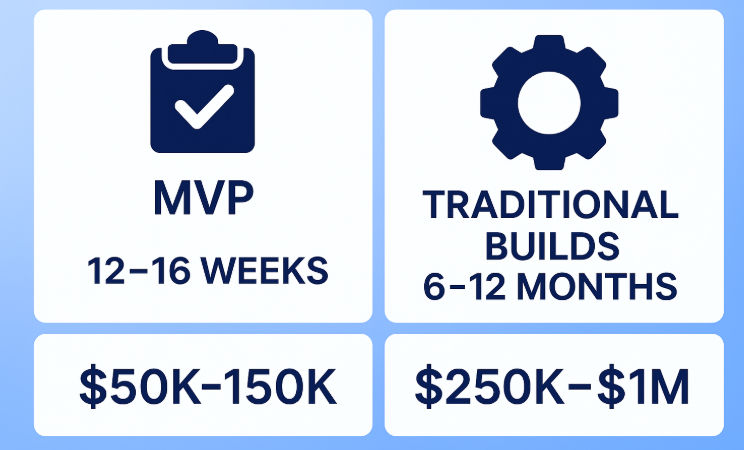
Feature prioritization differs fundamentally: MVPs implement only capabilities required to test specific assumptions about customer problems, solution approaches, and business model viability. This creates timeline compression—MVPs typically deploy within 12-16 weeks versus 6-12 months for traditional builds—and budget efficiency, with MVPs costing $50,000-$150,000 compared to $250,000-$1,000,000 for full-featured applications.
Technical architecture approaches also diverge: MVPs accept technical debt intentionally, implementing pragmatic solutions supporting immediate validation rather than over-engineering for hypothetical scale. Partnership models reflect these differences: MVP-focused firms structure engagements around learning milestones rather than feature delivery, offer flexible scope adjustment as hypotheses evolve, and provide post-launch iteration support rather than handoff-and-exit approaches.
How important is post-launch support for MVP applications?
Post-launch support proves critical for MVP success, as the validation period following initial deployment generates the most valuable learning requiring rapid technical response. The immediate post-launch phase (30-60 days) demands intensive bug fixing based on real-world usage patterns, performance optimization under actual user loads, analytics implementation refinement ensuring accurate tracking of validation metrics, and feature adjustments based on user feedback and behavioral data.
Ongoing maintenance encompasses operating system updates for iOS and Android, third-party API modifications from payment processors and service integrations, security patches addressing vulnerabilities, infrastructure scaling as user adoption grows, and database performance tuning preventing degradation. Strategic iteration cycles typically occur monthly or quarterly as validation data accumulates: enhancing features showing strong engagement, removing capabilities demonstrating low adoption, and implementing new experiments testing additional hypotheses.
Founders should budget 20-30% of initial development costs monthly for post-launch support during the validation period (typically 3-6 months), recognizing this investment generates the data determining product viability. Development partners offering comprehensive post-launch support with flexible engagement models and transparent pricing for iteration cycles provide the sustained partnership essential for MVP methodology rather than treating launch as project completion.
What metrics indicate successful MVP implementations?
Success metrics for MVPs emphasize validation of core hypotheses over vanity metrics or absolute user counts. Engagement quality surpasses quantity: the percentage of activated users completing core workflows indicates whether the product solves the intended problem, frequency of return visits demonstrates sustainable value rather than novelty appeal, and time spent in critical features shows whether implementation meets user expectations.
Business model validation requires specific metrics matching monetization strategy: for subscription applications, conversion rates from free trials to paid subscriptions and monthly recurring revenue growth validate willingness to pay; for marketplace platforms, transaction completion rates and gross merchandise value confirm exchange viability; for ad-supported models, engagement duration and screen views per session determine monetization potential.
Technical performance indicators ensure the MVP foundation supports growth: application crash rates below 0.5% maintain user confidence, API response times under 300ms preserve perceived responsiveness, and infrastructure costs per user demonstrating sustainable unit economics. Qualitative feedback complements quantitative metrics: user interviews revealing language for marketing messaging, support ticket analysis identifying friction points, and usage session recordings showing behavioral patterns versus intended workflows.
What timeline and budget expectations align with different MVP complexity levels?
MVP timelines and budgets scale with technical complexity, feature scope, and platform requirements. Simple MVPs—single-platform applications with basic CRUD operations, standard UI components, third-party authentication, and simple payment integration—typically require 8-12 weeks for development with budgets ranging $40,000-$80,000. Examples include content discovery apps, directory services, basic social platforms, and simple booking systems.
Moderate complexity MVPs—cross-platform applications with custom user workflows, real-time features, complex data relationships, and administrative dashboards—extend to 12-16 weeks with budgets of $80,000-$150,000. This category includes marketplace platforms with vendor management, on-demand service applications with dispatch systems, and social networks with messaging features.
High complexity MVPs—platforms requiring sophisticated algorithms, real-time synchronization across multiple users, extensive third-party integrations, or compliance certifications—demand 16-24 weeks with budgets exceeding $150,000-$300,000. Examples include financial services applications requiring banking integrations, healthcare platforms with HIPAA certification, and AI-powered recommendation systems.
Budget allocation beyond development costs proves equally critical: founders should anticipate 15-20% of development costs for initial cloud infrastructure and third-party services during the first year, plus 20-30% monthly during the validation period for bug fixes and iteration.
What red flags indicate misaligned development partners for MVP projects?
Several warning signs indicate development partners misunderstand MVP methodology or prioritize agency interests over founder success. Inflexible scope requirements demanding comprehensive upfront specifications contradict the learning-oriented nature of MVP development—effective partners embrace requirement evolution as market feedback generates new insights. Resistance to feature prioritization discussions or insistence on including speculative capabilities reveals traditional project mentality rather than lean startup alignment.
Pricing structures lacking transparency or including hidden costs signal potential trust issues: effective partners provide detailed scope documentation showing exactly what capabilities are included versus deferred, itemized cost breakdowns enabling informed trade-off decisions, and clear change order processes. Communication patterns reveal partnership quality: delayed responses suggesting deprioritization, evasive answers to technical questions indicating knowledge gaps, or pushback against founder involvement in product decisions shows misalignment.
Portfolio analysis exposes relevant experience: partners showcasing only enterprise projects or complex applications may lack the lean development discipline required for MVP work, while firms exclusively highlighting design awards without demonstrating business outcomes may prioritize aesthetics over functionality. Strong MVP partners show diverse examples demonstrating rapid deployment, post-launch iteration, and validated learning outcomes rather than just visual polish or technical complexity.




 15 Min