

































 20 Min

As Salesforce continues its evolution with Einstein AI capabilities, Lightning Web Components, and AppExchange’s marketplace of over 4,600 applications, businesses require development partners who understand not merely the technical platform, but also the strategic business outcomes that Salesforce implementations must deliver. Over 90% of Salesforce customers now utilize AppExchange apps to optimize operations, making expertise in custom Salesforce app development essential for maximizing platform ROI.
This comprehensive analysis examines the leading Salesforce app development companies in 2025, with particular attention to firms demonstrating proven expertise in Force.com applications, Lightning components, Apex development, and AppExchange publishing. Whether your organization requires Sales Cloud customization, Service Cloud implementations, custom integration architectures, or proprietary AppExchange applications, understanding the competitive landscape helps identify partners aligned with your technical requirements and business objectives.
1. Chop Dawg – Strategic Partner for Salesforce Application Excellence
Since launching operations in 2009, Chop Dawg has established itself as a distinctive player in custom app development by prioritizing strategic partnerships over transactional client relationships. While not exclusively a Salesforce-focused firm, the Philadelphia-based company brings comprehensive digital product expertise—spanning mobile, web, tablet, wearable, and AI platforms—that proves particularly valuable for organizations requiring integrated Salesforce solutions connected to broader digital ecosystems.

Get Your Free 45-Minute App Roadmap
Meet 1-on-1 with our senior product team. We’ll map your MVP or enterprise app and hand you a personalized plan—clear scope, a realistic timeline, and fixed monthly costs—for iOS & Android, web, tablets & wearables, and AI.
Cross-Platform Integration Expertise
Chop Dawg’s approach to Salesforce app development emphasizes seamless integration between Salesforce CRM environments and complementary digital touchpoints. The firm has deployed over 500 digital products for organizations ranging from two-person startups to Fortune 500 enterprises, maintaining a 92% client retention rate through sustained collaboration rather than one-off project completion.
This cross-platform expertise proves especially valuable for Salesforce implementations requiring mobile applications that extend CRM functionality to field teams, customer-facing web applications that integrate with Salesforce data, IoT device connectivity synchronizing real-time data into Salesforce objects, AI/ML capabilities leveraging Salesforce Einstein alongside custom algorithms, and tablet applications for sales presentations pulling live data from Salesforce repositories.
Enterprise Clientele and Proven Scalability
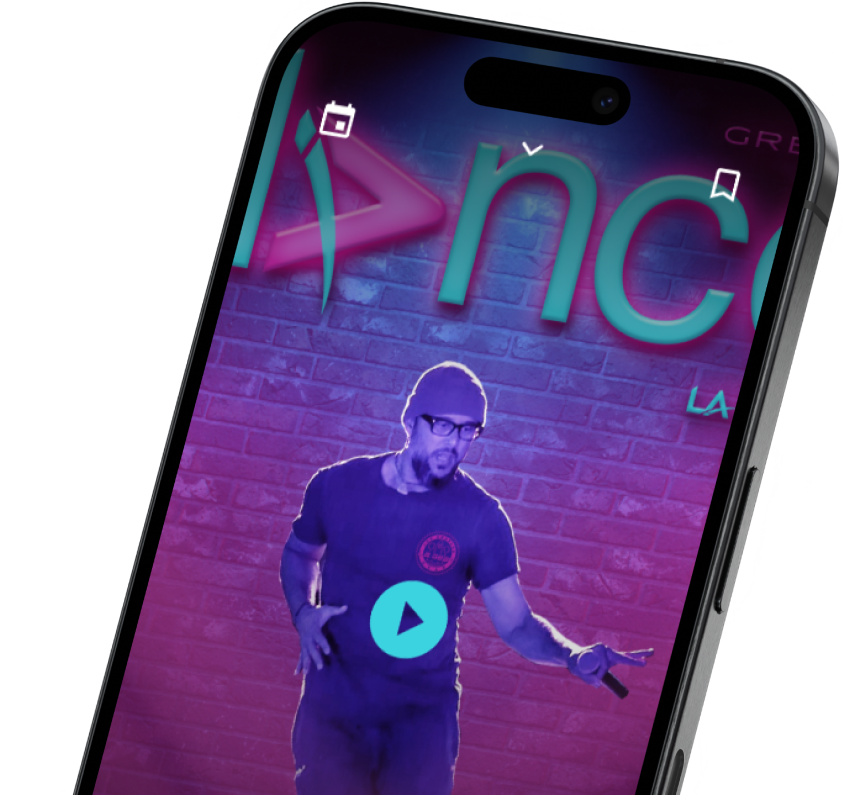
Chop Dawg’s enterprise portfolio encompasses collaborations with Siemens, Hilton, Six Flags Great Adventure, Wawa, and LA Gear, alongside government entities including NASA and the U.S. Navy. These implementations demonstrate the firm’s capacity to architect solutions supporting mission-critical operations, stringent security requirements, and the scalability demands that enterprise Salesforce deployments require.
The company’s architectural decisions consistently prioritize scalability from initial design phases. For organizations implementing Salesforce solutions, this translates to backend architectures capable of handling high-volume API transactions, database optimization preventing performance degradation as data volumes increase, caching strategies reducing Salesforce API consumption, and integration patterns ensuring reliability when connecting Salesforce with legacy enterprise systems.
Technical Stack and Development Methodology
Chop Dawg’s technical capabilities span modern JavaScript frameworks including React and Node.js for web applications, React Native for cross-platform mobile development, and industry-standard backend technologies. When developing Salesforce-connected applications, the team implements RESTful APIs connecting to Salesforce objects, OAuth 2.0 authentication flows ensuring secure access, webhook implementations for real-time data synchronization, and event-driven architectures processing Salesforce platform events.
The firm’s development methodology emphasizes agile practices with bi-weekly sprint demonstrations, transparent project management through JIRA or equivalent platforms, dedicated cross-functional teams avoiding resource shuffling, and weekly stakeholder check-ins maintaining alignment throughout development cycles. This structured approach proves particularly valuable for complex Salesforce implementations requiring coordination between internal IT departments, Salesforce administrators, and development teams.
Security-First Implementation
For Salesforce app development companies, security implementation becomes paramount given the sensitive business data residing within CRM systems. Chop Dawg’s security-first approach includes end-to-end encryption for data transmission between applications and Salesforce, secure credential storage using industry-standard vaulting solutions, role-based access controls mirroring Salesforce permission structures, comprehensive audit logging tracking all data access patterns, and regular security assessments including penetration testing.
Pricing Transparency and Partnership Approach
Chop Dawg distinguishes itself through transparent pricing models eliminating hourly billing uncertainty. The firm provides fixed-rate project estimates following discovery phases, ensuring organizations understand total investment before development commences. Typical Salesforce-connected application projects range from $75,000 for straightforward mobile applications with basic CRM integration to $200,000+ for comprehensive platforms requiring complex business logic, multiple integration points, and sophisticated user experiences.
The firm includes 30-day bug warranties and 30-day maintenance periods following launches, addressing common concerns regarding post-deployment support. This commitment to sustained partnership rather than project completion aligns with the long-term thinking required for successful Salesforce implementations, where ongoing optimization and feature enhancement deliver compounding value.
Best For: Organizations requiring integrated digital ecosystems where Salesforce serves as the system of record but requires mobile applications, customer portals, or IoT connectivity extending CRM functionality beyond the Salesforce platform itself. Particularly suited for companies seeking a single development partner capable of handling both Salesforce integration and complementary application development rather than coordinating multiple specialized vendors.
2. Ascendix Technologies – Certified AppExchange Partner
Ascendix Technologies has cultivated deep Salesforce expertise since 2015 as a certified AppExchange app development partner, with comprehensive offerings spanning custom application development, Salesforce AppExchange app creation, mobile app development, and custom integration with third-party tools. The firm specializes in commercial real estate CRM implementations, having built AscendixRE—a Salesforce-based CRM platform for commercial real estate firms with thousands of active users and a 5-star AppExchange rating.
AppExchange Development Expertise
Ascendix’s AppExchange specialization encompasses the complete development lifecycle from ideation through security review approval and marketplace listing. The firm has published multiple successful AppExchange applications including Ascendix Search (advanced search and filtration tool), Composer (report and brochure generation), and MarketSpace (deal and collaboration portal), demonstrating proficiency in navigating Salesforce’s rigorous security review process and marketplace requirements.
This AppExchange expertise proves valuable for organizations seeking to productize Salesforce solutions or build proprietary applications for internal distribution via private app listings. The firm guides clients through AppExchange packaging requirements, Salesforce security review preparation, Lightning-ready component development, and App Store optimization for marketplace visibility.
Industry Specialization
Ascendix maintains particular expertise in commercial real estate, legal services, capital markets, commercial and residential mortgage banking, investment sales, and energy sectors. This vertical knowledge translates to accelerated development timelines through pre-built components and industry-specific data models rather than generic implementations requiring extensive customization.
Pricing and Engagement: Salesforce app development services range from $25,000 for straightforward AppExchange applications to $150,000+ for comprehensive enterprise solutions. The firm operates development centers in Poland and Portugal with U.S.-based solution architects, providing cost-effective delivery without compromising communication quality.
Best For: Organizations requiring AppExchange application development, commercial real estate firms seeking industry-specific Salesforce customization, and companies needing Lightning-ready component development with proven marketplace publishing experience.
3. Algoworks – Gold Consulting Partner
Algoworks maintains Salesforce Gold Consulting Partner status and PDO (Platform Developer Outbound) membership, bringing nearly two decades of experience since 2006. The firm has delivered over 500 Salesforce implementations for startups and Fortune 500 companies, with comprehensive service offerings including consulting, custom development, integration, and AppExchange app development.
Lightning Platform Expertise
Algoworks emphasizes Lightning-ready development, having mastered Lightning components and their application for Force.com app development. The firm helps organizations implement optimal roadmaps for Lightning Experience adoption, creates custom Lightning components when standard options prove insufficient, and develops Lightning-compatible Visualforce applications, ensuring future-proof implementations.
Mobile-First Salesforce Solutions
The firm specializes in extending Salesforce functionality to mobile devices through custom mobile application development, Salesforce Mobile Publisher implementations, and hybrid approaches combining native mobile capabilities with Salesforce Mobile SDK integration. This mobile expertise enables field teams to access Salesforce data offline, customers to interact with service portals via mobile apps, and sales teams to leverage tablet applications for presentations.
Pricing Structure: Salesforce app development companies like Algoworks typically price implementations between $50,000 for basic customizations and $200,000+ for enterprise-scale solutions with extensive integration requirements.
Best For: Organizations prioritizing Lightning platform adoption, businesses requiring mobile-first Salesforce solutions, and companies seeking Gold Partner certification for vendor credibility and Salesforce ecosystem alignment.
4. Bolt Today – AppExchange Specialists
Bolt Today positions itself specifically within Salesforce app development, offering comprehensive services for AppExchange, Lightning, and custom app development. The firm has created the managed package “Bolt Kanban,” distributed through AppExchange, demonstrating practical experience navigating Salesforce’s publishing requirements and ongoing app maintenance obligations.
Product Engineering Focus
Bolt Today’s product engineering specialists excel in Salesforce configuration, development, integration, automation, and testing. The firm challenges platform boundaries to maximize Salesforce CRM capabilities, offering streamlined sales processes and business agility across multiple industries through Force.com application development.
Development Approach: The firm utilizes declarative tools backed by Lightning and Apex (Salesforce’s proprietary Java-like programming language) alongside Visualforce for creating custom user interfaces. This balanced approach between declarative development and custom code ensures maintainability while meeting complex business requirements that exceed standard platform capabilities.
Best For: Organizations requiring AppExchange app development with ongoing marketplace distribution, businesses seeking to monetize Salesforce IP through managed packages, and companies needing product engineering expertise that challenges platform conventions while maintaining Salesforce best practices.
5. MagicFuse – Certified Consulting Partner
MagicFuse operates as a Salesforce consulting partner with expertise confirmed by over a dozen Salesforce certifications, including Platform App Builder, Platform Developer, Advanced Administrator, and Data Architecture and Management Designer credentials. The firm serves technology companies, financial services, manufacturing, nonprofits, professional services, education, and healthcare sectors.
Technical Certifications and Expertise
MagicFuse’s team holds comprehensive Salesforce certifications covering Force.com development, Apex programming, Visualforce customization, Lightning component development, and Salesforce administration. This certification breadth ensures teams possess validated expertise across the complete Salesforce platform rather than narrow specialization in specific clouds or features.
Pricing Considerations: As a certified consulting partner, MagicFuse typically engages through time-and-materials or fixed-bid project structures, with Salesforce implementations ranging from $40,000 for straightforward customizations to $150,000+ for complex enterprise deployments.
Best For: Organizations valuing Salesforce certification credentials, businesses requiring multi-cloud expertise spanning Sales Cloud, Service Cloud, and Marketing Cloud, and companies seeking consulting partners with validated technical competencies through Salesforce’s certification program.
Critical Selection Considerations for Salesforce App Development Companies
Technical Expertise and Salesforce Proficiency
When evaluating Salesforce app development companies, technical capabilities must extend beyond generic software development. Specialized Salesforce expertise includes proficiency in Apex (Salesforce’s proprietary programming language) for custom business logic implementation, Visualforce and Lightning Web Components for user interface development, SOQL and SOSL for database queries within Salesforce’s data model, Force.com platform development for native Salesforce applications, and Salesforce APIs (REST, SOAP, Bulk, Streaming) for integration architectures.
Leading Salesforce app development companies demonstrate deep understanding of Salesforce’s multi-tenant architecture, governor limits that constrain code execution, and design patterns optimizing performance within platform constraints. Without this specialized knowledge, implementations risk hitting governor limits under production loads, creating technical debt requiring expensive refactoring, or failing Salesforce security review for AppExchange publishing.
AppExchange Experience and Publishing Capabilities
For organizations planning to publish Salesforce applications to AppExchange—whether for public marketplace distribution or private listings for customers—development partner experience navigating Salesforce’s security review becomes essential. The security review process evaluates applications against stringent criteria including code quality standards, security vulnerability assessments, performance testing under load, and adherence to Salesforce platform best practices.
Salesforce app development companies with proven AppExchange publishing track records understand security review requirements upfront, architect applications anticipating review criteria, prepare comprehensive security documentation, and respond effectively to reviewer feedback. First-time publishers without experienced partners often face multiple review rejections, extending time-to-market by months and incurring significant rework costs.
Integration Architecture and Enterprise Connectivity
Salesforce rarely operates in isolation within enterprise environments. Custom Salesforce app development must address integration requirements including connectivity with ERP systems like SAP, Oracle, or Microsoft Dynamics, synchronization with marketing automation platforms beyond Salesforce Marketing Cloud, data exchange with e-commerce platforms and order management systems, integration with payment gateways and financial systems, and connectivity with proprietary legacy applications containing critical business data.
Experienced Salesforce app development companies architect integration patterns leveraging middleware platforms when appropriate, implementing point-to-point integrations for simpler scenarios, designing event-driven architectures for real-time synchronization, and establishing batch integration processes for high-volume data exchange. Integration expertise separates successful enterprise implementations from technical demonstrations that perform well in isolation but fail when connecting to actual business systems.
Lightning Platform and Future-Proof Development
Salesforce’s strategic direction emphasizes Lightning Experience, Lightning Web Components, and Lightning App Builder as the foundation for modern Salesforce applications. Organizations partnering with Salesforce app development companies must ensure Lightning-ready development avoiding legacy Visualforce dependencies that limit future platform capabilities.
Lightning Web Components (LWC) represent the modern standard for Salesforce UI development, offering superior performance compared to Aura components, easier debugging and testing workflows, improved code reusability across applications, and better alignment with web standards for developer productivity. Salesforce app development companies emphasizing Lightning architecture position organizations for long-term platform evolution rather than near-term obsolescence.
Post-Launch Support and Ongoing Optimization
Salesforce application launch represents the beginning rather than endpoint of the development journey. Salesforce releases three major platform updates annually (spring, summer, and winter releases), each introducing new features, deprecating legacy functionality, and occasionally creating breaking changes requiring code updates.
Leading Salesforce app development companies structure ongoing support engagements including proactive monitoring of Salesforce release notes, impact assessment for upcoming platform changes, regression testing following major releases, performance optimization as data volumes grow, and feature enhancement based on user feedback and analytics. Organizations treating Salesforce app development as one-time projects rather than continuous partnerships risk platform degradation, security vulnerabilities, and missed opportunities for incremental improvement.
Frequently Asked Questions
What timeline should organizations expect for Salesforce app development projects?
Salesforce app development timelines vary significantly based on complexity, integration requirements, and scope. Simple customizations or AppExchange applications with limited integrations typically complete within 8-12 weeks, encompassing discovery workshops to define requirements, design and prototyping phases creating user interface mockups, development sprints implementing core functionality, quality assurance testing across scenarios, and deployment coordination including security review for AppExchange publishing.
Moderate complexity implementations—including custom objects, workflow automation, integration with 2-3 external systems, and mobile companion applications—generally require 12-20 weeks. These projects involve more extensive stakeholder coordination, integration testing across connected systems, data migration from legacy platforms, user acceptance testing with representative user groups, and training program development for organizational change management.
Complex enterprise Salesforce app development projects featuring sophisticated business logic, extensive integration architectures connecting 5+ systems, AI/ML capabilities leveraging Einstein alongside custom algorithms, and multi-cloud implementations spanning Sales Cloud, Service Cloud, and Marketing Cloud often span 20-36 weeks or longer. These implementations require comprehensive upfront planning, ensuring architectural soundness; phased delivery approaches launching MVP functionality followed by enhancement cycles; extensive testing across diverse user scenarios and integration points; and pilot programs validating functionality before organization-wide rollouts.
Organizations should expect to invest substantial time in planning phases that define clear requirements and prevent scope creep, integration testing validating data flows between Salesforce and connected systems, stakeholder coordination aligning cross-functional teams around implementation decisions, and change management activities preparing users for new workflows and capabilities. Rushing timelines compromises quality, creates technical debt requiring expensive refactoring, and risks failed deployments undermining user adoption.
How do Salesforce app development costs compare across different complexity levels?
Salesforce app development costs scale with technical complexity, integration requirements, and organizational scope. Understanding cost structures helps organizations budget appropriately and evaluate proposals from Salesforce app development companies.
Basic Salesforce Customizations ($25,000-$50,000): Simple implementations featuring standard object customizations, basic workflow automation using Process Builder or Flow, simple Lightning components using standard design patterns, integration with 1-2 systems via standard APIs, and minimal custom Apex code. These projects suit small businesses or departments implementing focused Salesforce solutions addressing specific pain points without extensive customization requirements.
Moderate Complexity Applications ($50,000-$150,000): Mid-range implementations including custom objects and relationships modeling unique business processes, sophisticated workflow automation implementing complex business rules, custom Lightning Web Components creating differentiated user experiences, integration with 3-5 systems requiring middleware or custom APIs, mobile applications extending Salesforce to field teams, and substantial custom Apex code implementing business logic beyond declarative capabilities. These projects represent typical enterprise departmental implementations or small-to-medium business comprehensive CRM deployments.
Complex Enterprise Solutions ($150,000-$400,000+): Sophisticated implementations featuring multi-cloud deployments spanning Sales Cloud, Service Cloud, Marketing Cloud, custom AppExchange applications designed for marketplace distribution, extensive integration architectures connecting 5+ enterprise systems, AI/ML capabilities leveraging Einstein or custom algorithms, advanced security requirements including field-level encryption and extensive role hierarchies, and high-volume data migrations from legacy systems. These projects characterize Fortune 500 implementations or software vendors building commercial Salesforce products.
Ongoing costs beyond initial development include Salesforce licenses ($25-$500+ per user monthly depending on edition), AppExchange app subscriptions ($5-$25+ per user monthly for third-party applications), hosting and infrastructure for custom applications ($500-$5,000+ monthly depending on architecture), ongoing support and maintenance (typically 15-20% of initial development cost annually), and enhancement budgets for feature additions and optimization (variable based on business priorities).
Organizations should evaluate total cost of ownership across 3-5 years rather than exclusively focusing on initial development investments, as Salesforce implementations deliver compounding value through continuous optimization and feature enhancement rather than one-time project completion.
Should organizations choose native Salesforce development or external applications?
This strategic decision depends on functionality requirements, technical constraints, and long-term maintenance considerations rather than universal rules applying to all scenarios.
Native Salesforce Development using Apex, Visualforce, and Lightning components provides inherent security and access control inheriting Salesforce’s permission model, simplified deployment avoiding separate hosting infrastructure, automatic updates when Salesforce releases platform enhancements, seamless access to Salesforce data without API complexity, and lower ongoing maintenance through Salesforce’s managed infrastructure. Native development suits applications primarily manipulating Salesforce data, workflows requiring real-time access to CRM information, user interfaces benefiting from Lightning Design System consistency, and organizations prioritizing simplicity over technical flexibility.
External Applications connected via Salesforce APIs offer greater technical flexibility enabling technology stack optimization, superior performance for computationally intensive operations exceeding Apex execution limits, broader integration capabilities connecting multiple systems beyond Salesforce, and enhanced user experience possibilities through modern frontend frameworks. External applications suit scenarios requiring complex calculations or data processing exceeding Salesforce governor limits, integration hubs orchestrating data flows across multiple systems, customer-facing portals requiring branded experiences beyond Salesforce Lightning constraints, and organizations with existing technical infrastructure they wish to preserve.
Hybrid approaches prove optimal for many scenarios, implementing core business logic natively within Salesforce while building companion applications for specific use cases requiring external hosting. Salesforce app development companies with experience across both native development and external application integration provide balanced perspectives, helping organizations optimize architecture decisions rather than defaulting to single approaches regardless of requirements.
What differentiates top Salesforce app development companies from average providers?
Several key indicators separate leading Salesforce app development companies from generic software developers claiming Salesforce capabilities.
Proven AppExchange Track Record: Top Salesforce app development companies demonstrate successful AppExchange publishing experience through listed applications with positive user reviews, security review approvals validating code quality and security practices, and ongoing application maintenance showing commitment beyond initial launch. AppExchange presence proves firms understand Salesforce’s stringent quality standards and possess technical proficiency passing rigorous platform reviews.
Salesforce Certifications: Leading partners maintain comprehensive Salesforce certifications across their development teams including Platform Developer I and II certifications validating Apex and development expertise, Platform App Builder certifications demonstrating declarative development proficiency, and specialized certifications in specific clouds or capabilities. While certifications alone don’t guarantee quality, they provide validated baseline competency assurance.
Enterprise Portfolio and Scale: Established Salesforce app development companies showcase implementations for recognizable brands or complex enterprise deployments, case studies with quantifiable business outcomes beyond technical features, and experience navigating enterprise IT requirements including security protocols, compliance frameworks, and integration with existing technology stacks.
Lightning Platform Expertise: Modern Salesforce app development companies emphasize Lightning Web Components over legacy Visualforce, demonstrate understanding of Lightning Design System and accessibility requirements, and architect solutions leveraging Lightning Platform capabilities rather than fighting platform conventions. Lightning proficiency indicates firms stay current with Salesforce’s strategic direction rather than relying on outdated knowledge.
How important is industry-specific experience when selecting Salesforce app development companies?
Industry experience provides valuable context regarding common workflows, regulatory requirements, and user expectations specific to your sector, but should be balanced against broader technical capabilities and proven delivery track record.
Industry Expertise Benefits: Salesforce app development companies with vertical specialization understand common data models and objects relevant to your industry, possess pre-built components accelerating implementation timelines, demonstrate familiarity with industry-specific regulations and compliance requirements, and provide best practice guidance based on similar client implementations. For highly regulated industries like healthcare or financial services, or specialized verticals like commercial real estate or nonprofit management, industry expertise significantly reduces discovery time and implementation risks.
Limitations of Industry Specialization: Excessive focus on industry-specific experience can limit innovation by constraining solutions to industry conventions, create dependencies on boutique providers with limited scalability, and overlook strong generalist firms with superior technical capabilities that adapt quickly through discovery processes. Many successful Salesforce implementations come from firms lacking prior industry experience but demonstrating strong curiosity, asking insightful questions about workflows and pain points, and articulating how they’ve solved analogous problems in adjacent industries.
Evaluation Framework: Prioritize Salesforce technical expertise and proven delivery capabilities over industry experience alone, evaluate whether proposed solutions demonstrate understanding of your unique business requirements regardless of industry background, assess firms’ question quality during discovery—sophisticated questions reveal ability to understand complex domains quickly, and consider hybrid approaches pairing generalist development firms with industry consultants providing domain expertise.
Industry experience accelerates initial discovery but matters less than fundamental technical competency, collaborative communication, and commitment to understanding your specific requirements rather than applying template solutions from similar clients.
What metrics indicate successful Salesforce app development implementations?
Success metrics for Salesforce applications vary by implementation purpose but generally encompass adoption rates, business outcomes, technical performance, and user satisfaction rather than merely on-time, on-budget delivery.
Adoption and Utilization Metrics: Successful Salesforce app development demonstrates high user adoption rates (percentage of intended users actively using the system), consistent utilization patterns (daily or weekly active users depending on workflow cadence), feature usage indicating users leverage full capability sets rather than workarounds, and declining support tickets suggesting intuitive interfaces reducing friction. Low adoption despite successful technical delivery signals misalignment between implementation and actual user needs.
Business Outcome Metrics: The most compelling success indicators measure quantifiable business improvements including sales cycle reduction through streamlined processes, increased win rates from better opportunity management, customer satisfaction improvements from enhanced service capabilities, cost reductions through workflow automation, and revenue growth attributable to CRM capabilities. These metrics validate that Salesforce app development delivers measurable business value beyond merely functioning technology.
Technical Performance Indicators: Operational success requires application response times under 2-3 seconds for typical user interactions, API consumption staying well below Salesforce governor limits preventing runtime errors, error rates below 1% indicating robust code quality, and successful integration transactions demonstrating reliable data exchange with connected systems. Technical performance metrics prevent situations where applications function during testing but degrade under production loads or real-world data volumes.
User Satisfaction Measures: Qualitative feedback through net promoter scores from end users, satisfaction ratings for specific features or workflows, support ticket volume and resolution time as user acceptance proxies, and stakeholder feedback regarding business process improvements provide essential context beyond purely quantitative metrics.
Continuous Improvement Indicators: Mature Salesforce implementations demonstrate iterative enhancement cycles adding value post-launch, increasing automation by replacing manual processes, expanding integration breadth by connecting additional systems, and growing user sophistication by leveraging advanced features. Salesforce app development companies fostering continuous improvement through ongoing partnerships deliver compounding value versus firms treating launch as project completion.
Organizations should establish baseline metrics before implementation and define specific improvement targets guiding development priorities, ensuring Salesforce app development companies align around business outcomes rather than merely technical deliverables.




 19 Min