













 10 Min

A strong app development RFP should spell out your scope, functional and technical requirements, security and compliance needs, timeline, budget range, reference expectations, SLAs, and IP terms, so vendors can quote accurately and you can compare them apples to apples. Getting this right matters more than ever as the U.S. custom software market grows toward USD 29.67 billion by 2030 at 18.5% a year. This guide gives you the full checklist and shows you how to evaluate the responses.
Key Takeaways
- A clear RFP gets you accurate, comparable bids instead of vague guesses that balloon later.
- Cover eight core sections: company background, scope, requirements, security, timeline, budget, references, and contract terms.
- State security and compliance needs upfront, including HIPAA, GDPR, or SOC 2, so only qualified vendors respond.
- Include a budget range; it filters out mismatched vendors and saves everyone time.
- Evaluate responses on more than price: weigh process, communication, references, and IP ownership equally.
What to Include in Your App Development RFP
A request for proposal, or RFP, is the document you send to vendors describing your project and asking how they would build it, what it would cost, and how long it would take. The clearer you are, the better the bids you get back. Here is what every section should cover.
1. Company and Project Background
Open with who you are, what your business does, and why you are building this app. Explain the problem you are solving and the outcome you want. Vendors who understand the why give you sharper, more relevant proposals than those working from features alone.
2. Project Scope and Objectives
Define what is in scope and, just as important, what is out. List the platforms you need, iOS, Android, web, or all three, and your target users. Spell out your primary goals so vendors can propose the right approach instead of guessing at the finish line.
3. Functional and Technical Requirements
List the features and user flows the app must support, from login to payments to reporting. Note any required integrations with existing systems, your data needs, and any technology preferences. The more specific you are here, the more accurate and comparable the quotes you receive.
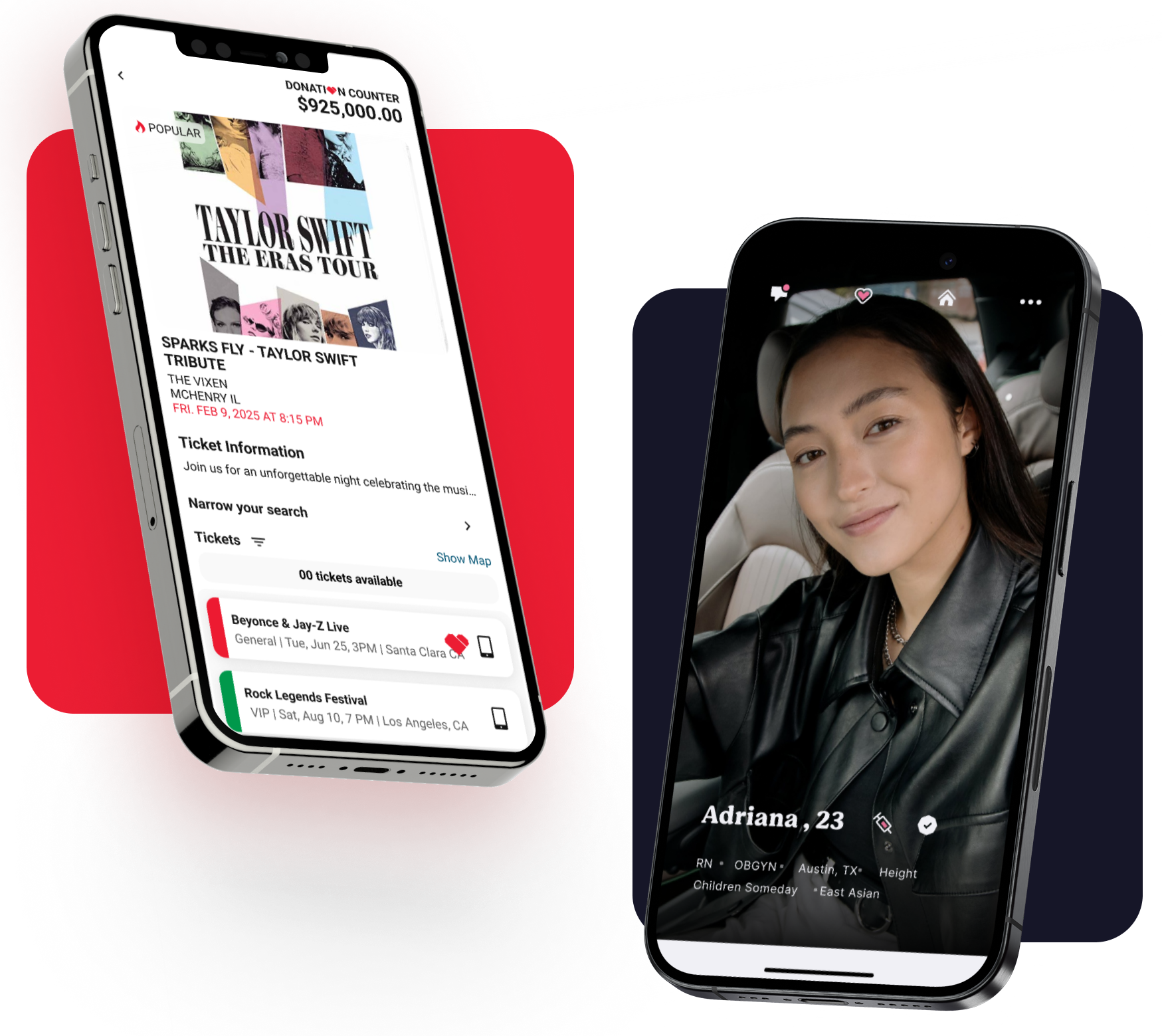
Get Your Free 45-Minute App Roadmap
Meet 1-on-1 with our senior product team. We’ll map your MVP or enterprise app and hand you a personalized plan—clear scope, a realistic timeline, and fixed monthly costs—for iOS & Android, web, tablets & wearables, and AI.
4. Security and Compliance Requirements
State your security expectations and any regulations you must meet, such as HIPAA for health data, GDPR for EU users, or SOC 2 for enterprise buyers. Calling these out upfront filters out vendors who cannot meet them and protects you from costly gaps discovered later.
5. Timeline and Milestones
Share your target launch date and any hard deadlines, like a funding round or a seasonal window. Ask vendors to propose milestones and a realistic schedule. A trustworthy partner will push back on unrealistic dates rather than promise the impossible to win the deal.
6. Budget Range
Include a budget range, even a broad one. It is not a weakness; it filters out mismatched vendors and lets the right ones scope a solution that fits. If you are unsure what is reasonable, see our breakdown of app development cost in 2026 before you write this section.
7. References and Track Record
Ask for relevant case studies, client references, and verified reviews on platforms like Clutch. Request examples of similar apps the vendor has shipped and launched. Past results in your space are one of the strongest signals of whether a team can deliver yours.
8. SLAs, IP, and Contract Terms
Spell out support expectations and service level agreements after launch, who owns the code and intellectual property, and how changes are handled. Confirm that all IP transfers to you on delivery. These terms protect you long after the build ships, so do not leave them vague.
How to Evaluate RFP Responses
Once bids come in, score them on more than the bottom-line number. Use a simple weighted framework so you compare fairly and avoid choosing on price alone, which often costs more in rework later.
| Evaluation Criteria | What to Look For | Suggested Weight |
|---|---|---|
| Relevant experience | Shipped apps in your space; strong references | 25% |
| Process and communication | Clear methodology, cadence, and points of contact | 20% |
| Technical approach | Sound architecture and a fit-for-purpose plan | 20% |
| Security and compliance | Meets HIPAA, GDPR, or SOC 2 as required | 15% |
| Cost and value | Transparent pricing and realistic budget | 15% |
| IP and contract terms | Clear ownership and fair support terms | 5% |
For a deeper list of what to probe in vendor conversations, see our guide on the questions to ask an app development agency.
Chop Dawg as the Worked Example
Here is how we respond to an RFP, so you know what good looks like. We are Chop Dawg, a United States-headquartered and United States-led company, and we answer with a clear scope, a realistic timeline, fixed monthly budgets, and transparent pricing, never a vague range that creeps upward. Our American leadership owns product and project management, senior development, design, and QA. In-house design teammates in Brazil and in-house development, QA, and project-management teammates in Pakistan and India round out the team, all assigned directly rather than subcontracted, so there is no hidden offshore shop and no lone salesperson fronting the work. You can specify a fully American team, the path for many government and regulated programs, or a cost-effective US-plus-offshore blend that holds the same quality and timelines. We work as your partner, not a faceless agency, with daily Slack and weekly Zoom so communication is never a question mark.
Every RFP we answer starts with a free 45-minute strategy call and the most thorough proposal in the industry: a precise scope, timeline, and fixed-monthly budget rather than a placeholder range. Design runs from $5,000 per month and development from $7,500 per month, with a focused new build that generally runs about $25,000 to $60,000 all in, complex or enterprise builds at $75,000 to $150,000 or more, and maintenance from $2,500 per month, detailed in our pricing breakdown. Since 2009 we have launched more than 500 products, reaching over 1 billion users, and we handle HIPAA, GDPR, and SOC 2 work with code and IP that transfer fully to you. Our 92% partner retention rate and 300+ five-star reviews across trusted directories like Clutch, GoodFirms, G2, and Google give you references that check out, and you can verify our standing on Inc. Organizations that have trusted Chop Dawg include the U.S. Navy, the White House, MIT, and Jefferson Health. For relevant case studies to include in your evaluation, see how we delivered the City of Peachtree Corners, Georgia smart city platform and the C.A. Short employee recognition platform, then review how we run engagements in our proven process.
Frequently Asked Questions
Should I include a budget in my RFP?
Yes. A budget range filters out mismatched vendors and lets qualified ones scope a realistic solution. Withholding it usually leads to wildly varied bids that are hard to compare. A broad range is enough; it signals you are serious and respects everyone’s time in the process.
How long should an app development RFP be?
Long enough to be clear, short enough to stay readable, often five to fifteen pages. Cover scope, requirements, security, timeline, budget, and contract terms without padding. A focused RFP gets stronger responses than a bloated one, since vendors can quickly grasp what you actually need.
What security details belong in an RFP?
State the data you will handle, any regulations that apply such as HIPAA, GDPR, or SOC 2, and your expectations for encryption, access control, and audits. Naming these upfront ensures only qualified vendors respond and prevents expensive compliance gaps from surfacing late in the build.
How do I compare vendor proposals fairly?
Use a weighted scorecard covering experience, process, technical approach, security, cost, and IP terms. Score each vendor against the same criteria rather than reacting to the lowest price. This keeps the comparison objective and helps you spot the best long-term value, not just the cheapest bid.
Who should own the code after the project?
You should. Confirm in the RFP and contract that all code and intellectual property transfer to you on delivery, with no ongoing licensing strings. A trustworthy vendor will agree readily. If a vendor hesitates on full IP transfer, treat that as a serious red flag.
Get Help Building Your RFP and Your App
Drafting an RFP or reviewing the responses you have received? Whether you are an enterprise team formalizing a major initiative or a founder shaping a brand-new idea into its first build, book a free 45-minute consultation, and we will help you sharpen your requirements and evaluate your options, with no obligation. Learn more about choosing the best app development company or browse our success stories.


 15 Min