























 9 Min
9 Min 


In the staff augmentation vs project-based debate, the right choice depends on how much you want to manage: staff augmentation drops vetted developers into your team and your process, while a project-based partner owns the full build and delivers a finished product. Demand for both keeps climbing, with the global IT staff augmentation market projected to reach USD 317.96 billion in 2026. This guide compares the two models honestly, then shows where a true partner approach fits best.
Key Takeaways
- Staff augmentation adds vetted developers to your existing team; you direct the work and manage the day to day.
- Project-based development hands a full scope to an outside team that owns delivery from strategy to launch.
- Choose augmentation when you have strong internal leadership and just need extra hands or a specific skill.
- Choose project-based when you lack the in-house bandwidth or process to run a build, or want one accountable team.
- A partner model blends the best of both: an embedded team that feels in-house but owns outcomes and timelines.
Staff Augmentation
Staff augmentation means hiring outside developers who plug into your team and report to your managers. You set the priorities, run the standups, and own the roadmap. They supply the skills or the headcount. With roughly 74% of employers reporting difficulty finding the talent they need, augmentation has become a popular way to close skill gaps and scale fast without long hiring cycles.
Pros:
- Scale your team up or down quickly without permanent hires.
- You keep full control of priorities, process, and code decisions.
- Fill a specific skill gap, like a single iOS or DevOps specialist.
- Often lower hourly cost than a full project engagement.
- Talent integrates into your existing tools, rituals, and culture.
Cons:
- You carry the management burden: planning, oversight, and quality control.
- Augmented staff own tasks, not outcomes, so accountability stays with you.
- Onboarding and ramp-up take time before new hands are productive.
- Quality depends on how well you can direct and review the work.
- Knowledge can walk out the door when contracts end.
Get Your Free 45-Minute App Roadmap
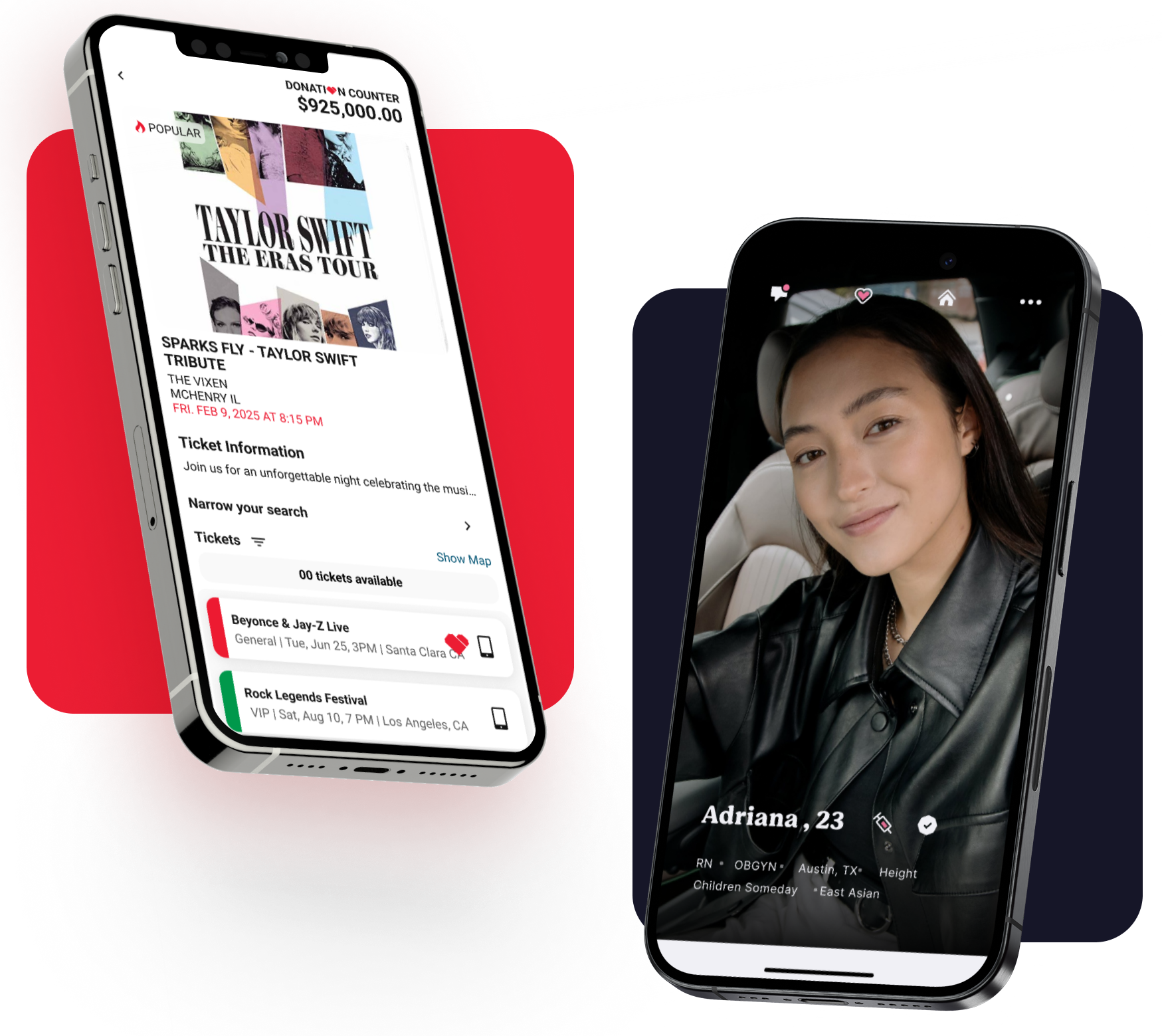
Meet 1-on-1 with our senior product team. We’ll map your MVP or enterprise app and hand you a personalized plan—clear scope, a realistic timeline, and fixed monthly costs—for iOS & Android, web, tablets & wearables, and AI.
Project-Based App Development
Project-based development hands a defined scope to an outside team that owns it end to end. They handle strategy, design, development, quality assurance (QA), and launch, and they answer for the result. You stay involved through reviews and updates, but you do not run the daily work. This fits teams that lack the bandwidth or internal process to lead a build themselves.
Pros:
- One team owns the outcome, the timeline, and the quality.
- Far less management overhead on your side.
- Access to a full, ready-made team across every discipline at once.
- Clear scope, deliverables, and a defined finish line.
- Proven process and senior oversight come built in.
Cons:
- Less day-to-day control than directing your own developers.
- Mid-project scope changes can affect timeline and cost.
- Requires clear communication so the team builds the right thing.
- A weak partner can leave you with poor handoff or thin documentation.
Staff Augmentation vs Project-Based: Side-by-Side
| Factor | Staff Augmentation | Project-Based Development |
|---|---|---|
| Cost | Hourly per developer; you absorb management cost | Scoped or fixed budget covering the full team |
| Speed | Fast to add hands, slower if ramp-up is heavy | Fast once scoped; a full team starts at once |
| Quality | Depends on your direction and review | Owned by the partner, with senior oversight |
| Control | High; you run the work day to day | Shared; you steer through reviews and updates |
| Communication | You manage standups and coordination | Partner runs updates; structured check-ins |
| Risk | You own delivery and accountability | Partner owns delivery against scope |
Where Chop Dawg Fits
Our model gives you the best of both worlds. We are Chop Dawg, a United States-headquartered and United States-led company, and we work as your partner, not a faceless agency. That means we own the outcome like a project team, but we embed and communicate like an extension of your staff, with daily Slack and weekly Zoom. You get accountability and a full team without carrying the management load yourself.
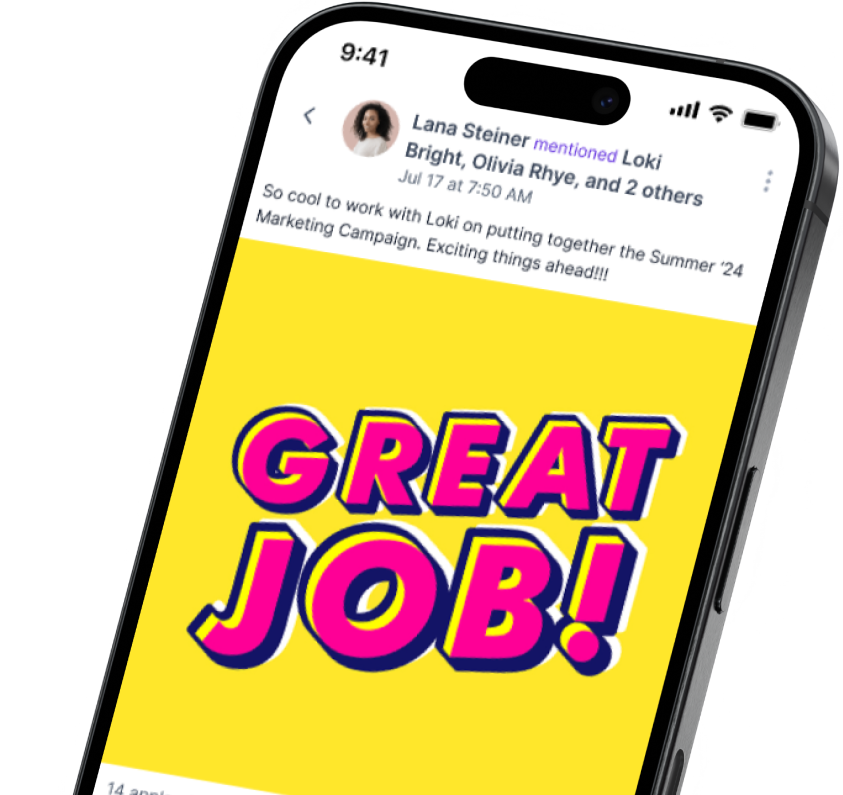
Our team is full-time and salaried, so the people on your build are invested employees rather than rotating contractors, and when you need extra hands rather than a full build we also offer staff augmentation that drops those same vetted developers into your process. American leadership runs product and project management, senior development, design, and QA, supported by in-house design teammates in Brazil and in-house development, QA, and project-management teammates in Pakistan and India, every one of them assigned directly with no middleman. You can request a fully American team or a cost-effective US-plus-offshore blend at the same quality and timelines, and in both cases you talk to the senior people actually building your product. Since 2009 we have launched more than 500 products, reaching over 1 billion users, with fixed monthly budgets that start from $5,000 per month for design and $7,500 per month for development, a focused new build that generally runs about $25,000 to $60,000 all in while complex or enterprise builds run $75,000 to $150,000 or more, and maintenance from $2,500 per month, plus a free 45-minute strategy call up front, and precise timelines that keep surprises out of your inbox; the full numbers live in our pricing breakdown. You own your code and IP either way. Our 92% partner retention rate and 300+ five-star reviews across trusted directories like Clutch, GoodFirms, G2, and Google reflect that approach. We handle HIPAA, GDPR, and SOC 2 work and include a free bug-and-maintenance warranty. Organizations that have trusted Chop Dawg include the NFL, FOX Sports, Hilton, and Big Brothers Big Sisters. See how the same dedicated team built and supported the C.A. Short employee recognition platform like an embedded extension of the client’s staff, explore our development services, and learn how we run engagements in our proven process.
Frequently Asked Questions
What is the main difference between staff augmentation and project-based?
Staff augmentation adds developers to your team while you manage the work and own delivery. Project-based hands a full scope to an outside team that owns delivery and timeline. The core difference is who carries accountability and the day-to-day management load for the build.
Which model is more cost-effective?
Augmentation often has a lower hourly rate, but you absorb the cost of managing the work and any rework. Project-based bundles a full team into one budget. The most cost-effective option depends on your internal capacity to plan, direct, and review the engineering well.
When should I choose staff augmentation?
Choose augmentation when you have strong technical leadership and a working process, and just need extra hands or one specific skill, like a DevOps or iOS specialist. It works best when you can direct and review the work closely and want to keep full day-to-day control.
When is project-based development the better fit?
Project-based fits when you lack the in-house bandwidth or process to run a build, want one accountable team, or need strategy through launch handled for you. It is also strong when you want senior oversight and a proven process included rather than assembling those pieces yourself.
What is a partner model and how is it different?
A partner model embeds a team that communicates like in-house staff but owns outcomes like a project team. You get daily contact and shared visibility without carrying the full management burden. It blends the control of augmentation with the accountability and structure of project-based delivery.
Let’s Find the Right Model for Your Build
Not sure whether to augment your team or hand off the whole project? Whether you are a founder starting a brand-new build or an existing team that needs to scale or extend a product already in market, book a free 45-minute consultation, and we will talk through your team, your timeline, and the smartest path forward, with no obligation. Explore more of our work in our success stories or read more on the Chop Dawg blog.



 21 Min