






 12 Min

The biggest red flags when hiring a US app development company include vague pricing, no clear process, refusal to give you code ownership, poor communication, and a lack of verifiable reviews, and spotting them early saves you money and months. With US app spend reaching $52.3 billion in 2024 according to Business of Apps, picking the wrong partner is an expensive mistake, so here is what to watch for and how to avoid each trap.
Key Takeaways
- Vague pricing and surprise fees are the most common red flag; insist on fixed budgets or detailed estimates.
- If a company will not confirm in writing that you own the code, walk away.
- No defined process, no quality assurance (QA) plan, and no post-launch support all signal trouble.
- Poor or undefined communication usually predicts missed deadlines.
- Always verify reviews and case studies on third-party directories like Clutch.
Red Flag 1: Vague or Shifting Pricing
If a company cannot explain what your money buys, costs tend to balloon mid-project. Watch for quotes with no breakdown, constant “that’s an extra,” or pressure to sign before scope is clear. US agency rates typically run $100 to $250 per hour, so any number far outside that with no explanation deserves scrutiny.
How to avoid it: Ask for a fixed monthly budget or an itemized estimate tied to scope, and get inclusions in writing. As a green-flag example, we publish our pricing openly: design starts at $5,000 per month and development at $7,500 per month. A focused minimum viable product (MVP) generally runs about $25,000 to $60,000 all in, while more complex or enterprise builds run $75,000 to $150,000 or more, and maintenance starts at about $2,500 per month, all on a fixed monthly budget. Compare it against our app development costs and pricing page so you know what realistic pricing looks like.
Red Flag 2: No Clear Process
“We’ll just start building” is a warning sign. Without a defined path through strategy, design, development, QA, and launch, projects drift, budgets slip, and the final product misses the mark. A missing process also makes it hard to know whether you are on track at any point.
How to avoid it: Ask the firm to walk you through its methodology and milestones. Strong partners publish how they work, like our proven process, so you can see each phase before you commit.
Red Flag 3: You Don’t Own the Code
Some firms keep your source code, locking you into their services and blocking you from switching teams or scaling on your own. If ownership is unclear or the contract is silent on it, assume the worst until proven otherwise.
How to avoid it: Get written confirmation that you receive all source code, repositories, designs, and documentation. Reputable companies transfer everything without hesitation. As a green-flag example, with Chop Dawg you own your code and IP, full stop, and we hand over everything at the end. For more on this, see our questions to ask an app development agency.
Red Flag 4: Poor or Undefined Communication
If you cannot get a straight answer about how often you will hear from the team or who your contact is, expect long silences once work begins. Slow replies during the sales process rarely improve after you sign.
How to avoid it: Confirm a communication cadence up front. We keep partners informed with daily Slack updates and weekly Zoom calls, so progress is always visible. Insist on a named point of contact and a clear response-time expectation.
Red Flag 5: No QA or Security Plan
Shipping without structured testing leads to crashes, bad reviews, and emergency fixes. If your app handles sensitive data and the company cannot discuss compliance like HIPAA, GDPR, or SOC 2, that gap can become a legal and financial liability.
How to avoid it: Ask how the firm tests apps and protects data before release. Look for teams with real compliance experience, such as our work across custom software built with security from day one.
Get Your Free 45-Minute App Roadmap
Meet 1-on-1 with our senior product team. We’ll map your MVP or enterprise app and hand you a personalized plan—clear scope, a realistic timeline, and fixed monthly costs—for iOS & Android, web, tablets & wearables, and AI.
Red Flag 6: No Post-Launch Support
A company that disappears after launch leaves you stranded when the inevitable bugs appear. Treating launch as the finish line, rather than a milestone, signals a vendor mindset instead of a partnership.
How to avoid it: Ask what happens after launch and whether there is a free bug-fix and monitoring window. We include a complimentary post-launch bug-fix and monitoring period so your app stays healthy after it goes live.
Red Flag 7: No Verifiable Reviews or Case Studies
Claims with no proof are easy to make. If a company cannot point to real launched apps, named clients, or third-party reviews, you have no way to confirm it can deliver.
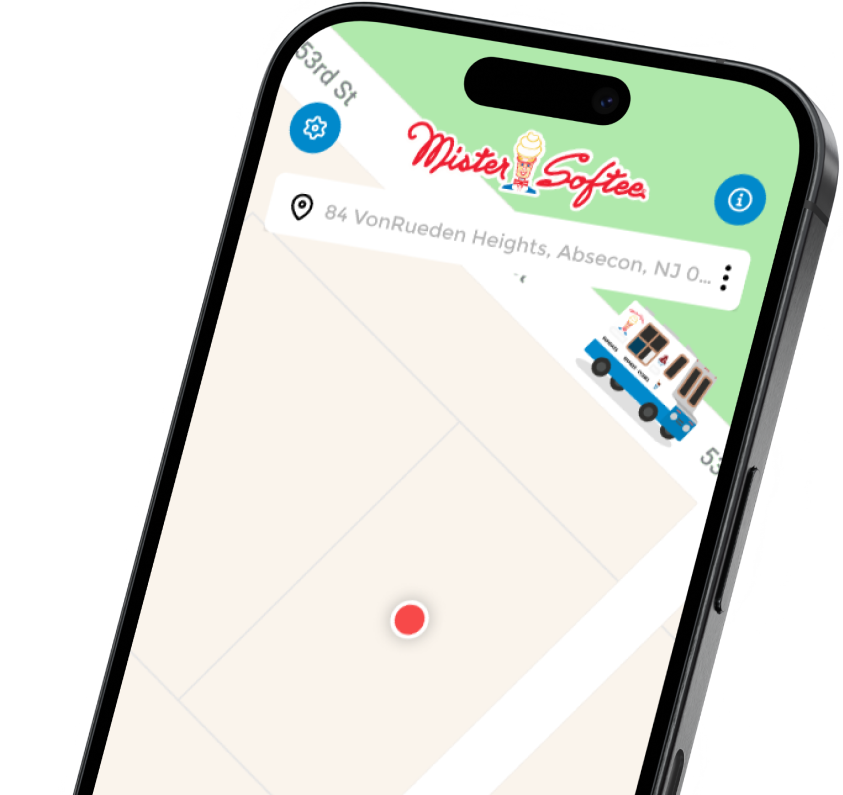
How to avoid it: Check independent directories like Clutch, where reviews are verified through client interviews, and ask for case studies with measurable results and references. As a green-flag example, our team holds 300+ five-star reviews across trusted directories like Clutch, GoodFirms, G2, Google, and DesignRush, all backed by a United States-headquartered and United States-led team. Senior US leadership, product management, development, design, and QA carry the work, supported by an in-house Brazilian design team and in-house development, QA, and project-management teams in Pakistan and India. Every one is a salaried Chop Dawg teammate assigned directly to you, never an anonymous subcontractor or a lone salesperson masking hidden offshore coders. You can keep a fully American team for regulated work or choose a cost-effective United States-plus-offshore blend that delivers the same quality. The named clients are real, too: organizations that have trusted Chop Dawg include Siemens, the NFL, MIT, and Penn Medicine. Proof shows up in results: the Mister Softee app crossed 1 million downloads in three months, and our Slay by Mari fitness app hit the top 10 on both app stores within 24 hours.
Red Flag vs Green Flag
| Area | Red flag | Green flag |
|---|---|---|
| Pricing | Vague quote, frequent surprise fees | Fixed budget or itemized estimate in writing |
| Process | “We’ll just start coding” | Documented phases and milestones |
| Code ownership | Agency keeps the code | You own all code and assets |
| Communication | No cadence or contact named | Daily updates, weekly calls |
| QA and security | No testing or compliance plan | Structured QA, compliance experience |
| Post-launch | Disappears after launch | Free bug-fix and monitoring period |
| Reputation | No reviews or references | Verified Clutch reviews and case studies |
Frequently Asked Questions
What is the biggest red flag when hiring an app developer?
Refusing to confirm that you own the source code is the most serious red flag. Without ownership, you can be locked into one vendor and unable to switch teams or scale on your own terms. Always require written confirmation that you receive all code, designs, and documentation. Reputable companies agree immediately, while evasive answers signal trouble.
How do I avoid hidden costs with an app development company?
Ask for a fixed monthly budget or an itemized estimate tied to a defined scope, and get every inclusion in writing before signing. Clarify how scope changes affect price and whether there are ongoing fees after launch. Comparing the quote against published US ranges of $100 to $250 per hour helps you spot numbers that do not add up.
Are cheap offshore app developers a red flag?
A low price alone is not automatically a red flag, but extremely cheap quotes often hide unclear processes, weak communication, and quality problems that cost more to fix later. Focus on transparency, verified reviews, code ownership, and a clear process rather than price alone. Many US-based and hybrid teams offer competitive rates without those risks.
How important are reviews when choosing an app development company?
Reviews are essential because they offer independent proof a company can deliver. Prioritize third-party directories like Clutch, where feedback is verified through client interviews, over testimonials on a company’s own site. Read for consistent themes around communication, on-time delivery, and quality, and back them up by requesting case studies and references you can contact directly.
What should I do if a company avoids my questions?
Treat evasiveness as a decision-making signal, not a minor annoyance. If a company dodges questions about pricing, code ownership, process, or communication during the sales stage, those problems usually worsen after you sign. Walk away and choose a partner that answers clearly and in writing. Transparency before the contract predicts transparency throughout the project.
Is promising a guaranteed launch date a red flag?
A partner who guarantees an exact go-live date without accounting for app store review is glossing over reality. The review itself is fast, usually 24 to 48 hours for a clean Apple App Store submission and a few days up to about a week for Google Play Store, but the 2026 surge in artificial intelligence (AI)-built submissions made reviewers stricter, and Apple often rejects first and asks questions later. A single rejection can throw you back into the queue for days. An honest team builds a one to two week buffer for possible rejections into your launch plan rather than promising a date it cannot control.
Work With a Partner You Can Trust
Avoiding red flags comes down to choosing a transparent, proven partner. Since 2009 we have launched 500+ products with fixed budgets, clear processes, full code ownership, and 300+ five-star reviews across trusted directories like Clutch, GoodFirms, G2, Google, and DesignRush. See the proof in our success stories, then, whether you are starting a brand-new app or rescuing or scaling an existing one, book your free 45-minute consultation with Chop Dawg and see what working with a real partner feels like.



 19 Min