























 14 Min


The right tech stack for your app in 2026 comes down to a few clear decisions: use React Native when you want one codebase across iPhone and Android, choose native Swift or Kotlin when you need heavy hardware access or maximum performance, build your web side in React, and run the backend on Node.js. Pick your cloud and database to match your scale, not the hype. Most teams overthink this and burn weeks debating tools instead of shipping. The State of React Native 2025 survey gathered 3,501 developer responses (run by Software Mansion, fielded December 2025 to January 2026), with new-architecture adoption at 80 percent, proof the cross-platform path is mature. This guide gives you a decision framework you can act on.
Key Takeaways
- Use React Native for most cross-platform apps; it ships iOS and Android from one codebase and covers the vast majority of consumer and business products.
- Choose native Swift (iOS) or Kotlin (Android) when you need deep hardware access, advanced graphics, or top-tier real-time performance.
- Use React for the web app and Node.js for the backend so your team shares one JavaScript and TypeScript skill set across the whole product.
- Match your cloud to your needs: Google Cloud Platform, Amazon Web Services (AWS), or Microsoft Azure, often paired with Firebase for fast early builds.
- Pick PostgreSQL for structured, relational data and a document or NoSQL store for flexible, high-velocity data; many apps use both.
Start With the Decision, Not the Tool
A tech stack is just a set of answers to four questions: how will people use the app on their phones, how will they use it on the web, where will the logic and data live, and how will it scale. When you answer those in order, the tools mostly pick themselves. The mistake teams make is starting with a trendy framework and reverse-engineering a product around it. Start with the product and the audience instead.
At Chop Dawg, we have planned and built 500-plus products since 2009, and the same default holds up across almost all of them. The right stack is the one your team can ship, maintain, and hire for, not the one that wins arguments on social media. That team is United States-headquartered and United States-led. Senior American product, design, development, and quality-assurance leads work alongside our in-house Brazilian design studio and our in-house engineering teams in Pakistan and India, so the people choosing your stack are the same senior people building it. If you want a second opinion on your specific app, our app development and programming team sizes the stack to your goals during planning.
React Native: The Default for Cross-Platform Apps
React Native lets you build iOS and Android from a single JavaScript and TypeScript codebase, with near-native performance for the overwhelming majority of apps. For a marketplace, a social product, a booking tool, a loyalty app, or an internal business app, it is almost always the smart starting point. One team, one codebase, two app stores, faster timelines, and lower long-term maintenance cost. That is why we treat it as the default and reach for anything else only when a specific requirement forces our hand.
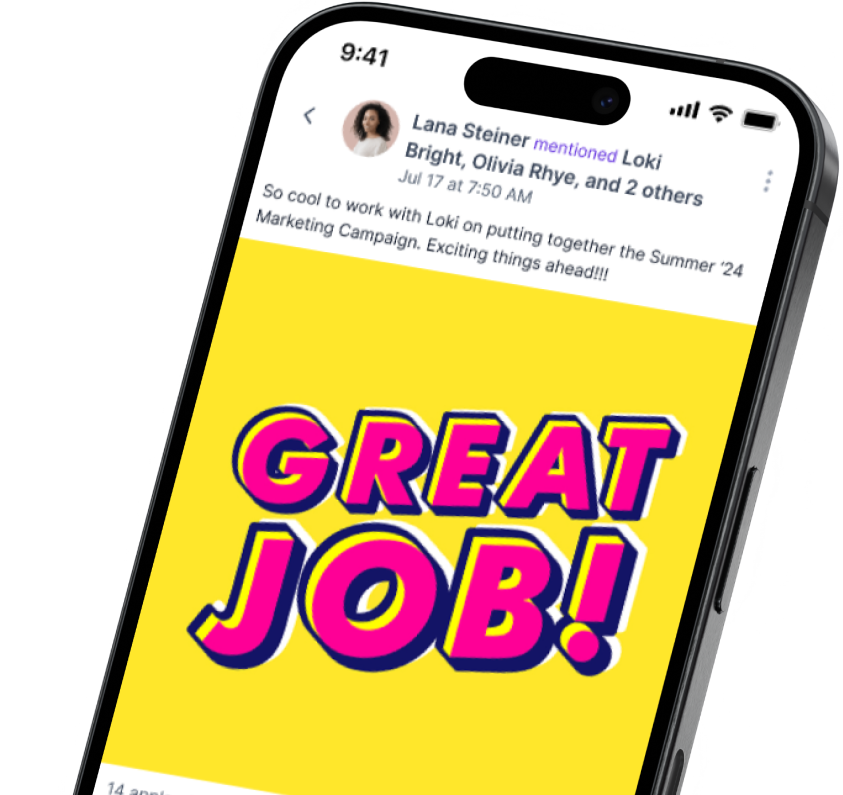
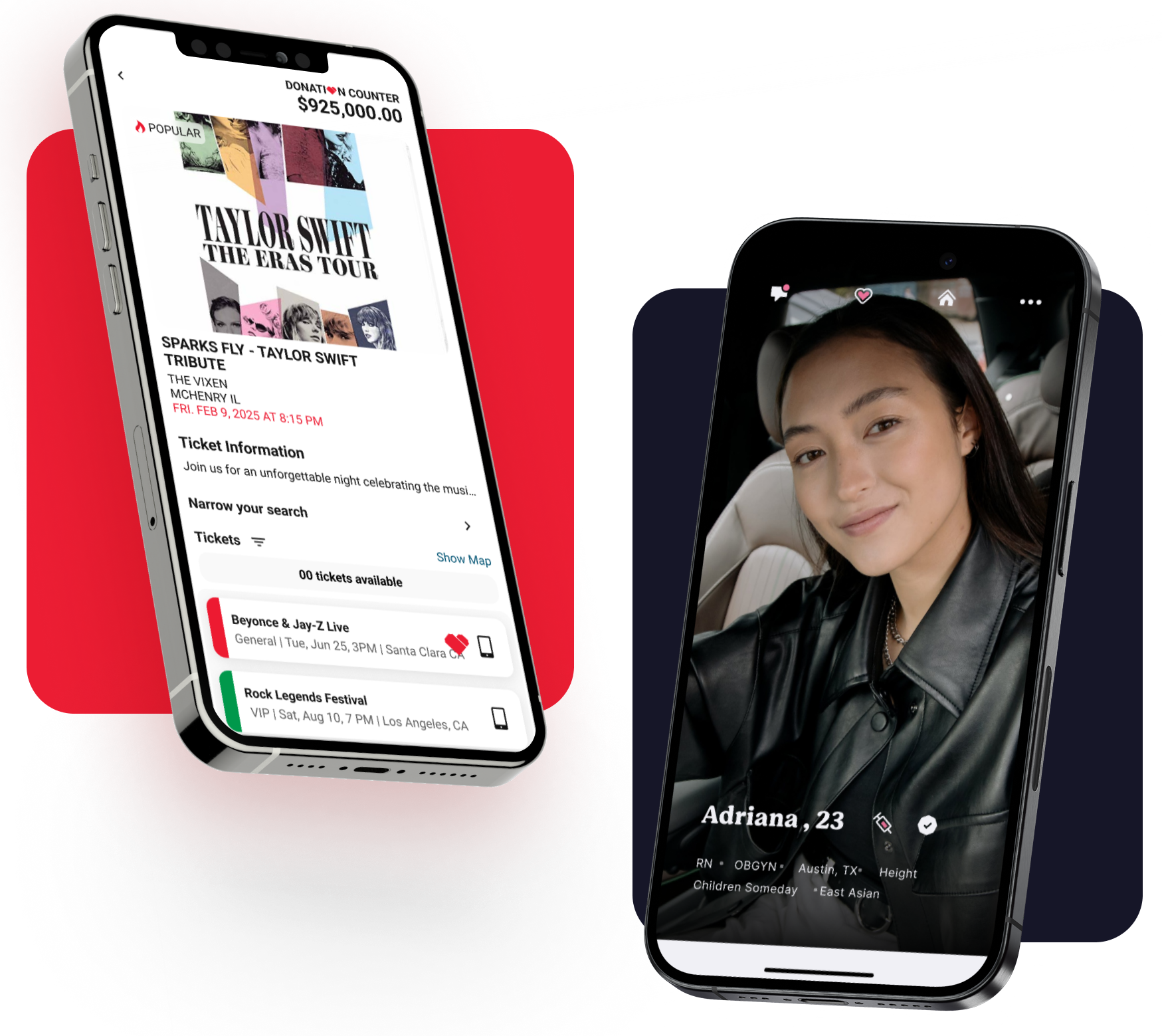
React Native also shares concepts with React on the web, so the same engineers can move between your mobile app and your web app. That overlap is a real budget advantage, especially for startups and lean teams who cannot staff separate iOS, Android, and web squads. Our design partner Hint Social is a good example of an interest-based social product designed for both mobile and web, the kind of community app where a shared cross-platform foundation keeps the experience consistent across every screen.
Native Swift or Kotlin: When Performance and Hardware Lead
Sometimes one codebase is the wrong answer. Choose native Swift for iOS or native Kotlin for Android when your app leans heavily on the device itself: advanced camera and computer vision, augmented reality, high-frame-rate games or 3D graphics, low-level Bluetooth or hardware integrations, complex on-device machine learning, or anything where every millisecond of performance matters. In those cases the deeper platform access and tighter performance ceiling of native code justify maintaining two codebases.
You do not have to go all-in either way. A common pattern is React Native for most of the app with a small native module for the one performance-critical feature. The point is to spend native effort only where it earns its keep, not across screens that a cross-platform framework handles just as well.
React for Web, Node.js for the Backend
For the web side of your product, React is the proven choice: a huge ecosystem, strong hiring pool, and a component model that scales from a marketing site to a full web application. Pairing React on the web with React Native on mobile means your front-end team works in one mental model everywhere.
For the backend, Node.js keeps the entire product in JavaScript and TypeScript end to end. One language across mobile, web, and server reduces context-switching, simplifies hiring, and lets a smaller team own more of the stack. Node.js handles the application programming interface (API) layer, business logic, authentication, and integrations with payments, messaging, and third-party services. For most apps it is fast, well-supported, and battle-tested at scale.
Get Your Free 45-Minute App Roadmap
Meet 1-on-1 with our senior product team. We’ll map your MVP or enterprise app and hand you a personalized plan—clear scope, a realistic timeline, and fixed monthly costs—for iOS & Android, web, tablets & wearables, and AI.
Choosing Your Cloud and Database
You do not need to agonize over the cloud provider on day one, but you should choose deliberately. Google Cloud Platform, Amazon Web Services, and Microsoft Azure are all production-grade. The right pick usually depends on your team’s existing experience, the specific managed services you need, any enterprise or compliance requirements, and pricing for your expected workload. Early-stage products often pair one of these with Firebase to move fast on authentication, real-time data, and push infrastructure, then graduate heavier workloads onto the core cloud as they scale.
For data, the question is structure versus flexibility. A relational database like PostgreSQL is the safe default when your data has clear relationships, such as users, orders, payments, and bookings. A document or NoSQL store fits flexible, fast-changing, or high-write data like activity feeds, chat, and event logs. Plenty of real apps use both: a relational core plus a document store for the parts that need it. Our proven process nails these choices down during planning so you are not re-architecting after launch.
Tech Stack Decision Table
| Layer | Choose this | When it fits |
|---|---|---|
| Mobile (cross-platform) | React Native | Most consumer, marketplace, social, booking, loyalty, and internal apps that need iOS and Android fast |
| Mobile (native) | Swift (iOS) or Kotlin (Android) | Heavy hardware access, advanced graphics or gaming, augmented reality, on-device machine learning, max performance |
| Web | React | Web apps, dashboards, and portals that should share patterns and talent with your mobile app |
| Backend | Node.js (JavaScript and TypeScript) | Almost all apps; keeps the full product in one language and one hiring pool |
| Cloud | Google Cloud Platform, Amazon Web Services, or Microsoft Azure (plus Firebase early on) | Match to team experience, required managed services, compliance needs, and workload pricing |
| Database (relational) | PostgreSQL | Structured data with clear relationships: users, orders, payments, bookings |
| Database (document or NoSQL) | Document or NoSQL store | Flexible, high-velocity data: feeds, chat, events, logs |
What We Deliberately Avoid
A stack decision is also about what you rule out. We do not build production products on Flutter or on no-code and low-code platforms like Bubble. For serious apps that need to scale, integrate deeply, and stay maintainable for years, we stand behind React Native plus native Swift and Kotlin, React, and Node.js. We are also candid about that position because the wrong foundation is one of the most expensive mistakes a product can make. You can read more about how we think about technology trends and tools on our blog.
We also build artificial intelligence (AI) features into modern apps using OpenAI ChatGPT and Anthropic Claude, layered onto the same Node.js backend rather than bolted on as a separate system. The stack stays cohesive, which keeps it easier to maintain and cheaper to extend.
Frequently Asked Questions
Is React Native good enough for a serious, large-scale app?
Yes. React Native powers production apps used by millions of people and delivers near-native performance for the vast majority of use cases. It is our default for cross-platform products. You only need native Swift or Kotlin when a specific feature demands deep hardware access or maximum performance, and even then you can mix native modules into a React Native app.
When should I choose native development over React Native?
Choose native Swift or Kotlin when your app depends on advanced graphics, high-frame-rate gaming, augmented reality, intensive on-device machine learning, low-level hardware or Bluetooth integration, or millisecond-level real-time performance. For everything else, React Native ships faster, costs less to maintain, and covers both platforms from one codebase, which is why most apps do not need to go fully native.
Which cloud provider is best: Google Cloud Platform, Amazon Web Services, or Microsoft Azure?
All three are production-grade, so there is no single winner. The right choice depends on your team’s experience, the managed services you need, compliance requirements, and pricing for your workload. Early-stage apps often pair one of these with Firebase to move quickly, then scale heavier workloads onto the core cloud later as usage and complexity grow.
What database should my app use?
Use a relational database like PostgreSQL when your data has clear relationships, such as users, orders, and payments. Use a document or NoSQL store for flexible, high-velocity data like feeds, chat, and logs. Many production apps run both, a relational core for transactional data plus a document store for the fast-changing parts of the product.
Do I need separate teams for iOS, Android, and web?
Usually not. Because React Native, React, and Node.js all share JavaScript and TypeScript, the same engineers can move across mobile, web, and backend. That shared skill set is a major reason this stack keeps timelines and budgets down, especially for startups and lean teams that cannot afford three separate specialized squads.
Should I use Flutter or a no-code platform instead?
For a product you intend to scale and maintain for years, we do not recommend Flutter or no-code and low-code tools like Bubble. We build on React Native plus native Swift and Kotlin, React, and Node.js because that foundation stays performant, integrable, and maintainable over time. The wrong stack is one of the costliest decisions a young product can make.
Let’s Choose the Right Stack for Your App
The best tech stack is the one matched to your product, your users, and your team, not a default copied from a blog post. Whether you are a founder validating a brand-new idea or an established company choosing the foundation for a product you plan to scale, modernize, or extend, we are glad to give you a clear, honest recommendation. Chop Dawg is a partner, not an agency: you own all of your code and intellectual property, you work with senior people directly, and you budget on a fixed monthly rate. We have earned 300-plus five-star reviews across trusted directories like Clutch, GoodFirms, G2, Google, and TopDevelopers by being straight with the teams we build for. Book your free 45-minute consultation and we will map the right stack for what you are building, no obligation.



 21 Min