













 16 Min


Building a two-sided marketplace app in 2026 means connecting supply and demand in one platform, with search and matching, in-app payments with split payouts, reviews, and trust and safety baked in, then solving the chicken-and-egg cold-start problem to get both sides to show up. A focused marketplace minimum viable product (MVP) realistically takes six to eight months and costs $25,000 to $60,000, while complex platforms run $75,000 to $150,000 or more. The prize is large: global ecommerce is projected to reach $6.88 trillion in 2026, according to Shopify’s analysis of eMarketer data. If you have wondered how to launch a marketplace when you have neither buyers nor sellers yet, this guide covers the must-have features, the build process, the stack, and the pitfalls.
Key Takeaways
- A focused marketplace MVP takes a realistic six to eight months and costs $25,000 to $60,000; complex platforms run $75,000 to $150,000+.
- The cold-start problem is the core challenge: solve one side first and focus on a narrow niche to reach liquidity.
- In-app payments with split payouts, escrow, and reviews are non-negotiable for trust.
- Trust and safety, including verification, ratings, and dispute handling, is what keeps both sides coming back.
- React Native, Node.js, and a cloud platform plus a proven payments provider form the modern marketplace stack.
What Is a Two-Sided Marketplace and Its Core Features
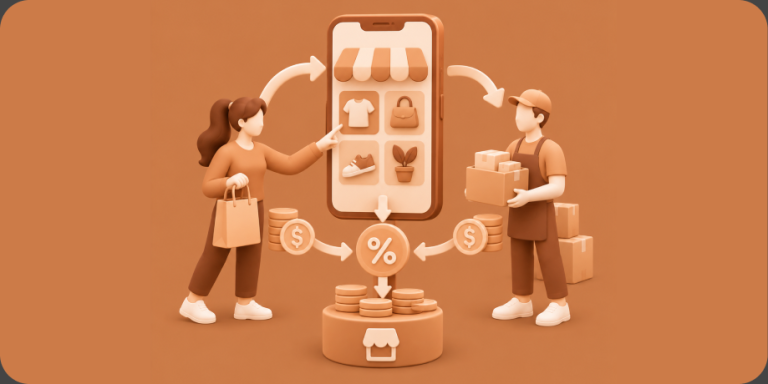
A two-sided marketplace connects two distinct groups, supply and demand, and creates value by making it easy for them to find and transact with each other. Think providers and customers, sellers and buyers, or hosts and guests. You do not own the inventory; you own the platform, the trust layer, and the transaction. Your revenue usually comes from a commission, a listing fee, or a subscription.
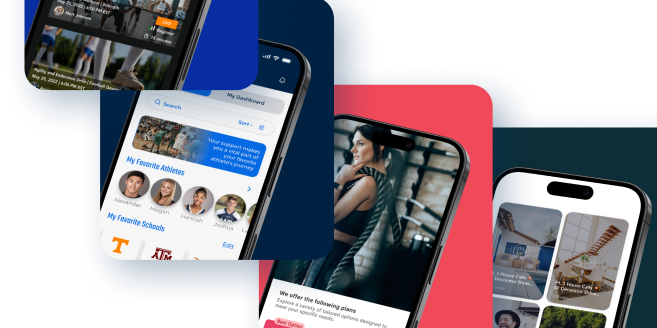
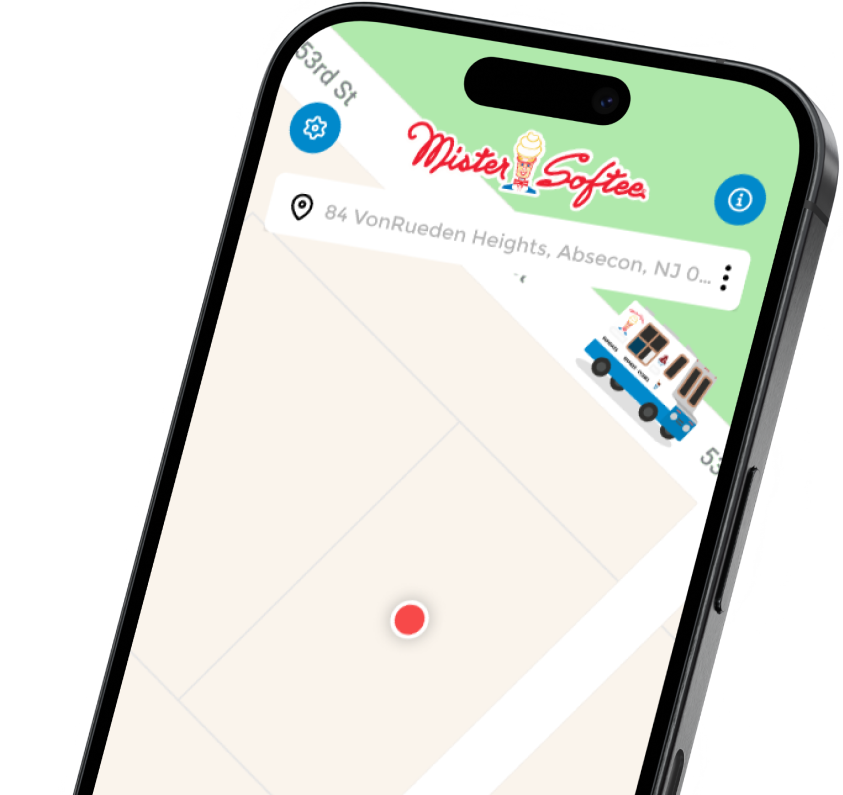
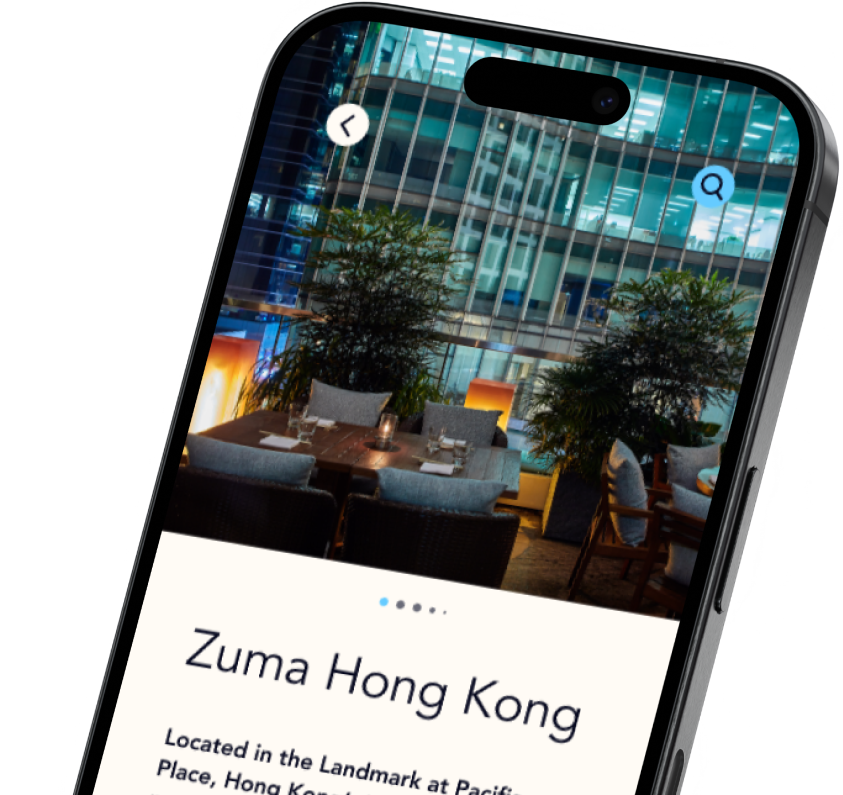
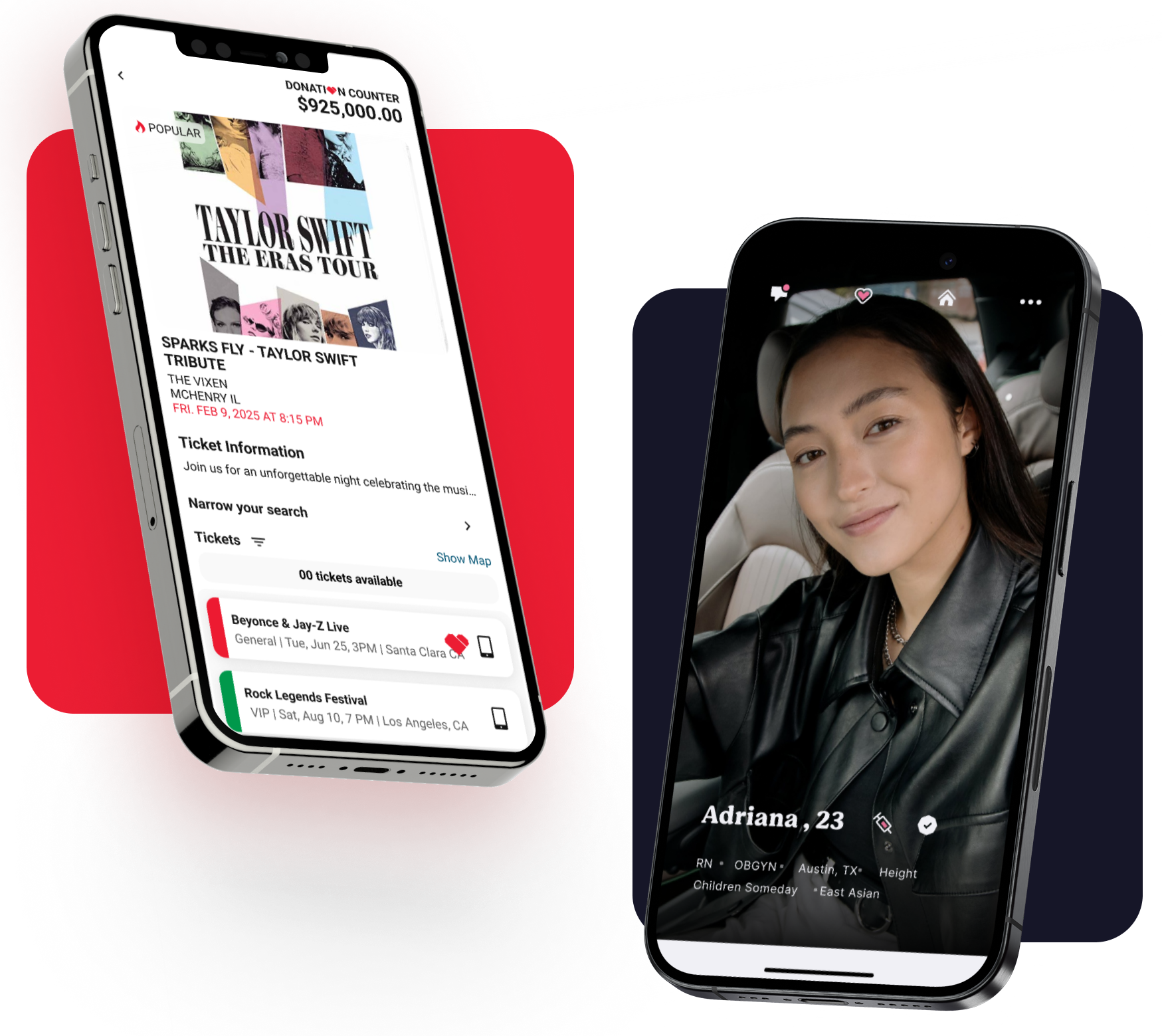
Every marketplace needs a specific set of features to function. You need separate onboarding for each side, listings with rich search and filtering, a matching or discovery engine, in-app payments with split payouts to providers, a ratings and reviews system, messaging between parties, and an admin portal to manage the whole ecosystem. QuickPro brings these pieces together for home services, matching homeowners with verified providers through a guided questionnaire, swipe-to-select discovery, mutual-consent matching, secure messaging, and a full admin portal, as shown in the QuickPro success story. Commute My Kids applies the same two-sided logic to family transportation, connecting parents with vetted drivers through a safe, scalable ride-scheduling platform, detailed in the Commute My Kids success story.
The Step-by-Step Process to Build a Marketplace App
Step 1: Validate the Idea and Pick a Niche
Marketplaces win by starting narrow. Validate that both sides have a real, frequent need, then pick a specific niche or geography where you can credibly reach liquidity, the point where buyers reliably find sellers and vice versa. A focused launch in one city or one category beats a broad launch that satisfies no one.
Step 2: Solve the Cold-Start Problem
The chicken-and-egg problem is the defining marketplace challenge: buyers will not come without sellers, and sellers will not come without buyers. The proven move is to seed one side first, usually supply, by manually recruiting providers and even concentrating demand in a tiny segment until transactions happen. Decide this strategy before you build, because it shapes your MVP. Our strategic planning process maps this go-to-market alongside the product scope.
Step 3: Define the MVP for Both Sides
Scope the smallest product that lets one provider list and one customer transact end to end. That usually means onboarding for both sides, a listing, search, a booking or purchase, payment with payout, and a review. Resist building advanced features for either side until the core loop works. Defending this scope is what keeps your launch on schedule.
Step 4: Design Wireframes to Prototype
Design both journeys, supply and demand, because they are different products sharing one platform. Turn the flows into wireframes, then high-fidelity screens, then a clickable, non-functional prototype (NFP) you test with real users from each side. Catching a confusing listing flow in Figma is far cheaper than fixing it in code. See how we handle UI/UX design and prototyping.
Step 5: Choose the Tech Stack
Pick technology that scales with transaction volume and keeps money moving safely. For most marketplaces, React Native delivers iOS and Android from one codebase, Node.js powers the back end and matching logic, a React admin portal manages the ecosystem, and a cloud platform like Google Cloud Platform, Amazon Web Services (AWS), or Microsoft Azure provides scalable hosting. A proven payments provider handles split payouts and escrow so you do not build financial infrastructure from scratch.
Step 6: Build Payments and Payouts
Payments are the heart of a marketplace, and they are more complex than a single checkout. You need to collect from buyers, take your commission, and pay out to providers, often holding funds in escrow until a transaction completes. BiDR layered live-stream auctions, pay-per-bid mechanics, and social features on top of this kind of transactional core, as shown in the BiDR success story. Senior engineers build and review this flow carefully, and in 2026, artificial intelligence (AI) and agent-assisted tools like Claude Code and Cursor help them move faster while they review every change, roughly halving typical past timelines.
Step 7: Build Trust and Safety
Strangers transact on your platform, so trust is the product. Build identity verification, ratings and reviews on both sides, secure messaging, reporting, and a dispute-resolution path into the MVP, not as an afterthought. The marketplaces that thrive are the ones where both sides feel safe transacting with people they have never met.
Step 8: Test, QA, and Launch
QA a marketplace across both sides and every transaction state: successful purchase, refund, cancellation, failed payout, and dispute. Test data isolation, security, and performance under realistic load. Then launch into your chosen niche with your cold-start plan active, seeding supply and concentrating demand so early users actually find matches.
Step 9: Iterate Toward Liquidity
After launch, your single most important metric is liquidity: are both sides finding what they need and transacting? Watch match rates, time-to-fill, and repeat usage, then improve discovery, onboarding, and trust based on what the data shows. Our proven process carries through post-launch as you expand from one niche to many.
Get Your Free 45-Minute App Roadmap
Meet 1-on-1 with our senior product team. We’ll map your MVP or enterprise app and hand you a personalized plan—clear scope, a realistic timeline, and fixed monthly costs—for iOS & Android, web, tablets & wearables, and AI.
Recommended Tech Stack
This is the modern, scalable stack we recommend for most two-sided marketplaces in 2026.
- React Native: One codebase for iOS and Android, so both buyer and seller apps ship faster and cost less to maintain.
- Native Swift or Kotlin: Reserved for performance-critical features like real-time bidding or location-heavy experiences.
- React: Powers the admin portal that manages listings, users, payouts, and disputes from any browser.
- Node.js: A scalable back end well suited to matching logic, real-time updates, and high transaction volume.
- Google Cloud Platform, AWS, or Microsoft Azure: Enterprise-grade hosting, databases, and security that scale as transactions grow, paired with a proven payments provider for split payouts and escrow.
Realistic Timeline and Cost by Complexity
| Marketplace Type | Example | Timeline | Cost Band |
|---|---|---|---|
| Focused MVP | One niche, listings, search, payments with payout, reviews | 6 to 8 months | $25,000 to $60,000 |
| Growth-stage platform | Advanced matching, messaging, multi-category, companion web | 8 to 11 months | $75,000 to $120,000 |
| Complex marketplace | Real-time bidding or live commerce, escrow, deep trust and safety | 10 to 14 months | $120,000 to $150,000+ |
For a full breakdown, see our app development costs and pricing guide.
Common Pitfalls to Avoid
- Launching too broad: Trying to serve every category and city at once spreads supply and demand too thin to ever reach liquidity. Start narrow.
- Ignoring the cold-start problem: Building the app without a plan to seed the first side leaves you with a beautiful, empty marketplace.
- Underbuilding trust and safety: No verification, weak reviews, or no dispute path drives both sides away after one bad experience.
- Underestimating payments: Split payouts, escrow, refunds, and disputes are complex. Skipping edge-case QA here breaks trust and your reputation.
- Scope creep: Adding features for both sides before the core transaction loop works inflates budget and delays the launch you need to test demand.
Frequently Asked Questions
How much does it cost to build a two-sided marketplace app in 2026?
A focused marketplace MVP typically costs $25,000 to $60,000, while a complex platform with real-time bidding, escrow, and deep trust and safety runs $75,000 to $150,000 or more. The biggest cost drivers are payments complexity, the number of features per side, and matching logic. AI-assisted development reviewed by senior engineers has cut typical past costs by roughly half.
How do I solve the chicken-and-egg cold-start problem?
Seed one side first, usually supply, by manually recruiting providers, and concentrate demand in a single narrow niche or city until real transactions happen. Focusing on liquidity in one small segment beats spreading thin across many. Decide this go-to-market strategy before you build, because it directly shapes which features your MVP needs at launch.
How do payments and payouts work in a marketplace?
Your platform collects payment from the buyer, takes a commission, and pays out the rest to the provider, often holding funds in escrow until the transaction completes. Most marketplaces integrate a proven payments provider that supports split payouts rather than building this from scratch. The key is testing every path, including refunds, cancellations, and disputes, so money always flows correctly.
How long does it take to build a marketplace app?
Plan for six to eight months for a quality MVP that supports listings, search, payments with payout, and reviews for both sides. Growth-stage and complex platforms with advanced matching, escrow, or live commerce typically take eight to fourteen months. Locking a tight MVP scope and a clear cold-start plan is the most reliable way to protect that timeline.
What features make a marketplace trustworthy?
Identity verification, two-sided ratings and reviews, secure in-app messaging, transparent pricing, escrow on payments, and a clear dispute-resolution process. Strangers are transacting with strangers, so trust is the product, not a feature you add later. Marketplaces that build these safeguards into the MVP keep both sides returning, which is what drives liquidity and long-term growth.
Should I build a marketplace MVP first?
Yes. An MVP that supports one complete transaction loop, list, discover, pay, review, lets you test real demand and your cold-start strategy without overspending. It generates the data and early users you need to refine matching and trust before scaling. Building advanced features for both sides upfront is the most common and costly marketplace mistake.
Ready to Build Your Marketplace?
Launching a two-sided marketplace is hard, and the difference between an empty platform and a thriving one often comes down to strategy as much as code. Since 2009, Chop Dawg has helped launch 500+ products used by more than a billion people, and 92% of our partners come back to build again. We are a partner, not an agency. You work directly with a United States-headquartered, United States-led team for leadership, project management, and senior design, development, and QA, backed by our in-house Brazilian design team and in-house development and QA teams in India and Pakistan, everyone in-house and assigned directly with no middleman. Choose a fully American team for regulated or government work, or a cost-effective United States-plus-offshore blend with the same quality, timelines, and senior oversight. Either way, you get weekly and bi-weekly Zoom calls, daily Slack, and Figma, GitHub, Jira, and Confluence for full visibility, plus fixed-monthly pricing and full ownership of your code and intellectual property (IP) from day one. We are proud of our 300+ five-star reviews across trusted directories like Clutch, GoodFirms, G2, Google, and TopDevelopers. Whether you are launching a brand-new marketplace or scaling and modernizing one you already operate, book your free 45-minute consultation and let’s map your marketplace from cold start to liquidity.


 15 Min