

























 17 Min

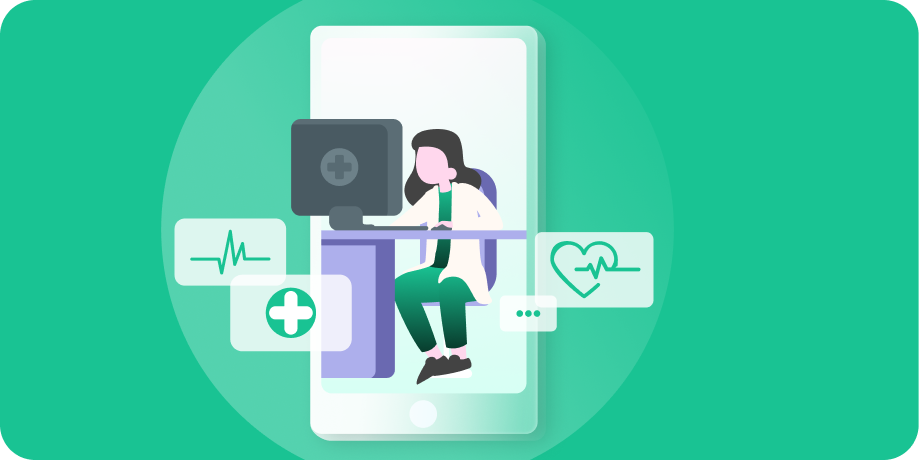
To build a telemedicine app in 2026, you need Health Insurance Portability and Accountability Act (HIPAA) compliance from day one, secure video visits, scheduling, electronic health record and electronic medical record (EHR/EMR) integration, e-prescribing, and payments that handle insurance, all built on an architecture designed to protect patient data. A HIPAA-grade minimum viable product (MVP) typically takes six to eight months and runs $75,000 to $150,000 or more, because the security and compliance work is the build. The market is expanding fast: the U.S. telehealth market reached about US$28.3 billion in 2025 and is growing at a 10.2% compound annual growth rate (CAGR) through 2031 according to Grand View Research. The challenge is that every feature touches protected health information, so compliance is not optional. This guide covers the features, the build process, the stack, the HIPAA requirements, realistic costs, and the pitfalls.
Key Takeaways
- HIPAA compliance must be built in from day one, since every part of a telemedicine app touches protected health information.
- Core features include secure video visits, scheduling, EHR/EMR integration, e-prescribing, and insurance-aware payments.
- Plan for six to eight months to a quality MVP, including 24 to 48 hours for Apple App Store review in 2026, plus a one to two week buffer in case of rejections.
- Budget $75,000 to $150,000 or more for a compliance-heavy telehealth build, since security and integrations dominate the effort; a simpler scheduling or messaging tool can run $25,000 to $60,000.
- Build on React Native with native modules, React for portals, and a Node.js backend on a HIPAA-eligible cloud platform under a signed business associate agreement (BAA).
What Is a Telemedicine App and What Are the Core Features?
A telemedicine app lets patients consult clinicians remotely through video, messaging, and scheduling, while connecting to the systems that run a medical practice, electronic records, prescribing, and billing. Because it handles health data, it must be secure and HIPAA-compliant throughout, not just on the video screen.
Core features for a telemedicine app in 2026:
- Secure video visits. Encrypted, reliable video consultations with waiting rooms, screen sharing, and fallback to phone when connections drop.
- Scheduling and appointments. Real-time booking, provider availability, reminders, and rescheduling across patient and provider views.
- HIPAA-compliant messaging. Secure in-app messaging for questions, documents, and follow-ups with full audit logging.
- EHR/EMR integration. Connection to electronic health and medical record systems so patient histories, prescriptions, and notes stay consistent.
- E-prescribing. Secure prescription creation and routing to pharmacies, including controlled-substance workflows where permitted.
- Payments and insurance. Copays, self-pay, and insurance handling through compliant processing, plus eligibility and billing support.
- Provider and admin dashboards. Tools to manage patients, schedules, records, and reporting securely.
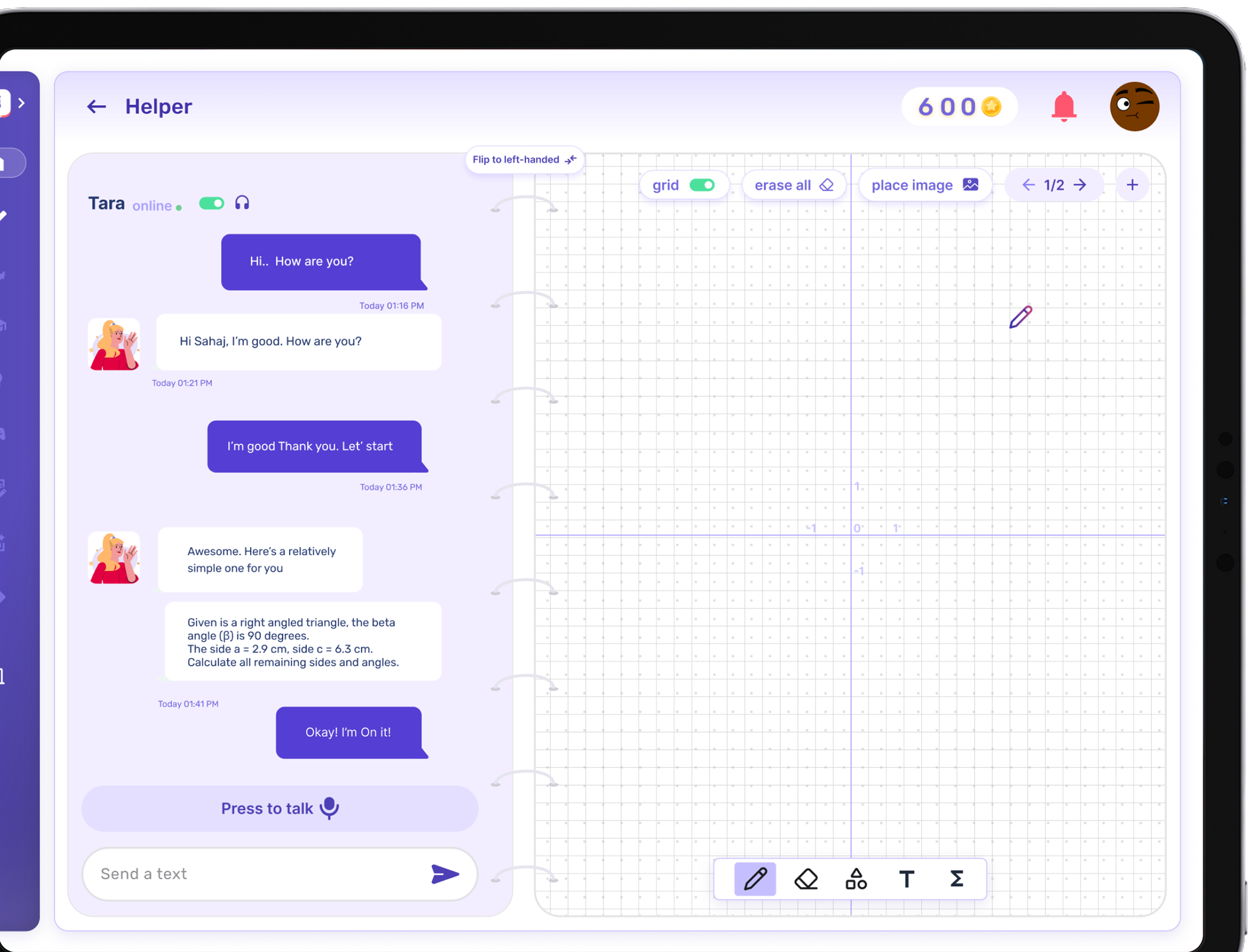
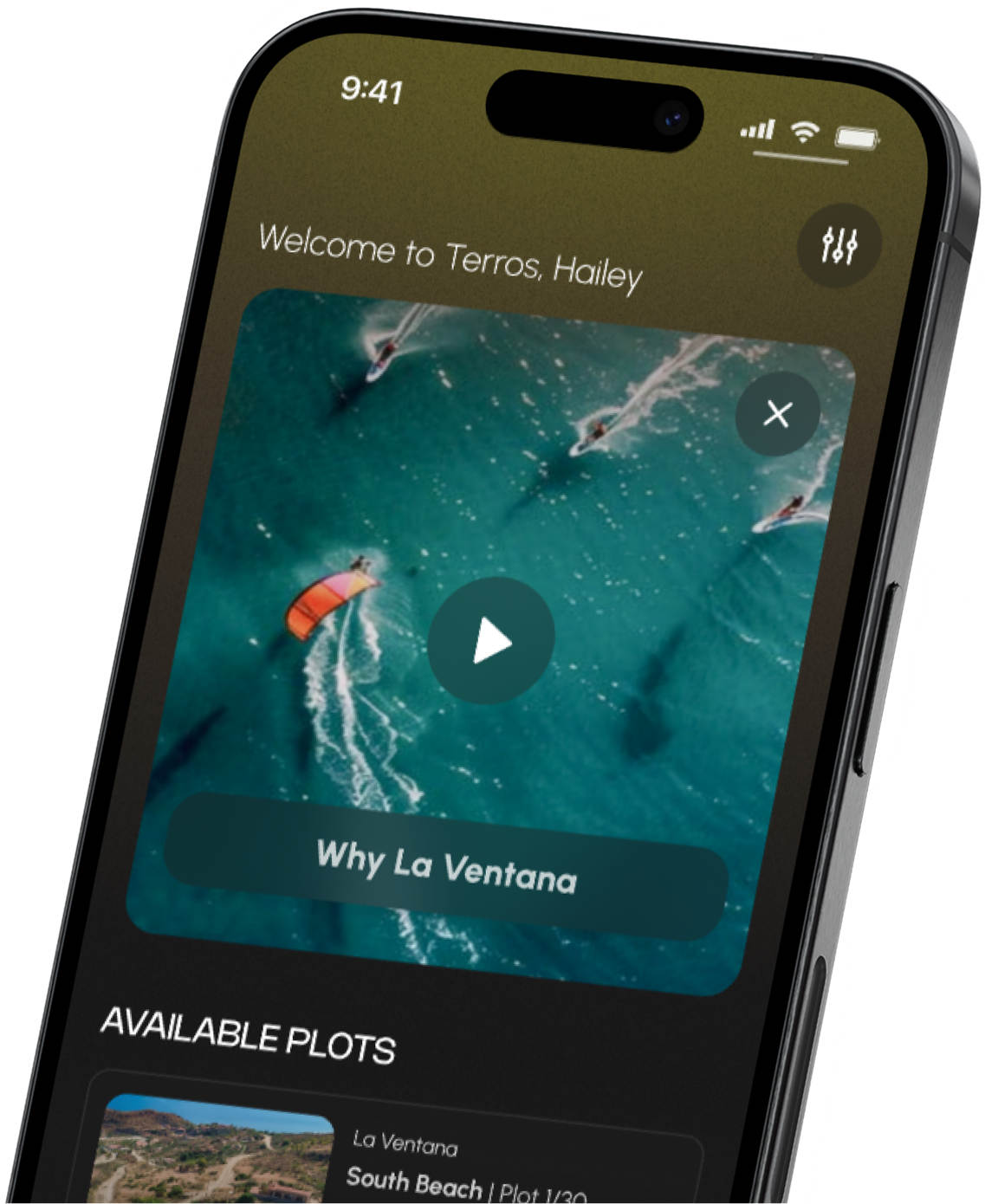
This is the exact work we have delivered repeatedly. For The Virtual Care Group, we built a HIPAA-compliant telehealth platform with real-time video visits, secure messaging, scheduling, and EHR/EMR integration serving students across dozens of campuses. For The Art of Medicine, we built a fully HIPAA-compliant prescription management portal with secure patient communication and audit trails. And Medical Exam of Me shows our work on dynamic electronic medical record integration, real-time patient data, and HIPAA-aligned health records across iPhone and Android.
How to Build a Telemedicine App: Step by Step
- Validate the idea and the compliance path. Confirm your care model, who your providers are, what states you will operate in, and which regulations apply, including HIPAA, state licensure, and prescribing rules, before building.
- Define the MVP. Pick the core care flow, such as scheduled video visits with secure messaging and records, and the minimum HIPAA-compliant feature set to deliver it. Add specialties and advanced billing later.
- Design wireframes to prototype. Design for patients of all ages and abilities, since accessibility and clarity drive adoption in healthcare. Build a clickable, non-functional prototype (NFP) of the booking, visit, and records flows in Figma and test them. An NFP is a clickable mockup of the screens and flows, not a working coded app, so you can validate the experience before engineering begins. Our design services team designs healthcare experiences that earn trust.
- Choose your stack and vendors. Lock in a HIPAA-eligible cloud, a compliant video provider, your EHR/EMR integration approach, an e-prescribing partner, and a payment processor, all under signed business associate agreements. See the recommended stack below.
- Build the product. Develop in sprints, integrating video, scheduling, and records early. Encrypt all PHI in transit and at rest, enforce role-based access, and log every access and action for audit.
- Test, run QA, and prepare for audit. Test video reliability, scheduling conflicts, records sync, and prescription flows, and document HIPAA controls. Our QA and support work is thorough because healthcare bugs affect real patients.
- Launch and clear Apple App Store review. Submit to Apple and Google, budget 24 to 48 hours for review in 2026 plus a one to two week buffer for any rejections, and prepare for scrutiny of medical claims, data handling, and account security.
- Iterate after launch. Track visit completion, no-show rates, message response times, and patient satisfaction. Improve the experience while keeping every change inside your HIPAA framework.
Recommended Tech Stack
- React Native for iOS and Android from one codebase, so patients on both platforms get a consistent, secure experience.
- Native Swift and Kotlin modules for reliable video, biometric login, secure local storage, and camera and microphone handling during visits.
- React for provider, admin, and patient web portals where scheduling, records, and reporting live.
- Node.js for the backend, real-time scheduling and messaging, and integrations with EHR/EMR, e-prescribing, and payment systems.
- Amazon Web Services (AWS), Google Cloud Platform, or Microsoft Azure on HIPAA-eligible services under a signed business associate agreement, with encryption, key management, and audit logging built in.
We do not build HIPAA-regulated healthcare apps on no-code platforms or Flutter; the security, auditability, and integration depth a medical product demands require a custom React Native and Node.js stack you fully control. Chop Dawg also offers a fully American team for regulated healthcare and government work. Explore our development services.
Get Your Free 45-Minute App Roadmap
Meet 1-on-1 with our senior product team. We’ll map your MVP or enterprise app and hand you a personalized plan—clear scope, a realistic timeline, and fixed monthly costs—for iOS & Android, web, tablets & wearables, and AI.
Realistic Timeline and Cost Band
| Phase | Timeline | Cost Band |
|---|---|---|
| Discovery, HIPAA planning, and architecture | 1 to 2 months | $10,000 to $20,000 |
| UX/UI design and prototyping | 1 to 2 months | $10,000 to $22,000 |
| Development, integrations, and QA | 4 to 6 months | $55,000 to $110,000+ |
| Apple App Store review and launch | About 1 to 2 weeks (24 to 48 hour review, buffer for rejections) | Included above |
| HIPAA-grade MVP total | 6 to 8 months | $75,000 to $150,000+ |
| Simpler scheduling or messaging tool | 4 to 6 months | $25,000 to $60,000 |
These bands reflect 2026 reality, where artificial intelligence (AI) and agent-based coding has cut the cost and timeline of comparable 2020 to 2023 builds roughly in half, though HIPAA compliance still requires careful human oversight. See our app development costs and pricing guide for detail.
Compliance and Pitfalls
For a telemedicine app, HIPAA is the foundation everything else sits on. Here is what to get right from day one.
- HIPAA from day one. Encrypt all protected health information in transit and at rest, enforce role-based access, log every access and action, and sign business associate agreements with every vendor that touches PHI, including your cloud and video providers.
- Secure video. Use an encrypted, HIPAA-eligible video provider with a signed BAA, never a consumer video tool. Visits must be private, reliable, and logged appropriately.
- EHR/EMR integration. Connect to record systems through secure, standards-based interfaces so patient data stays accurate and consistent without exposing it.
- E-prescribing rules. Follow federal and state prescribing requirements, including stricter workflows and identity controls for controlled substances.
- Payments and insurance. Process payments through compliant, PCI-aware systems, and handle insurance eligibility and billing without mixing payment data into clinical records improperly.
- State licensure and consent. Respect provider licensure across the states you serve and capture proper patient consent for telehealth.
The pitfalls that derail telemedicine builds:
- Treating HIPAA as a feature. Retrofitting encryption, access controls, and audit logging late forces expensive rework. Architect for compliance from the first sprint.
- Undefined edge cases. Dropped video calls, scheduling conflicts, failed prescription routing, and records that fail to sync all need defined, audited handling before launch.
- Scope creep. Adding specialties, remote monitoring, or complex billing to an MVP multiplies compliance work. Ship one solid care flow first.
- Apple App Store rejection. Apple and Google scrutinize medical apps for accurate claims, data handling, and security. Prepare your compliance and privacy documentation before submitting.
Frequently Asked Questions
How much does it cost to build a telemedicine app in 2026?
A HIPAA-grade telemedicine MVP typically costs $75,000 to $150,000 or more, since security, EHR/EMR integration, and e-prescribing dominate the work. A simpler scheduling or secure-messaging tool can run $25,000 to $60,000. Compliance and integrations are the main cost drivers.
How long does it take to build a telemedicine app?
Plan for six to eight months to a quality MVP. That includes one to two months of HIPAA planning and architecture, design, four to six months of development and integrations, and 24 to 48 hours for Apple App Store review in 2026 plus a one to two week buffer for any rejections.
What does HIPAA compliance actually require?
Encrypting protected health information in transit and at rest, role-based access controls, complete audit logging, signed business associate agreements with every vendor touching PHI, and documented security policies. It is an architectural commitment from day one, not a checkbox before launch.
How does video work in a telemedicine app?
Through a HIPAA-eligible, encrypted video provider under a signed BAA, embedded in the app with waiting rooms and reliable connections. You never use a consumer video tool, because visits carry protected health information and must be private and appropriately logged.
What is EHR/EMR integration and do I need it?
It connects your app to electronic health or medical record systems so patient histories, prescriptions, and visit notes stay consistent across the practice. Most clinical telemedicine apps need it; we built EHR/EMR integration into The Virtual Care Group platform.
Can a telemedicine app handle e-prescribing?
Yes, through a compliant e-prescribing partner that routes prescriptions to pharmacies, following federal and state rules, including stricter identity and workflow controls for controlled substances. We delivered secure prescription management for The Art of Medicine.
Should I use a US-based team for a HIPAA app?
For regulated healthcare and government work, a United States-led or fully American team helps with HIPAA alignment, accountability, and time-zone overlap. Chop Dawg is United States-headquartered and United States-led, with a fully American option for HIPAA and government work or a cost-effective US-plus-offshore blend at the same quality and timelines. Either way you get direct access to the senior team and own all the code and IP.
Build Your Telemedicine App With a HIPAA-Experienced Partner
Telemedicine leaves no room for shortcuts: a gap in HIPAA controls, video security, or records handling can stop a launch or expose patient data, so experience with compliant healthcare systems is essential. Since 2009, Chop Dawg has launched 500+ products used by more than a billion people worldwide, working as a partner, not an agency, with fixed monthly pricing you can end anytime. We are United States-headquartered and United States-led, with leadership, product and project management, and senior development, design, and QA on the American team, plus an in-house Brazilian design team and in-house development, QA, and project-management teams in Pakistan and India, everyone in-house Chop Dawg and assigned directly to you, never a subcontractor or middleman. For HIPAA and government work you can keep a fully American team, or choose a cost-effective US-plus-offshore blend at the same quality and timelines, and either way you reach the real senior team rather than a salesperson fronting developers you never meet. We built HIPAA-compliant telehealth for The Virtual Care Group, secure prescription management for The Art of Medicine, and HIPAA-aligned personal health records for Medical Exam of Me, and healthcare organizations that have trusted us include Jefferson Health, Penn Medicine, ForeveRX, and Overcoming MS. That work shows up in 300+ five-star reviews across trusted directories like Clutch, GoodFirms, G2, Google, and TopDevelopers. Whether you are a founder validating a new telehealth idea or an established practice or health system extending an existing platform, book your free 45-minute consultation and we will map your HIPAA path, features, timeline, and budget. Learn more about what we will do for you or explore our success stories.


 21 Min