







 15 Min


Building a SaaS application in 2026 means shipping a cloud-hosted, multi-tenant product with secure authentication, subscription billing, and a scalable back end, then iterating on it for years. A focused SaaS minimum viable product (MVP) realistically takes six to eight months and costs $25,000 to $60,000, while a complex platform runs $75,000 to $150,000 or more. The opportunity is enormous: worldwide SaaS revenue is projected to reach $512.27 billion in 2026, according to Statista. If you are tired of vague advice and want to know exactly what it takes, this guide walks you through the must-have features, the step-by-step build, the right stack, and the pitfalls that derail first-time SaaS founders.
Key Takeaways
- A focused SaaS MVP takes a realistic six to eight months and costs $25,000 to $60,000; complex or enterprise platforms run $75,000 to $150,000+.
- Multi-tenancy, secure authentication, role-based access, and subscription billing are non-negotiable foundations.
- Validate willingness to pay before you build; a free product nobody upgrades is not a business.
- React for the web app, Node.js for the back end, and a cloud platform like Google Cloud Platform, Amazon Web Services (AWS), or Microsoft Azure form the modern SaaS stack.
- Plan for security, compliance, and uptime from day one, not after your first enterprise customer asks.
What Is a SaaS Application and Its Core Features
Software as a service is software your customers access through a browser or app and pay for on a recurring basis, while you host and maintain it centrally. Instead of selling a one-time license, you deliver continuous value and earn recurring revenue. The model rewards retention, which means your product has to keep working and keep improving.
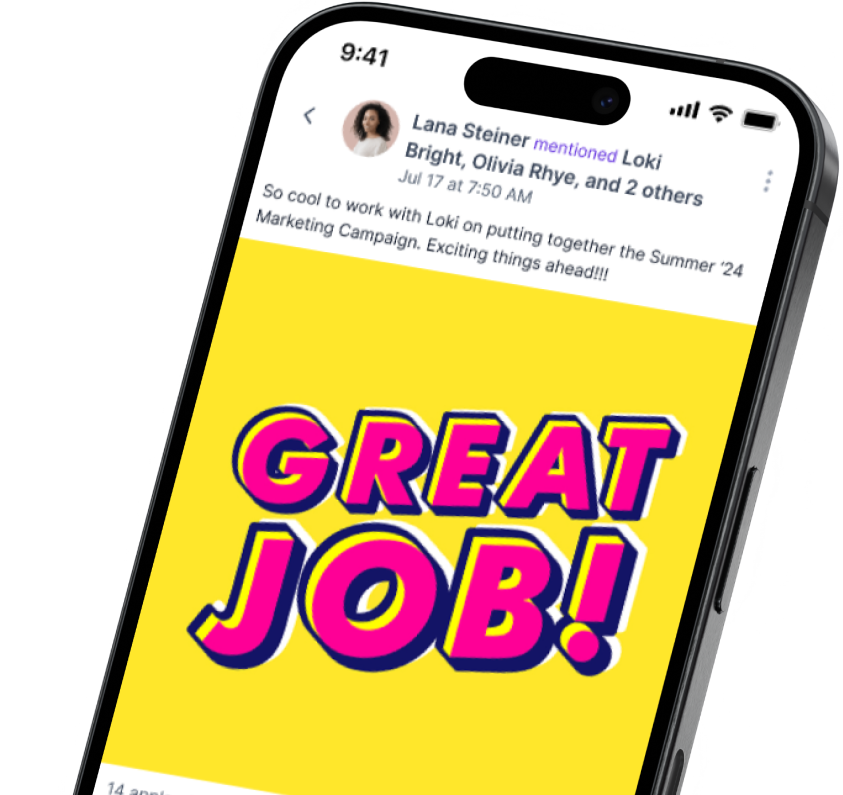
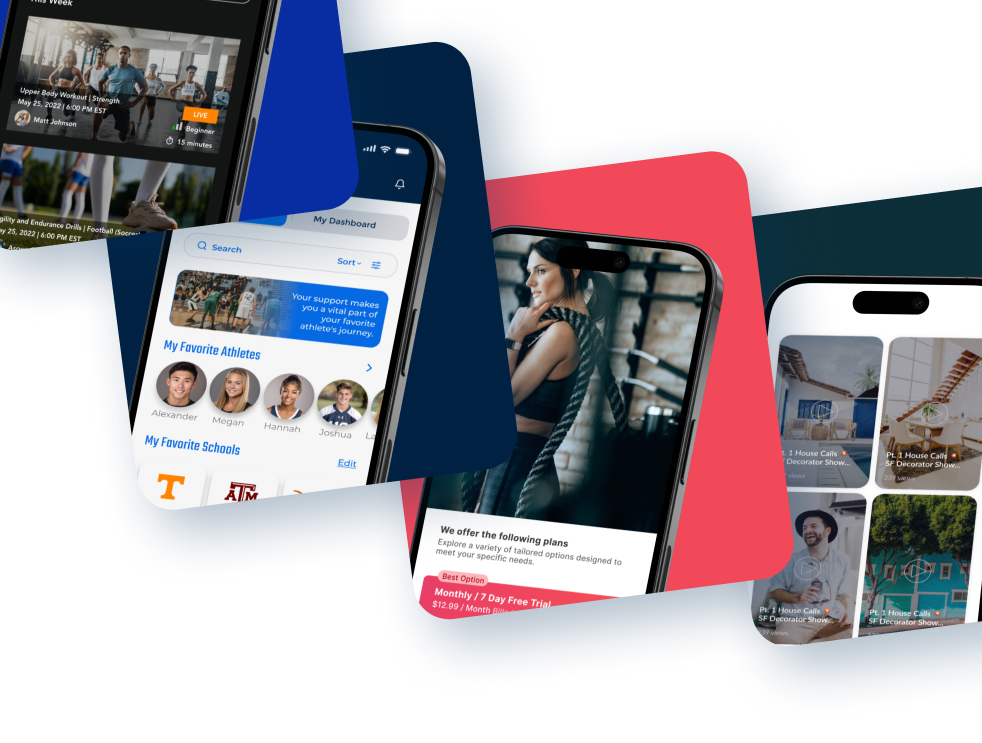
Every SaaS product needs a core set of features to function as a business. You need multi-tenancy so each customer’s data stays isolated and secure, authentication and role-based access control so the right people see the right things, a subscription and billing system, an admin dashboard for your team, and analytics so customers see the value they are paying for. On top of that foundation sits the one feature that actually solves your customer’s problem. We helped C.A. Short Company launch its first SaaS-style platform in the company’s 85-year history, an employee recognition and engagement system built around exactly this kind of core value, detailed in the C.A. Short success story.
The Step-by-Step Process to Build a SaaS Application
Step 1: Validate the Idea and Willingness to Pay
SaaS lives or dies on recurring revenue, so validate that people will pay before you build. Interview target customers, map how they solve the problem today, and confirm the pain is big enough to open a wallet for. Pre-sales, letters of intent, or a waitlist with deposits are stronger signals than polite enthusiasm.
Step 2: Define the MVP and Pricing Model
Scope the smallest product that delivers your core value, and decide how you will charge: per seat, per usage, or tiered plans. Pricing is a product decision, not an afterthought, because it shapes what you build. Cut every feature that is not essential to the first paying customer. Our strategic planning process locks this scope and pricing logic before design begins.
Step 3: Design Wireframes to Prototype
Turn the MVP into wireframes, then polished screens, then a clickable, non-functional prototype (NFP). SaaS dashboards live or die on clarity, so test the core workflows with real users before development. Designing in Figma lets stakeholders sign off on the full experience early, when changes cost nothing. See how we approach UI/UX design and prototyping.
Step 4: Choose the Tech Stack
Pick a stack built for scale and security. For most SaaS products, that means a React web application, a Node.js back end with a well-structured application programming interface (API), a relational database like PostgreSQL for clean multi-tenant data, and a cloud platform like Google Cloud Platform, AWS, or Microsoft Azure. This is the pairing behind the multi-tenant platforms we build: a React front end, a Node.js and PostgreSQL backend, self-service organization registration, OAuth 2.0 and OIDC authentication, role-based access control, and encrypted credential management, chosen because they keep tenant data clean and isolated as you scale.
Step 5: Build the Application
Development runs in sprints with working builds at each milestone. Senior engineers handle the multi-tenant architecture, billing integration, authentication flows, and API design while reviewing every change. In 2026, artificial intelligence (AI) and agent-assisted coding tools like Claude Code and Cursor speed this up, but engineers review and edit the output rather than ship unverified code, a discipline that has roughly halved typical 2020-to-2023 costs and timelines.
Get Your Free 45-Minute App Roadmap
Meet 1-on-1 with our senior product team. We’ll map your MVP or enterprise app and hand you a personalized plan—clear scope, a realistic timeline, and fixed monthly costs—for iOS & Android, web, tablets & wearables, and AI.
Step 6: Test, QA, and Secure
SaaS handles other companies’ data, so security and reliability are part of QA, not extras. Your team tests functionality, edge cases, performance under load, data isolation between tenants, and security across the board. This is also where you confirm billing edge cases like failed payments, upgrades, downgrades, and cancellations behave correctly. The discipline carries into operational SaaS too: our Innovative Vending Solutions success story modernized rental and self-service operations into a clean, manageable platform, the kind of multi-account software businesses rely on every day.
Step 7: Launch and Onboard
Deploy to production with monitoring in place, then focus relentlessly on onboarding. The first five minutes determine whether a new customer activates or churns, so a guided setup and a clear “aha” moment matter more than any landing page. A staged rollout lets you watch performance and fix issues before scaling user load.
Step 8: Iterate and Reduce Churn
After launch, your job shifts to retention and expansion. Watch activation, engagement, and churn metrics, talk to customers who leave, and ship the roadmap in priority order. SaaS compounds: small improvements to onboarding and retention pay off every single month. Our proven process carries through post-launch so growth does not stall.
Recommended Tech Stack
This is the modern, scalable stack we recommend for most SaaS applications in 2026.
- React: A fast, component-based front end ideal for data-rich dashboards and complex SaaS workflows.
- Node.js: A scalable back end with a mature ecosystem, sharing one language with your front-end team for faster delivery.
- React Native: Added when your SaaS needs a companion mobile app, built from a shared codebase for iOS and Android.
- Native Swift or Kotlin: Reserved for mobile features that demand native performance or device hardware.
- Google Cloud Platform, AWS, or Microsoft Azure: Enterprise-grade compute, managed databases, storage, and security that scale with your customer base and support compliance needs.
Realistic Timeline and Cost by Complexity
| SaaS Type | Example | Timeline | Cost Band |
|---|---|---|---|
| Focused MVP | Single core workflow, basic billing, one user role | 6 to 8 months | $25,000 to $60,000 |
| Growth-stage platform | Multiple roles, integrations, analytics, companion app | 8 to 11 months | $75,000 to $120,000 |
| Complex / enterprise | Advanced multi-tenancy, compliance, deep integrations | 10 to 14 months | $120,000 to $150,000+ |
For a full breakdown of what drives the number, see our app development costs and pricing guide.
Common Pitfalls to Avoid
- Building before validating willingness to pay: Free interest is not revenue. Confirm customers will pay before you commit months of budget.
- Scope creep: SaaS invites endless feature requests. Lock the MVP and defend it, or your launch date and budget will slip.
- Weak multi-tenancy or security: A data leak between tenants can end a SaaS company. Architect isolation and security from the start.
- Ignoring onboarding: Customers churn in the first session if they never reach value. Treat onboarding as a core feature.
- Skipping QA on billing: Broken upgrades, double charges, or failed cancellations destroy trust fast. Test every billing path.
Frequently Asked Questions
How much does it cost to build a SaaS application in 2026?
A focused SaaS MVP typically costs $25,000 to $60,000, while a complex or enterprise platform runs $75,000 to $150,000 or more. Cost is driven by feature depth, integrations, compliance needs, and whether you add a companion mobile app. AI-assisted development reviewed by senior engineers has cut typical past costs by roughly half.
How long does it take to build a SaaS product?
Plan for six to eight months for a quality MVP, covering planning, design, development, and QA. Growth-stage and enterprise platforms with advanced multi-tenancy, integrations, and compliance typically take eight to fourteen months. Validating demand first and locking a tight MVP scope is the most reliable way to protect that timeline.
What tech stack is best for SaaS?
For most SaaS products, React powers the web front end, Node.js runs the back end and API, PostgreSQL stores multi-tenant data cleanly, and a cloud platform like Google Cloud Platform, AWS, or Microsoft Azure provides scalable, secure hosting. If you need a mobile companion, React Native shares one codebase across iOS and Android. This stack balances speed, scale, and security.
Should I build a SaaS MVP first?
Yes. An MVP delivers your core value to the first paying customers fast, validates your pricing, and generates real feedback before you invest in a full feature set. It lowers risk and cost, and it gives you revenue and learnings that shape the roadmap. Building everything upfront is the most common and expensive SaaS mistake.
How do I handle billing and subscriptions?
Most SaaS products integrate a proven payments provider to manage subscriptions, invoicing, upgrades, downgrades, and failed payments rather than building billing from scratch. Your team designs the pricing tiers and access logic, then connects a reliable billing engine. The key is testing every path, including cancellations and plan changes, so revenue and access always stay in sync.
Do I need to worry about security and compliance early?
Absolutely. SaaS holds other companies’ data, so multi-tenant isolation, encryption, secure authentication, and audit logging belong in the architecture from day one. If you serve regulated industries like finance or healthcare, build with those compliance requirements in mind early. Retrofitting security after an enterprise prospect demands it is far slower and costlier than designing it in.
Ready to Build Your SaaS Platform?
A great SaaS product is a long-term engine, and it deserves a partner who thinks past launch day. Since 2009, Chop Dawg has helped launch 500+ products used by more than a billion people, and 92% of our partners come back to build again. We are a partner, not an agency. You work directly with a United States-headquartered, United States-led team for leadership, project management, and senior design, development, and QA, backed by our in-house Brazilian design team and in-house development and QA teams in India and Pakistan, everyone in-house and assigned directly with no middleman. Choose a fully American team for regulated or government work, or a cost-effective United States-plus-offshore blend with the same quality, timelines, and senior oversight. Either way, you get weekly and bi-weekly Zoom calls, daily Slack, and Figma, GitHub, Jira, and Confluence for full visibility, plus fixed-monthly pricing and full ownership of your code and intellectual property (IP) from day one. We are proud of our 300+ five-star reviews across trusted directories like Clutch, GoodFirms, G2, Google, and TopDevelopers. Whether you are validating a brand-new SaaS idea or scaling, modernizing, or extending a platform you already run, book your free 45-minute consultation and let’s turn it into a scalable, revenue-ready product.


 21 Min