




















 17 Min


To build a fintech app and stay compliant in 2026, you need to treat regulation as a core feature, not an afterthought: Know Your Customer (KYC) and Anti-Money Laundering (AML) checks, bank connectivity through providers like Plaid, Payment Card Industry Data Security Standard (PCI DSS)-compliant payments, encryption, and the right licensing all have to be designed in from day one. A compliance-heavy fintech minimum viable product (MVP) typically takes six to eight months and runs $75,000 to $150,000 or more, because the regulatory and security work is the build. Demand is enormous: the U.S. neobanking market alone is projected to surpass $48.5 billion in 2026 according to TechRT, and millions more use fintech apps for payments, lending, and investing. This guide walks through the features, the build process, the stack, the compliance steps, realistic costs, and the pitfalls.
Key Takeaways
- Compliance is the foundation of a fintech app: KYC, AML, PCI, and data security must be designed in from day one, not bolted on.
- Bank connectivity through aggregators like Plaid lets you link accounts and move money without storing raw banking credentials.
- Plan for six to eight months to a quality MVP, including 24 to 48 hours for Apple App Store review in 2026, plus a one to two week buffer in case of rejections.
- Budget $75,000 to $150,000 or more for compliance-heavy fintech, since regulatory and security work is the bulk of the effort; a simpler single-feature tool can run $25,000 to $60,000.
- Build on React Native with native security modules, React for dashboards, and a Node.js backend on a System and Organization Controls 2 (SOC 2)-ready cloud platform.
What Is a Fintech App and What Are the Core Features?
A fintech app delivers financial services such as payments, banking, lending, or investing through software, which means it handles money and sensitive personal data under strict regulation. The product surface looks simple, but the systems behind it, identity verification, transaction processing, fraud monitoring, and bank integration, are where most of the work lives.
Core features for most fintech apps in 2026:
- Secure onboarding with KYC. Identity verification, document capture, and checks that confirm a user is who they claim to be.
- Bank account linking. Connectivity through an aggregator like Plaid to verify accounts, pull balances and transactions, and enable transfers.
- Payments and transfers. Money movement through PCI DSS-compliant processors and rails such as Automated Clearing House (ACH), card networks, or real-time payments.
- Transaction history and dashboards. Clear, real-time views of balances, activity, and statements.
- Fraud and AML monitoring. Transaction screening, anomaly detection, and reporting that satisfy anti-money-laundering obligations.
- Notifications and security controls. Multi-factor authentication, biometric login, alerts, and granular permissions.
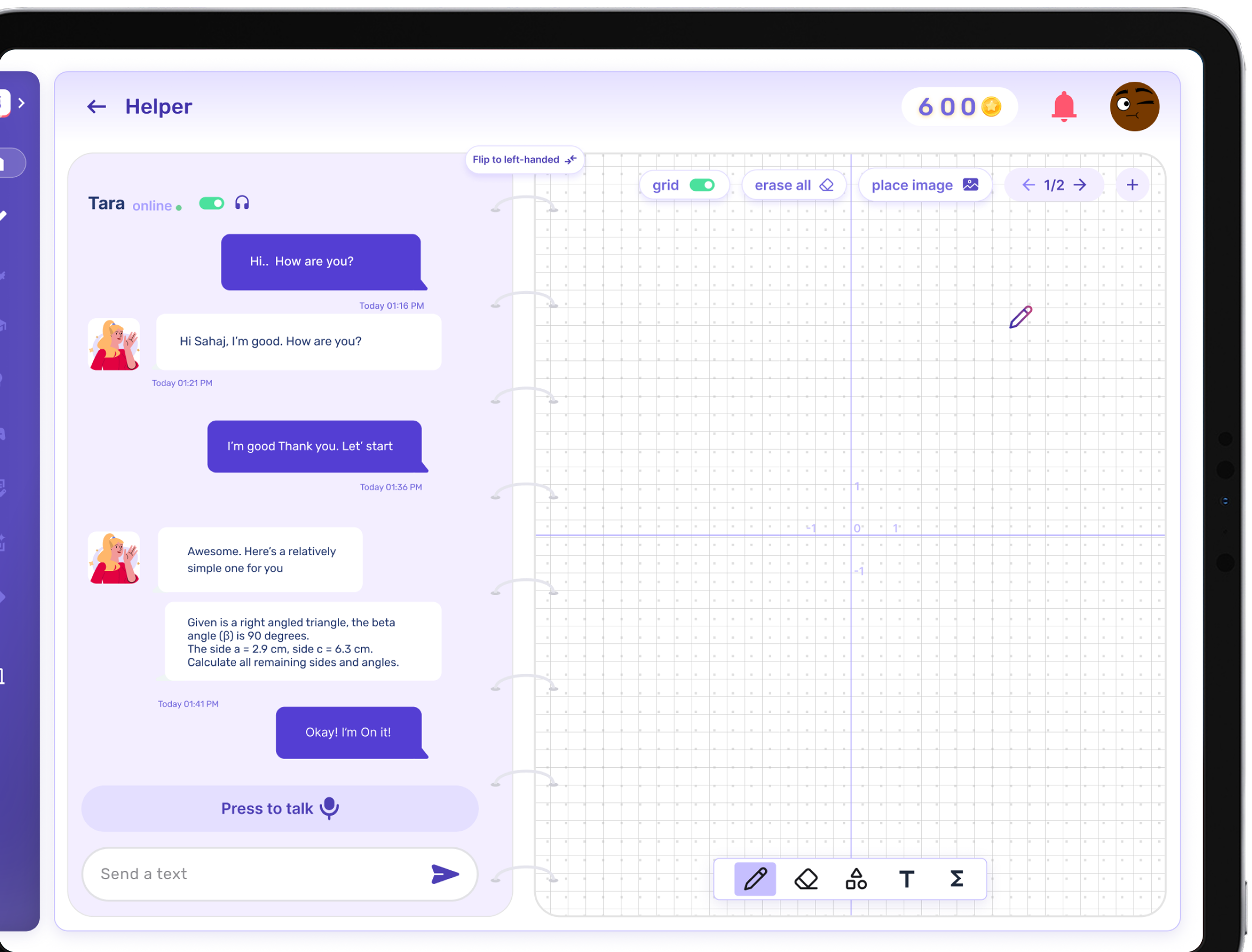
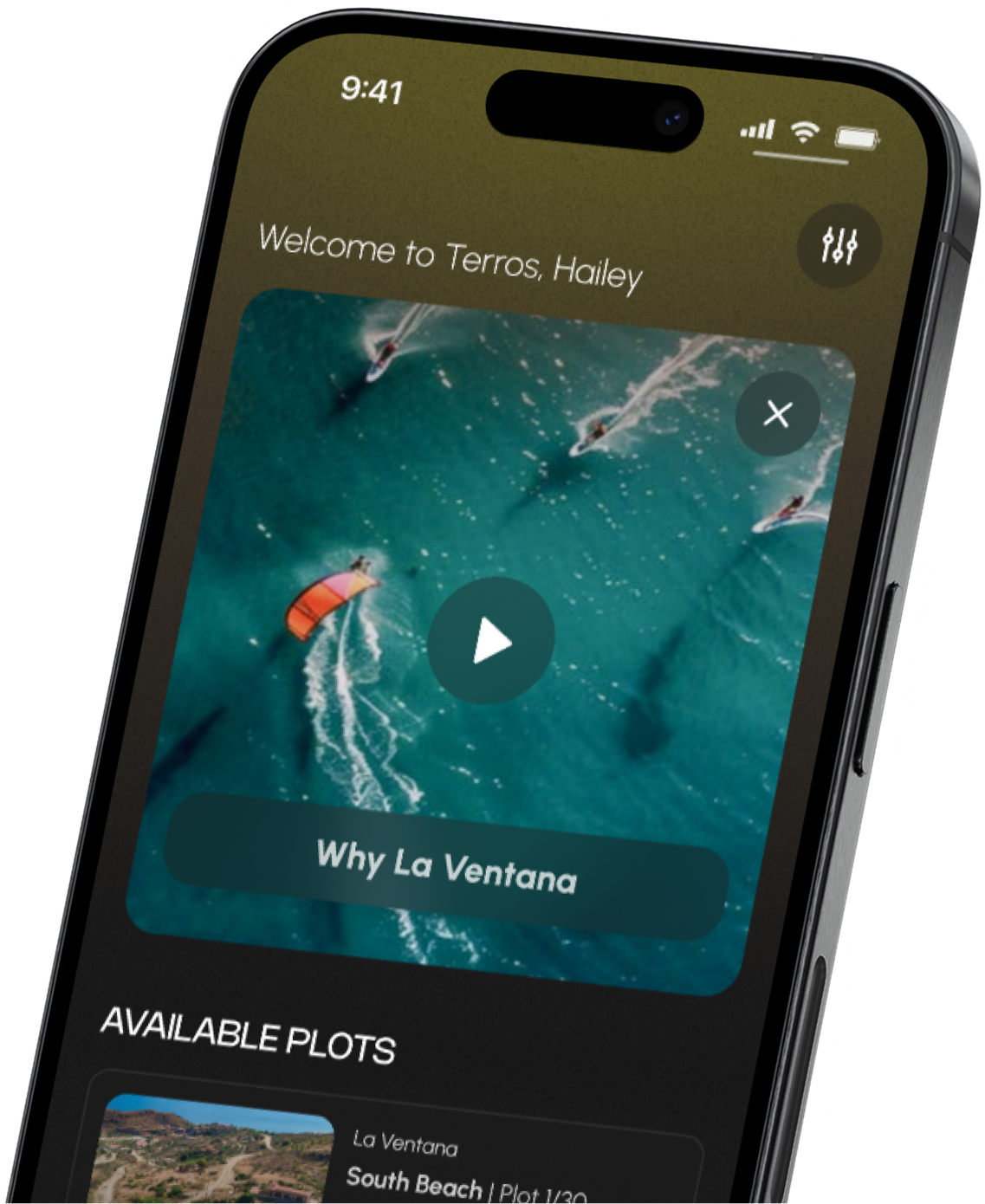
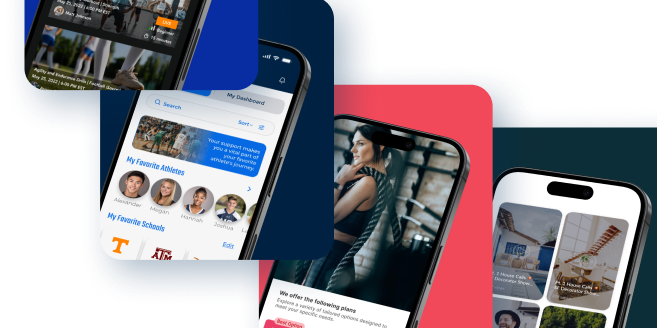
This is exactly the territory of the Integrated CashLogistics mobile app we designed and built, a secure cash-management product with encrypted transactions, complete audit trails, and backend application programming interface (API) integration that keeps sensitive financial data protected end to end. We also brought regulated investing to mobile with Terros, a fractional real-estate investment platform where secure onboarding, transaction integrity, and clear financial reporting were central to the build.
How to Build a Fintech App: Step by Step
- Validate the idea and the regulatory path. Fintech ideas live or die on compliance feasibility. Before building, confirm what licenses you need, whether you will partner with a sponsor bank, and which regulations apply to your model.
- Define the MVP. Pick one core financial job, such as payments, account aggregation, or lending, and the minimum compliant feature set to do it. KYC, secure bank linking, and the core transaction flow stay. Extra products wait.
- Design wireframes to prototype. Map flows that build trust, since users hand a fintech app their money and identity. Build a clickable, non-functional prototype (NFP) of the onboarding, verification, and transaction screens in Figma and test it. Our design services team designs for clarity and confidence.
- Choose your stack and providers. Lock in your technology, your bank aggregator, your payment processor, and your KYC and AML vendors before building. See the recommended stack below.
- Build the product. Develop in sprints, integrating KYC, bank connectivity, and payments early since they carry the most risk and complexity. Encrypt sensitive data at rest and in transit, and log every financial action for auditability.
- Test, run QA, and prepare for audit. Test transaction edge cases, failed verifications, and security scenarios, and document controls for SOC 2 and regulatory review. Our QA and support work is rigorous because financial bugs are expensive.
- Launch and clear Apple App Store review. Submit to Apple and Google, budget 24 to 48 hours for review in 2026 plus a one to two week buffer for any rejections, and prepare for scrutiny of financial features, data handling, and account security.
- Iterate after launch. Monitor transaction success, fraud signals, KYC pass rates, and retention. Tune fraud rules and onboarding while keeping every change inside your compliance framework.
Recommended Tech Stack
- React Native for iOS and Android from one codebase, so you ship a consistent, secure app to both platforms efficiently.
- Native Swift and Kotlin modules for biometric authentication, secure key storage in the device keychain or keystore, and certificate pinning.
- React for web banking, admin, and compliance dashboards where data density and speed matter.
- Node.js for the backend, transaction processing, and integrations with Plaid, payment processors, and KYC and AML providers.
- Amazon Web Services (AWS), Google Cloud Platform, or Microsoft Azure for hosting on infrastructure that supports SOC 2, encryption, key management, and audit logging out of the box.
We do not build regulated fintech on no-code platforms or Flutter; the security, auditability, and integration depth a financial product demands require a custom React Native and Node.js stack you fully control. For regulated and government-grade work, Chop Dawg also offers a fully American team. Explore our development services.
Realistic Timeline and Cost Band
| Phase | Timeline | Cost Band |
|---|---|---|
| Discovery, compliance planning, and architecture | 1 to 2 months | $10,000 to $20,000 |
| UX/UI design and prototyping | 1 to 2 months | $10,000 to $22,000 |
| Development, integrations, and QA | 4 to 6 months | $55,000 to $110,000+ |
| Apple App Store review and launch | About 1 to 2 weeks (24 to 48 hour review, buffer for rejections) | Included above |
| Compliance-heavy MVP total | 6 to 8 months | $75,000 to $150,000+ |
| Simpler, single-feature fintech tool | 4 to 6 months | $25,000 to $60,000 |
These bands reflect 2026 reality, where artificial intelligence (AI) and agent-based coding has cut the cost and timeline of comparable 2020 to 2023 builds roughly in half, though compliance work still demands careful human oversight. See our app development costs and pricing guide for more.
Compliance and Pitfalls
For a fintech app, compliance is not a section of the project; it is the spine. Here are the steps to get right from day one.
- KYC (Know Your Customer). Verify identity at onboarding with document checks, biometric matching, and database screening, usually through a specialized KYC vendor, so you know who your users are before they move money.
- AML (Anti-Money Laundering). Screen transactions for suspicious activity, check users against sanctions and watchlists, and build the reporting workflows regulators expect. AML monitoring runs continuously, not just at signup.
- Bank integrations. Connect accounts through an aggregator like Plaid so users link banks securely and you never store raw credentials. This also powers balance checks and transfers under established security practices.
- Payment Card Industry Data Security Standard (PCI DSS). If you touch card data, use a PCI DSS-compliant processor that tokenizes card details so sensitive numbers never hit your servers, drastically reducing your compliance scope and risk.
- Data security and SOC 2. Encrypt data in transit and at rest, enforce least-privilege access, log every action, and build toward SOC 2 controls. Financial data is a top target, so security is continuous.
- Licensing and banking partners. Depending on your model, you may need money transmitter licenses or a sponsor bank relationship. Settle this early, since it shapes your entire architecture and launch timeline.
The pitfalls that derail fintech builds:
- Treating compliance as a phase. Retrofitting KYC, AML, and encryption late forces costly rework. Design them in from the first sprint.
- Undefined edge cases. Failed verifications, disputed transactions, partial transfers, and account lockouts all need defined, audited handling before launch.
- Scope creep. Adding lending, crypto, or investing to a payments MVP multiplies regulatory burden. Ship one compliant product first.
- Apple App Store rejection. Apple and Google scrutinize financial apps for security, data handling, and clear disclosures. Prepare your compliance documentation before submitting.
Frequently Asked Questions
How much does it cost to build a fintech app in 2026?
A compliance-heavy fintech MVP typically costs $75,000 to $150,000 or more, because KYC, AML, security, and bank integrations are the bulk of the work. A simpler single-feature tool can run $25,000 to $60,000. Regulatory complexity is the main cost driver.
How long does it take to build a fintech app?
Plan for six to eight months to a quality MVP. That includes one to two months of compliance planning and architecture, design, four to six months of development and integrations, and 24 to 48 hours for Apple App Store review in 2026 plus a one to two week buffer for any rejections.
What compliance do I need for a fintech app?
At minimum, KYC for identity verification, AML for transaction monitoring, PCI DSS if you handle card data, and strong data security with SOC 2 controls. Depending on your model you may also need money transmitter licensing or a sponsor bank. Plan all of this from day one.
What is Plaid and do I need it?
Plaid is a bank-connectivity provider that lets users securely link accounts so your app can verify them, read balances and transactions, and enable transfers without storing raw banking credentials. Most account-based fintech apps use an aggregator like Plaid rather than building bank integrations from scratch.
How do you keep a fintech app secure?
Encrypt data in transit and at rest, store secrets in the device keychain or keystore, use multi-factor and biometric authentication, tokenize card data through a PCI-compliant processor, log every financial action, and work toward SOC 2. Security in fintech is continuous, not a one-time task.
Can I avoid getting a financial license?
Often you can reduce your regulatory burden by partnering with a sponsor bank or using a banking-as-a-service provider, rather than holding licenses yourself. The right path depends on your product, so resolve it early because it shapes your architecture and timeline.
Should I use a US-based team for a regulated fintech app?
For regulated and government-grade financial work, a US-led or fully American team helps with compliance alignment and accountability. Chop Dawg offers a fully American option for exactly these projects, alongside US-plus-offshore blends for cost flexibility.
Build Your Fintech App With a Compliance-First Partner
Fintech is unforgiving: a single gap in KYC, security, or payments can stop a launch or trigger real liability, so experience with regulated, finance-grade systems matters. Since 2009, Chop Dawg has launched 500+ products used by more than a billion people worldwide, for both first-time founders with a new idea and established institutions scaling or modernizing an existing product. We work as a partner, not an agency, with a United States-headquartered, United States-led team for leadership, project management, and senior design, development, and QA, backed by our in-house Brazilian design team and in-house development and QA teams in India and Pakistan, everyone in-house and assigned directly with no middleman. For regulated and government-grade work we staff a fully American team, and either way you get weekly and bi-weekly Zoom calls, daily Slack, and Figma, GitHub, Jira, and Confluence for full visibility, fixed monthly pricing, and full ownership of your code and intellectual property (IP). We built the Integrated CashLogistics cash-management app with encrypted transactions and full audit trails, and we delivered secure onboarding and financial reporting for the Terros investing platform. Enterprise organizations that have trusted Chop Dawg include Siemens and Hilton, the kind of security-conscious institutions that hold software to a high bar. That work is reflected in 300+ five-star reviews across trusted directories like Clutch, GoodFirms, G2, Google, and TopDevelopers. Book your free 45-minute consultation and we will map your compliance path, features, timeline, and budget. Learn more in development services or browse our success stories.


 15 Min