















 12 Min


To add real-time features to your app, you connect clients through a persistent channel (usually WebSockets) or a managed real-time service like Firebase, then push changes the instant they happen instead of waiting for users to refresh. That single architectural decision powers live chat, presence indicators, live updates, and multi-device data sync. The stakes are real: the web real-time communication market was valued at USD 8.71 billion in 2024 and is projected to grow at a 45.7% CAGR to reach USD 81.10 billion by 2030, according to Grand View Research. The pain is that real-time is easy to demo and hard to scale, and the wrong approach quietly drains your budget. This guide shows you how to choose correctly the first time.
Key Takeaways
- Real-time features rely on a persistent connection, most commonly WebSockets, or a managed backend like Firebase that handles connections, fan-out, and offline sync for you.
- The publish-subscribe (pub-sub) pattern is the backbone of scalable real-time: clients subscribe to channels, and the server broadcasts only relevant events to only the right users.
- Presence (who is online, typing, or nearby) and offline data sync are the two features teams most often underestimate, and both drive cost.
- Costs scale with concurrent connections and messages, not total users, so a small but highly active audience can be more expensive than a large passive one.
- Chop Dawg builds real-time systems on React Native, Node.js, and Firebase or Google Cloud Platform, choosing the approach that fits your traffic pattern and budget.
What “Real-Time” Actually Means
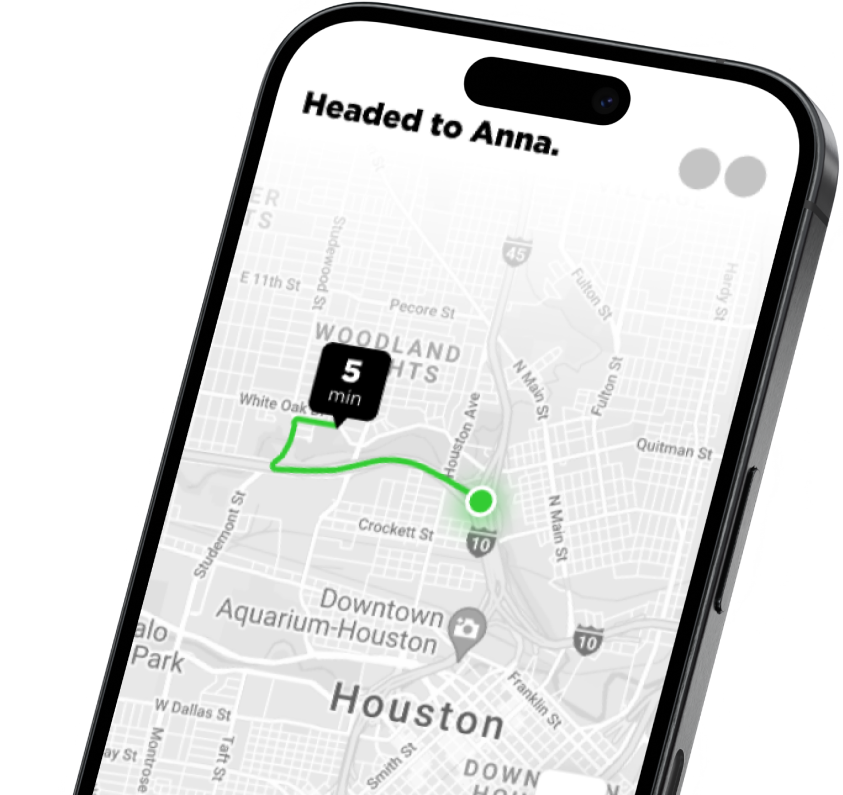
Most apps use request-response: the client asks the server for data, the server answers, and the conversation ends. Real-time flips that. The connection stays open, and the server pushes data to the client the moment something changes. A new message, a price update, a friend coming online, a delivery moving on a map: each arrives in milliseconds without the user lifting a finger.
There are several ways to achieve this, and they are not interchangeable. The right choice depends on how many users are connected at once, how often data changes, and whether messages flow one way or both ways. Picking the wrong mechanism is one of the most common and expensive architecture mistakes we see when teams come to us for a rebuild. Our app development team evaluates the traffic pattern before writing a line of code.
A Table of Real-Time Approaches
| Approach | How It Works | Best For | Tradeoffs |
|---|---|---|---|
| WebSockets | A single persistent, two-way connection between client and server | Live chat, multiplayer, collaborative editing, anything bidirectional | Most flexible and lowest latency, but you manage scaling, reconnection, and infrastructure |
| Firebase Realtime Database / Firestore | Managed cloud database that syncs and streams changes to all clients automatically | Startups and apps that need real-time plus offline sync without running servers | Fast to ship and includes offline support, but pricing scales with reads, writes, and connections |
| Server-Sent Events (SSE) | A one-way stream from server to client over standard HTTP | Live feeds, notifications, dashboards, scores, and other read-only updates | Simple and efficient for one-way data, but cannot send data back up the same channel |
| Long polling | The client repeatedly asks the server and the server holds the request open until there is news | Legacy environments or fallback when WebSockets are blocked | Works almost everywhere, but is chattier, higher latency, and harder on servers at scale |
| Managed pub-sub (such as Pusher, Ably, or PubNub) | A third-party service handles channels, fan-out, and presence for you | Teams that want real-time fast without building socket infrastructure | Removes operational burden, but adds a per-message or per-connection vendor cost |
The Publish-Subscribe Pattern
Underneath nearly every scalable real-time feature sits the publish-subscribe pattern. Instead of every client talking to every other client, users subscribe to named channels, such as a specific chat room, an auction, or a delivery they are tracking. When an event happens, the server publishes it once, and the system fans it out only to the clients subscribed to that channel.
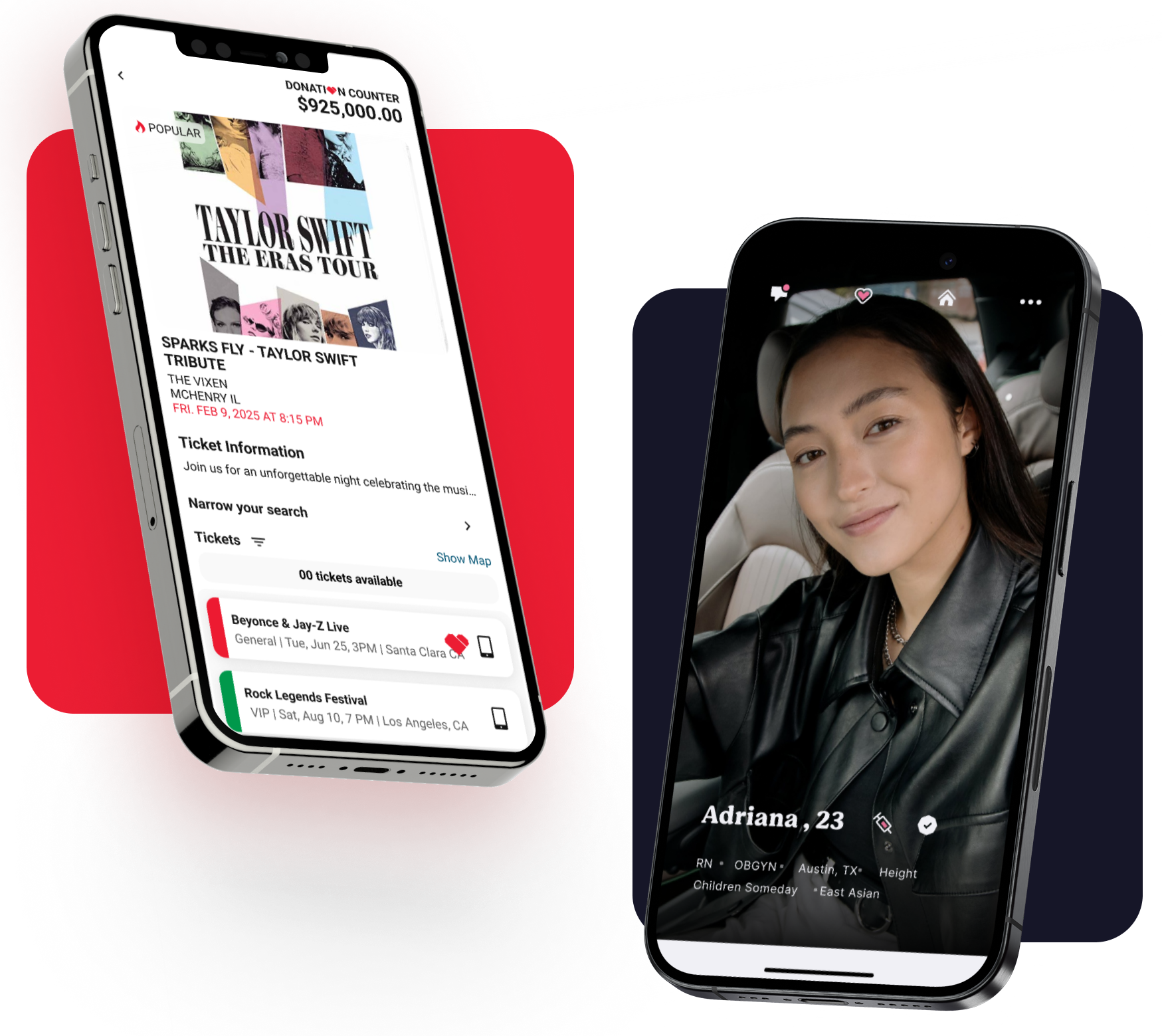
This matters for cost and performance. A naive design that broadcasts every event to every connected user will buckle the moment you grow. A well-designed pub-sub layer broadcasts the minimum: only the right event, to only the right people, at only the right time. When we built SeekQ, a real-time proximity and connection app with live “Fishbowl” and “Sea” views plus secure instant messaging, the channel design was the difference between a smooth experience and a runaway server bill.
Get Your Free 45-Minute App Roadmap
Meet 1-on-1 with our senior product team. We’ll map your MVP or enterprise app and hand you a personalized plan—clear scope, a realistic timeline, and fixed monthly costs—for iOS & Android, web, tablets & wearables, and AI.
Presence: Online, Typing, and Nearby
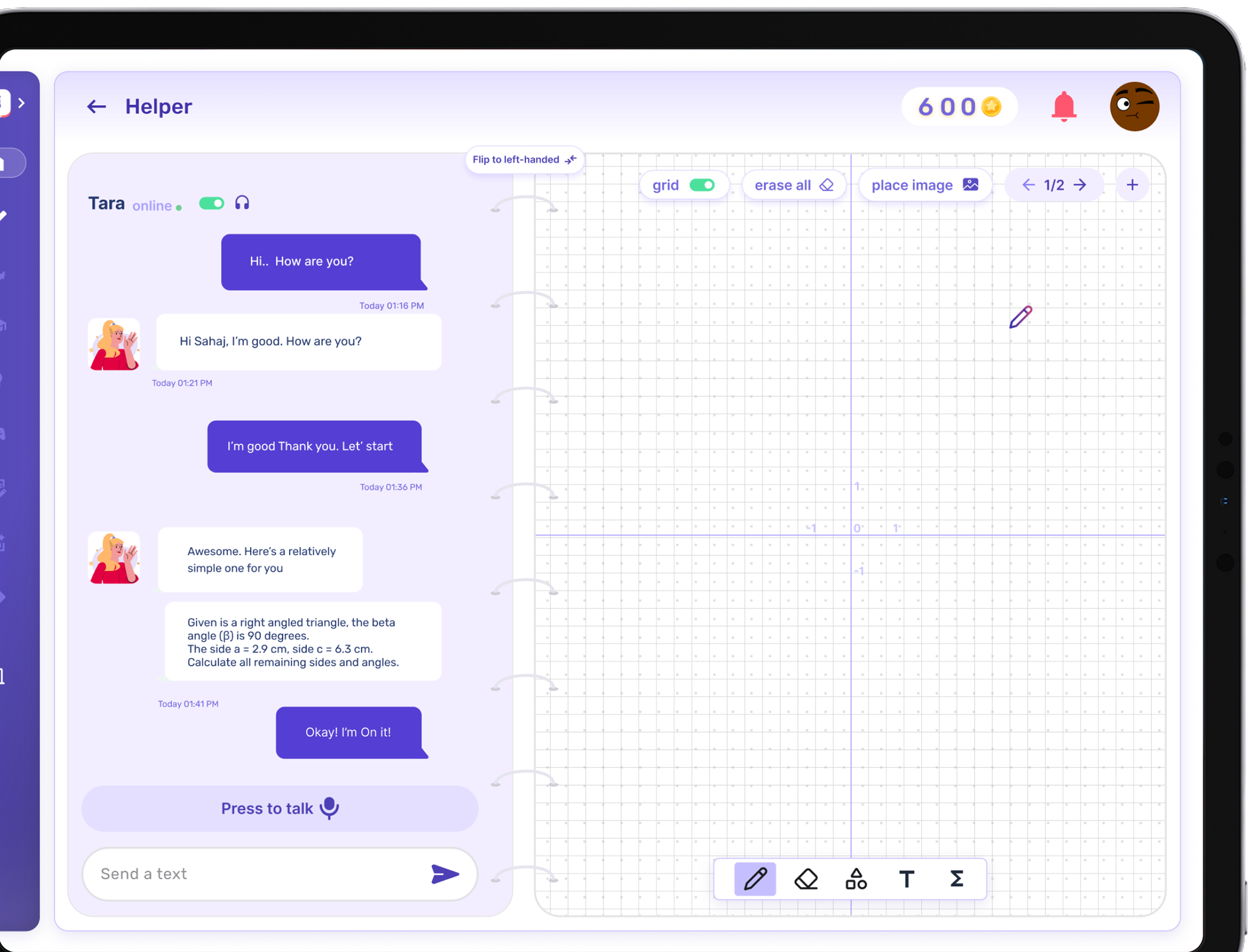
Presence is the small green dot, the “typing…” indicator, and the list of who is nearby. Users now expect it, and it is deceptively expensive because presence state changes constantly. Every time someone opens the app, switches screens, goes idle, or loses signal, the system must update and broadcast that change.
The key is to debounce and batch presence updates rather than firing one event per keystroke or per second. Firebase offers built-in presence handling tied to connection state, which is one reason it is popular for social and dating apps. If you build presence yourself on WebSockets, plan for the edge cases early: dropped connections, app backgrounding, and devices that never send a clean “goodbye.” Our proven process bakes these edge cases into the plan before development starts.
Offline Sync: The Hardest Part
Real apps run on subways, in elevators, and across spotty connections. Offline sync lets a user keep reading, typing, and acting while disconnected, then reconciles their changes with the server once they reconnect. This is genuinely hard. Two people can edit the same record offline, and your system has to decide whose change wins without losing data or confusing the user.
Managed services help enormously here. Firestore and the Firebase Realtime Database queue writes locally and sync them automatically when the device comes back online, with sensible conflict defaults you can customize. Building the same reliability on raw WebSockets means implementing local storage, a sync queue, conflict resolution, and retry logic yourself. That is doable and sometimes the right call for full control, but it is real engineering work that belongs in the budget from day one, not bolted on later. See our guide on building apps that scale for how this connects to broader architecture decisions.
The Real Costs of Real-Time
Here is the budget reality most founders miss: real-time cost scales with concurrent connections and message volume, not with how many people downloaded your app. Ten thousand users who each open the app once a week cost far less than one thousand users in a live auction sending bids every second.
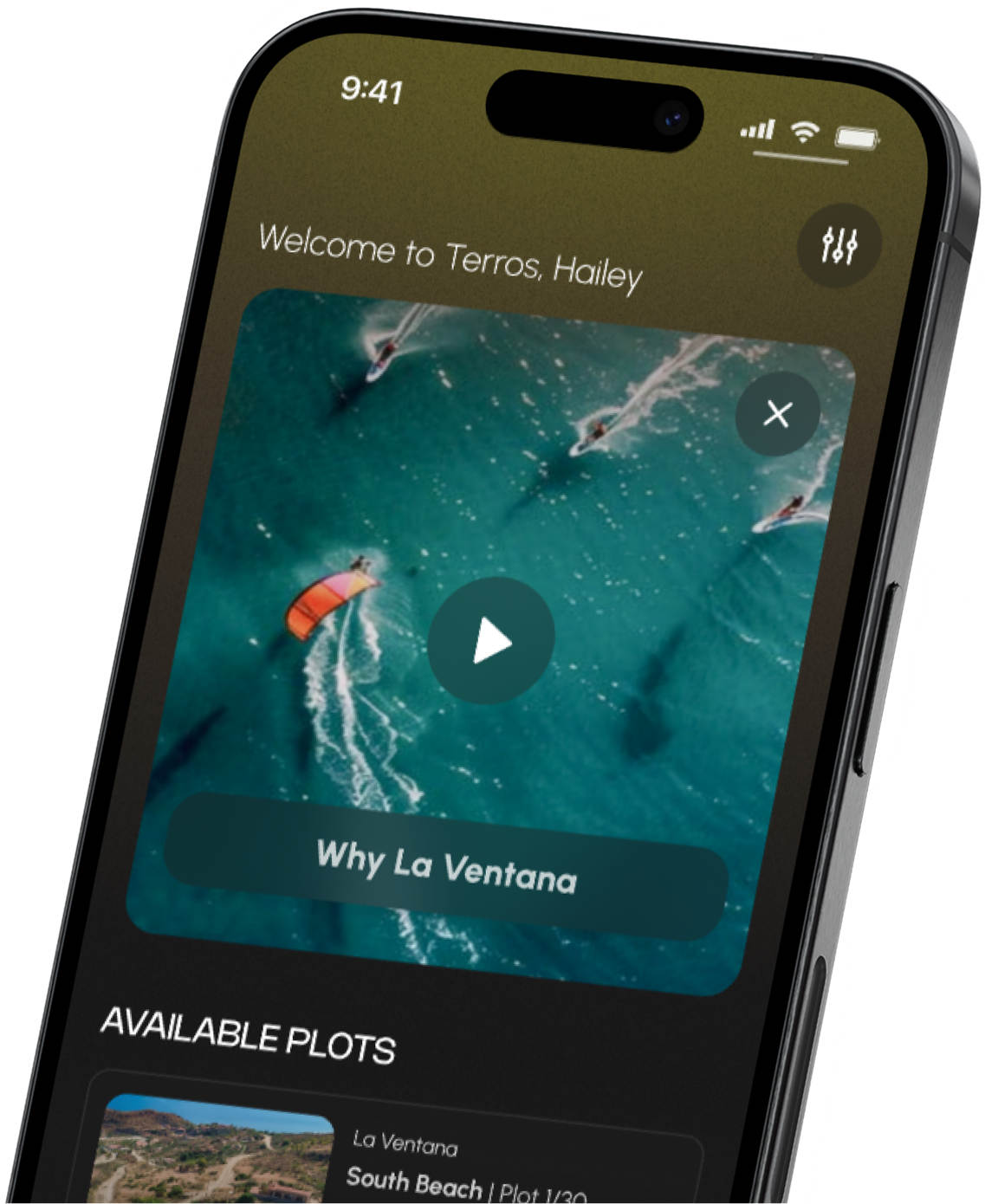
WebSocket infrastructure means paying for servers that hold connections open continuously, plus the load balancers and memory to support them. Managed services like Firebase or Ably charge per connection, per message, or per database operation, which is cheap at launch and can climb fast as a feature catches on. The smart move is to model your busiest realistic hour, not your average, and to choose an approach whose cost curve matches your growth. When we built BiDR, a live-auction and live-commerce platform with real-time bidding and integrated streaming on Firebase and Google Cloud Platform, designing for peak concurrency was central to keeping the economics sane as activity spiked.
How Chop Dawg Builds Real-Time Features
We do not start with a technology; we start with your traffic pattern. We map how many users will be connected at peak, how often data changes, and whether you need true two-way communication or just live updates. From there we choose: WebSockets on Node.js when you need maximum control and the lowest latency, Firebase when speed to market and built-in offline sync matter most, or a managed pub-sub layer when you want real-time without running socket servers. The senior, United States-led team that makes that call is the same team that builds and maintains it, assigned to you directly, and it is supported by our in-house design and engineering teams in Brazil, Pakistan, and India. Across 17-plus years and 500-plus products serving over a billion users, this match-the-tool-to-the-traffic discipline is what keeps real-time apps fast and affordable as they grow.
Frequently Asked Questions
Do I need WebSockets, or is Firebase enough?
If you want to ship quickly with built-in offline sync and you are comfortable with usage-based pricing, Firebase is often enough and removes a large amount of infrastructure work. If you need maximum control, the lowest possible latency, or predictable server costs at very high concurrency, WebSockets on your own backend is the stronger choice.
How much do real-time features add to app cost?
It depends entirely on concurrency and message volume rather than user count. A simple live feed adds little, while a high-frequency feature like live bidding or always-on chat for an active audience adds meaningfully more in infrastructure or service fees. We model your peak hour during planning so the budget reflects real usage.
What is the difference between live updates and full sync?
Live updates push new information to a connected user in the moment, such as a new message or a changed price. Full sync goes further, reconciling data across multiple devices and offline sessions so every device shows the same correct state. Sync is more complex because it must resolve conflicts when changes collide.
Can I add real-time features to an app I already have?
Usually yes, though it depends on how your current backend is structured. A clean, modular architecture makes adding a real-time layer straightforward, while a tightly coupled legacy system may need refactoring first. We start with an audit so you know the effort and cost before committing.
How do you keep real-time chat secure?
Security comes from authenticating every connection, authorizing access at the channel level so users only receive messages they are allowed to see, encrypting data in transit, and adding reporting and moderation tools. We built exactly this layered approach into SeekQ’s secure real-time messenger, including verification and admin controls.
Which tech stack do you use for real-time?
We build real-time systems on React Native for cross-platform clients, Node.js for WebSocket and pub-sub servers, and Firebase or Google Cloud Platform for managed real-time data and offline sync. We never use Flutter or no-code tools, because production real-time at scale demands a proven, maintainable foundation.
Build Real-Time Right the First Time
Real-time features can make your app feel alive, or they can quietly become its most expensive and fragile part. The difference is almost always in the architecture chosen before any code is written. We have built live chat, presence, live auctions, and multi-device sync for products used by over a billion people, and we would genuinely enjoy helping you do it right, whether you are a founder adding real-time to a new app or an established company layering it onto a product you already run. As a partner, not an agency, we work on fixed-monthly budgets with transparent pricing, you own all of your code and intellectual property, and you can end anytime, backed by 300-plus five-star reviews across trusted directories like Clutch, GoodFirms, G2, Google, and TopDevelopers. Book your free 45-minute consultation and we will map the real-time approach that fits your users and your budget, no obligation.


 21 Min