

















 14 Min


Building an MVP in 2026 costs between $25,000 and $60,000 for a focused, single-purpose product, and $75,000 to $150,000 for a more ambitious cross-platform MVP with a custom backend and a few connected features. The number that matters most is not the price, though. It is the discipline: an MVP exists to prove one thing with real users before you spend real money, and the budget buys focus, not a finished product. The stakes are well documented. According to CB Insights, 43% of startups fail from poor product-market fit, building something the market did not actually need. The pain point is that founders try to launch a full product on an MVP budget and end up with neither. This guide explains exactly what an MVP budget really buys, why scope discipline is the whole game, and how the lean approach gets you to market without burning your runway.
Key Takeaways
- A focused MVP costs $25,000 to $60,000; a more ambitious or complex cross-platform MVP with a custom backend runs $75,000 to $150,000+.
- Scope discipline is the single biggest cost lever: an MVP proves one core value proposition with real users, not a full feature set.
- The budget buys a sharp, usable product around your one critical feature, plus the auth, data, and infrastructure to support real users, and little else.
- Artificial intelligence (AI) and agent-assisted coding (Claude Code, Cursor) have cut 2020 to 2023 build costs and timelines by roughly half, which means your MVP dollar goes further in 2026 than it used to.
- Launch lean, learn from real usage, then reinvest in the features the data tells you matter, the opposite of building everything up front and hoping.
What an MVP Budget Really Buys
An MVP, a minimum viable product, is the smallest version of your idea that delivers real value and produces real learning. It is not a clickable, non-functional prototype (NFP), which is a clickable mockup, and it is not version one of the full product. It is a focused, working app built around the one thing that has to be true for your business to work, shipped to real users so you can find out whether they want it. The reason founders overspend is that “minimum” gets negotiated away one “we also need” at a time until the MVP is just an expensive full build with optimistic timelines.
Here is a realistic breakdown of where an MVP budget goes for a 2026 cross-platform product built on React Native with a lean cloud backend. The low end reflects a tightly scoped single-feature MVP; the high end reflects a more ambitious MVP with a custom backend and a few connected features.
| Area | What it includes | Cost band |
|---|---|---|
| Discovery and scope | Defining the one core feature, user flows, and what to cut | $3,000 to $10,000 |
| UX/UI design | Wireframes, a clean usable interface, a clickable NFP | $6,000 to $20,000 |
| Onboarding and auth | Sign-up, login, basic profiles, session security | $5,000 to $15,000 |
| Core feature | The one workflow that proves your value proposition | $10,000 to $35,000 |
| Backend and data | Application programming interfaces (APIs), database, cloud setup sized for early users | $8,000 to $30,000 |
| Notifications and basics | Push or email, settings, essential supporting screens | $3,000 to $12,000 |
| QA and launch | Testing, app-store submission, bug fixing, deployment | $5,000 to $18,000 |
A $25,000 to $60,000 MVP funds discovery, clean design, auth, one strong core feature, a lean backend, and a real launch. A $75,000 to $150,000 MVP adds a custom backend, a second platform done natively where it matters, and a few connected features. Anything beyond that is no longer an MVP; it is a full build, and it should be budgeted and planned as one. That honest line is where we start every engagement in our proven process.
Scope Discipline Is the Whole Game
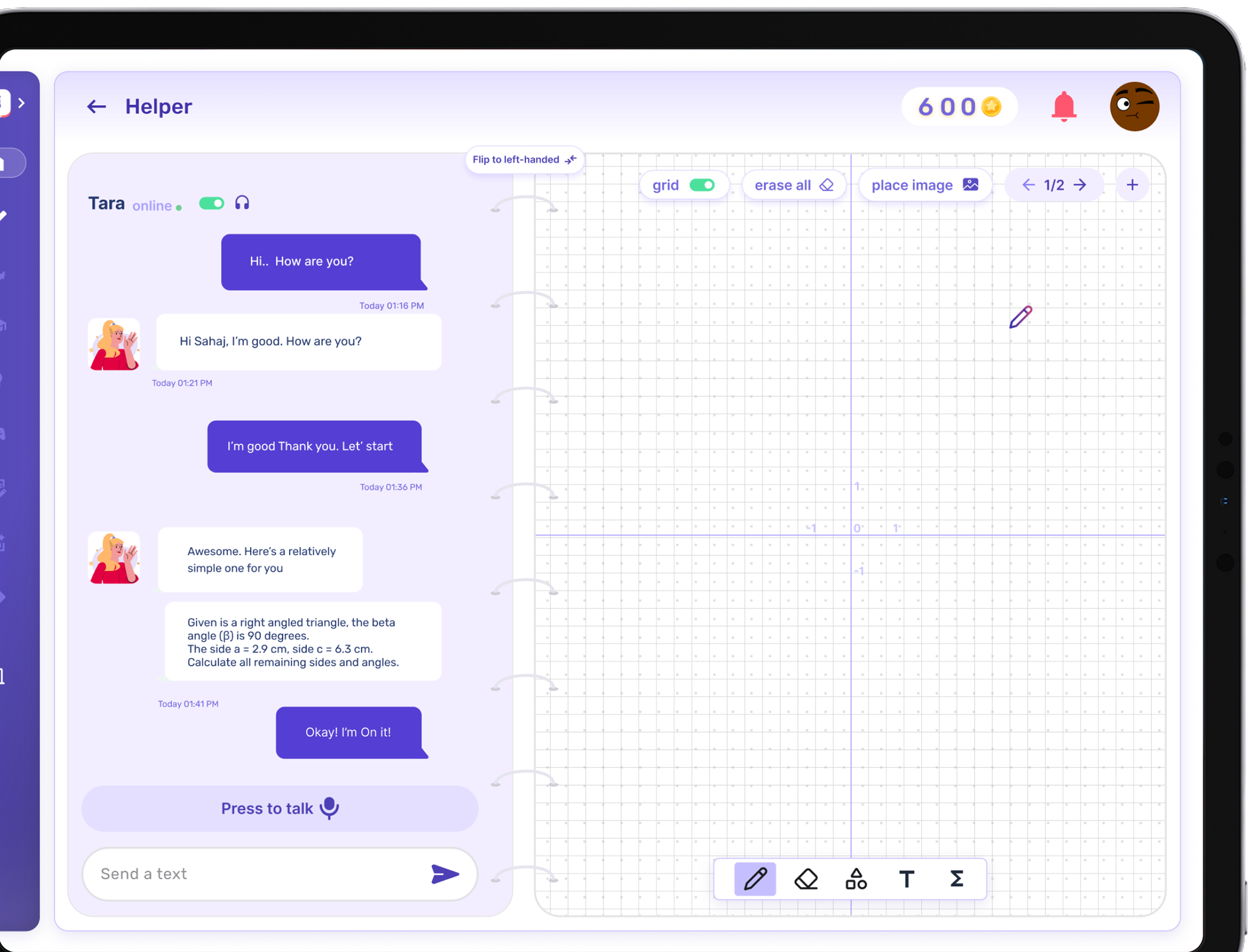
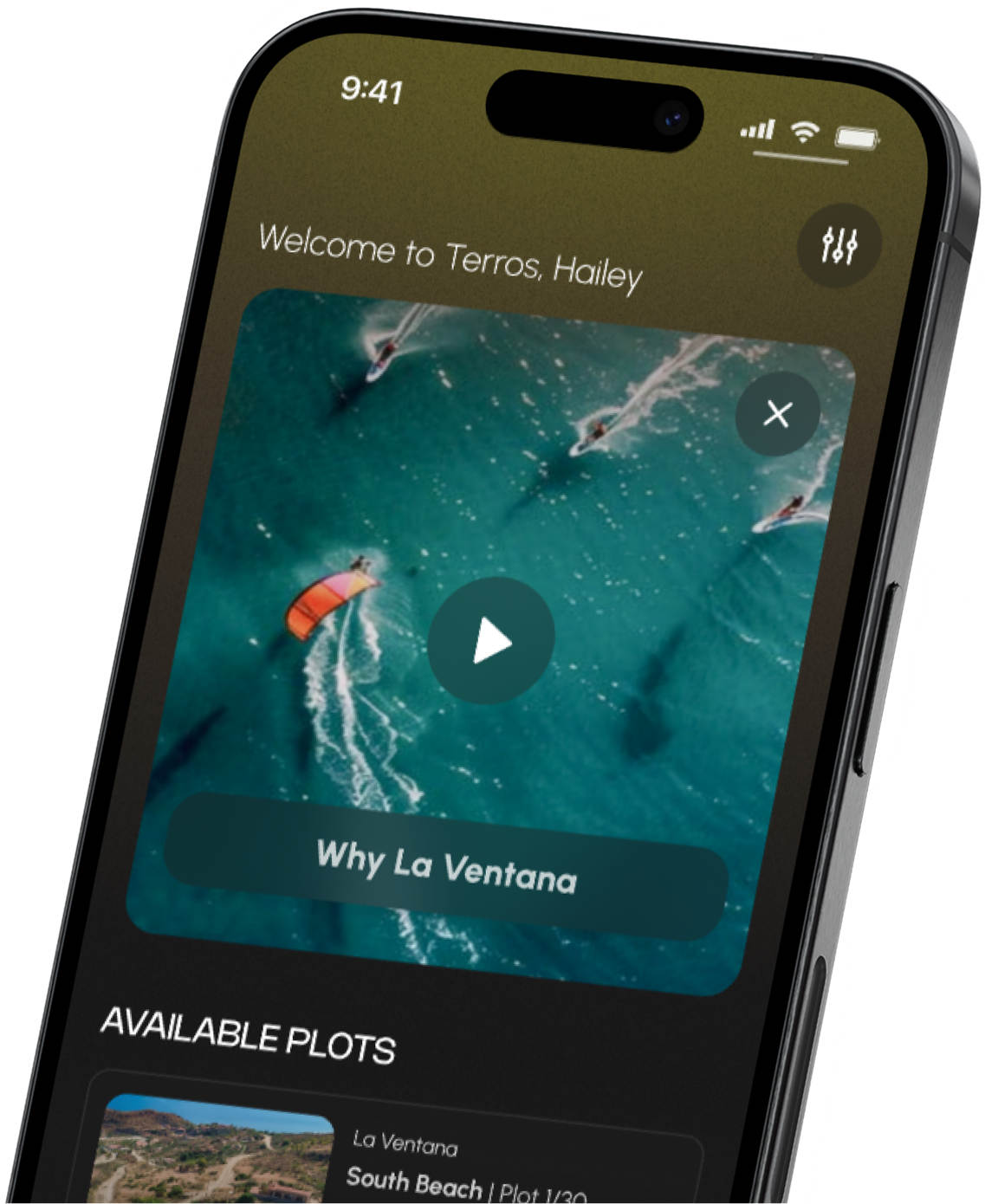
If you take one thing from this article, take this: the hardest and most valuable work in an MVP is deciding what not to build. Every feature you cut is budget and time you redirect toward proving your core idea and reaching users faster. A lean MVP that nails one thing teaches you more than a bloated one that does everything adequately, and it does so before you have spent your runway. We have seen this play out. Our MathDistract success story is the proof: instead of overloading version one, we shipped a tightly scoped MVP built around a single habit-forming workflow that turns idle moments into a confidence-building math practice, with everything else deferred to a post-launch roadmap. Our Digi-Go success story shows a disciplined first build too: a mobile-first checkout and loyalty experience launched as a pilot before broader expansion, the lean approach in action.
Get Your Free 45-Minute App Roadmap
Meet 1-on-1 with our senior product team. We’ll map your MVP or enterprise app and hand you a personalized plan—clear scope, a realistic timeline, and fixed monthly costs—for iOS & Android, web, tablets & wearables, and AI.
How AI and Agent Coding Stretch Your MVP Dollar
Here is the good news for 2026 founders: your MVP budget buys more than it used to. Agent-assisted coding tools like Claude Code and Cursor, used by senior engineers, accelerate the boilerplate, integration scaffolding, and test coverage that every MVP needs, cutting build costs and timelines by roughly half versus the 2020 to 2023 era. That means a budget that once bought a thin prototype can now fund a genuinely usable, launchable MVP. The caveat is that AI accelerates a strong team rather than replacing one; product judgment, clean architecture, and knowing what to cut still come from experienced humans. See our full app development costs and pricing breakdown for more.
The 30% Apple App Store Note
If your MVP tests a paid model through in-app subscriptions or purchases, factor in the platform cut from day one. Apple takes 30%, dropping to 15% for developers under $1 million in annual proceeds through the Apple App Store Small Business Program, and the Google Play Store takes 15% on auto-renewing subscriptions from the start. For an MVP validating willingness to pay, that 15% to 30% directly affects the economics you are trying to prove, so build it into your model rather than discovering it after launch.
The Lean Approach: Launch, Learn, Reinvest
The point of an MVP is the loop: launch something focused, watch how real users behave, and reinvest in the features the data says matter, not the ones you guessed at. This is how you avoid the 43% trap, by letting the market tell you what to build next instead of betting your whole budget on assumptions. A lean MVP at $25,000 to $60,000 gets you into that loop quickly and cheaply. Once you have real users and real signal, you expand deliberately, funding the next features from evidence. Some of the biggest apps in the world started as narrow MVPs, and the staged path is how you reach product-market fit with runway to spare.
We build on React Native with native modules where performance demands it, on cloud infrastructure that starts lean and scales when you do. There is an accessible way in for budget-conscious founders: design and UX start at $5,000 per month, and a focused MVP runs from about $25,000 to $60,000 all in. Chop Dawg is a partner, not an agency. You work directly with a United States-headquartered, United States-led team for leadership, product and project management, and senior design, development, and QA. That core team is backed by our in-house Brazilian design team and in-house development and QA teams in India and Pakistan, everyone in-house and assigned directly with no middleman. Choose a fully American team for regulated or government work, or a cost-effective United States-plus-offshore blend with the same quality, timelines, and senior oversight. Either way, you get weekly and bi-weekly Zoom calls, daily Slack, and Figma, GitHub, Jira, and Confluence for full visibility, plus full ownership of your code and intellectual property (IP) from day one. We have helped first-time founders and funded teams alike get to market the smart way, as our success stories show.
Frequently Asked Questions
How much does it cost to build an MVP in 2026?
A focused, single-purpose MVP costs $25,000 to $60,000. A more ambitious or complex cross-platform MVP with a custom backend and a few connected features runs $75,000 to $150,000 or more. The range is driven almost entirely by scope: the tighter your focus on one core feature, the lower the cost and the faster you reach real users.
What is the difference between an MVP and a full product?
An MVP is the smallest working version that delivers real value and produces real learning, built around one core feature and shipped to real users. A full product includes the complete feature set, polish, and scale. The MVP exists to validate demand before you invest in the full build, which is why keeping it minimal is the entire point.
How long does it take to build an MVP?
A focused MVP typically takes three to five months from discovery to launch. A more ambitious MVP with a custom backend takes five to eight months. AI-assisted coding has cut these timelines by roughly half versus a few years ago, but discovery, design, and the judgment to keep scope tight still take real time and matter more than raw speed.
What should an MVP include and what should it leave out?
Include the one core feature that proves your value, plus the auth, data, and infrastructure to support real users, clean enough to be genuinely usable. Leave out secondary features, nice-to-haves, edge cases, and anything you are building “because we’ll need it eventually.” Those get added later, funded by what you learn from real usage, not assumptions.
Why do so many startups fail, and how does an MVP help?
According to CB Insights, 43% of startups fail from poor product-market fit, building something the market did not need. An MVP directly attacks that risk by getting a focused product in front of real users quickly and cheaply, so you learn whether there is demand before spending your full budget. It turns an expensive guess into an affordable experiment.
Can AI lower the cost of building an MVP?
Yes. Agent-assisted tools like Claude Code and Cursor, used by senior engineers, speed up boilerplate, integrations, and testing, cutting build costs and timelines by roughly half versus 2020 to 2023. In practice that means your MVP budget buys a more usable, launch-ready product than it would have a few years ago, though product judgment still comes from experienced humans.
Ready to Build Your MVP?
Whether you are a first-time founder testing a new idea or an established team carving a lean MVP out of a larger product, the smartest MVPs start with a hard conversation about what to leave out. In a free 45-minute consultation, we will help you define the one feature that matters, scope a lean build, and give you an honest cost range so you reach real users without overspending, no pressure and no obligation. Chop Dawg has launched 500+ products used by more than a billion people over 17+ years in business, including MVPs that found strong product-market fit, and 92% of our partners come back to build again, with 300+ five-star reviews across trusted directories like Clutch, GoodFirms, G2, Google, and TopDevelopers. Book your free 45-minute consultation and let’s build your MVP the right way.



 21 Min