






















 9 Min
9 Min 

In the fixed-price vs hourly app development debate, fixed-price (and fixed-monthly) contracts give you budget certainty and predictable timelines, while hourly (time-and-materials) billing gives you flexibility to change scope as you go. The choice matters because cost overruns are common: the Standish Group’s long-running CHAOS research finds that most software projects exceed their original budget or timeline, so the pricing model you pick shapes how much surprise risk you carry in 2026.
Key Takeaways
- Fixed-price gives you a known cost and timeline, which is ideal when requirements are clear.
- Hourly billing adapts to change but can drift over budget without tight management.
- Fixed-monthly budgets blend predictability with ongoing flexibility for evolving products.
- Most budget overruns come from scope changes and loose oversight, not from the work itself.
- The best model depends on how stable your requirements are and how much risk you want to hold.
Fixed-Price and Fixed-Monthly Pricing
With fixed-price, you agree on a defined scope and a set cost before work begins. Fixed-monthly is a close cousin: you pay a steady amount each month for a dedicated team and a planned roadmap, which suits products that keep evolving after launch.
Pros:
- Budget certainty makes financial planning simple.
- Clear timelines and milestones you can hold the team to.
- Less day-to-day oversight needed on your side.
- Fixed-monthly keeps a steady team focused on your roadmap.
- Risk of overruns shifts toward the vendor, not you.
Cons:
- Pure fixed-price needs detailed requirements defined up front.
- Changing scope mid-project can trigger change orders.
- Some vendors pad fixed bids with buffers for unknowns.
Hourly and Time-and-Materials Pricing
With hourly billing, you pay for the actual time the team spends. This time-and-materials model fits projects where the path is uncertain and you expect to adjust direction based on testing and feedback.
Pros:
- Flexibility to change scope without renegotiating a contract.
- You only pay for work actually performed.
- Great fit for discovery, experiments, and iterative releases.
- Easy to scale effort up or down week to week.
Cons:
- Final cost is unknown until the work is finished.
- Budget can drift without disciplined scope control.
- Requires more active management and review from you.
- Harder to forecast for investors or internal approval.
Get Your Free 45-Minute App Roadmap
Meet 1-on-1 with our senior product team. We’ll map your MVP or enterprise app and hand you a personalized plan—clear scope, a realistic timeline, and fixed monthly costs—for iOS & Android, web, tablets & wearables, and AI.
Side-by-Side Comparison
| Factor | Fixed-Price / Fixed-Monthly | Hourly / Time-and-Materials |
|---|---|---|
| Cost | Known in advance | Variable, billed by time |
| Speed | Driven by set milestones | Driven by available hours |
| Communication | Milestone-based check-ins | Frequent, hands-on reviews |
| Quality | Scoped and quality-assured (QA’d) to spec | Depends on ongoing oversight |
| Control | Defined scope, less mid-flight change | High flexibility to pivot |
| Risk | Mostly on the vendor | Mostly on the client |
Where Chop Dawg Fits
Chop Dawg is built around predictability. Instead of open-ended hourly invoices, the firm works with fixed monthly budgets, transparent pricing, and precise timelines, so you know what you are paying and when your app will ship. That gives you the budget certainty of fixed-price with the flexibility of a steady, dedicated team that keeps improving your product month over month.
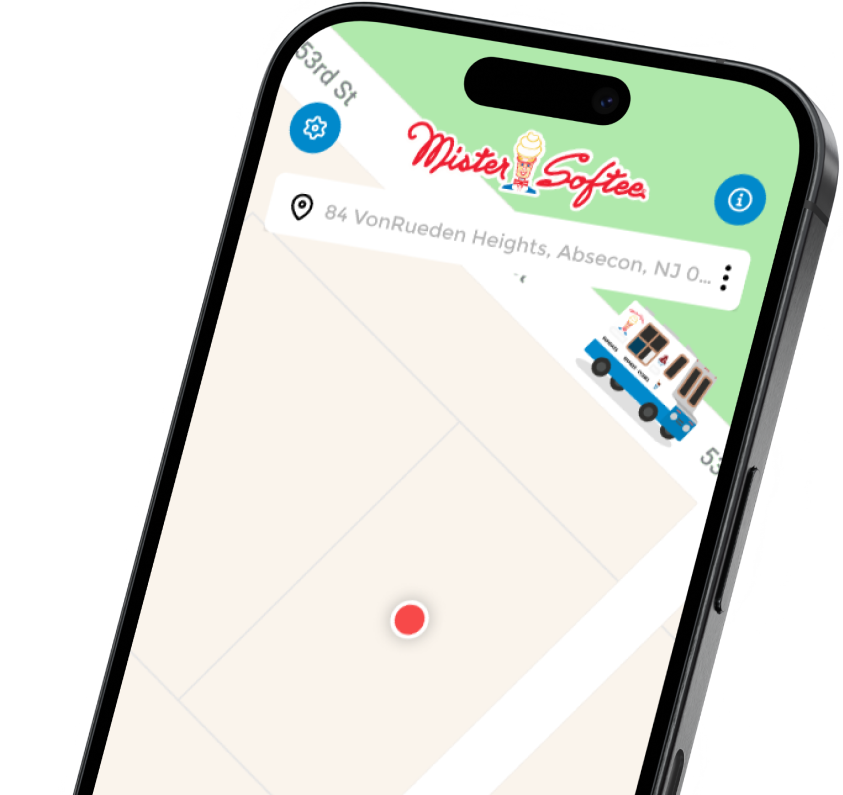
Founded in 2009, Chop Dawg is United States-headquartered and United States-led and operates as a partner, not an agency: senior US leadership, product and project management, development, design, and QA, backed by an in-house Brazilian design team and in-house development, QA, and project-management teams in Pakistan and India. Everyone is a salaried Chop Dawg teammate assigned directly to your project rather than a subcontractor or a salesperson fronting hidden offshore coders. You can keep a fully American team for government and regulated work or choose a cost-effective United States-plus-offshore blend that delivers the same quality and timeline for less. The numbers are concrete: design starts at $5,000 per month and development at $7,500 per month, so a focused minimum viable product (MVP) generally lands from about $25,000 to $60,000 all in, while more complex or enterprise builds run $75,000 to $150,000 or more, with ongoing maintenance from about $2,500 per month, every engagement opens with a free 45-minute consultation, and you receive the most detailed proposal in the business, the product of extensive planning, before you commit a dollar. That planning is exactly what makes pricing accurate and predictable, and you can see how the fixed-monthly model maps to scope in the pricing breakdown. With 500-plus launches for organizations that include the U.S. Navy, Siemens, Hilton, and the NFL, more than 1 billion users reached, 92% of partners returning for more, 300+ five-star reviews across trusted directories, including Clutch, GoodFirms, and DesignRush, the team delivers “on time and on budget” with no surprises. That predictability pays off in the work: the Mister Softee app shipped on schedule and passed 1 million downloads in three months, a textbook on-time, on-budget outcome of the fixed-monthly approach. Daily Slack and weekly Zoom keep you informed, you own your code and IP, and a free bug-and-maintenance warranty protects your investment after launch. Learn more about how pricing works in the app development costs and pricing guide or review the proven process. For more on choosing a partner, see the key questions to ask an agency.
Frequently Asked Questions
Which is better for a startup, fixed-price or hourly?
It depends on clarity. If your scope is well defined, fixed-price or fixed-monthly gives you the budget certainty investors like. If you are still discovering features through user feedback, hourly flexibility helps. Many startups prefer fixed-monthly because it combines predictable spending with the freedom to keep refining the product.
Why do fixed-price bids sometimes seem high?
Vendors price fixed bids to cover unknowns, so they often add a buffer for risk. That buffer can raise the quoted price by a noticeable margin. The tradeoff is real protection: if the work runs long, the overage is the vendor’s problem, not yours, which is exactly what budget certainty buys you.
Can hourly projects stay on budget?
Yes, with discipline. Tight scope control, regular reviews, and clear weekly limits keep hourly work predictable. The risk is that loose oversight lets scope creep inflate the total. Since most software overruns trace back to changing scope, a strong project rhythm matters more than the billing model itself. It also helps that artificial intelligence (AI)-assisted coding with tools like Claude Code and Cursor, where senior engineers review and edit every line rather than vibe-coding, has cut build cost and timeline by roughly half since 2023, lowering the baseline under either pricing model.
What is a fixed-monthly budget?
A fixed-monthly budget means you pay a steady, agreed amount each month for a dedicated team and a planned roadmap. It blends the predictability of fixed-price with the flexibility of ongoing iteration. You always know your spend, while the team keeps building, testing, and improving your app over time.
How do I avoid surprise costs?
Choose a pricing model that matches your needs, document scope clearly, and pick a partner with transparent pricing and precise timelines. Ask how change requests are handled and what is included after launch. A partner that commits to fixed budgets and no surprises removes most of the cost uncertainty before work begins.
Want Predictable App Pricing in 2026?
If you want a clear budget, a firm timeline, and no surprise invoices, Chop Dawg’s fixed monthly model is built for you. Whether you are pricing a brand-new app or budgeting to improve, scale, or modernize an existing one, schedule your free 45-minute consultation and get a transparent plan that ships on time and on budget.


 15 Min